Behavioral addictions are more common than people realize. These habits go beyond frequent enjoyment—they begin to disrupt daily life, relationships, and mental health. When I discuss behavioral addictions, the reaction is often, “You can get addicted to that?” While most people think of addiction as substance-related, activities like gaming, social media, or shopping can affect the brain in very similar ways.
Understanding Behavioral Addictions: What They Are and Why They Matter
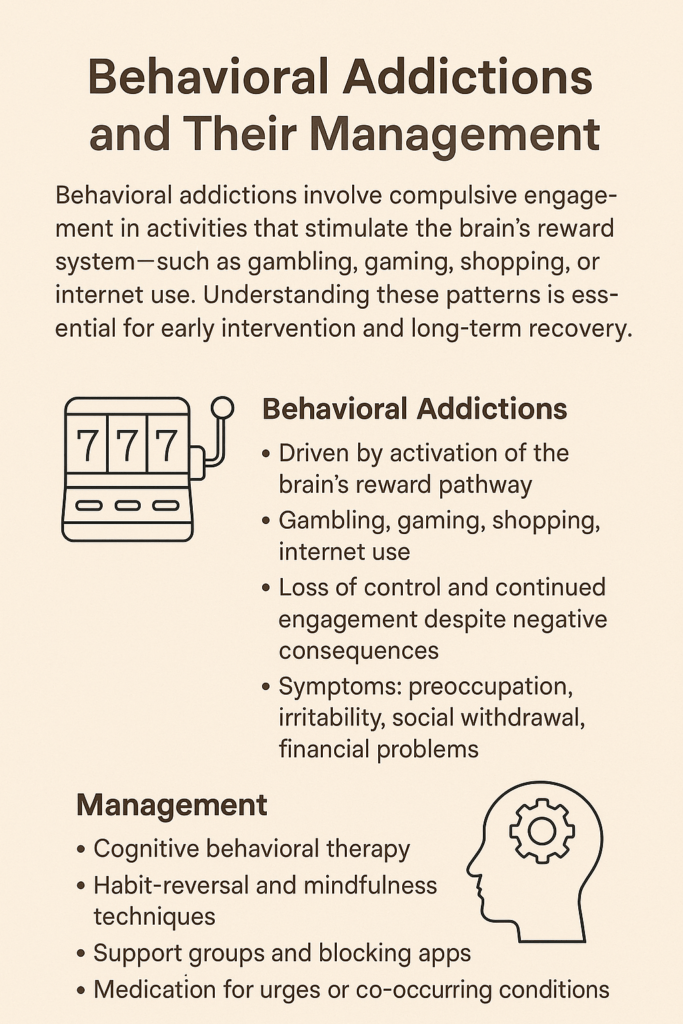
Behavioral addictions pop up when a particular activity, like gambling or binge-watching TV, becomes so rewarding that it hijacks your self-control. Unlike drug or alcohol addiction, there isn’t a physical substance involved. Still, the cravings, urges, and consequences can look strikingly similar. According to the American Psychiatric Association, gambling disorder is the most clearly defined behavioral addiction. Still, researchers are spotting similar patterns in activities such as internet use, gaming, shopping, and even exercise.
Over the last decade, experts have seen how digital technology fuels addictive behaviors. There’s something about a notification ping or a video game “level up” that triggers big dopamine surges in the brain. The rush gets reinforced, making people come back for more even when they know it’s causing problems with work, health, or relationships.
The World Health Organization and various mental health organizations have begun to recognize certain behavioral addictions in their diagnostic manuals. That helps people take their experiences more seriously, and gives doctors and therapists easier ways to help.
Common Types of Behavioral Addictions
The world of behavioral addictions keeps growing as researchers learn more, but here are some of the best-known examples:
- Gambling Addiction: This is probably the best-studied behavioral addiction. It involves repeated gambling that causes problems at work, home, or in social situations, but the person keeps returning to it anyway.
- Internet and Gaming Addiction: Obsessively playing online games or scrolling social media can become compulsive and disruptive. People may lose track of time, skip sleep, and even avoid socializing offline.
- Shopping Addiction: Compulsive buying, especially when it’s linked with feelings of guilt or leads to financial trouble, often follows an addictive pattern. Retail therapy can spiral out of control quickly.
- Sex and Pornography Addiction: Obsessive sexual thoughts or time spent on sexual activities may get in the way of daily life, work, and relationships.
- Exercise Addiction: For some people, working out shifts from being healthy to taking over everything else—including pushing through injury, fatigue, or missing social events.
Behavioral addictions often appear alongside other mental health issues like anxiety, depression, or substance use. Sometimes, people even switch from one addictive behavior to another as time goes on.
How Behavioral Addictions Develop
Most behavioral addictions begin with a simple habit or rewarding activity. The brain’s reward system learns to crave the experience, especially if it brings escape, pleasure, or relief from stress. A feedback loop starts to form: the more someone repeats the activity, the more their brain links it to feeling good, and the stronger the urges become. For example, gambling may start as something done now and then, but eventually turns into someone’s main way to cope with stress.
Genetics, environment, and personal history all play a role. Childhood trauma, high stress, mental health struggles, and easy access to technology or gambling boost the odds. Unlike substance addiction, though, figuring out what’s a “safe” amount isn’t always clear. Some people can play video games in moderation, while others struggle to stop once they start—even if they really want to.
Recognizing the Warning Signs
I’ve talked to many people who didn’t even realize something was off until a friend or partner pointed it out. There are some warning signs worth tracking down:
- Feeling restless or irritable if you can’t do the activity
- Lying about how much time or money you spend on it
- Choosing the activity over work, family, or social commitments
- Trying to cut back but not succeeding
- Chasing the rush or losing track of time during the activity
The real trouble sets in when these behaviors start disrupting key areas of life—like job performance, health, relationships, or finances. Honest self-reflection helps, but sometimes it takes a nudge from family or friends to recognize when things have gotten off track.
Management Tips: Practical Steps for Regaining Control
Tackling a behavioral addiction is definitely possible, but it’s often overwhelming in the beginning. The key first step is knowing that help exists and that recovery is totally within reach—even if it takes more than one attempt. Here’s a simple guide to getting started:
- Track Your Time or Spending: Keeping a log (on paper or with an app) helps build awareness. Most people are surprised by the actual tally of hours or cash involved.
- Spot Triggers: Noticing what sets off the urge to engage in the activity helps you put together a game plan to change things up. Stress, boredom, loneliness, or certain situations are likely triggers.
- Set Boundaries: Choosing limits in advance, such as a shopping budget or scheduled no-screen hours, makes things more manageable. Sticking to these limits may take several tries.
- Ask for Support: Friends, family, and support groups are a huge help. Simply talking about your struggle removes a lot of the shame and opens the door to real progress.
- Replace Old Habits: Swapping the addictive activity for something uplifting—like walking, creative hobbies, or spending time with others—can gradually break the pattern.
Remember, progress is rarely a straight road. Expect some ups and downs. Being patient with yourself and celebrating small steps forward can keep motivation alive on tough days.
Professional Treatment Options
If self-help strategies don’t seem to be enough, it’s a good idea to reach out to a mental health professional. Therapists, counselors, or addiction specialists can offer a range of options:
- Cognitive-Behavioral Therapy (CBT): This form of talk therapy teaches people to identify negative patterns and replace them with healthier alternatives. Research shows it’s especially effective for gambling, internet, and shopping addictions.
- Group Support: Groups such as Gamblers Anonymous, SMART Recovery, or local therapy groups connect people with similar experiences and provide accountability. Many options are free, anonymous, and even available online.
- Medication: While no medication specifically targets behavioral addiction, doctors might recommend drugs for managing related issues like anxiety, cravings, or depression.
- Digital Detox or Rehab Programs: For severe cases, taking a break from technology or enrolling in structured rehab programs can provide a reset and round-the-clock support while you work on changing habits.
Often, professionals use several approaches together. Combining therapy, group support, and lifestyle changes works best, especially if other mental health concerns are present.
Things to Watch Out for When Managing Behavioral Addictions
- Relapse: Slipping back into old patterns can happen, especially early on or during periods of stress. Making a plan for these moments (who to call, what to do) can make it much easier to bounce back.
- Underlying Issues: Sometimes behavioral addiction hides deeper problems, like trauma or depression. Addressing those issues supports long-term recovery and makes handling the addiction easier.
- Replacement Addictions: It’s possible to switch from one problematic habit to another. Staying sharp about new routines or interests is essential.
- Social Pressure: Friends or colleagues might unintentionally encourage unhealthy behaviors. Open chats about your limits and goals help reduce this pressure and keep you honest with yourself.
Relapse and Recovery
Recovery isn’t a simple, straight path—you’ll likely face challenges along the way. I’ve known folks who feel discouraged after a setback, but it’s not failure, and change is still possible. Having a backup plan makes bouncing back much easier; a trusted friend to reach out to, a list of distraction techniques, or an appointment with a counselor can make all the difference after a rough day.
Dealing with Triggers
Triggers can be anything: a tough day at work, feeling lonely, or just being exposed to specific ads. Learning to spot triggers early—with practice—makes it possible to respond each time differently. Swapping the automatic reach for your phone or credit card with another routine lightens the pull of old habits over time.
Frequently Asked Questions
A lot of people have questions about behavioral addictions, especially when they stumble upon the idea that their habits could be problematic.
Question: Are behavioral addictions as severe as substance addictions?
Answer: Yes, behavioral addictions can be just as disruptive as addiction to substances. Their impact on mental health, relationships, and money is often just as significant, even without a chemical involved.
Question: Can kids or teens develop behavioral addictions?
Answer: Absolutely. Young people are especially at risk, particularly when it comes to gaming or internet use. Setting healthy boundaries early makes a real difference and can prevent future issues.
Question: How do I know if I need professional help?
Answer: If the behavior is hurting your life and you can’t seem to stop even though you want to, it’s worth reaching out to a mental health professional. Community support groups or helplines can also be good starting points.
Finding Hope and Support
Behavioral addictions might feel isolating, but they’re surprisingly widespread. Recovery happens all the time, especially with support and some helpful guidance. Taking one small step at a time, building new habits, and reaching out for help can spark real change. If you want more information or need help nearby, resources like this overview from the National Institutes of Health or the SMART Recovery program are helpful starting points.
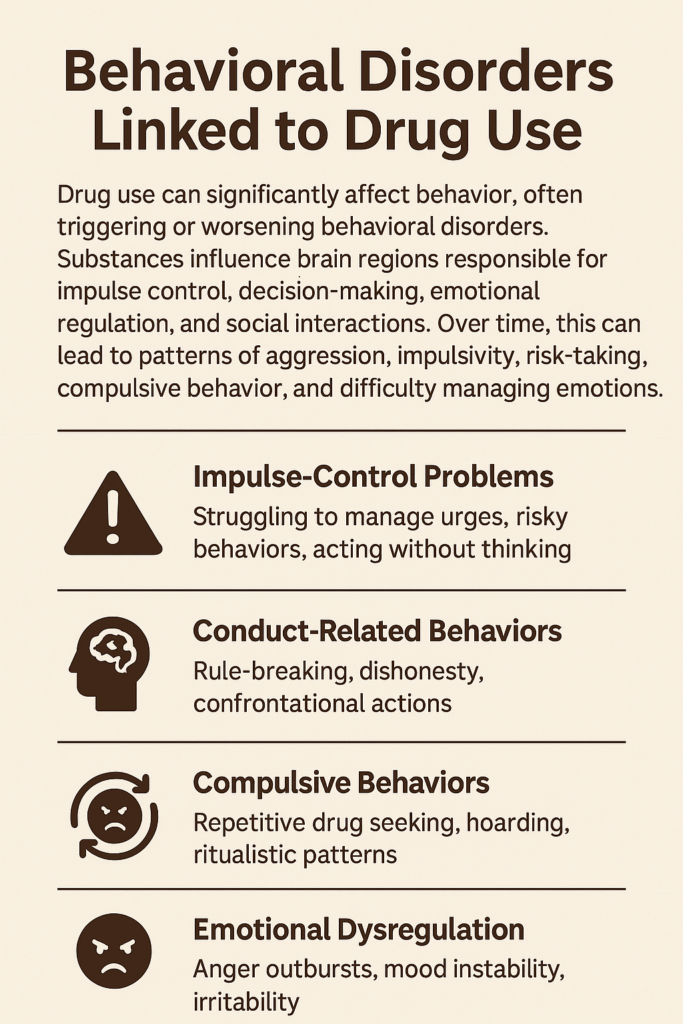
Video: Behavioral Disorders Linked to Drug Use