Addiction & GI–Liver Disorders

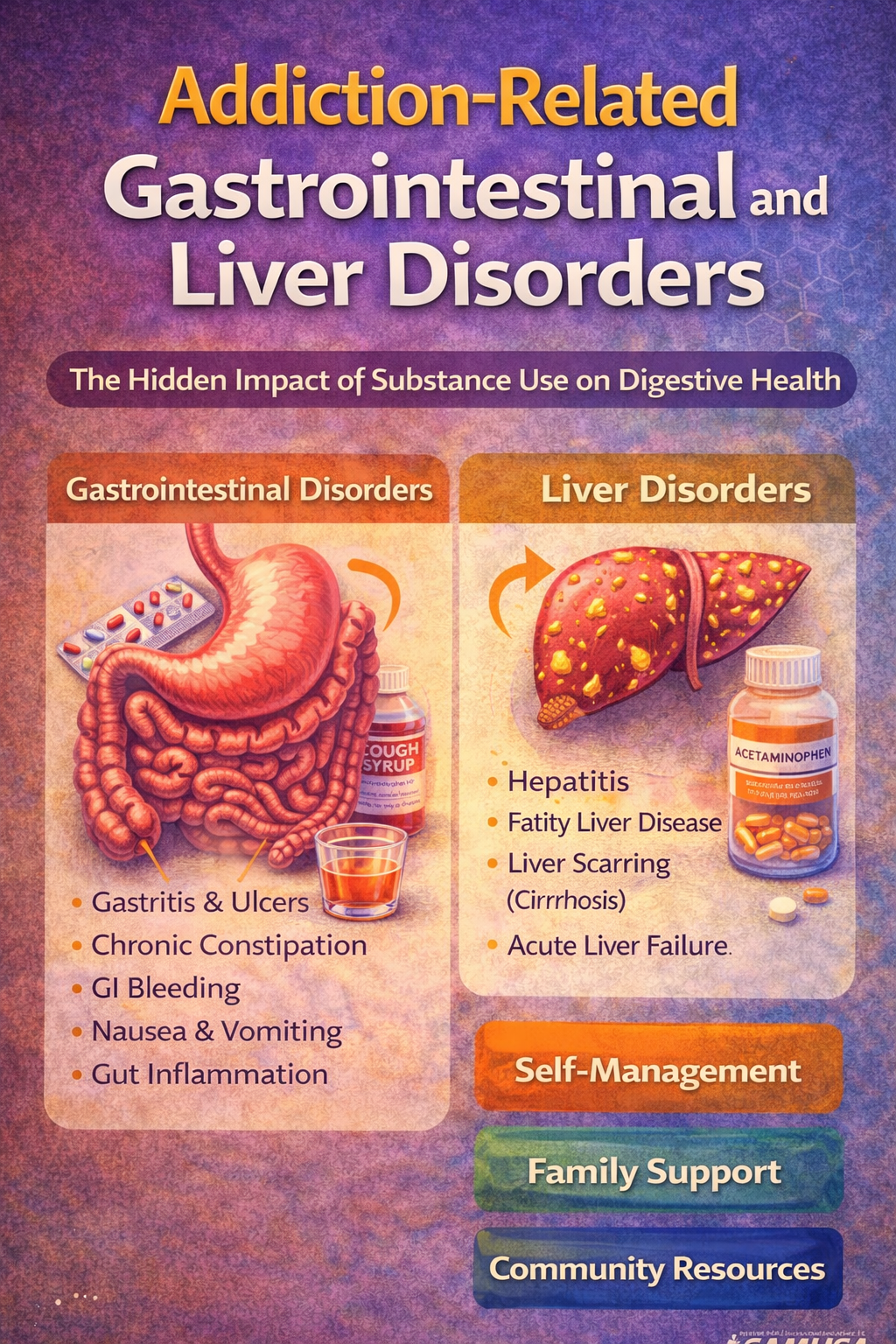
Addiction-related gastrointestinal and liver disorders are serious but often preventable health consequences of substance misuse. Alcohol, drugs, and improperly used medications place continuous stress on the digestive system and overwhelm the liver’s ability to detoxify the body. Over time, this can lead to chronic stomach irritation, ulcers, constipation, hepatitis, fatty liver disease, and even life-threatening … Read more
Breaking Free from DXM Addiction

Dextromethorphan (DXM) addiction is a growing concern due to easy access to over-the-counter cough medicines. Although safe at recommended doses, high-dose DXM can cause mind-altering effects, dependence, and health problems. Recovery requires more than stopping use and relies on self-management, family support, and community resources working together to restore stability and long-term well-being. Dextromethorphan Addiction: … Read more

Hidden Risks of Pregabalin

Pregabalin addiction is an increasing concern as prescription medication misuse rises. Although effective for nerve pain, anxiety, and seizures, high doses can cause dependence, especially in those with a substance use history. Recovery requires more than tapering alone and depends on self-management, family support, and community resources working together to restore health and stability. Pregabalin … Read more

ADHD–Bipolar–Addiction Link

ADHD, bipolar disorder, and addiction form a powerful and often overwhelming combination of co-occurring conditions. ADHD affects attention, impulsivity, and self-regulation, while bipolar disorder brings cycles of depression and mania that destabilize mood and behavior. When addiction enters this picture, substance use can become a way to self-medicate distress, intensify impulsive actions, and disrupt brain … Read more

Gabapentin in Addiction Therapy

Addiction recovery often involves managing intense physical and emotional symptoms that can interfere with treatment engagement. Alongside counseling and primary addiction medications, supportive therapies are sometimes used to ease withdrawal discomfort, anxiety, and sleep disruption. Gabapentin, originally developed for seizure and nerve pain treatment, has emerged as an adjunct medication in addiction therapy for its … Read more

Rising Cocaine-Related Deaths

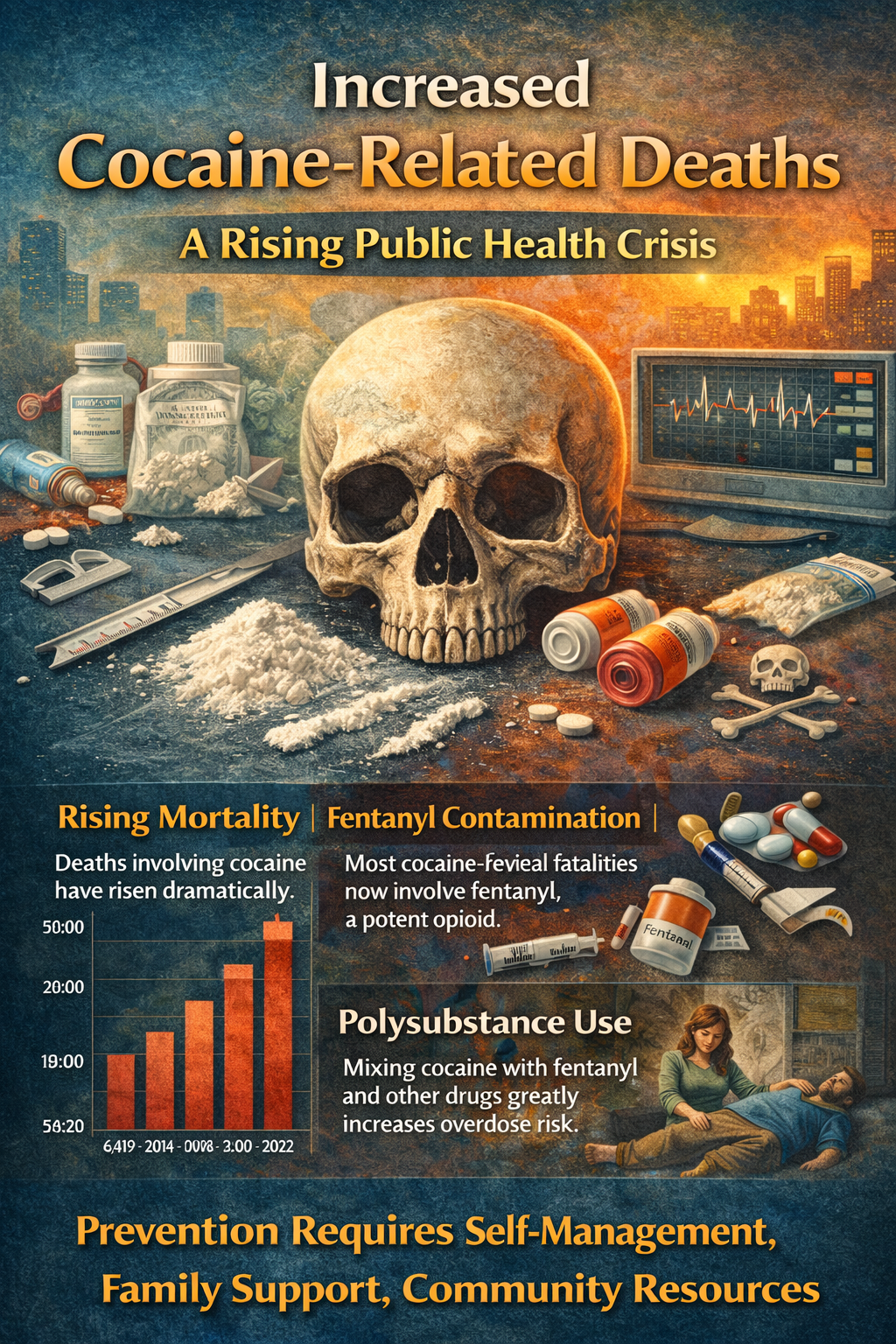
Cocaine-related deaths have increased at an alarming rate in recent years, creating a growing public health crisis. A major factor driving this rise is the unpredictable drug supply, particularly cocaine contaminated with synthetic opioids such as fentanyl. This contamination has led to unexpected overdoses, even among individuals who do not regularly use opioids. While medical … Read more

Partial Hospitalization Drug Rehab

Partial Hospitalization Programs (PHPs) have become an essential level of care in modern addiction treatment, offering intensive daily therapy and medical support without requiring an overnight residential stay. PHP drug rehab is designed for individuals who need structured, high-intensity treatment but are stable enough to live at home or in supportive housing. By combining clinical … Read more

Extension of MOUD medications

Medication for Opioid Use Disorder (MOUD) has become one of the most effective interventions for reducing opioid-related deaths and supporting long-term recovery. Medications such as methadone, buprenorphine, and naltrexone stabilize brain chemistry, reduce cravings, and protect against fatal overdose. Research consistently shows that individuals who remain on MOUD for extended periods experience significantly higher survival … Read more

Precision Medicine for OUD

Opioid use disorder (OUD) remains a major public health challenge, with individuals responding differently to the same treatments. Traditional addiction care has often relied on standardized approaches, yet factors such as genetics, brain chemistry, mental health conditions, and life circumstances influence treatment success. Precision medicine offers a new solution by tailoring opioid addiction treatment to … Read more

Varenicline & Cannabis Recovery

Cannabis use disorder (CUD) is an increasingly recognized public health concern as marijuana becomes more widely available, legally accessible, and socially accepted. While many individuals use cannabis without dependence, others experience cravings, withdrawal, and difficulty controlling use. Treatment has relied mainly on behavioral therapy, but varenicline, a medication originally for smoking cessation, is now being … Read more