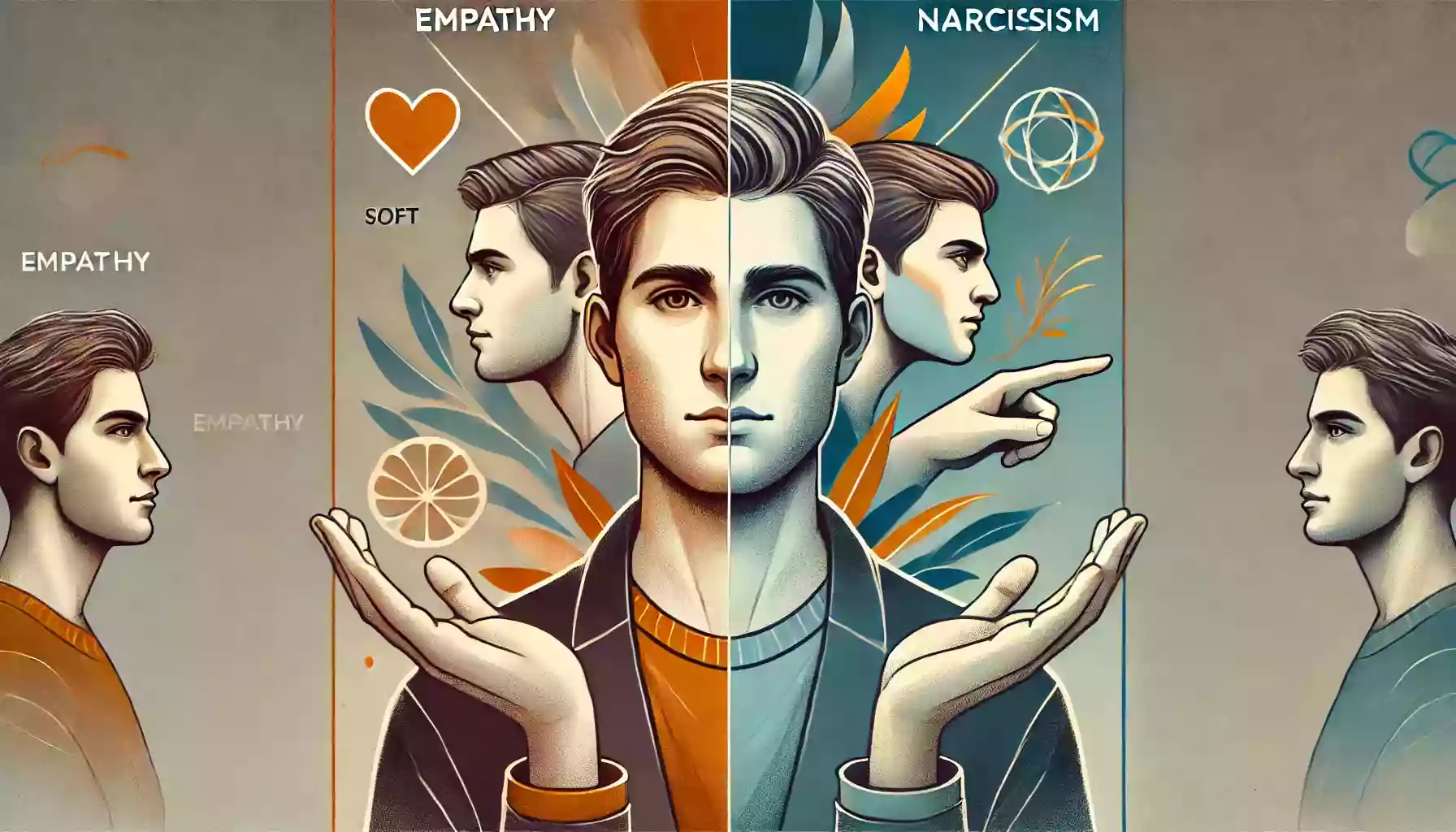
Addiction and empathy often show up together in conversations about individuals with narcissistic traits or behaviors, and the overlap can be confusing and emotionally overwhelming. When someone in your life struggles with both addiction and narcissism, their actions may feel unpredictable, self-centered, or even manipulative, leaving you unsure of what’s real and what’s driven by their illness. These behaviors can mask deeper emotional injuries, unmet needs, or distorted coping mechanisms. That’s why understanding how addiction can influence empathy—and how narcissistic traits can further complicate this dynamic—is essential. Recognizing this connection not only helps you interpret their behavior more clearly but also empowers you to protect your own emotional well-being, set healthy boundaries, and offer support in ways that are both compassionate and realistic.
The Link Between Narcissism and Addiction
Narcissism and addiction seem to pop up together pretty often. While not everyone struggling with addiction is narcissistic (and not every narcissist develops an addiction), research shows these traits can overlap more than people expect. Narcissism, in this context, is more about patterns, such as constantly seeking validation, difficulty taking responsibility, and little empathy for others.
Addiction, whether it’s to substances, gambling, or even behaviors, is partly about trying to numb hard feelings, escape reality, or boost self-esteem. For some people with narcissistic tendencies, addiction can become a way to fill an emotional gap or block out uncomfortable stuff, like guilt or shame, that they don’t want to deal with. Some studies point out that people with narcissistic features might turn to substances to prop up their self-image or manage feelings of insecurity (NCBI).
From what I’ve noticed both personally and in the stories people share online, it’s pretty standard to see cycles of substance use, reckless decisions, and dramatic ups and downs in relationships. The urge to avoid emotional pain can make someone return to addictive habits, while a lack of genuine empathy or awareness can strain every friendship and family bond they have. This cycle can be tough on everyone involved.
Another thing worth noting is how addiction often thrives in environments where emotions go unaddressed. People with narcissistic traits usually resist addressing uncomfortable emotions. This can create a sort of feedback loop, where the more they turn away from vulnerability, the more they rely on addictive behaviors to cope. Families and loved ones may also feel like they’re trapped, always waiting for the next crisis, unsure how to break the cycle.
Understanding Addiction Through the Empathy Lens
I’ve learned that empathy plays a super important role when it comes to addiction, both for the person dealing with addiction (or narcissism) and for the people around them. Empathy is about putting yourself in someone else’s shoes and really trying to “get” their feelings, even if you disagree with their choices. It can be tough, especially if you feel hurt by someone’s behavior, but it often leads to more helpful conversations and healthier boundaries.
People with strong narcissistic traits usually have trouble with empathy. That doesn’t mean they’re incapable of caring; it just means tuning into someone else’s pain or perspective might not come naturally. This can create a significant disconnect during recovery efforts or while trying to repair relationships after addiction. On the flip side, friends and family might feel burned out or confused about how much empathy to give, especially if it seems like their own needs don’t matter.
Opening up space for empathy doesn’t mean excusing harmful behavior, but it does make room for more honest, productive conversations. It can also help families and partners avoid getting stuck in blame, which often gets in the way of real progress. Usually, empathy is necessary on both sides, since the person in recovery may also resent the pressure or expectations they’ve encountered. Acknowledging everyone’s emotions leads to a more honest dialogue.
Key Traits of Narcissism That Shape Addiction Patterns
Understanding how narcissistic traits can influence addiction gives people better tools for dealing with tricky situations. These are some standard features I keep an eye on when considering the narcissist-addict connection:
- Grandiosity and Ego: Feeling above the rules or expecting special treatment can make it easier to justify risky or addictive behavior.
- Need for Admiration: Regular compliments or constant reassurance can feel like a “high” itself; when that fades, substances or addictive things might step in as a substitute.
- Avoidance of Vulnerability: It’s really tough for someone with strong narcissistic habits to admit to weakness. Addiction becomes a way to shield from criticism or uncomfortable truths.
- Blame Shifting: It’s common to push responsibility onto others (“You make me drink,” or “I wouldn’t use it if people treated me better.”) instead of owning up to choices.
- Lack of Real Empathy: Not recognizing or valuing other people’s pain can make repairing relationships after addiction much harder.
These traits can reinforce each other. For instance, someone might use their charm to minimize consequences or convince others to overlook their addiction. With these traits, substance use or addictive behavior isn’t just about soothing pain; it’s also about maintaining a specific image and avoiding accountability. That mix often draws loved ones into unhealthy patterns where supporting recovery becomes complicated.
How Empathy Helps Break the Cycle
Empathy isn’t just about being nice; it’s a practical tool for cutting through shame, blame, and endless arguments. I’ve seen that when people (even narcissists) feel heard and understood, they’re sometimes willing to try new approaches. For families and friends, empathy helps people separate the behavior from the person and avoid getting stuck in anger or resentment.
Support groups often use empathetic listening to help people feel less judged and less alone. With addiction recovery, especially for someone showing narcissistic traits, focusing the conversation on shared feelings and mutual respect helps build trust and encourage responsibility. This approach doesn’t always fix things right away, but it does create more safety and honesty.
By using empathy, you create a space where real change feels possible. This doesn’t mean letting someone off the hook, but it can help break down defenses and open the door to self-reflection. Over time, honest conversations make it easier for everyone to recognize patterns and start making different choices. Even incremental improvements can help rebuild fractured relationships.
Practical Strategies for Handling the Narcissist-Addict Dynamic
If you’re dealing with someone who’s both struggling with addiction and showing signs of narcissism, here are some practical steps that could help:
- Set Clear Boundaries: Be specific about what’s okay and what’s not. For example, “I won’t talk about this topic while you’re under the influence.” Boundaries keep everyone’s needs in mind and reduce guilt-tripping or manipulation.
- Prioritize Self-care: Looking after your own mental and emotional health is really important, especially when you feel drained by someone else’s actions. Support groups, counseling, or hobbies that recharge you make a difference.
- Encourage Treatment That Addresses Both Issues: Ideally, treatment plans should look at both addiction and narcissistic patterns, such as programs that blend therapy and social skills coaching. Specialists familiar with co-occurring disorders are pretty handy in these situations (Psychology Today).
- Don’t Rely on “Tough Love” Alone: Sometimes, withholding support or using ultimatums doesn’t get the results you want, especially if someone feels rejected. Mixing accountability with empathy is a lot more effective.
- Stay Informed and Patient: Both addiction and narcissism are usually long-term challenges. Progress goes up and down, and backslides can happen. Consistent, informed support (for both the person and yourself) helps keep things moving in the right direction.
Remember, it’s not your job to “fix” the other person—you can only control your own actions and responses. Sometimes, letting a professional take the lead is the healthiest path forward.
Challenges You Might Face (And How to Deal)
The narcissist-addict connection brings up some tricky challenges. Here are a few things I’ve seen (and experienced):
- Manipulation and Gaslighting: Conversations might spiral, especially if the person is trying to deny the problem or shift blame. Documenting what happens and bringing in third-party help can keep things grounded.
- Emotional Burnout: Supporting someone in this situation is exhausting, and it’s normal to feel frustrated or hopeless sometimes. Taking breaks and checking in with your own support network is super helpful.
- Trust Issues: Addiction and narcissism can both break down trust. Recovering it takes time, clear boundaries, and consistent follow-through from everyone involved.
- Relapses and Setbacks: These are common, not just as part of addiction, but also with unhealthy relationship patterns. Respond with a mix of honesty and empathy, and focus on forward progress rather than perfection.
It can be discouraging when things don’t go smoothly, but seeking out support for yourself and taking small steps toward positive change can help you stay grounded and hopeful.
Real World Examples That Make It Clearer
Here’s what this might look like in daily life: Imagine someone who’s in recovery from addiction, but every time they face criticism or challenging emotions, their first move is to lash out or blame others. Even with therapy, they might quit or avoid appointments if they feel “attacked” by feedback. Partners and family can get stuck in cycles of walking on eggshells, trying to avoid conflict instead of dealing with it directly. Sometimes, the addict narcissist might even use recovery language (“You’re triggering me!”) to avoid responsibility for their actions.
When friends and family take the time to understand why these patterns exist, it’s easier to show empathy without giving in to manipulation. It also means people are more likely to get the right help, such as therapists familiar with both addiction and personality disorders.
Another scenario can involve parents who, out of love, keep rescuing their adult child—paying their bills, making excuses, or smoothing over consequences. While this comes from care, it may inadvertently perpetuate the cycle. Recognizing these tendencies and stepping back when needed can give the person room to face their own choices and seek recovery in earnest.
Frequently Asked Questions
Here are some answers to questions I hear a lot about this topic:
Question: Can someone with narcissistic traits recover from addiction?
Answer: Yes, recovery is possible, but it often needs a mix of addiction treatment and therapy focused on underlying personality issues. Patience and a tailored approach help a lot.
Question: How do I support a loved one without being taken advantage of?
Answer: Set clear boundaries, look after your own health, and don’t be afraid to get outside help. Support doesn’t mean saying yes to everything.
Question: Is it true that narcissists can’t feel empathy?
Answer: It’s not that they can’t ever show empathy; it’s that it may not come naturally or easily. It usually takes self-awareness and lots of practice, sometimes with therapy.
Moving Forward With Understanding and Boundaries
The connection between addiction and narcissism adds an extra layer of complexity for everyone involved. By understanding the emotional landscape and using empathy, it gets easier to set good boundaries, recognize harmful patterns, and encourage healthier change. Resources like therapy, support groups, and honest self-reflection can help people on both sides find a more peaceful path forward.
Supporting someone in this situation isn’t straightforward, but curiosity, patience, and empathy can make a huge difference in how the story plays out. By staying informed and setting firm boundaries, you give yourself and your loved ones the best possible chance to work toward lasting change and greater well-being.
Video: The Brain Hack That Makes Addicts Lose Empathy #Neuroscience #Awareness
