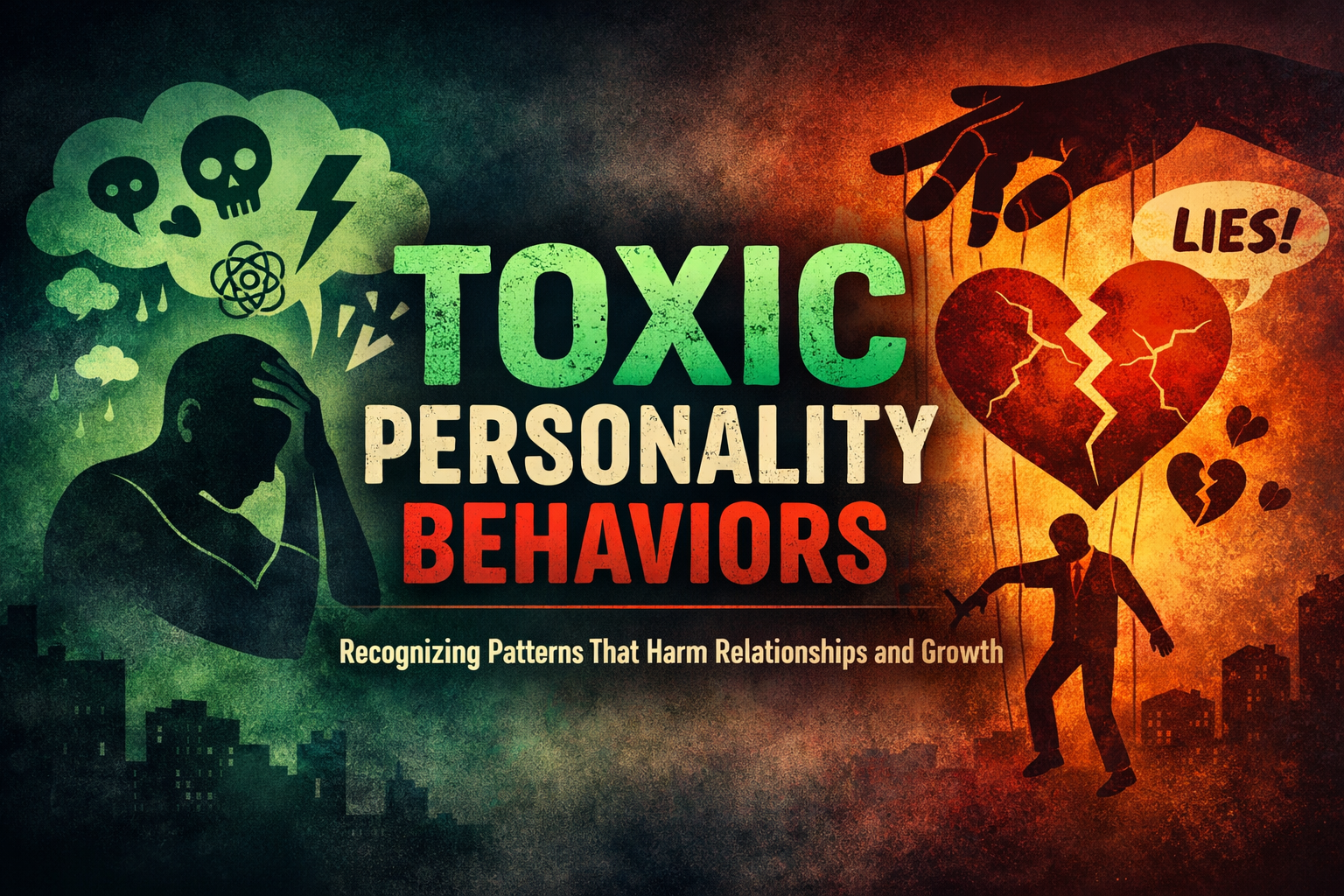
Toxic personality behaviors—such as manipulation, chronic blame-shifting, emotional volatility, boundary violations, and persistent negativity—can disrupt individuals, families, workplaces, and entire community systems. While occasional unhealthy reactions are part of human stress responses, toxicity becomes harmful when these patterns are rigid, repetitive, and resistant to feedback. Managing toxic behaviors requires a layered approach. Self-management strategies help individuals regulate emotions, set boundaries, and avoid reactive escalation. Family support strategies strengthen communication, prevent enabling, and create consistent accountability within the home. Community resource strategies establish broader systems of protection through policies, education, access to counseling, and structured conflict resolution. When these levels work together, the impact of toxic behaviors can be contained, redirected, and, in some cases, transformed into opportunities for growth and accountability.
Toxic Personality Behaviors: Recognizing Patterns That Harm Relationships and Growth
Toxic personality behaviors are persistent patterns of thinking, communicating, and acting that negatively affect relationships, the workplace, and emotional well-being. While everyone can display unhealthy behaviors during stress, toxicity becomes problematic when these patterns are chronic, manipulative, or harmful to others. Understanding these behaviors is not about labeling people—it is about identifying dynamics that erode trust, respect, and psychological safety.
Common Toxic Personality Behaviors
1. Chronic Manipulation
Manipulation involves influencing others through guilt, fear, exaggeration, or deception rather than honest communication. This can include gaslighting, where someone denies another person’s reality to maintain control.
2. Narcissistic Traits
Excessive need for admiration, lack of empathy, entitlement, and hypersensitivity to criticism are hallmark traits often associated with narcissistic tendencies. These behaviors may center conversations and decisions on personal gain at others’ expense.
3. Blame-Shifting
Toxic individuals frequently avoid responsibility. Mistakes are externalized, and others are blamed. This prevents growth and creates conflict within families, teams, or partnerships.
4. Passive-Aggressiveness
Indirect hostility—sarcasm, silent treatment, subtle sabotage—can be more damaging than open disagreement. It undermines trust while avoiding accountability.
5. Chronic Negativity
Persistent pessimism, criticism, and emotional dumping can drain those around them. While expressing struggles is healthy, consistent negativity without solution-seeking becomes corrosive.
6. Boundary Violations
Disregarding personal space, privacy, emotional limits, or professional roles reflects a lack of respect for autonomy.
Why Toxic Behaviors Develop
Toxic behaviors often stem from unresolved trauma, insecure attachment styles, maladaptive coping strategies, or learned family patterns. In addiction medicine, for example, we frequently observe toxic interpersonal dynamics fueled by denial, defensiveness, and emotional dysregulation. Substance use can intensify manipulative or aggressive tendencies, especially when survival of the addiction becomes the primary focus.
However, understanding the origin does not excuse harm. Accountability and change are essential.
The Impact on Mental Health
Exposure to toxic behaviors can contribute to anxiety, depression, low self-esteem, burnout, and emotional exhaustion. In workplaces, it reduces morale and productivity. In families, it creates cycles of mistrust and instability.
Moving Toward Healthier Patterns
Change begins with awareness. Healthy personality functioning includes:
- Emotional regulation
- Empathy
- Accountability
- Respect for boundaries
- Constructive communication
- Willingness to self-reflect
Professional therapy, structured feedback, and supportive environments can help individuals replace toxic behaviors with adaptive coping strategies.
Final Thoughts
Toxic personality behaviors are not fixed identities—they are patterns. With insight, responsibility, and support, individuals can shift from destructive dynamics toward healthier, more respectful ways of relating. Recognizing toxicity is the first step; addressing it with maturity and compassion is the next.
Self-Management Strategies to Handle Toxic Personality Behaviors
Toxic personality behaviors—such as manipulation, chronic criticism, blame-shifting, emotional volatility, or boundary violations—can destabilize relationships and erode emotional well-being. While we cannot control another person’s behavior, we can control our response. Self-management strategies empower individuals to protect their mental health, maintain professionalism, and avoid becoming entangled in destructive interpersonal cycles. Whether in families, workplaces, or recovery environments, structured self-regulation is essential for navigating toxic dynamics effectively.
1. Strengthen Emotional Regulation
Toxic interactions often trigger anger, defensiveness, or anxiety. Practicing emotional regulation reduces reactive responses. Techniques include diaphragmatic breathing, pausing before responding, cognitive reframing, and identifying emotional triggers. In addiction recovery settings, emotional dysregulation is common; structured coping tools such as mindfulness and grounding exercises prevent escalation and impulsive reactions.
2. Establish and Enforce Clear Boundaries
Boundaries define what behavior you will and will not accept. This includes time limits, communication rules, and consequences for disrespect. Assertive statements such as, “I’m willing to discuss this calmly, but I won’t continue if I’m being yelled at,” reinforce limits without hostility. Consistency is critical—boundaries without follow-through invite continued violations.
3. Avoid Engaging in Power Struggles
Toxic personalities often thrive on conflict and control. Refusing to engage in circular arguments or emotional baiting disrupts that pattern. Respond briefly, factually, and without emotional escalation. The “gray rock” method—remaining neutral and non-reactive—can be effective in high-conflict settings.
4. Practice Reality Testing
Gaslighting and manipulation distort perception. Journaling events, seeking trusted outside perspectives, and reviewing objective facts help maintain clarity. In professional environments, documenting interactions protects accountability and reduces self-doubt.
5. Strengthen Self-Concept and Support Systems
Toxic behaviors often undermine confidence. Regular self-reflection, therapy, peer support groups, and mentorship reinforce healthy identity and prevent internalization of criticism. In recovery communities, strong social networks reduce vulnerability to manipulation and relapse triggers.
6. Know When to Disengage
In some situations, limiting contact or exiting the relationship is necessary for safety and well-being. Self-management includes recognizing when a dynamic persists despite efforts to improve communication.
Clinical Perspective
From a behavioral health standpoint, toxic interpersonal patterns frequently intersect with trauma histories, personality disorders, or substance use disorders. While empathy is appropriate, it should not replace self-protection. Effective coping blends compassion with structure.
Conclusion
Self-management is not about winning arguments—it is about maintaining emotional stability, clarity, and integrity in difficult environments. By regulating emotions, setting boundaries, disengaging from manipulation, and strengthening support systems, individuals can protect their mental health and reduce the impact of toxic personality behaviors. Healthy responses shift the focus from controlling others to strengthening oneself.
Family Support Strategies to Handle Toxic Personality Behaviors
Toxic personality behaviors—such as manipulation, chronic criticism, emotional volatility, blame-shifting, or boundary violations—can deeply affect family systems. Unlike workplace relationships, family relationships often have long histories, emotional ties, and shared responsibilities, making disengagement more complex. Effective family support strategies focus not on “fixing” one individual, but on strengthening the entire system through structure, communication, and accountability. Healthy family responses reduce chaos, protect vulnerable members, and promote long-term stability.
1. Establish Clear Family Boundaries
Families must define acceptable behavior collectively. This may include agreements on respectful communication, no yelling during conflicts, financial transparency, and zero tolerance for intimidation. Boundaries should be explicit, written if necessary, and consistently enforced. In households affected by addiction, boundaries may include refusing to provide money, declining to cover up consequences, or requiring treatment engagement before offering certain privileges.
2. Practice Unified Communication
Toxic dynamics often divide family members through triangulation—where one person manipulates others against each other. A united front reduces this pattern. Families benefit from regular meetings where concerns are discussed openly and decisions are made collaboratively. Consistent messaging prevents mixed signals that reinforce unhealthy behavior.
3. Avoid Enabling Patterns
Supporting someone does not mean shielding them from consequences. Enabling—such as excusing harmful behavior, minimizing conflict, or absorbing responsibilities—reinforces toxicity. Healthy support involves compassionate firmness: expressing care while maintaining accountability.
4. Utilize Structured Dialogue Techniques
Communication tools such as “I” statements, reflective listening, and time-outs during escalation reduce defensiveness. For example, “I feel overwhelmed when conversations become heated” is more effective than accusatory language. In families impacted by substance use or personality disorders, structured therapy models like family systems therapy or motivational interviewing can improve outcomes.
5. Protect Vulnerable Members
Children and emotionally sensitive family members require particular protection from toxic behaviors. Clear supervision, emotional validation, and, if necessary, limiting exposure to high-conflict interactions safeguard developmental health.
6. Seek External Support
Family counseling, support groups (such as Al-Anon), pastoral counseling, or community-based resources provide education and neutral guidance. Outside perspectives help families recognize dysfunctional patterns and develop healthier coping strategies.
Clinical Insight
From a behavioral health perspective, toxic personality behaviors often reflect maladaptive coping rooted in trauma, insecurity, or co-occurring mental health conditions. While empathy is important, sustainable change requires consistent boundaries, family cohesion, and professional intervention when necessary.
Conclusion
Families cannot control another person’s behavior, but they can control the structure of their response. By setting clear boundaries, avoiding enabling, maintaining unified communication, and accessing external resources, families create an environment where accountability and healing are possible. Healthy family systems do not tolerate toxicity—they respond with clarity, consistency, and strength.
Community Resource Strategies to Handle Toxic Personality Behaviors
Toxic personality behaviors—such as manipulation, intimidation, chronic conflict, or emotional exploitation—rarely affect only one individual. They influence workplaces, schools, faith communities, healthcare systems, and neighborhoods. While personal boundaries and family support are critical, community-level strategies provide structure, accountability, and prevention. Effective community responses reduce harm, promote psychological safety, and create environments where unhealthy patterns are less likely to persist.
1. Establish Clear Organizational Policies
Workplaces, schools, and community organizations should implement written policies addressing harassment, bullying, intimidation, and unprofessional conduct. Codes of conduct set behavioral expectations and outline consequences. Clear reporting pathways reduce fear of retaliation and encourage early intervention before toxicity escalates.
2. Promote Education and Awareness
Community education on emotional intelligence, conflict resolution, and healthy communication builds preventive resilience. Workshops, continuing education programs, and leadership training can teach individuals how to identify manipulation, gaslighting, and boundary violations. In healthcare and addiction settings, trauma-informed care training improves staff responses to high-conflict personalities without reinforcing dysfunction.
3. Provide Access to Professional Support
Community-based mental health services, employee assistance programs (EAPs), mediation services, and crisis hotlines create safe outlets for individuals impacted by toxic dynamics. Accessible counseling reduces burnout and secondary trauma, especially in high-stress environments like healthcare or recovery programs.
4. Implement Restorative and Accountability Processes
When appropriate, structured mediation or restorative justice models facilitate dialogue, accountability, and repair. These processes focus on behavior change rather than public shaming. However, in cases involving abuse or safety risks, protective and disciplinary actions must take priority.
5. Support Vulnerable Populations
Children, elderly individuals, and those in recovery are particularly vulnerable to toxic influence. Schools and treatment centers can integrate peer-support programs, mentorship, and supervision safeguards to reduce exploitation or manipulation.
6. Foster a Culture of Psychological Safety
Communities that value transparency, mutual respect, and constructive feedback are less tolerant of chronic toxicity. Leadership plays a critical role. Leaders who model accountability, calm communication, and ethical decision-making set the tone for the broader environment.
Behavioral Health Perspective
Toxic behaviors often stem from maladaptive coping, personality pathology, trauma histories, or substance use disorders. While communities cannot diagnose or treat individuals without consent, they can create systems that encourage treatment engagement and discourage harmful conduct. Clear expectations, combined with access to care, promote both accountability and the opportunity for change.
Conclusion
Community resource strategies are not about controlling personalities—they are about building protective systems. Through policy development, education, accessible mental health services, structured accountability, and strong leadership, communities can reduce the impact of toxic personality behaviors. Healthy communities create boundaries at a systems level, ensuring that respect, safety, and integrity remain the standard rather than the exception.
Frequently Asked Questions
Here are some common questions:
1. What are toxic personality behaviors?
Toxic personality behaviors are persistent patterns of thinking, communicating, and acting that harm relationships and emotional well-being. Examples include manipulation, chronic blame-shifting, gaslighting, intimidation, excessive criticism, lack of empathy, and boundary violations. These behaviors become concerning when they are repetitive, rigid, and resistant to feedback.
2. Are toxic behaviors the same as having a personality disorder?
Not necessarily. Many people display unhealthy behaviors during stress. A personality disorder, however, involves enduring and inflexible patterns that significantly impair functioning and relationships. Toxic behaviors can exist without meeting criteria for a clinical diagnosis, though in some cases they may overlap with conditions such as narcissistic, borderline, or antisocial personality disorders.
3. Can toxic personality behaviors change?
Yes, but change requires self-awareness, accountability, and consistent effort. Therapy, coaching, structured feedback, and sometimes treatment for underlying trauma or substance use can improve behavioral patterns. Without acknowledgment of the problem, change is unlikely.
4. What causes toxic personality behaviors?
Contributing factors may include childhood trauma, insecure attachment styles, maladaptive coping mechanisms, learned family dynamics, untreated mental health conditions, or substance use disorders. While these factors provide context, they do not excuse harmful behavior.
5. How do toxic behaviors affect mental health?
Exposure to toxic dynamics can increase anxiety, depression, low self-esteem, emotional exhaustion, and burnout. Chronic stress from high-conflict relationships can also impact physical health, including sleep disruption and cardiovascular strain.
6. How can I protect myself from toxic personality behaviors?
Self-protection strategies include setting firm boundaries, limiting engagement in power struggles, documenting interactions when necessary, strengthening support systems, and seeking professional counseling. In severe cases, reducing or ending contact may be necessary.
7. What is the difference between being assertive and being toxic?
Assertiveness involves clear, respectful communication of needs and boundaries. Toxic behavior involves manipulation, intimidation, or disregard for others’ autonomy. The key difference lies in empathy, respect, and accountability.
8. How do toxic behaviors show up in addiction settings?
In addiction contexts, toxic patterns may include denial, blame-shifting, emotional manipulation, or coercive behaviors used to maintain substance use. Family systems may unintentionally reinforce these patterns by enabling them. Structured treatment and boundary setting are essential.
9. Should families confront toxic behavior directly?
Direct confrontation can be helpful if done calmly, clearly, and with consistent boundaries. However, safety and emotional stability should guide the approach. In high-conflict situations, family therapy or mediation is often more effective than informal confrontation.
10. When is professional help necessary?
Professional support is recommended when toxic behaviors cause significant emotional distress, safety concerns, relationship breakdown, workplace disruption, or when there is co-occurring mental health or substance use involvement.
Conclusion
Toxic personality behaviors do not improve through avoidance, denial, or passive tolerance. Effective management requires clarity, consistency, and structured support across multiple levels. Individuals must strengthen emotional regulation and boundaries through self-management. Families must unify communication and resist enabling patterns. Communities must implement policies, education, and accessible mental health resources that reinforce accountability and psychological safety. While we cannot control another person’s personality, we can control our response and the systems we build around it. Through coordinated self, family, and community strategies, environments become more resilient, respectful, and better able to manage even the most challenging interpersonal dynamics.
Video: How toxic behaviors become your coping mechanism #addiction #awareness
