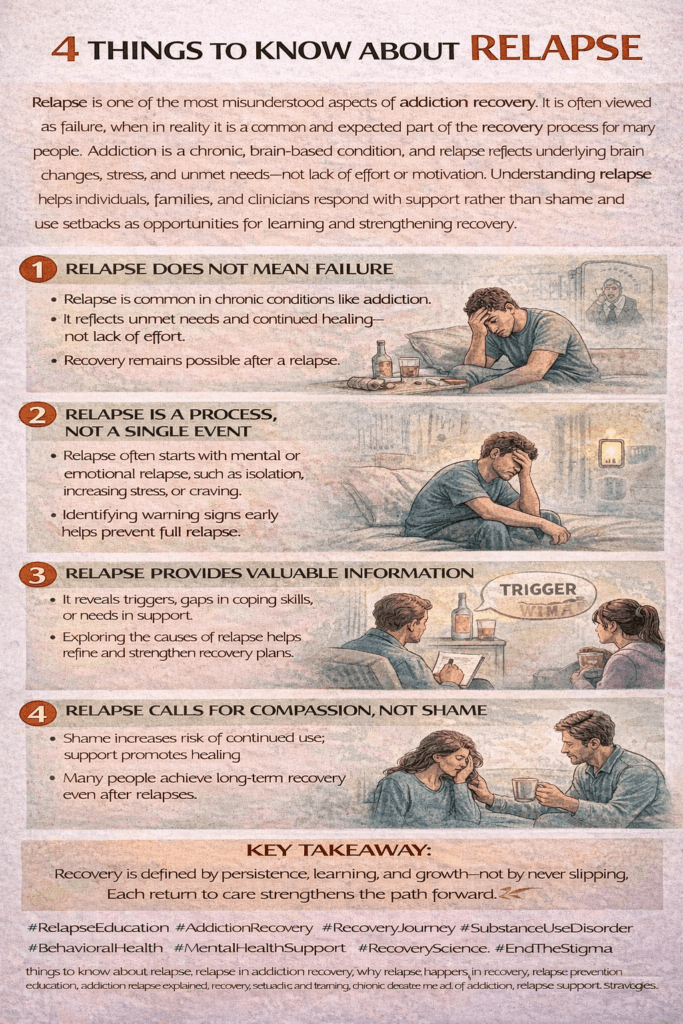
If you’ve ever experienced relapse or supported someone through it, you know how confusing and frustrating it can feel. It’s super common in recovery from substance use, mental health issues, or even habits like smoking or overeating. There’s a lot of misunderstanding about relapse, which only adds pressure and shame. Learning what relapse actually means, why it happens, and how to respond can really change what happens next. I’ve put together four things everyone should know about relapse, along with some practical ideas for moving forward if it happens.
Relapse Is Part of the Recovery Adventure, Not a Failure
The idea that relapse means recovery is over just isn’t true. Millions of people working through recovery hit some form of relapse at least once. Instead of seeing it as the end, it often helps to look at relapse as a chapter in a longer story. The National Institute on Drug Abuse even compares relapse rates in addiction recovery to other chronic illnesses like asthma or diabetes. In both, people can slip up sometimes. The important thing is how we respond next.
Blaming yourself or others for a relapse only makes things more difficult. Recovery is rarely a straight path; most people need a few tries before things start to stick. Instead of feeling defeated, these moments can reveal new triggers or areas that need your attention. For many, one lapse can spark real progress after some honest thinking and reaching out for support.
Everyone’s experience is different. Relapse isn’t a personal failure—it’s just a bump in a much longer ride. Often, people who keep going despite setbacks are the ones who eventually make lasting changes.
Understanding Why Relapse Happens
There’s a whole mix of reasons someone might relapse, and it usually runs deeper than just “willpower.” Here are a few of the common factors that play a role:
- Stress: When life gets overwhelming, old routines can sneak back in as a way to cope. Major switches, such as moving, job changes, or loss, can increase the urge to return to familiar habits, even when we know better.
- People and Places: Certain friends, family members, locations, or events tied to past behavior can be powerful triggers. Even subtle reminders can restart the pattern.
- Negative Emotions: Feeling low, anxious, or restless is tough. If someone hasn’t tracked down new ways to deal with these feelings, old behaviors might seem like the easiest escape.
- Complacency: Sometimes, real progress in recovery can lead to a bit too much confidence. Skipping support meetings or cutting back on healthy routines can quietly let old habits edge back in.
Pinpointing which triggers are the toughest is worth the time. I find journaling, checking in with a therapist, or talking with others who “get it” can really shine a light on cycles before they sneak up again.
Responding to Relapse: Adjusting, Not Quitting
After a relapse, it’s easy to fall into shame or disappointment. I’ve watched friends and clients criticize themselves, thinking it proves they can’t make it. What seems to work better is a more constructive, flexible approach:
- Pause and Reflect: Step back and look at what led to the relapse. Patterns, people, and feelings matter. This isn’t about blame—it’s about making sense of what actually happened so you can try something new.
- Reach Out for Support: Check in with a support group, counselor, or trusted friend. Even when it’s awkward, these conversations often make a world of difference. Most folks in recovery have been there themselves.
- Rebuild Your Plan: Take note of what helped before and what let you down. You might want to mix in more regular check-ins, try fresh coping skills for stress, or build new routines to fill in the gaps.
- Practice Self-Compassion: Be kind to yourself. Treating yourself with patience and acceptance helps build resilience, breaks negative cycles, and makes getting back on track much easier.
Admitting a relapse and course correcting gives you more solid ground for the long haul. Downplaying what happened or getting bogged down by guilt just sets up the next bump in the road.
Prevention: Tools and Strategies That Help
While relapse does happen, plenty of helpful prevention tools are available. Having a plan doesn’t guarantee everything will go smoothly, but it does give you an edge in staying on track. Here are some practical strategies I’ve seen work—either for people or me, I’ve supported:
- Know Your Triggers: Make a simple list of situations, feelings, or people that crank up cravings or temptations. Some keep a “trigger diary” or use apps to quickly note risky moments as they pop up.
- Routine and Structure: A steady daily rhythm fills in the empty spaces where old habits used to live. Just having regular sleep, meals, and some enjoyable activities can calm things down.
- Stress Management: Skills such as deep breathing, mindfulness, and physical activity help you manage stress without falling back on unhelpful patterns. Yoga, daily walks, or listening to guided meditations can be a game-changer.
- Regular Support: Ongoing therapy, group meetings, or texting friends helps keep motivation up and reduces isolation—a big risk factor for relapse.
- Emergency Action Plan: Write out quick steps to take if you feel close to relapse. Knowing who you can call, what distractions work (like going for a walk or calling a friend), and where to get urgent help is reassuring when things get tough.
Practicing these approaches doesn’t mean it will always go perfectly. Still, over time, it makes setbacks less scary and builds confidence. As new patterns lock in, the process gets a little smoother with each try.
Challenges and Lessons in the Recovery Process
The road to lasting change is full of bumps. Even with good tools and intentions, no one’s progress is completely steady. Here are a few challenges that tend to show up after a relapse:
- Lost Confidence: Many people second-guess their ability to recover after falling back. It’s important to remember that everyone’s path has zigs and zags—one slip doesn’t wipe out all your hard work.
- Stigma: Family, friends, or even professionals sometimes don’t react the way you hope. Try to focus on your own goals and reach out to people who actually support you when you need it. Being part of a community helps a lot.
- Rebuilding Trust: If relapse has shaken any close relationships, honest conversations make the biggest difference. Saying you’re sorry and showing your plan for moving forward can help mend things, but don’t rush it. Others may need their own time to process.
- Resisting All-or-Nothing Thinking: Just because one thing goes wrong doesn’t mean everything is lost. One mistake is only a moment in your whole adventure; don’t let it define you or your path.
Recovery is about staying connected, flexible, and hopeful. Owning your choices, learning from each turn, and reaching for help when you need it recharges your hope and motivation. I’ve watched people become even stronger after setbacks—especially if they honestly talk about what’s really happening.
Adding new positive routines or hobbies can also help fill the weekend or evening hours that used to be a source of temptation. Things like volunteering, sports, creative arts, or joining new social groups can distract you in the short term and build ties that support you for years to come.
Frequently Asked Questions
A lot of people I’ve chatted with want clear answers about relapse. Here are some of the most common things folks wonder, along with the answers I share.
Question: Does relapse mean my recovery has failed?
Answer: A single relapse doesn’t erase your progress. Most people learning new habits or leaving old ones behind need a few tries before it sticks. Every effort and each mistake adds up over time, teaching valuable lessons for the future.
Question: How should I talk to loved ones after a relapse?
Answer: Honest, open conversations make a big difference. Admit what happened and ask for support, rather than hiding or pulling away. If family or friends need time to process, that’s okay; healing isn’t instant for anyone involved.
Question: Can therapy or support groups help prevent relapse?
Answer: Therapy and support meetings are both extremely helpful in keeping you focused, building coping skills, and connecting with others who understand. Staying connected with support regularly lowers the risk of relapse.
Question: Are some types of relapse more dangerous than others?
Answer: In cases with alcohol or certain drugs, relapse brings a real risk of overdose because your body’s tolerance may be lower. It’s very important to seek immediate medical help if this happens.
Building Hope and Moving Forward
Steering through relapse takes honesty, patience, and the willingness to try again. There’s no single “right way,” but every effort pushes you closer to your goals. Whether you’re supporting others or standing back up for yourself, know that a relapse doesn’t end your ride. Use what you learn—both good and tough—to shift your next moves and lean on any help you can find. If you’re looking for more info or support, resources like SAMHSA (Substance Abuse and Mental Health Services Administration) or your local health agencies can be a huge help. Recovery is possible, and you aren’t in this alone.
Video: 4 THINGS TO KNOW ABOUT RELAPSE