Xanax addiction is a growing concern as the medication is widely prescribed for anxiety and panic disorders. Although effective when used properly, misuse can lead to dependence, withdrawal symptoms, and difficulty functioning without the drug. Because Xanax affects the central nervous system, rehabilitation typically requires medical supervision and psychological support to safely manage withdrawal and build healthier coping strategies.
Understanding Xanax Addiction
Xanax is a prescription medication commonly used to treat anxiety and panic disorders. It belongs to a class of drugs known as benzodiazepines, which work by slowing down activity in the brain to produce a calming effect. While Xanax can be effective when used as prescribed, it also has a high potential for dependence and misuse. Over time, individuals may develop tolerance, meaning they need higher doses to achieve the same effect. This can lead to physical and psychological dependence.
Xanax addiction can develop when the medication is used more frequently or in higher doses than prescribed. Individuals may begin relying on the drug to cope with stress, anxiety, or emotional difficulties. As dependence grows, stopping the medication suddenly can cause withdrawal symptoms such as anxiety, insomnia, irritability, and physical discomfort.
Recognizing the Signs of Xanax Addiction
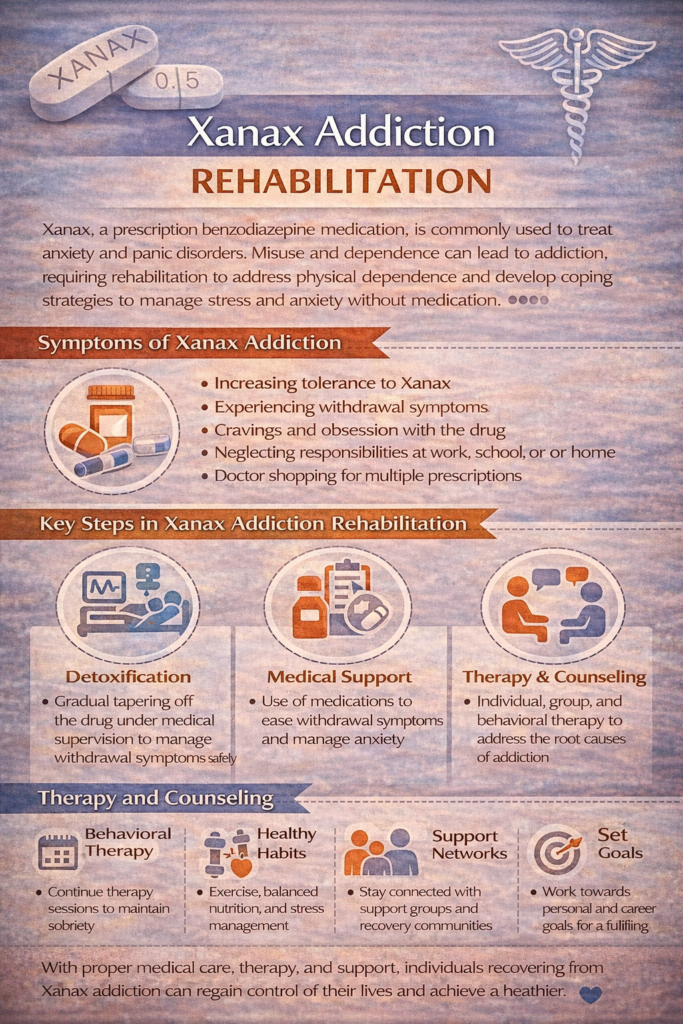
Identifying addiction early can help individuals seek treatment before the problem becomes more severe. Common signs of Xanax addiction may include:
- Taking Xanax in larger amounts or for longer periods than prescribed
- Feeling unable to function normally without the medication
- Experiencing strong cravings for the drug
- Doctor shopping or seeking multiple prescriptions
- Withdrawal symptoms when attempting to stop using Xanax
- Neglecting responsibilities at work, school, or home
When these symptoms begin interfering with daily life, professional rehabilitation may be necessary.
The Role of Rehabilitation Programs
Rehabilitation programs are designed to help individuals safely stop using Xanax and develop healthier coping strategies. Because benzodiazepines affect the central nervous system, medical supervision is often required during the withdrawal process. Sudden discontinuation can be dangerous, so healthcare providers typically use a gradual tapering approach to reduce the dosage safely.
Rehabilitation programs often combine medical care with psychological support to address both the physical and emotional aspects of addiction.
Detoxification and Medical Support
The first step in many rehabilitation programs is medical detoxification. During detox, healthcare professionals monitor withdrawal symptoms and gradually reduce the medication dosage. This process helps minimize discomfort and reduces the risk of complications.
Medical professionals may also provide medications or supportive treatments to help manage withdrawal symptoms such as anxiety, insomnia, or agitation.
Therapy and Counseling
Therapy is a central component of Xanax addiction rehabilitation. Individual counseling helps individuals explore the underlying factors that contributed to their addiction, such as stress, trauma, or untreated mental health conditions. Cognitive Behavioral Therapy (CBT) is commonly used to help individuals identify harmful thought patterns and develop healthier coping strategies.
Group therapy and peer support groups can also be beneficial. These settings allow individuals to share experiences, build supportive relationships, and learn from others who are working toward recovery.
Building Long-Term Recovery
Successful rehabilitation extends beyond detox and initial treatment. Long-term recovery often involves lifestyle changes, ongoing therapy, and supportive relationships. Individuals may benefit from developing stress management techniques, practicing mindfulness, and engaging in healthy activities that support emotional well-being.
Family involvement can also strengthen recovery by improving communication and creating supportive home environments.
Moving Toward Healing
Xanax addiction can be challenging, but recovery is possible with the right treatment and support. Rehabilitation programs provide individuals with the medical care, therapeutic guidance, and community support needed to regain control of their lives.
By addressing both the physical dependence and the emotional factors contributing to addiction, individuals can develop healthier coping strategies and build a stable foundation for long-term recovery.
Self-Management Strategies for Xanax Addiction Rehabilitation
Understanding Self-Management in Recovery
Rehabilitation from Xanax addiction is a process that often requires both professional treatment and personal commitment. While medical detoxification and therapy provide essential support, self-management strategies play an important role in maintaining recovery and preventing relapse. Self-management involves actively monitoring behaviors, developing healthy coping skills, and building routines that support physical and emotional well-being.
By taking responsibility for daily habits and personal growth, individuals in recovery can strengthen their ability to manage stress, regulate emotions, and maintain long-term sobriety.
Developing Self-Awareness
A key step in self-management is building awareness of the thoughts, emotions, and situations that may trigger cravings or anxiety. Many individuals initially begin using Xanax to manage stress or panic symptoms. Recognizing these triggers helps individuals identify early warning signs and respond with healthier coping strategies.
Self-reflection techniques such as journaling, mindfulness practices, or regular self-check-ins can help individuals monitor their emotional state and understand patterns that may influence substance use.
Establishing Healthy Routines
Daily structure can provide stability during recovery. Establishing consistent routines for sleep, meals, work, and physical activity helps regulate the body and reduce stress levels. Regular schedules also limit idle time, which can sometimes increase cravings or negative thoughts.
Healthy routines may include exercise, balanced nutrition, adequate rest, and participation in positive activities that support personal development and well-being.
Learning Stress Management Techniques
Stress and anxiety are common triggers for benzodiazepine misuse. Developing alternative methods for managing stress is essential for long-term recovery. Techniques such as deep breathing, meditation, progressive muscle relaxation, and yoga can help individuals calm their nervous system and manage difficult emotions without relying on medication.
Over time, these strategies can strengthen resilience and improve emotional regulation.
Setting Personal Goals
Goal-setting can help individuals stay focused and motivated throughout the rehabilitation process. Short-term goals might include attending therapy sessions, maintaining healthy routines, or practicing coping strategies during stressful situations. Long-term goals may involve rebuilding relationships, pursuing education or career opportunities, and improving overall well-being.
Tracking progress toward these goals reinforces a sense of accomplishment and encourages continued commitment to recovery.
Building Support Networks
Although self-management emphasizes personal responsibility, recovery rarely occurs in isolation. Support networks provide encouragement, accountability, and guidance throughout the rehabilitation journey. Trusted family members, friends, therapists, and peer recovery groups can all help maintain motivation and emotional support.
Regular communication with supportive individuals helps reinforce positive behaviors and provides assistance when challenges arise.
Practicing Accountability and Relapse Prevention
Self-management also includes creating strategies to prevent relapse. Individuals may benefit from identifying high-risk situations, avoiding environments associated with substance use, and developing action plans for moments when cravings occur.
Accountability tools such as habit trackers, recovery journals, or regular check-ins with counselors can help individuals stay committed to their recovery goals.
Moving Forward in Recovery
Recovery from Xanax addiction is a gradual process that requires patience, commitment, and continuous self-improvement. By developing self-awareness, managing stress effectively, maintaining healthy routines, and building strong support systems, individuals can strengthen their recovery and regain control over their lives.
Self-management strategies empower individuals to take an active role in their rehabilitation, promoting resilience and long-term well-being. With dedication and the right support, lasting recovery is possible.
Family Support Strategies in Xanax Addiction Rehabilitation
Understanding the Role of Family in Recovery
Rehabilitation from Xanax addiction is often more successful when individuals have strong family support. Addiction can affect not only the person using the medication but also family relationships, trust, and emotional stability within the household. Families who actively participate in the recovery process can provide encouragement, accountability, and emotional support that help individuals stay committed to rehabilitation.
Family involvement helps create a supportive environment where individuals feel understood and motivated to continue working toward recovery.
Promoting Open Communication
Open and honest communication is one of the most important strategies families can use during rehabilitation. Individuals recovering from Xanax addiction may experience feelings of guilt, shame, or fear about discussing their struggles. When families listen without judgment and express empathy, it becomes easier for the individual to share their experiences and challenges.
Constructive conversations allow families to discuss recovery goals, expectations, and concerns while strengthening trust and understanding.
Educating Family Members About Addiction
Understanding how Xanax addiction develops can help families respond with compassion rather than frustration. Learning about the physical and psychological effects of benzodiazepine dependence allows family members to better understand withdrawal symptoms, emotional changes, and the challenges of rehabilitation.
Education can also help families recognize signs of relapse and identify ways to support their loved one in maintaining healthy behaviors.
Encouraging Professional Treatment
Families play an important role in encouraging individuals to seek professional treatment when necessary. Rehabilitation programs, counseling services, and medical supervision are often essential components of recovery from benzodiazepine addiction.
Family members can assist by helping schedule appointments, providing transportation to treatment sessions, or encouraging participation in therapy and support groups.
Establishing Healthy Boundaries
While family support is essential, it is also important to establish healthy boundaries. Boundaries help protect both the individual in recovery and family members from behaviors that may hinder progress.
Examples of healthy boundaries may include expectations related to medication use, participation in treatment programs, and accountability for recovery goals. Consistent boundaries help create structure and reinforce responsibility during rehabilitation.
Offering Emotional Support and Encouragement
Recovery from Xanax addiction can involve difficult emotional and physical challenges, especially during withdrawal and the early stages of treatment. Family members who offer patience, encouragement, and reassurance can help individuals remain motivated during these challenging periods.
Celebrating progress, acknowledging efforts, and providing emotional reassurance reinforce the individual’s commitment to recovery.
Participating in Family Therapy
Family therapy can be a valuable component of addiction rehabilitation. These sessions allow families to address communication difficulties, rebuild trust, and develop healthier relationship dynamics. Therapists can also provide guidance on how families can best support recovery while maintaining their own emotional well-being.
Family therapy helps strengthen relationships and promotes a collaborative approach to recovery.
Building a Supportive Home Environment
Creating a stable and supportive home environment is essential for long-term recovery. Families can support rehabilitation by encouraging healthy routines, reducing stress, and promoting positive activities that promote mental health.
A supportive home environment helps individuals focus on healing and developing new habits that promote long-term sobriety.
Moving Forward Together
Xanax addiction rehabilitation is often a journey that involves both the individual and their loved ones. Families who provide understanding, education, communication, and encouragement can play a vital role in supporting recovery.
Through patience, compassion, and active involvement, families help create the foundation for lasting change. When individuals feel supported and valued by their loved ones, they are more likely to maintain motivation and continue building healthier, substance-free lives.
Community Resource Strategies in Xanax Addiction Rehabilitation
The Importance of Community Support in Recovery
Recovery from Xanax addiction often requires more than individual effort or family support. Communities play a critical role in providing accessible resources, treatment programs, and supportive environments that help individuals rebuild their lives. Community resource strategies focus on connecting individuals with services that address both the medical and social aspects of addiction recovery.
Strong community networks can reduce stigma, increase access to treatment, and promote long-term recovery by ensuring that individuals have multiple sources of support.
Expanding Access to Community Treatment Services
Community health clinics, mental health centers, and addiction treatment facilities often serve as the first point of contact for individuals seeking help. These centers may provide medical detox services, counseling, and referrals to specialized rehabilitation programs.
Communities can strengthen recovery support by expanding access to affordable treatment options, including sliding-scale counseling services and outpatient rehabilitation programs. Increased access allows individuals to receive care regardless of financial limitations.
Supporting Peer Recovery Programs
Peer support programs are valuable community resources for individuals recovering from Xanax addiction. These programs allow people who have experienced addiction to support others who are currently working toward recovery.
Peer-led groups create safe spaces where individuals can share their experiences, discuss challenges, and learn practical strategies for maintaining sobriety. Community centers, churches, and nonprofit organizations often host these meetings, making them accessible to individuals seeking ongoing support.
Developing Community Resource Networks
Effective rehabilitation strategies often involve collaboration between different organizations within the community. Hospitals, counseling centers, social service agencies, and nonprofit organizations can work together to develop coordinated networks of recovery resources.
These partnerships allow individuals to move more easily between services such as medical care, counseling, housing support, and employment assistance. Integrated support systems help address the many challenges individuals may face during recovery.
Promoting Education and Public Awareness
Community education programs can help reduce stigma and encourage individuals to seek help for Xanax addiction. Public awareness campaigns, workshops, and educational seminars provide information about the risks of benzodiazepine misuse and the importance of treatment.
When communities openly discuss addiction and recovery, individuals may feel more comfortable reaching out for support and accessing available resources.
Providing Social and Lifestyle Support Programs
Recovery often involves rebuilding healthy lifestyles and social connections. Community programs that promote wellness activities, job training, volunteer opportunities, and recreational events can help individuals develop positive routines and strengthen social relationships.
These activities provide meaningful alternatives to substance use and support individuals as they reintegrate into their communities.
Encouraging Community Collaboration
Successful community resource strategies rely on cooperation between healthcare providers, government agencies, nonprofit organizations, and local leaders. By sharing knowledge and resources, communities can create comprehensive recovery programs that address both immediate treatment needs and long-term support.
Collaborative efforts ensure that individuals recovering from Xanax addiction have access to a wide range of services that promote stability and well-being.
Strengthening Recovery Through Community Support
Community involvement plays a powerful role in helping individuals maintain recovery from Xanax addiction. Accessible treatment programs, peer support networks, educational initiatives, and wellness activities all contribute to a supportive environment where recovery is possible.
When communities work together to provide compassionate and comprehensive support systems, individuals are better equipped to overcome addiction and build healthier, more fulfilling lives.
Frequently Asked Questions
Here are some common questions:
1. What is Xanax addiction?
Xanax addiction occurs when a person becomes physically or psychologically dependent on the medication. Although Xanax is prescribed to treat anxiety and panic disorders, misuse or long-term use can lead to tolerance, dependence, and addiction.
2. How does someone become addicted to Xanax?
Addiction can develop when Xanax is taken in larger amounts, more frequently, or for longer periods than prescribed. Over time, the body may rely on the medication to function normally, leading to physical dependence and withdrawal symptoms when the drug is reduced or stopped.
3. What are common signs of Xanax addiction?
Signs of Xanax addiction may include:
- Taking higher doses than prescribed
- Feeling unable to function without the medication
- Experiencing withdrawal symptoms when stopping
- Cravings for Xanax
- Doctor shopping for multiple prescriptions
- Neglecting responsibilities due to drug use
Recognizing these signs early can help individuals seek treatment sooner.
4. What is Xanax addiction rehabilitation?
Rehabilitation is a structured treatment process designed to help individuals safely stop using Xanax and address the underlying causes of addiction. Rehabilitation programs often include medical detox, therapy, counseling, and long-term recovery support.
5. Why is medical supervision important during detox?
Because Xanax affects the central nervous system, suddenly stopping the medication can cause severe withdrawal symptoms, including anxiety, insomnia, seizures, or panic attacks. Medical supervision ensures that the drug is gradually tapered and withdrawal symptoms are managed safely.
6. What therapies are used during rehabilitation?
Common therapies used in Xanax addiction rehabilitation include:
- Cognitive Behavioral Therapy (CBT)
- Individual counseling
- Group therapy
- Stress and anxiety management training
These therapies help individuals understand the causes of addiction and develop healthier coping skills.
7. How long does rehabilitation take?
The length of rehabilitation varies depending on the severity of the addiction and individual needs. Detox may last several days to a few weeks, while therapy and recovery programs can continue for several months or longer to support long-term sobriety.
8. Can family members help during rehabilitation?
Yes. Family support can play an important role in recovery. Families can encourage treatment, participate in family therapy sessions, and provide emotional support that helps individuals remain motivated throughout the rehabilitation process.
9. Is long-term recovery possible?
Yes. Many individuals successfully recover from Xanax addiction with proper treatment, ongoing therapy, and strong support systems. Recovery often involves lifestyle changes, stress management strategies, and continued participation in counseling or support groups.
10. Where can someone find help for Xanax addiction?
Help can be found through:
- Addiction treatment centers
- Mental health professionals
- Community health clinics
- Recovery support groups
- Medical providers who specialize in addiction treatment
These resources provide guidance and support for individuals seeking recovery.
Conclusion
Rehabilitation from Xanax addiction is a complex but achievable process that involves medical care, therapeutic support, and long-term lifestyle changes. Effective recovery often includes supervised detoxification, counseling, behavioral therapy, and strong support systems from family and community resources. With proper treatment and ongoing commitment, individuals can regain control of their lives and learn healthier ways to manage anxiety and stress without relying on medication. By increasing awareness and access to rehabilitation services, individuals affected by Xanax addiction can find the guidance and support needed to build a stable and lasting recovery.
Video: This Is How Long Xanax Recovery Actually Takes #addiction #mentalhealth #real