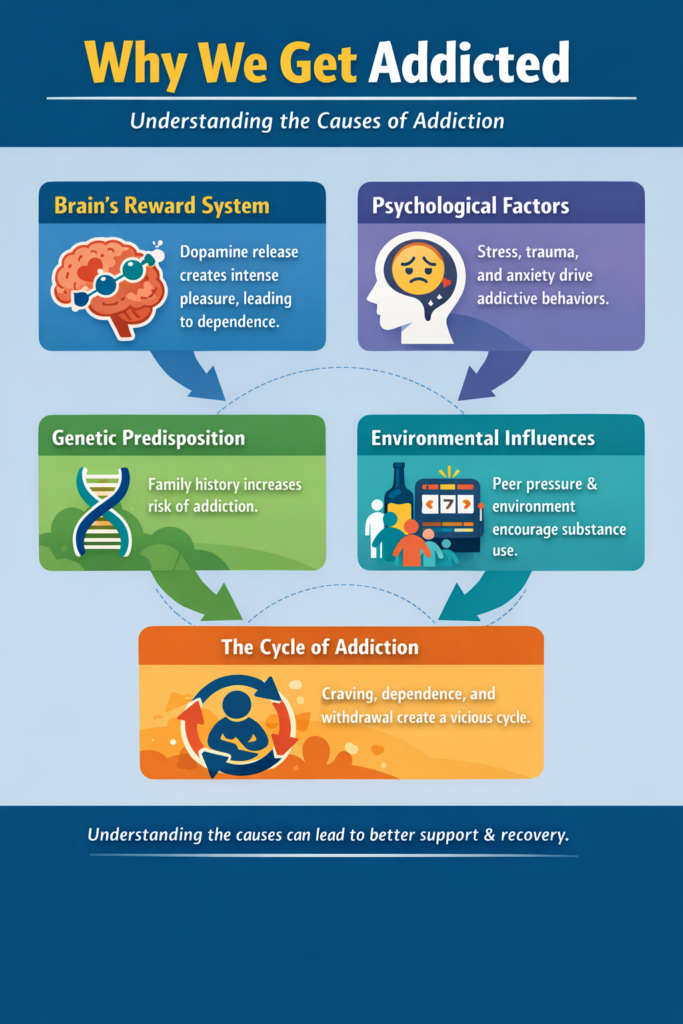
Addiction is a complex and multifaceted condition that affects millions of individuals worldwide. It is often misunderstood, with many people viewing it as a result of poor choices or lack of willpower. However, the truth is much more complicated. Addiction can be caused by a variety of factors, including biological, psychological, and environmental influences. From the brain’s reward system to genetic predispositions, addiction is a product of intricate processes that shape our behaviors. Understanding why we get addicted is essential not only for breaking the cycle of addiction but also for fostering empathy and creating a more supportive environment for those in need of help.
Understanding Addiction: Why We Get Hooked
Why We Get Addicted: The Science Behind the Habit
Addiction is a complex phenomenon, often misunderstood, but with deep biological, psychological, and social roots. Whether it’s substance abuse, gambling, or even technology, addiction doesn’t happen overnight. It evolves through a combination of genetic predisposition, environmental factors, and the way our brain’s reward system operates. But why do we get addicted?
1. The Brain’s Reward System
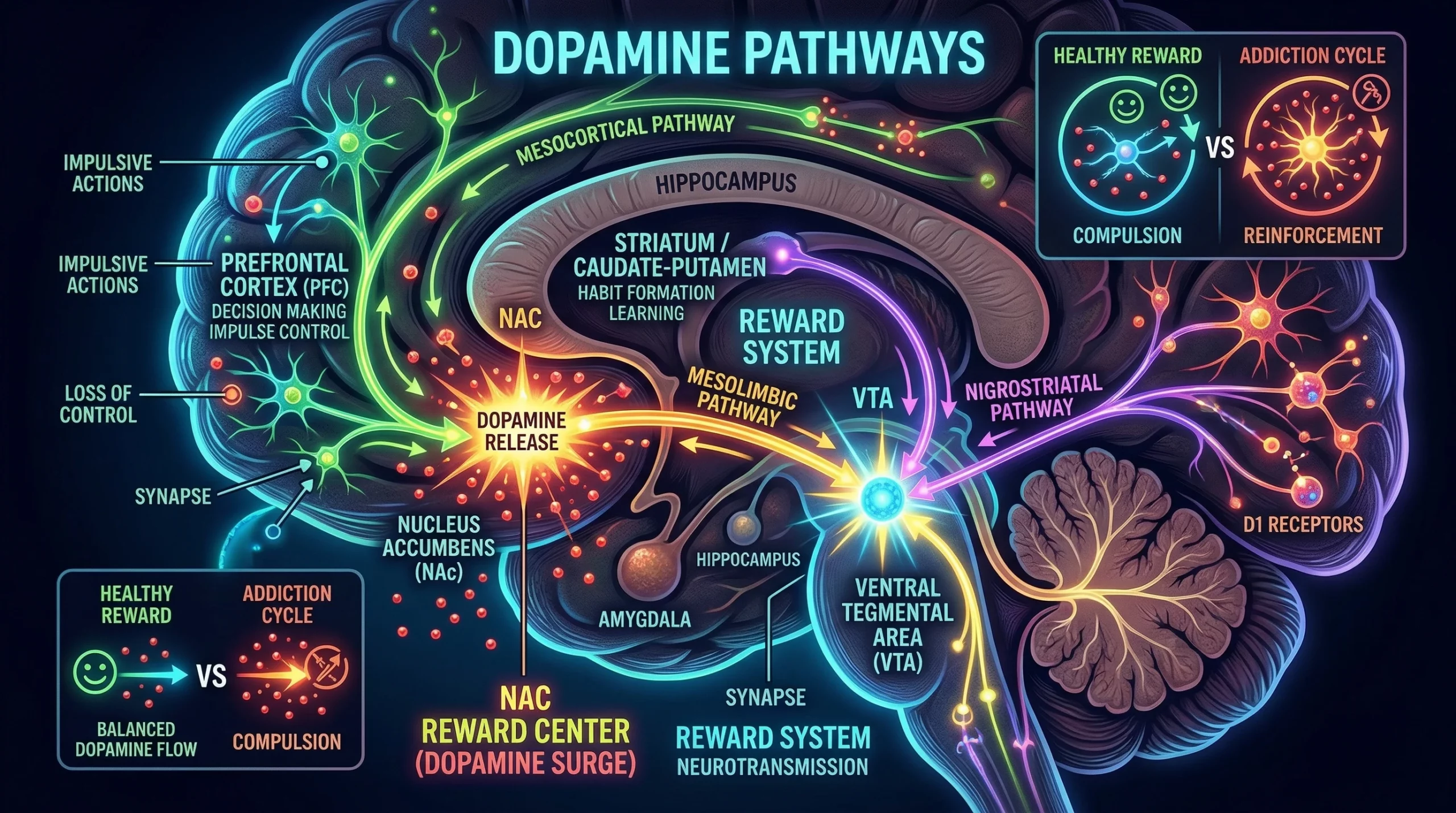
At the heart of addiction is the brain’s reward system, which includes structures like the nucleus accumbens and dopamine pathways. These parts of the brain are responsible for producing pleasure when we engage in activities essential for survival, such as eating or socializing. However, addictive substances or behaviors hijack this system.
When we take drugs, for instance, our brain releases dopamine in large amounts, creating a feeling of intense pleasure. Over time, the brain comes to rely on these external sources of dopamine to feel good, and normal activities no longer trigger the same level of satisfaction. This “dopamine deficit” leads individuals to seek out the addictive substance or behavior repeatedly.
2. Psychological Factors
Apart from the brain’s biology, psychological elements also play a major role. People may turn to substances or behaviors as a way to cope with stress, anxiety, or trauma. For some, addiction becomes a means of self-medication to escape overwhelming feelings or difficult life circumstances.
Certain mental health conditions, such as depression, anxiety, and PTSD, can increase vulnerability to addiction. As a result, those with these conditions may use addictive behaviors as a way to alleviate symptoms temporarily, reinforcing the cycle of addiction.
3. Genetic Predisposition
Genetics can make some individuals more susceptible to addiction. Studies have shown that people with a family history of addiction are more likely to develop similar issues themselves. This suggests that addiction has a hereditary component, influencing how the brain processes rewards and how prone it is to developing dependence.
While genetics doesn’t guarantee addiction, it can make certain individuals more vulnerable. It’s important to understand that genetics alone are not the deciding factor — environment and personal choices also play a significant role.
4. Social and Environmental Influences
The environment in which we live can heavily impact the likelihood of addiction. Peer pressure, family dynamics, and cultural factors can contribute to behaviors that encourage substance abuse or other addictive habits. For instance, individuals raised in homes where substance use is normalized may be more likely to experiment with and develop addictions themselves.
Additionally, stressors such as unemployment, poverty, or social isolation can lead to addictive behaviors as people look for ways to cope with these challenges.
5. The Cycle of Addiction
Once an individual begins using a substance or engaging in a behavior that produces pleasurable effects, they are at risk of developing a habit. Over time, this habit can turn into a dependency, where the body and brain become physically and psychologically reliant on the substance or behavior. The constant search for the next high or sense of relief becomes an obsession, leading to the compulsion to continue despite negative consequences.
Addiction can lead to significant damage to one’s physical health, relationships, and overall well-being. Yet the brain’s ability to process rewards is so powerful that it can make quitting feel impossible, even when the individual is fully aware of the harmful consequences.
6. Breaking the Cycle
Understanding why we get addicted is the first step toward breaking the cycle. Treatment for addiction often includes a combination of behavioral therapies, medications, and support systems. These approaches focus on helping individuals manage cravings, cope with triggers, and develop healthier ways of living.
Ultimately, the key to overcoming addiction lies in treating the root causes, rather than simply addressing the symptoms. Through patience, support, and professional help, recovery is possible.
Conclusion
Addiction is not a simple choice; it’s a complex interplay of biology, psychology, and environment. By understanding the reasons behind addiction, we can better support those affected and reduce the stigma surrounding this challenging issue.
Mastering Self-Management: Understanding and Overcoming Addiction
Self-Management Strategies to Understand and Overcome Addiction
Addiction is a multi-faceted issue that often feels like an insurmountable challenge. Whether it’s addiction to substances, habits, or behaviors, it can seem as if the cycle is impossible to break. However, the key to overcoming addiction lies in understanding it — and one of the most powerful ways to do that is through self-management strategies. By gaining insight into why we get addicted and adopting strategies to regulate our behaviors, we can reclaim control over our lives.
Here are some self-management strategies to help us better understand addiction and move toward a healthier, more balanced life:
1. Self-Reflection and Awareness
The first step toward managing addiction is to develop awareness. Often, addiction sneaks up on us, and by the time we realize it, it’s already taken root. Self-reflection helps us recognize the signs early and understand why certain behaviors, substances, or activities trigger feelings of pleasure or relief.
Take time to assess your habits. Ask yourself:
- When do you feel the urge to indulge in the addictive behavior?
- How does it make you feel before, during, and after engaging in the behavior?
- What emotions or circumstances are driving you to seek out the addiction?
Being honest with yourself about the triggers and underlying emotional needs is essential for beginning the process of self-management.
2. Goal Setting and Motivation
Setting clear, achievable goals can significantly improve self-management when it comes to addiction. Break down larger objectives (e.g., overcoming addiction) into smaller, manageable steps. Each step forward, no matter how small, should be celebrated as a victory.
Setting goals helps give you a sense of direction and motivation to stay on track. For instance, if you’re trying to quit smoking, a realistic goal could be reducing the number of cigarettes you smoke daily. As you achieve smaller goals, the sense of accomplishment can further motivate you to stay focused.
3. Developing Healthy Coping Mechanisms
Addiction often develops as a way to cope with negative emotions like stress, anxiety, and boredom. One of the best self-management strategies is replacing the addictive behavior with healthier alternatives. Exercise, meditation, deep breathing, and journaling are great ways to manage stress without resorting to substances or other harmful habits.
When you feel the urge to engage in addictive behaviors, try redirecting that energy into something constructive. Going for a walk, practicing mindfulness, or calling a friend for support can help break the cycle.
4. Building Emotional Resilience
Understanding addiction isn’t just about managing behaviors — it’s about addressing the emotions and thought patterns that fuel those behaviors. Building emotional resilience means learning how to handle difficult emotions without turning to substances or harmful habits as a form of escape.
Start practicing emotional regulation techniques. These could include:
- Mindfulness meditation: Stay present and observe your emotions without judgment.
- Cognitive Behavioral Therapy (CBT): Challenge negative thoughts that trigger addictive behavior and replace them with healthier, more rational thoughts.
- Gratitude exercises: Shift your focus from what you lack to what you have to foster a sense of contentment and well-being.
Developing emotional resilience enables you to better manage life’s ups and downs, reducing the likelihood of turning to addictive behaviors when life becomes overwhelming.
5. Tracking Progress and Accountability
Accountability is a powerful tool in self-management. Whether you’re struggling with addiction or working on any personal goal, tracking your progress provides both motivation and a reality check. Write down your goals, note when you experience setbacks, and celebrate small wins. Reflect on what triggers your addiction and learn from those experiences.
In addition to self-tracking, having an accountability partner can make a huge difference. Sharing your goals with someone you trust — whether it’s a friend, family member, or professional — gives you extra support and helps you stay committed to your path.
6. Seeking Support and Professional Help
While self-management strategies are incredibly important, addiction can be difficult to overcome alone. Don’t hesitate to reach out for professional support when necessary. This could mean seeing a therapist, joining a support group, or seeking medical help. Therapies like Cognitive Behavioral Therapy (CBT), dialectical behavior therapy (DBT), or Motivational Interviewing (MI) can help you identify the root causes of addiction, break unhealthy patterns, and develop new coping strategies.
Support groups such as Alcoholics Anonymous (AA) or Narcotics Anonymous (NA) provide an environment of understanding, where you can connect with others who share similar experiences and struggles.
7. Building a Supportive Environment
The environment you surround yourself with plays a significant role in addiction. If you’re constantly exposed to triggers, it’s much harder to manage your behaviors. Therefore, one key self-management strategy is to create a supportive and positive environment.
This can include:
- Avoiding situations or people that encourage addictive behaviors.
- Surround yourself with positive, supportive individuals who encourage your goals.
- Engaging in activities that promote health, wellness, and personal growth.
A nurturing environment gives you the strength to resist temptation and continue working toward recovery.
Conclusion: The Journey to Understanding and Overcoming Addiction
Addiction is a complex issue that requires deep self-understanding and consistent effort. Through self-management strategies such as self-reflection, goal setting, developing healthy coping mechanisms, and building emotional resilience, we can begin to break free from addiction’s grip. But, it’s important to remember that overcoming addiction isn’t about perfection — it’s about progress, patience, and persistence. If you ever find yourself struggling, don’t hesitate to reach out for professional help. You are not alone, and there is always hope for recovery.
By implementing these self-management strategies, we can begin to understand why we get addicted and take control of our behaviors for a healthier future.
The Role of Family Support in Understanding and Overcoming Addiction
Family Support Strategies to Understand and Overcome Addiction
Addiction is often a journey not just for the individual struggling with it, but also for the family members and loved ones who are impacted by it. While addiction can be isolating, family support plays a crucial role in both understanding the root causes of addiction and helping the person through the recovery process. Addiction is complex, but with the right approach, families can become a powerful force in the healing journey. Here’s how family support strategies can aid in understanding and overcoming addiction.
1. Understanding Addiction Together
One of the most important steps in supporting a loved one through addiction is educating yourself and your family members about the condition. Addiction is not simply a matter of willpower; it’s influenced by genetic, psychological, and environmental factors that shape behavior. Families who understand that addiction is a disease rather than a moral failing are better equipped to offer empathy and support.
Encourage open conversations about addiction within the family. Share resources, attend educational sessions, or even invite a professional to speak with the family. When everyone understands that addiction is complex, they’re more likely to respond with compassion rather than judgment, which can help reduce feelings of shame or guilt in the person struggling with addiction.
2. Offering Emotional Support Without Enabling
Emotional support is a critical element in recovery, but families must strike a delicate balance between offering help and enabling unhealthy behaviors. Enabling occurs when family members unintentionally assist the addicted person in continuing their destructive patterns, often out of a desire to protect them.
To avoid enabling:
- Set clear boundaries: Express what is and isn’t acceptable in terms of behavior. Make sure that any help provided doesn’t reinforce the addiction (such as giving money for drugs or alcohol).
- Offer encouragement and unconditional love: Reinforce that you care about them and are there to support their recovery, but emphasize that real change comes from within.
- Avoid rescuing: While it’s natural to want to help, it’s important not to shield the individual from the consequences of their actions. Sometimes, facing those consequences can be the turning point in recovery.
3. Fostering Open Communication
For a family to be truly supportive, it must foster an environment that encourages open, honest communication. The person struggling with addiction needs to feel safe and understood when sharing their thoughts and feelings.
To promote open communication:
- Listen without judgment: Instead of offering advice right away, listen to their feelings and concerns. Create a safe space where they can express themselves without fear of being judged or criticized.
- Be patient: Addiction recovery is a process that takes time. Avoid pressuring the person to open up before they’re ready. Let them know you’re there whenever they need to talk.
- Share your own feelings: It’s not just about supporting the person with the addiction but also expressing how their behavior affects you. Keep the conversation respectful and avoid blaming language. For example, saying, “I feel concerned when I see you using substances” is more effective than, “You’re always doing this and ruining our family.”
4. Encouraging Treatment and Professional Help
Addiction is a chronic condition that often requires professional treatment. As much as family members want to help, they aren’t equipped to provide the kind of therapeutic care that someone struggling with addiction needs.
Encourage your loved one to seek professional help. This could include:
- Therapy: Cognitive Behavioral Therapy (CBT), Motivational Interviewing (MI), or family therapy can address the psychological aspects of addiction.
- Support groups: Groups like Alcoholics Anonymous (AA), Narcotics Anonymous (NA), or SMART Recovery provide support from others who are experiencing similar challenges.
- Inpatient or outpatient rehab: Depending on the severity of the addiction, professional rehabilitation programs can offer the structure and support necessary for recovery.
While family members can encourage and support treatment, it’s important to understand that the person struggling with addiction needs to be ready and willing to take that first step.
5. Supporting Healthy Habits and Routines
Addiction often takes over a person’s life, disrupting their routines, relationships, and overall well-being. As a family, you can help your loved one create new, healthier routines that support recovery.
Encourage activities that promote well-being, such as:
- Exercise: Physical activity can help boost mood and reduce stress, which are vital to the recovery process.
- Mindfulness and meditation: Practices that reduce anxiety and promote emotional well-being can help the individual manage cravings and triggers.
- Healthy eating: Nutrition plays a role in overall health and recovery, so helping your loved one adopt a balanced diet can support their mental and physical health.
By participating in these activities together, you can foster a sense of unity and shared purpose within the family.
6. Creating a Stable and Supportive Environment
A stable and nurturing environment can make a world of difference in recovery. Families should strive to create an atmosphere where the individual feels safe, supported, and encouraged to focus on their healing. This includes minimizing stressors that might trigger cravings or relapse.
Some ways to help create a supportive environment:
- Clear expectations and boundaries: Make sure that everyone in the household understands what behaviors are acceptable and what the consequences are for crossing those boundaries.
- Provide structure: Help your loved one create a daily routine that includes time for self-care, therapy, work, and leisure activities.
- Offer positivity: Surround the individual with positive influences and activities that promote a healthy, drug-free lifestyle.
7. Taking Care of Yourself
Supporting a loved one through addiction recovery can be exhausting, both emotionally and physically. It’s important for family members to prioritize their own mental health and well-being as well.
Some ways to practice self-care:
- Seek support for yourself: Consider joining a support group for families of people with addiction, such as Al-Anon or Nar-Anon. These groups provide a safe space for family members to share their experiences and gain strength from others in similar situations.
- Set boundaries: It’s essential to protect your own mental health and avoid becoming overly involved in the person’s recovery journey.
- Practice self-compassion: Understand that you cannot control someone else’s behavior, and it’s okay to take a step back when needed. Show yourself the same compassion you offer your loved one.
Conclusion: The Power of Family Support in Addiction Recovery
Addiction is not something anyone can overcome alone, and the support of family members is a key factor in the recovery process. Through understanding, emotional support, setting healthy boundaries, encouraging treatment, and fostering a stable environment, families can provide the foundation for long-term healing.
While it can be challenging, supporting a loved one through addiction is a powerful way to demonstrate love, compassion, and hope. By working together and supporting each other, families can help individuals break free from the grip of addiction and build a brighter, healthier future.
Community Resources: A Pathway to Understanding and Overcoming Addiction
Community Resource Strategies to Understand and Overcome Addiction
Addiction is not just an individual struggle; it affects families, communities, and society at large. Understanding why we get addicted and how we can overcome it requires collective effort — one that goes beyond personal willpower and taps into the supportive resources within our communities. Whether you’re an individual seeking recovery or a family member, the community plays a vital role in offering the support, knowledge, and services necessary to address the complex nature of addiction. Here are some community resource strategies to help you better understand addiction and move toward recovery.
1. Educational Programs and Awareness Campaigns
One of the most effective community strategies for tackling addiction is education. By raising awareness about addiction as a disease and providing knowledge about its underlying causes, communities can help eliminate the stigma surrounding substance use disorders and addictive behaviors. This open-minded approach is essential in reducing shame and encouraging people to seek help when they need it.
Communities can create or support educational programs that:
- Raise awareness about addiction: Offer information on the psychological, biological, and social factors that contribute to addiction. Educational workshops, seminars, and outreach events can help individuals better understand addiction.
- Promote prevention: Teach healthy coping mechanisms, stress management techniques, and life skills to reduce the likelihood of developing addictive behaviors in the first place.
- Share resources: Ensure that people know where to go for help, whether it’s for counseling, treatment centers, or community groups.
These programs create a space for open conversations, making it easier for individuals to seek support without fear of judgment.
2. Local Support Groups and Peer Networks
Support groups are one of the most valuable resources for those dealing with addiction. These groups, often based on the principles of mutual support and shared experience, help individuals understand that they are not alone in their struggles. Peer-led networks offer a sense of belonging, encouragement, and accountability, which are vital in the recovery process.
Communities can support and promote:
- 12-step programs like Alcoholics Anonymous (AA) or Narcotics Anonymous (NA), which provide a structured, supportive environment for recovery.
- Non-12-step programs such as SMART Recovery, which focus on self-empowerment and cognitive-behavioral strategies.
- Specialized support groups for families or specific types of addiction (e.g., gambling, overeating, or technology addiction).
Support groups provide a sense of community and understanding, as individuals in these groups have often faced the same challenges. The shared experience can help reduce feelings of isolation and offer hope.
3. Access to Counseling and Therapy Services
Professional help is often essential when dealing with addiction, as addiction is not simply a behavioral issue but a mental health challenge as well. Therapy and counseling are essential tools for helping individuals understand the root causes of their addiction, develop coping strategies, and manage cravings and triggers.
Communities can:
- Provide access to affordable therapy: Whether through sliding-scale fees, local clinics, or public health programs, accessible mental health services are vital for individuals struggling with addiction.
- Offer specialized addiction counseling: Counselors trained in addiction can help individuals identify triggers, reframe negative thought patterns, and address underlying issues such as trauma or depression that may contribute to addiction.
- Support family therapy: Family dynamics often play a role in addiction, so involving family members in therapy can improve communication, repair relationships, and create a more supportive environment for recovery.
Having access to mental health professionals is critical in ensuring long-term recovery, as therapy equips individuals with the tools to navigate the challenges of overcoming addiction.
4. Accessible Rehabilitation and Treatment Centers
Inpatient and outpatient rehabilitation programs are vital community resources for those looking to overcome addiction. These centers provide structured environments that offer medical support, therapy, and rehabilitation services. They help individuals detox safely, receive therapy, and build skills for reintegrating into society.
Community strategies for supporting addiction treatment include:
- Affordable treatment options: Many people avoid treatment due to cost. Community-based organizations can provide financial assistance or work with local healthcare providers to offer affordable rehab options for those who need them.
- Outpatient services: Not everyone requires inpatient care, and outpatient programs can be beneficial for those with less severe addictions or those who need a more flexible treatment schedule.
- Detox services: Safe detox programs are essential for those withdrawing from substances, as they can provide the medical supervision and support needed to manage withdrawal symptoms safely.
Access to treatment centers ensures that individuals struggling with addiction can receive the comprehensive care they need to recover and rebuild their lives.
5. Public Health Campaigns and Harm Reduction Programs
In some cases, harm reduction programs can be an important strategy for reducing the negative consequences of addiction. Harm reduction doesn’t focus on eliminating addiction immediately but seeks to reduce the harm caused by addictive behaviors.
Communities can:
- Offer needle exchange programs: These programs help reduce the spread of diseases like HIV and hepatitis C among people who inject drugs. They also provide a pathway for people to access treatment services.
- Distribute naloxone (Narcan): This medication reverses opioid overdoses and can save lives. By distributing naloxone to local police, community groups, and even individuals at risk of overdose, communities can prevent deaths and connect people with recovery services.
- Promote safe consumption spaces: In some areas, supervised consumption spaces provide a safe, hygienic environment for people to use substances under supervision, reducing the risk of overdose and connecting individuals to health services when ready.
These programs serve to protect individuals while also promoting long-term recovery strategies and treatment.
6. Community Engagement and Social Connection
Addiction thrives in isolation, and one of the most important ways to combat it is by fostering a sense of community and belonging. Social support plays a crucial role in addiction recovery by reducing feelings of loneliness and increasing accountability.
Community strategies include:
- Volunteer programs: Encouraging individuals to engage in community service or volunteer work can provide a sense of purpose, boost self-esteem, and create connections with others.
- Social activities: Hosting sober events, fitness programs, art workshops, or family-friendly outings helps individuals build social connections without the need for substances.
- Mentorship programs: Peer mentorship programs connect individuals early in recovery with those who have successfully navigated the recovery process. These mentors offer guidance, support, and a model for a substance-free life.
By providing opportunities for social connection, communities can help individuals build a supportive network that reinforces recovery and personal growth.
Conclusion: Community Resources Are Key to Overcoming Addiction
Addiction is a deeply complex issue that affects not only individuals but entire communities. Community resources like educational programs, support groups, counseling services, rehabilitation centers, harm reduction initiatives, and social engagement programs are crucial for understanding and overcoming addiction. These resources provide the support, information, and tools necessary to help people break free from addiction and rebuild their lives.
By supporting and strengthening these community resources, we can create a more compassionate and effective environment for tackling addiction. Together, we can ensure that those struggling with addiction receive the care, support, and opportunity to recover and thrive.
Frequently Asked Questions
Here are some common questions:
Q1: What actually causes addiction?
Addiction starts when the brain gets used to the pleasant feeling a certain activity or substance brings. Dopamine, a natural brain chemical, is at the center of this. When something triggers a big rush of dopamine, such as some drugs, junk food, or even social media, the brain wants to feel that way again. Over time, it can get harder to feel good without that trigger, so cravings kick in. Even regular everyday habits like shopping or gaming can put this process in motion.
Q2: Are some people more prone to addiction?
Certain factors make addiction more likely. Some of these include genetics, mental health conditions, stress, and even the people you hang out with. Family history and early exposure also matter. It doesn’t mean addiction is guaranteed, but these things can stack the odds. For some, growing up around addictive behavior or facing trauma can increase risk, while supportive environments and good coping skills may help prevent it.
Q3: Why is it tough to quit?
Once the brain has learned to rely on a habit, stopping can send it into panic mode. Withdrawal and strong cravings feel uncomfortable, and the brain’s reward circuit can take a while to adjust. Support and time are super important during this phase. Replacing the addictive cravings with positive routines, hobbies, or connections can slowly give your brain a boost as you recover.
Q4: What can help someone break free from addiction?
Getting support makes a big difference. This might be therapy, connecting with understanding friends, or using helpful routines to break old patterns. New, healthy activities can help rebuild the brain’s reward system, making it easier to resist those old cravings over time. Being patient, practicing self-care, and asking for support when needed can help make recovery feel doable—even if it takes a few tries.
Understanding addiction helps people choose practical ways to get support and improve their well-being. If you or someone you know is struggling, reaching out to professionals or support groups is a strong first step. Remember, recovery is possible, and each positive change, even small ones, can really add up over time.
Conclusion
Addiction is not simply a matter of personal weakness or bad habits; it is a complex interplay of genetics, brain chemistry, mental health, and environmental factors. By recognizing the underlying causes of addiction, we can move toward a more compassionate and informed approach to prevention and treatment. Understanding why we get addicted allows us to address the issue with empathy, provide the necessary support for those struggling, and work toward a society that offers effective resources for recovery. Overcoming addiction is possible when we comprehend the root causes and create a framework for healing and support.
Video: