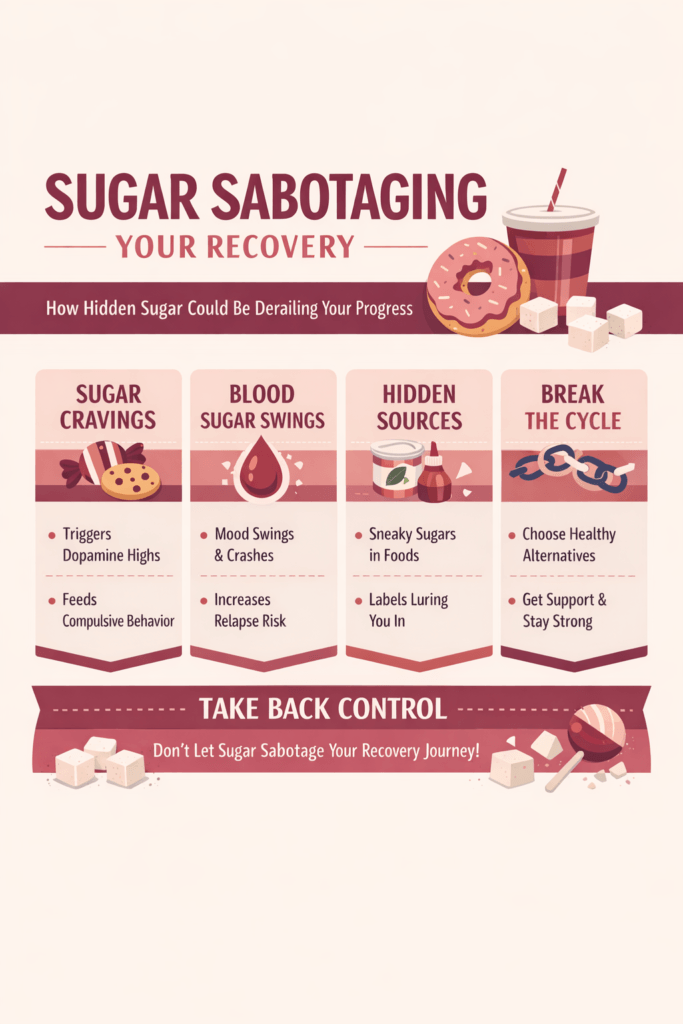
Sugar is everywhere these days, even in places you might not expect. For people dealing with addictive behaviors, sugar can quietly sneak into the mix, sometimes making the entire recovery process even tougher. It hides out in snacks, drinks, comfort foods, and even so-called healthy options. So, I’m going to break down how sugar might be playing a bigger role in addiction than most folks realize.
Understanding the Connection Between Sugar and Addiction
Addiction isn’t just about alcohol or drugs. Food, and especially sugar, can trigger reactions in the brain that feel a lot like other addictions. Sugar gives you that fast, sparkly high, making you feel good, but then leaving you crashing afterward. For someone trying to break free from any type of dependency, this can get messy really quickly.
Research has shown that sugar lights up the brain’s reward system, pumping out dopamine, the same “feel-good” chemical involved in many addictive behaviors. This isn’t some far-off theory; it’s something that’s shown up time and again in both animal and human studies (source). So when I say sugar can act like a sneaky stand-in for your addiction, it’s because it scratches a similar itch in the brain, even if the source seems harmless. Sugar, while not universally addictive for everyone, can mimic many of the underlying patterns and reactions seen in more severe forms of addiction.
How Sugar Slips Into Recovery and Everyday Habits
Kicking any habit, especially when it comes to substances like alcohol, drugs, or even cigarettes, tends to leave your brain wanting something else to pick up the slack. Sugar-filled foods are easy, cheap, and everywhere. You may find yourself reaching for sugary energy drinks, candies, or pastries without even thinking about it; it just feels comforting during tough moments.
In recovery groups and treatment centers, sugar-laden snacks are often passed around to boost spirits, keep energy levels up, or just as a treat. On the surface, this seems harmless. If you dig into it, though, it’s easy to see how that sugar can end up filling the gap left by your old habit. Some people find themselves eating more sugar after quitting substances, sometimes gaining weight or trading one craving for another. It’s a subtle shift that can fly under the radar at first but gradually snowball into a replacement behavior.
Why Sugar Feels So Comforting in Addiction Recovery
There’s a real comfort factor to sugar. It gives you that warm, fuzzy feeling for a moment, almost like an inner hug. This is because sugar ramps up serotonin and dopamine, both of which help regulate mood and help you feel better fast. When you take away an addictive substance, your body misses that rush, and sugar can quickly step in to “help.” For many, picking up a candy bar or a piece of cake may seem harmless, but it’s actually scratching that same itch their brain is missing.
Here’s the catch: that sugar high doesn’t last. It drops you fast, often leaving you lower than before. Over time, this rollercoaster ends up feeding cravings, mood swings, and the same compulsive behavior you’re trying to get away from. If you notice yourself swapping one substance or habit for sugary treats, you’re not imagining things; there’s a real, chemical reason for that. Emotional eating, often driven by sugar, can carry the same cyclical and compulsive traits you experienced with other addictive patterns.
Common Ways Sugar Hides in Your Diet During Addiction Recovery
Sugar has a way of sneaking into foods and drinks you wouldn’t always expect. For people in recovery, reaching for easy comfort foods is really common, but those foods often come with more sugar than you might guess. While you’re focusing on healing, sugar can quietly become a crutch if you’re not careful.
- Flavored Drinks and “Recovery” Beverages: Many recovery programs offer soda, sweetened teas, or sports drinks that look like healthier choices but come with a hefty double-digit sugar count.
- Baked Goods and Candy Bowls: Most group meetings or support hangouts offer cookies, doughnuts, or candy. They might help with stress in the moment, but feed the sugar cycle long-term.
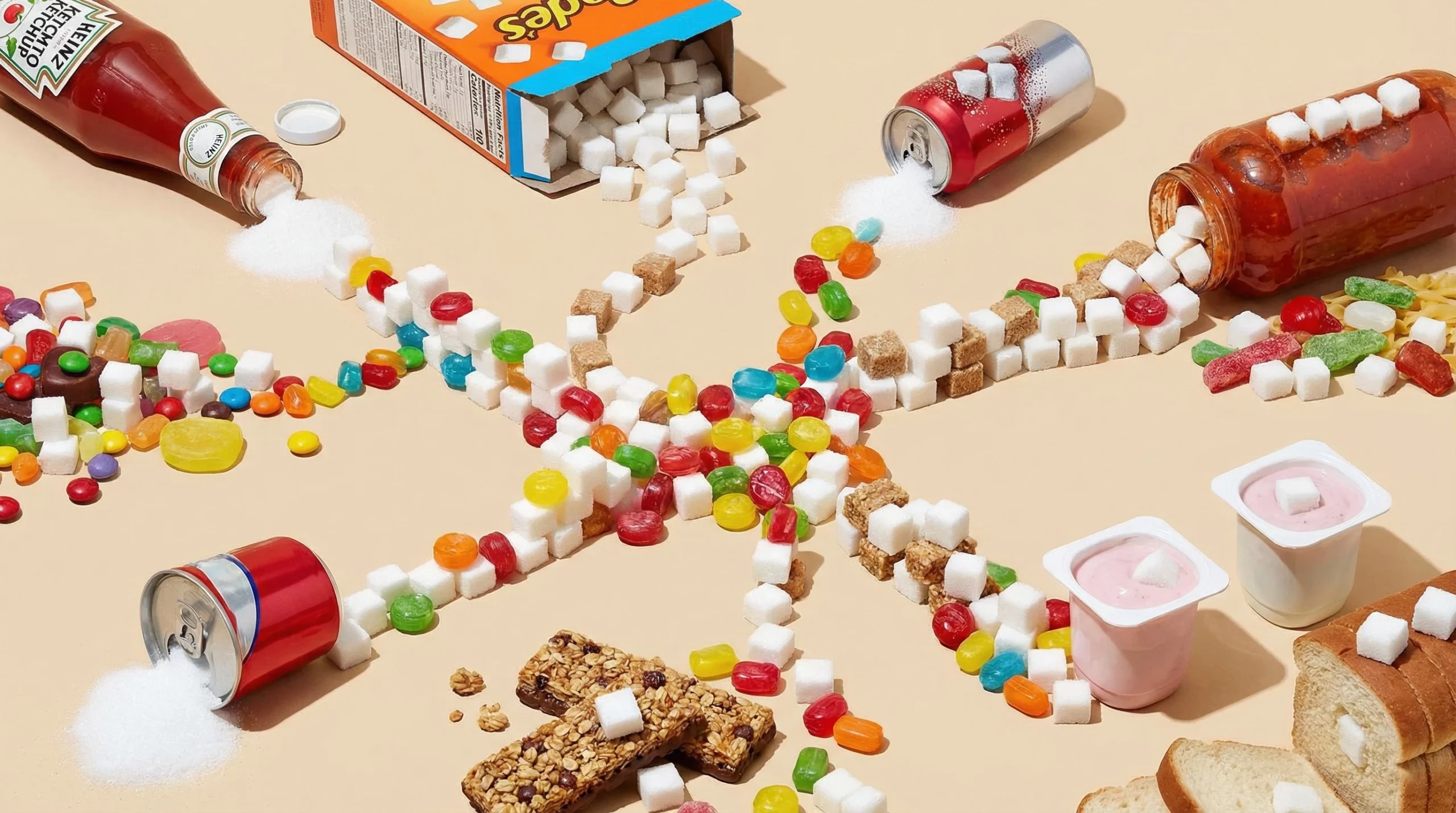
- Hidden Sugar in Savory Foods: Things like granola bars, flavored yogurts, and even some breads pack in a surprising amount of sugar.
- Processed Snacks: Packaging might say “low fat” or “natural,” but often these items compensate with extra sugar to improve taste and shelf life.
Sugar can also hide in things like sauces, salad dressings, ketchup, and frozen dinners. Even so-called healthy options like protein bars or breakfast cereals can be loaded up with sugar. If you’re not keeping an eye out, your sugar consumption may climb steadily without you realizing it.
Simple Steps to Spot and Manage Sugar in Your Recovery
Just raising awareness of your sugar intake can make a huge difference in your recovery. I’ve picked up a few practical tips over the years that make it easier to spot and manage sneaky sugars, and I’ve also seen others find success by sticking to similar strategies. Taking action doesn’t require going sugar-free overnight, but a few mindful changes can help a lot.
- Read Labels Carefully: Ingredients like “highfructose corn syrup,” “cane juice,” or anything ending in “-ose” are all just fancy codes for sugar. I look for options with less than 5 grams of added sugar per serving when possible. Don’t just trust front-label claims—check the details on the back.
- Choose Real, Whole Foods: Fresh fruit, veggies, nuts, and seeds are much less likely to trigger cravings than processed foods and snacks loaded with added sugar.
- Watch Out for Portion Creep: Even healthier options can add up. It’s easy to start out with a little and end up eating a lot more without realizing it, especially if you’re using food for stress relief.
- Replace With Healthier Swaps: When those sweet cravings hit, I grab a piece of fruit or a handful of nuts. Sparkling water with citrus can hit the spot instead of a soda or sweet tea.
- Plan for Triggers: If I know I’m about to be in a situation where sugar is everywhere (like a group meeting or a stressful day), I bring a healthy snack. Preparation helps a ton.
It can also help to brush your teeth after eating, or keep some sugar-free gum handy to ease cravings. Sharing your intentions with your support group or recovery buddies can bring some healthy accountability into the mix. Journaling how you feel after eating sugar versus when you skip it is another tool to raise self-awareness.
Potential Consequences of Swapping One Addiction for Sugar
Leaning on sugar as a substitute may seem minor compared to other addictions, but it’s worth paying attention to. Over time, dependency on sugar can lead to health problems like weight gain, diabetes, increased anxiety, and even mood swings that mimic withdrawal (source).
Some folks also report that their sugar cravings make it tougher to keep their main addiction under control. The intense highs and lows from sugar can wear down your self-control and emotional balance, both of which are super important for long-term recovery. Compulsive sugar consumption might also make it easier to slip back into other addictive behaviors, especially during stressful stretches. It can also damage your confidence if you start feeling like you can’t say no to sugar, just as you might have felt about your prior habits.
Overindulging in sugar doesn’t just affect physical health—it can also mess with your motivation, sleep, energy, and mood. If you’re sober but find yourself needing a sugar fix just to get through the day, it may be time to take a closer look at your overall routine. Creating a healthier relationship with food, rather than just swapping one fix for another, leads to a more solid and sustainable kind of recovery.
Addressing Sugar as Part of an Addiction Treatment Plan
Many treatment programs focus mainly on the main addiction, but don’t talk much about food, especially sugar. I’ve found that really taking a look at nutrition can make a difference. Talking about sugar cravings with a doctor, therapist, or nutritionist who understands addiction can lead to a better, more balanced recovery approach.
If you’re noticing sugar cravings popping up, especially in early recovery, ask about support groups or counseling focused on both food and substance use. Swapping out sugary snacks for healthier treats, drinking more water, and keeping an eye on triggers can make a big difference. When you start balancing meals with enough protein, fiber, and healthy fats, cravings tend to dial down, and your energy levels stay steadier. If you’re part of a group or treatment center, bring up the topic of sugar. Chances are, you aren’t the only one noticing this pattern, and raising awareness can spark changes that help everyone involved.
Frequent Questions About Sugar and Addiction
A lot of people are surprised that sugar plays such a big role in the recovery process. Here are some questions I hear pretty regularly:
Question: Is sugar really as addictive as drugs or alcohol?
Answer: While it doesn’t cause the same dangers as hard drugs, research shows sugar does activate the brain’s reward system in a similar way. For many, it’s extremely hard to give up or control, especially in the context of addiction recovery.
Question: Why do I crave sugar so much after quitting another addiction?
Answer: Your body is looking for something to fill the gap left by your old habit. Sugar gives you those quick dopamine hits that your brain misses once you quit another substance.
Question: Do I have to cut out sugar entirely to stay in recovery?
Answer: Not everyone needs to go to extremes. Some people do better with moderation, while others benefit from cutting back as much as possible. Paying attention to how sugar makes you feel and talking to a professional can help you figure out what works for you.
Question: How can I manage sugar cravings while staying on track?
Answer: Stay hydrated, stick with regular meal times, and find satisfying snacks that won’t spike your blood sugar. Gentle exercise, like a short walk, can help distract you from cravings and balance your mood. Connecting with others who understand what you’re going through can be a great support, too.
The Takeaway: Staying Aware of Sugar in Addiction Recovery
Keeping an eye on sugar doesn’t just support your physical health, but your mental and emotional well-being, too. Every step you take toward balanced nutrition supports your recovery and sets you up for a better shot at long-lasting change. If you’ve noticed sugar sneaking into your routine, you’re not alone; it’s super common. With a little awareness and some small changes, you can head off sugar’s hidden effects and give your recovery some real support.
Checking labels, keeping some healthy snacks nearby, and reaching out for support when cravings get tricky all add up to a solid action plan. The goal isn’t about perfection—it’s about noticing sugar’s role and taking back a little more control, one day at a time. Overcoming addiction is rarely a straight line, but keeping sugar in check can help you avoid swapping one challenge for another and bring you closer to steady, lasting progress.
Video: Why You Relapse After Eating Sugar #sobriety #addiction #recovery