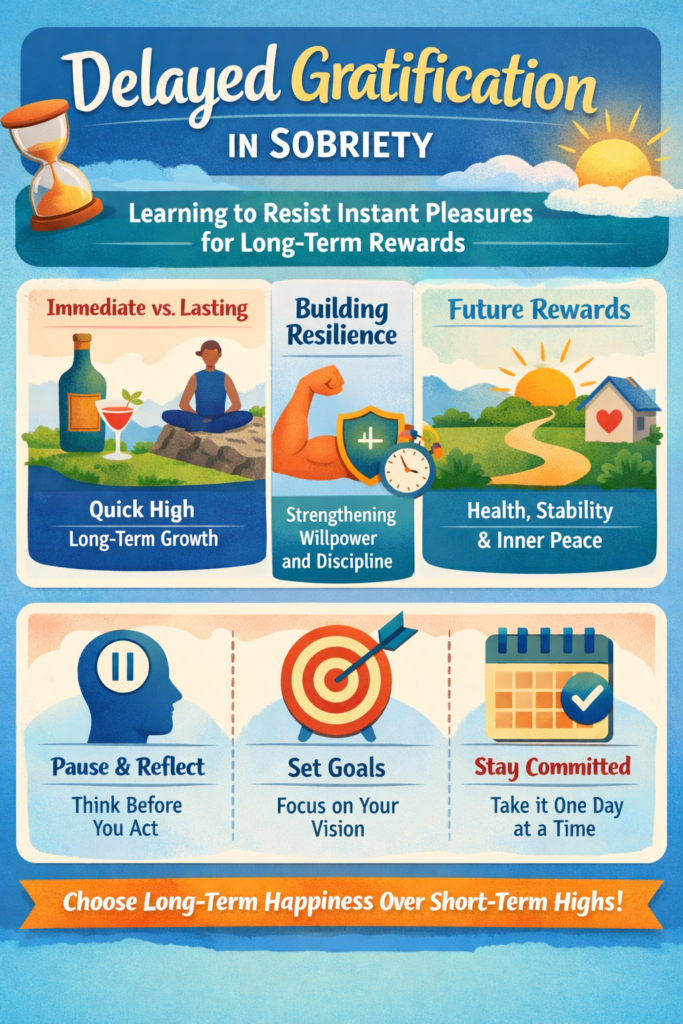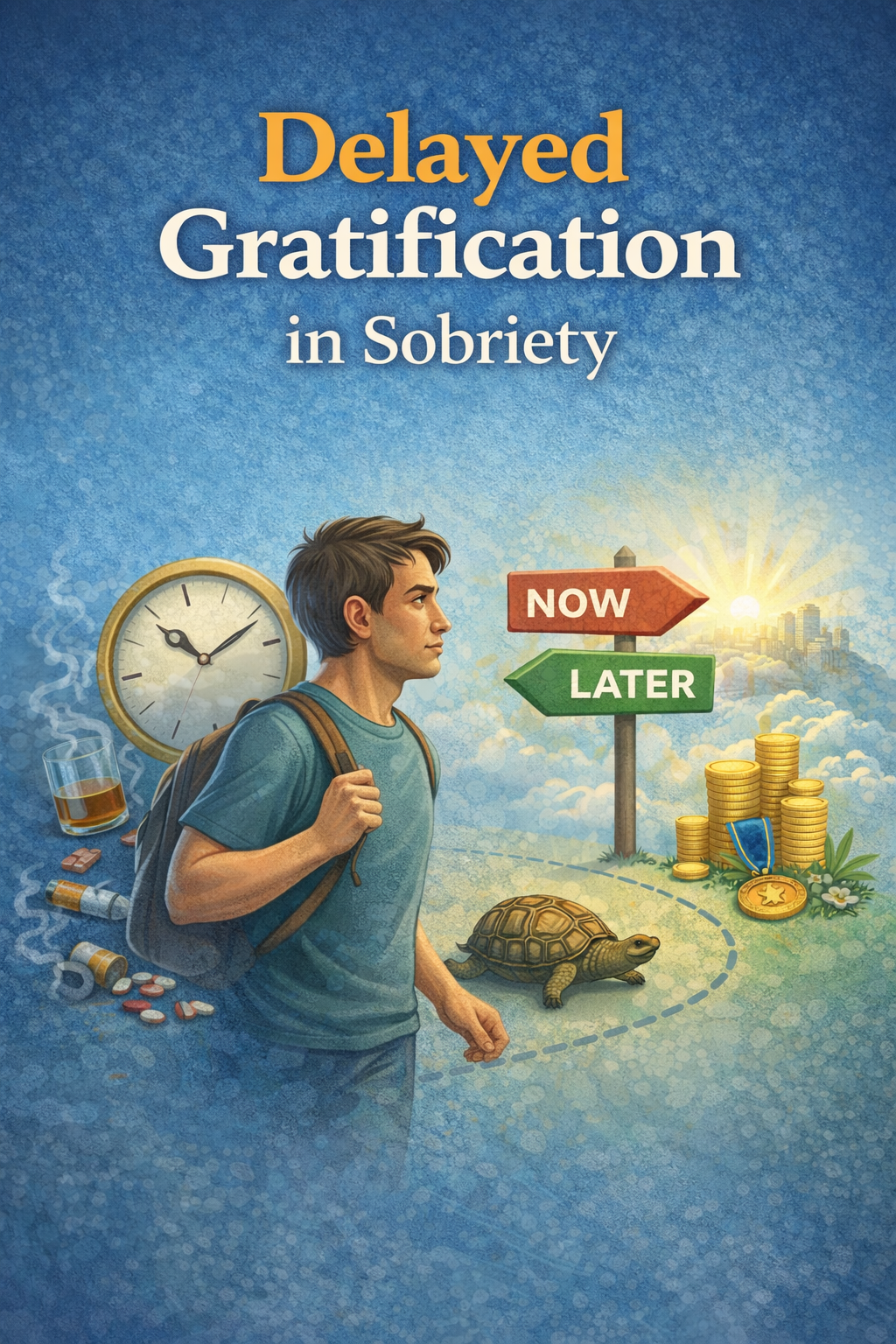
Delayed gratification is a pretty big deal in recovery, especially if you’re aiming for long-term sobriety. It’s the ability to forgo short-term rewards to achieve something bigger later on. A lot of people think some folks are just “born patient” or naturally better at resisting temptation. The truth is, delayed gratification isn’t a personality trait; it’s a skill. That means anyone can get better at it if they put in the time and effort. I’m going to walk you through what this really means, why it matters in sobriety, and how you can build this skill into daily life, even if you feel impatient or impulsive right now.
Why Delayed Gratification Matters in Sobriety
Early recovery comes with a ton of urges, cravings, and moments where “just this once” sounds pretty tempting. The power to pause and wait rather than give in is directly tied to delayed gratification. This skill makes it easier to handle cravings and build up confidence every time you choose long-term goals over immediate rewards. Over time, it helps you build stronger habits and trains your brain to seek satisfaction in healthier, more sustainable ways.
The link between delayed gratification and substance use is supported by stacks of research. Back in the ’60s, the marshmallow study famously showed that kids who waited for a second marshmallow tended to do better in life. Newer studies connect that same idea to sobriety: people who can wait for rewards are less likely to relapse, mostly because their brains slowly rewire away from instant fixes. So, in real-world terms, your ability to wait can mean the difference between a slip and staying on track for another day.
Delayed Gratification Is a Skill, Not a Fixed Trait
Patience isn’t something you’re born with (or without). A lot of what looks like natural self-control actually comes from memories, habits, and the tools you build over time. The cool thing about this is it takes the pressure off; nobody is doomed just because waiting feels tough at first. Like learning to play a new instrument, improving your ability to wait simply takes practice and the right methods.
Neuroscience backs this up. The prefrontal cortex, the brain area that handles planning and self-control, gets stronger every time you practice delaying gratification. That means it’s just like building up a muscle at the gym. With each decision you make that favors long-term goals (even tiny ones), you’re giving your brain more practice to handle the next urge better.
Think about it this way: whether it’s quitting smoking, skipping dessert, or holding off on that late-night impulse buy, the brain starts to “remember” how to manage cravings when you make intentional choices. This process steadily makes self-control a bit easier. The more you practice, the less those quick fixes seem to tug at you.
Building Delayed Gratification: The Basics
If you’re new to thinking about self-control as a skill, here’s how it usually works for most people:
- Start with Personal Triggers: Notice the situations that make you want to act right now—boredom, stress, or even just habit. Write them down.
- Make Choices Visible: Stopping to list out the pros and cons before acting, even mentally, helps slow things down just enough to make a different decision.
- Set Simple, Short-Term Goals: Go for small wins at first, like waiting 10 extra minutes when a craving hits. Celebrate every success instead of expecting perfection.
- Practice Mindfulness: Simple techniques such as deep breathing or focusing on the present moment make it easier to ride out the urge rather than act on it.
- Swap Immediate Rewards: Find quick, healthy rewards, like a chat with a friend or a walk, to help build up tolerance for waiting in more challenging situations.
Every time you use one of these approaches, you train your brain to handle urges in a healthier way. With time, this becomes natural and less like a struggle. You’re not ignoring your needs—you’re simply prioritizing your overall well-being.
Common Obstacles and How to Tackle Them
Learning delayed gratification isn’t exactly smooth for everyone, and that’s totally normal. Here are the main roadblocks I usually hear about:
- High Stress or Emotional Overload: Overwhelm makes waiting for long-term rewards feel really hard. During these times, get back to basics: step away from the situation, breathe, and break decisions down into smaller chunks.
- Boredom or Lack of Engagement: Idle time is a magnet for old habits. Keeping a list of quick activities you enjoy makes self-control a little easier when boredom hits.
- Unrealistic Expectations: Expecting automatic change sets you up for disappointment. Give yourself permission to make mistakes while staying focused on progress, not perfection.
- Self-Criticism: Beating yourself up for every slip makes it much tougher to keep going. Practicing self-compassion (like giving yourself a pep talk instead of tearing yourself down) is actually a shortcut to more consistent progress.
The most important thing is not to let a bump in the road stop you completely. If a setback happens, remind yourself that setbacks are just part of the process, not a reason to quit. Staying flexible and showing yourself some grace makes all the difference in the long run.
Practical Strategies to Strengthen Delayed Gratification
Adding a few structured strategies can really boost your ability to wait for rewards. Here are some I’ve found super useful:
- Delay Techniques: When faced with a craving, try the “10-minute rule,” and promise yourself you’ll wait 10 minutes before deciding. Most urges lose intensity if you let them pass for even a short time.
- Future Visualization: Spend a few minutes imagining what tomorrow, next week, or next year looks like if you keep saying yes to sobriety. Making the long-term rewards feel real can reinforce patience in the moment.
- Accountability Partners: Share your intentions and struggles with a friend, sponsor, or support group. Just knowing you’ll discuss your choices later helps you delay short-term actions in favor of longer-term pride.
- Routine and Structure: Having a daily schedule, even for small things, helps make waiting a normal part of life. A built-in structure means less time spent wrestling with instant urges.
You aren’t alone in building these habits, and the more resources you check out, the more ideas you’ll find. There are also books and online communities worth looking into for encouragement and fresh strategies. For instance, “Atomic Habits” by James Clear breaks down actionable ways to form better habits, and apps like “Streaks” help track progress. Sites such as the National Institutes of Health provide more background on why these behavioral tools matter so much (NIH Research).
Real-Life Examples: Success Through Practice
I’ve seen so many stories where learning to wait has paid off, and it’s not just in books. For me, the first few weeks of sobriety included a lot of staring at the clock, feeling like every urge was the biggest deal in the world. But each time I made it through a craving, sometimes just by distracting myself or texting a friend, it felt like a win. Over months, those wins added up. What started as a real struggle turned into a habit, and every small bit of progress built more confidence. People in support groups often share the same path, mentioning how their first “wait” was just making it through movie night, then a weekend, then a vacation, all without caving in. These small wins build a foundation for the long haul.
Other folks have talked about keeping a “patience journal”—simply jotting down each time you pause and resist an urge. Looking back, it’s motivating to see how far you’ve come and that this skill has improved. Support groups also help, because finding community momentum keeps motivation up, especially when things get tough.
Frequently Asked Questions
Here are a few questions I often get from those working on delayed gratification in recovery:
Question: How do I deal with feeling impatient or angry when waiting?
Answer: Those feelings are pretty common. Using simple breathing exercises, journaling, or getting outside for a change of scene makes a real difference. Patience grows with use, so don’t expect it to happen overnight. Getting support from others and reminding yourself about bigger goals helps, too.
Question: Is it possible to make delayed gratification easier over time?
Answer: Absolutely. Every positive decision trains your brain to wait a little more next time. Keep track of your progress so you can see improvements in real life, not just in theory. Regular reflection and small rewards for milestones can strengthen your ability to wait.
Question: Are there apps or tech tools that help build this skill?
Answer: Yep. There are plenty of habit trackers, mindfulness apps, and support communities online. Tools like Headspace, Streaks, or even a plain calendar are worth checking out for tracking those moments when you win against a craving.
Putting It All Together in Real Life
Building delayed gratification is one of the most practical paths to stability in sobriety. This isn’t a talent that some lucky people have; everybody starts somewhere, and every small win matters. The ability to pause and prioritize what you want most (instead of what you want right now) only gets stronger with practice and support, not just willpower. If you stay open to new ideas, lean on routines, and learn from both progress and setbacks, you’ll notice patience and resilience becoming part of your daily life. Over time, choosing long-term benefits instead of quick fixes starts to feel a bit more natural. That’s always worth celebrating. Stay committed, and remember—progress over perfection is what really counts.
Video: Delayed Gratification Is Harder Than You Think #addiction #sobriety #motivation