Anxiety is a normal reaction to stress, uncertainty, or difficult situations. Many people feel temporary worry or nervousness before important events such as exams, job interviews, or major life changes. In these moments, anxiety can be beneficial because it helps increase focus, alertness, and readiness. However, anxiety becomes problematic when it is constant, intense, and hard to manage. If these feelings continue for long periods and start affecting everyday activities like work, school, relationships, or sleep, they may signal an anxiety disorder. Recognizing when anxiety becomes overwhelming is important so individuals can seek the support or professional help they may need.
When Anxiety Becomes a Disorder
Anxiety is a normal part of life. Many people experience feelings of worry, nervousness, or fear when facing stressful situations such as exams, job interviews, or major life changes. In small amounts, anxiety can even be helpful because it prepares the body to respond to challenges and stay alert. However, when anxiety becomes intense, persistent, and begins to interfere with daily life, it may develop into an anxiety disorder. Understanding when anxiety crosses this line is important for recognizing when someone may need additional support or professional help.
Understanding Normal Anxiety
Normal anxiety is usually temporary and connected to a specific situation or event. For example, someone might feel anxious before giving a presentation or starting a new job. These feelings typically fade once the stressful situation passes.
Healthy levels of anxiety can help people stay focused, motivated, and prepared. It becomes part of the body’s natural fight-or-flight response, which helps individuals react quickly to potential threats or challenges. In these situations, anxiety serves a useful purpose and does not significantly disrupt daily functioning.
Signs Anxiety May Be Becoming a Disorder
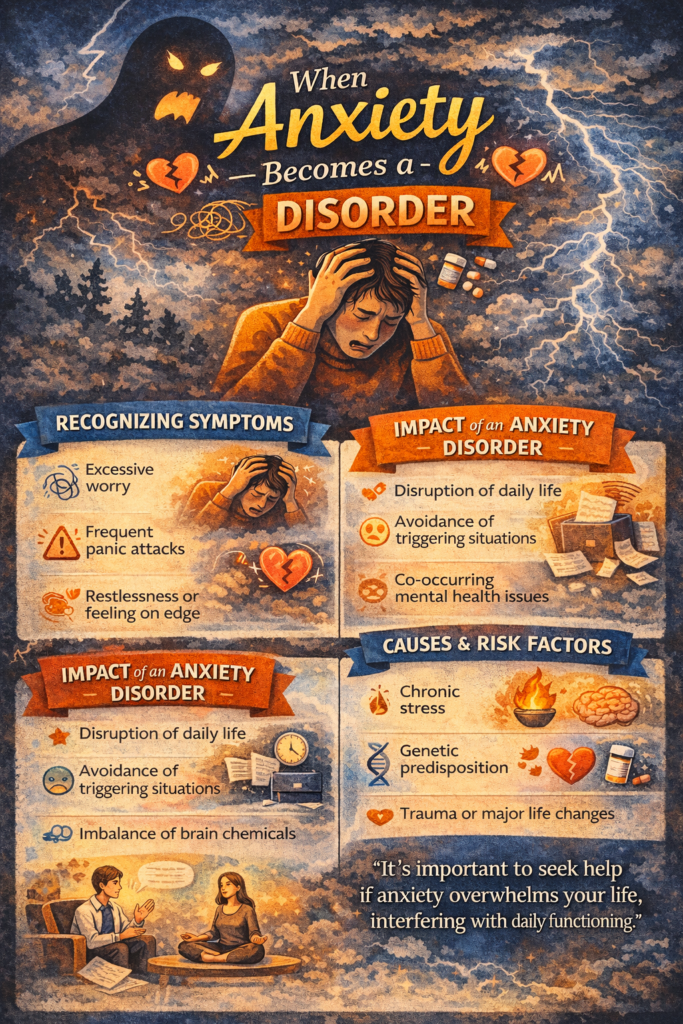
Anxiety may become a disorder when it becomes overwhelming and difficult to control. Unlike normal anxiety, anxiety disorders often involve persistent worry that continues even when there is no immediate threat.
Common signs that anxiety may be developing into a disorder include:
- constant or excessive worrying
- difficulty concentrating or relaxing
- irritability or restlessness
- sleep disturbances
- physical symptoms such as headaches, rapid heartbeat, or muscle tension
- avoiding situations due to fear or anxiety
When these symptoms occur frequently and begin interfering with work, school, relationships, or daily activities, professional support may be needed.
Types of Anxiety Disorders
There are several types of anxiety disorders, each involving different patterns of fear and worry. Some common examples include:
- Generalized anxiety disorder (GAD) is characterized by persistent and excessive worry about everyday events
- Panic disorder, which involves sudden and intense panic attacks
- Social anxiety disorder, involving extreme fear of social situations or being judged by others
- Specific phobias, which involve intense fear of particular objects or situations
Although these disorders vary in their symptoms, they all share a common feature: anxiety that significantly disrupts daily life and emotional well-being.
Factors That Can Contribute to Anxiety Disorders
Anxiety disorders can develop due to a combination of biological, psychological, and environmental factors. These may include:
- genetic predisposition
- stressful life experiences or trauma
- ongoing life pressures or major life transitions
- certain personality traits
- chemical imbalances in the brain
Understanding these contributing factors helps reduce stigma and emphasizes that anxiety disorders are treatable mental health conditions, not personal weaknesses.
Seeking Help and Support
The good news is that anxiety disorders are highly treatable. Many individuals benefit from professional support such as therapy, counseling, or medical treatment. Cognitive-behavioral therapy (CBT), for example, helps people identify negative thinking patterns and develop healthier coping strategies.
Lifestyle practices can also support mental well-being, including:
- regular physical activity
- stress management techniques such as mindfulness or meditation
- healthy sleep routines
- supportive relationships with family and friends
Seeking help early can make a significant difference in managing symptoms and improving quality of life.
Conclusion
Anxiety becomes a disorder when it moves beyond occasional worry and begins to interfere with daily functioning, emotional well-being, and relationships. While feeling anxious is a natural part of life, persistent and overwhelming anxiety may signal a deeper mental health concern that deserves attention and care. Recognizing the signs of anxiety disorders is an important step toward seeking support and finding effective ways to manage symptoms. With proper treatment, coping strategies, and support systems, individuals can learn to manage anxiety and lead healthy, fulfilling lives.
Self-Management Strategies to Recognize When Anxiety Becomes a Disorder
Anxiety is a common emotional response to stress, uncertainty, or challenging situations. Most people experience occasional worry or nervousness, especially during important events or life transitions. However, when anxiety becomes persistent, overwhelming, and begins to interfere with daily functioning, it may develop into an anxiety disorder. Recognizing the difference between normal anxiety and a potential disorder is an important step toward maintaining mental well-being. By practicing self-management strategies, individuals can increase awareness of their thoughts, emotions, and behaviors, making it easier to identify when anxiety may require additional support or professional attention.
Understanding the Difference Between Normal Anxiety and a Disorder
Normal anxiety is usually temporary and linked to a specific situation, such as preparing for an exam or dealing with a stressful work deadline. Once the situation passes, the anxiety typically decreases.
An anxiety disorder, however, often involves:
- persistent and excessive worry
- difficulty controlling anxious thoughts
- physical symptoms such as rapid heartbeat or muscle tension
- avoidance of certain situations due to fear
- interference with work, school, or relationships
When these symptoms continue for long periods or significantly disrupt daily life, it may indicate that anxiety has moved beyond a typical stress response.
Strategy 1: Practice Self-Awareness
Self-awareness is one of the most effective self-management tools for recognizing changes in mental health. Paying attention to personal thoughts, emotions, and behaviors can help individuals notice patterns in their anxiety.
Ways to improve self-awareness include:
- reflecting on situations that trigger anxiety
- identifying how often anxious thoughts occur
- observing emotional reactions to everyday challenges
- noticing physical symptoms such as restlessness or tension
Developing awareness helps individuals understand when anxiety is becoming more frequent or intense.
Strategy 2: Monitor Anxiety Patterns
Tracking anxiety patterns can provide valuable insight into how often and how strongly anxiety occurs. Keeping a journal or mental health tracker allows individuals to record situations that trigger anxiety and how they respond.
Important factors to track may include:
- frequency of anxious thoughts
- intensity of anxiety symptoms
- situations that trigger worry or fear
- coping strategies used during stressful moments
Recognizing patterns over time can help individuals determine whether their anxiety is becoming more difficult to manage.
Strategy 3: Evaluate the Impact on Daily Life
Another important self-management strategy is assessing how anxiety affects everyday activities. Occasional worry may not interfere with daily responsibilities, but anxiety disorders often disrupt normal functioning.
Questions individuals can ask themselves include:
- Is anxiety affecting my ability to work or study?
- Do I avoid certain places or situations because of fear?
- Is anxiety interfering with my relationships?
- Am I constantly thinking about potential problems or dangers?
If anxiety regularly disrupts daily life, it may be a sign that additional support is needed.
Strategy 4: Develop Healthy Coping Skills
Learning effective coping strategies can help individuals manage anxiety before it becomes overwhelming. Healthy coping techniques promote emotional balance and reduce stress.
Examples of coping strategies include:
- practicing mindfulness or meditation
- engaging in regular physical activity
- maintaining healthy sleep habits
- using deep breathing or relaxation exercises
- talking with supportive friends or family members
These techniques can help individuals manage everyday anxiety and maintain emotional well-being.
Strategy 5: Know When to Seek Professional Help
Self-management strategies are helpful, but there are times when professional support is necessary. If anxiety becomes persistent, intense, or difficult to control despite personal coping efforts, speaking with a mental health professional can be beneficial.
Therapists, counselors, and healthcare providers can offer treatments such as therapy, stress management techniques, or other supportive interventions that help individuals manage anxiety more effectively.
Conclusion
Recognizing when anxiety becomes a disorder is an important step toward protecting mental health and well-being. While anxiety is a normal part of life, persistent and overwhelming worry may signal the need for additional support. By practicing self-awareness, monitoring anxiety patterns, evaluating the impact on daily life, developing healthy coping skills, and seeking professional help when necessary, individuals can better understand their mental health and take proactive steps toward managing anxiety. These self-management strategies empower people to maintain balance, build resilience, and support long-term emotional well-being.
Family Support Strategies to Recognize When Anxiety Becomes a Disorder
Anxiety is a common emotional response to stress and uncertainty, and most people experience it at different points in their lives. However, when anxiety becomes persistent, intense, and begins to interfere with daily functioning, it may develop into an anxiety disorder. Family members are often among the first to notice changes in behavior, mood, or emotional well-being. By understanding the signs of problematic anxiety and providing supportive guidance, families can play an important role in helping loved ones recognize when anxiety may require professional attention. Using family support strategies can encourage open communication, emotional understanding, and early intervention.
Understanding the Difference Between Normal Anxiety and a Disorder
Normal anxiety is typically temporary and linked to a specific situation, such as an upcoming test, a work deadline, or a major life change. Once the stressful event passes, anxiety usually decreases.
When anxiety becomes a disorder, however, it may involve:
- constant or excessive worry
- difficulty controlling anxious thoughts
- physical symptoms such as restlessness, rapid heartbeat, or fatigue
- avoidance of social or everyday situations
- ongoing distress that interferes with daily responsibilities
Recognizing these signs can help families identify when anxiety is becoming more serious and requires attention.
Strategy 1: Encourage Open Communication
Open and supportive communication is one of the most important ways families can help. Individuals struggling with anxiety may feel embarrassed, confused, or afraid to discuss their feelings. Creating a safe space for conversation can make it easier for them to share their experiences.
Families can encourage communication by:
- listening without judgment or criticism
- expressing empathy and understanding
- asking supportive questions about how the person is feeling
- reassuring them that seeking help is a positive step
When individuals feel heard and understood, they are more likely to discuss their concerns openly.
Strategy 2: Observe Changes in Behavior and Mood
Family members who spend time with someone regularly may notice changes that the individual may not fully recognize. Observing patterns in behavior and mood can help families identify potential signs of anxiety disorders.
Some warning signs may include:
- withdrawing from social activities
- frequent irritability or restlessness
- difficulty sleeping or concentrating
- avoiding situations that previously felt comfortable
- expressing excessive worry about everyday events
Recognizing these changes early allows families to provide support before anxiety becomes more severe.
Strategy 3: Provide Emotional Support and Reassurance
Individuals experiencing severe anxiety may feel overwhelmed or misunderstood. Families can help by offering reassurance and emotional support without minimizing the person’s feelings.
Supportive actions may include:
- acknowledging that anxiety is real and challenging
- encouraging healthy coping strategies
- reminding the individual that help is available
- being patient during moments of heightened stress
Emotional support helps individuals feel less isolated and more willing to seek assistance.
Strategy 4: Encourage Healthy Coping Habits
Families can help promote habits that support emotional well-being and reduce stress. Encouraging healthy routines can improve resilience and help manage anxiety symptoms.
Examples of helpful habits include:
- maintaining regular sleep schedules
- engaging in physical activity
- practicing relaxation techniques such as deep breathing or meditation
- reducing excessive caffeine or screen time
- encouraging balanced daily routines
These lifestyle habits can support mental health and create a more stable environment for individuals experiencing anxiety.
Strategy 5: Support Seeking Professional Help
If anxiety becomes persistent or begins to interfere with daily life, families can encourage their loved ones to seek professional guidance. Mental health professionals can provide assessments, therapy, and treatment options to help individuals manage anxiety effectively.
Families can support this step by:
- discussing the benefits of therapy or counseling
- helping research mental health resources
- offering to accompany the person to appointments if needed
- emphasizing that seeking help is a sign of strength
Early intervention can significantly improve outcomes for individuals experiencing anxiety disorders.
Conclusion
Recognizing when anxiety becomes a disorder can be challenging, but family support can make a meaningful difference. By encouraging open communication, observing behavioral changes, providing emotional reassurance, promoting healthy coping habits, and supporting professional help when needed, families can play a crucial role in identifying and addressing serious anxiety concerns. With understanding, patience, and support, families can help loved ones take important steps toward managing anxiety and improving their overall mental well-being.
Community Resource Strategies to Recognize When Anxiety Becomes a Disorder
Anxiety is a natural emotional response to stress, uncertainty, or challenging situations. While occasional worry is normal, persistent and overwhelming anxiety may signal the development of an anxiety disorder. Recognizing when anxiety becomes more than everyday stress can sometimes be difficult for individuals and families alone. Community resources play an important role in helping people identify warning signs, access information, and receive appropriate support. Through education programs, mental health services, and community-based support networks, individuals can better understand their experiences and recognize when professional help may be necessary.
Understanding Anxiety in a Community Context
Communities provide valuable support systems that help individuals learn about mental health and recognize when anxiety may be becoming a serious concern. Community-based programs often focus on mental health awareness, prevention, and early intervention.
Anxiety may be considered a disorder when symptoms:
- persist for long periods of time
- become difficult to control
- interfere with work, school, or relationships
- cause significant emotional or physical distress
- lead to avoidance of normal daily activities
Community education and outreach programs help individuals understand these signs and encourage early recognition.
Strategy 1: Access Community Mental Health Education Programs
Many communities offer educational workshops or public health programs focused on mental health awareness. These programs help people learn the difference between normal anxiety and anxiety disorders.
Educational programs may provide information about:
- common symptoms of anxiety disorders
- stress management techniques
- when to seek professional support
- ways to support friends or family members experiencing anxiety
These resources help reduce stigma and increase understanding of mental health challenges.
Strategy 2: Utilize Local Mental Health Services
Community mental health centers and clinics provide professional services that help individuals recognize and manage anxiety. Licensed counselors, therapists, and psychologists can evaluate symptoms and provide appropriate guidance.
Community mental health services may include:
- counseling and therapy sessions
- mental health screenings or assessments
- crisis intervention services
- referrals to specialized treatment programs
Access to these services allows individuals to receive professional support early, which can improve treatment outcomes.
Strategy 3: Participate in Peer Support Groups
Peer support groups provide safe spaces where individuals can share experiences and discuss emotional challenges with others facing similar issues. Hearing others talk about their struggles with anxiety can help individuals recognize patterns in their own experiences.
Support groups often help participants:
- understand that they are not alone in their struggles
- learn coping strategies from others
- build emotional support networks
- gain encouragement to seek professional help if needed
These groups help create a sense of community and reduce feelings of isolation.
Strategy 4: Engage with Community Outreach and Awareness Campaigns
Community organizations, schools, and health departments often run awareness campaigns focused on mental health education. These initiatives help individuals recognize symptoms of anxiety disorders and encourage people to seek help.
Community outreach efforts may include:
- public health events focused on mental wellness
- informational seminars or workshops
- online educational resources and community forums
- school-based mental health awareness programs
These initiatives promote understanding and encourage early identification of mental health concerns.
Strategy 5: Build Supportive Community Connections
Positive social connections within communities can help individuals manage stress and recognize emotional challenges early. Community groups, recreational programs, and volunteer organizations provide opportunities to build supportive relationships.
Supportive community connections can help individuals:
- share concerns in a safe environment
- receive encouragement and emotional support
- develop healthy coping strategies
- feel a stronger sense of belonging
Strong social networks can make it easier for individuals to seek help when anxiety becomes overwhelming.
Conclusion
Recognizing when anxiety becomes a disorder is an important step toward protecting mental health and well-being. While individuals may initially try to manage anxiety on their own, community resources provide valuable support and guidance. Through mental health education programs, local counseling services, peer support groups, awareness campaigns, and strong community connections, individuals can better understand their experiences and identify when anxiety requires professional attention. By utilizing these resources, communities play a crucial role in promoting mental health awareness and helping individuals access the support they need to live balanced and fulfilling lives.
Frequently Asked Questions
Here are some common questions:
1. What is the difference between normal anxiety and an anxiety disorder?
Normal anxiety is a temporary response to stress or challenging situations, such as preparing for an exam or starting a new job. An anxiety disorder occurs when feelings of worry or fear become persistent, excessive, and difficult to control, often interfering with daily activities and overall well-being.
2. What are common signs that anxiety may be becoming a disorder?
Some warning signs include:
- constant or excessive worrying
- difficulty relaxing or concentrating
- sleep disturbances
- irritability or restlessness
- physical symptoms such as headaches, rapid heartbeat, or muscle tension
- avoiding certain situations due to fear
When these symptoms continue for weeks or months and disrupt daily life, it may indicate an anxiety disorder.
3. How long does anxiety need to last before it is considered a disorder?
While occasional anxiety is normal, mental health professionals often look for symptoms that persist for several weeks or months and significantly affect daily functioning. Persistent and overwhelming anxiety may require professional evaluation.
4. What types of anxiety disorders exist?
There are several types of anxiety disorders, including:
- Generalized Anxiety Disorder (GAD) – excessive worry about everyday life events
- Panic Disorder – sudden episodes of intense fear known as panic attacks
- Social Anxiety Disorder – extreme fear of social situations or being judged
- Specific Phobias – intense fear of particular objects or situations
Each disorder involves different symptoms but shares the common feature of excessive and persistent anxiety.
5. What causes anxiety disorders?
Anxiety disorders may develop due to a combination of factors, including:
- genetic or biological influences
- stressful life events or trauma
- ongoing life pressures
- personality traits such as high sensitivity to stress
- chemical imbalances in the brain
These factors can interact in complex ways and vary from person to person.
6. When should someone seek professional help for anxiety?
A person may benefit from professional help if anxiety:
- feels overwhelming or uncontrollable
- lasts for long periods of time
- interferes with work, school, or relationships
- causes physical symptoms or panic attacks
- leads to avoidance of everyday activities
Early support can help prevent symptoms from becoming more severe.
7. Can anxiety disorders be treated?
Yes. Anxiety disorders are highly treatable. Treatment options may include therapy, counseling, medication, and lifestyle changes. Many individuals benefit from cognitive-behavioral therapy (CBT), which helps identify and change negative thinking patterns.
8. Are anxiety disorders common?
Yes. Anxiety disorders are among the most common mental health conditions worldwide. Many people experience anxiety disorders at some point in their lives, and effective treatment can help individuals manage symptoms and improve their quality of life.
9. Can lifestyle habits help manage anxiety?
Healthy lifestyle habits can help reduce anxiety symptoms. Helpful practices include:
- regular exercise
- balanced sleep routines
- mindfulness or meditation
- limiting caffeine and alcohol
- maintaining supportive social relationships
These habits can support overall mental health and complement professional treatment.
10. Is it possible to recover from an anxiety disorder?
Yes. With proper treatment, coping strategies, and support, many individuals learn to manage their anxiety effectively. Recovery often involves building resilience, learning new coping skills, and maintaining healthy habits that support long-term mental well-being.
Conclusion
While occasional anxiety is a natural part of life, ongoing and intense anxiety that disrupts daily functioning may indicate a deeper mental health concern. Recognizing the warning signs—such as excessive worry, avoidance of situations, and physical symptoms of stress—can help individuals take steps toward addressing the problem. Seeking support from mental health professionals, practicing healthy coping strategies, and building supportive relationships can make a significant difference in managing anxiety. With the right support and treatment, individuals can learn to manage anxiety effectively and improve their overall well-being.
Video: The exact moment anxiety becomes a problem #AnxietyAwareness #MentalHealthMatters #Shorts