People often toss around the term “addiction,” but what really sits at the core of addictive behavior goes a lot deeper than just having trouble saying no. If you’re curious about why addictions form and what might truly drive them, you’re not alone. I’ve spent a lot of time sorting through research, speaking with people in recovery, and reflecting on my own experience to get a handle on what’s often called the “root spirit” of addiction. In this post, I’m getting into what that means, what influences addictive behaviors, and how people can start r what’s under the surface.
Understanding the Root Spirit of Addiction
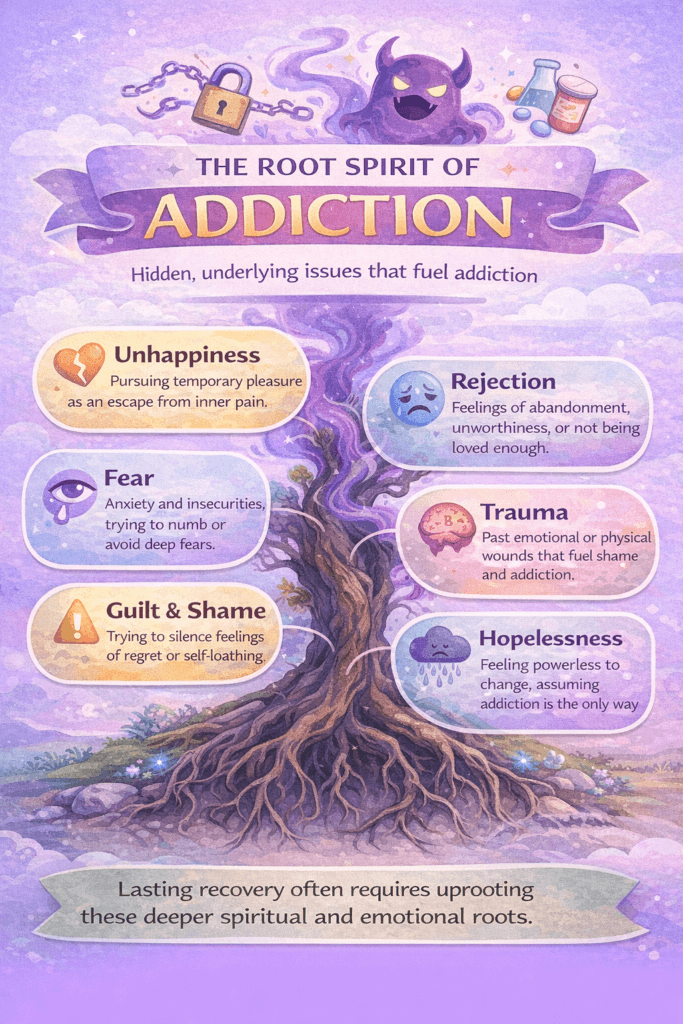
Addiction isn’t only about physical cravings or bad habits. When people talk about the “root spirit” of addiction, they’re often referring to the deeper drives or wounds underneath substance use or compulsive behaviors. To get a better sense of this idea, I think about addiction as a tangled mix of emotional pain, trauma, spiritual emptiness, and learned behaviors.
Experts like Dr. Gabor Maté describe addiction as something that grows from unmet needs; things like loneliness, unresolved trauma, lack of belonging, and chronic stress. For many people, addiction starts as a coping mechanism, a way to numb pain or fill a void. If you search around, you’ll find faith communities also talk about a “spirit of addiction,” not as a ghostly force, but as a set of deep patterns that almost seem like a negative presence in life, rooting people in self-destruction and hopelessness.
Major Factors Behind Addiction’s “Root Spirit”
The science and psychology behind addiction are pretty solid at this point. Here’s what I’ve found shows up most when you check out the roots:
- Unresolved Trauma: Early life trauma or chronic stressful experiences often lead people to seek out relief, even in unhealthy ways. According to the National Institute on Drug Abuse, a huge portion of people with addiction issues report past trauma or neglect.
- Loneliness and Lack of Connection: Humans are wired for connection, and when that connection is missing, people seek relief in substances or behaviors. Johann Hari’s famous phrase, “The opposite of addiction is connection,” really rings true for a lot of folks in recovery.
- Chronic Stress and Anxiety: High levels of ongoing stress, especially if someone feels powerless to change their circumstances, can drive people toward quick fixes or escapes, like drugs, alcohol, or compulsive activities.
- Spiritual or Existential Emptiness: Sometimes people feel hollow or disconnected from any deeper meaning in life. Substances can temporarily fill that void, though the effect never lasts.
- Genetic and Environmental Factors: While genes play a role in susceptibility, the environment matters a lot. Factors such as poverty, unstable family life, and a lack of support combine to increase the risk.
Getting to the Root—Why It Matters
Treating addiction on the surface, like detoxing someone from drugs or alcohol, is only one small part of recovery. Unless those deeper influences are recognized and worked with, most people find themselves stuck in cycles. I’ve seen this firsthand with friends who get physically sober but struggle to fill the void or manage tough feelings once the substance is gone.
Programs like Alcoholics Anonymous, Refuge Recovery, and SMART Recovery all address this in their own ways. They encourage people to ask, “What am I really seeking?” or “What pain am I trying to escape?” Getting honest with those questions can be tough, but it’s where long-term change usually begins.
Common Signs That Point to a Deeper Cause
Addiction can show up in everyone’s life a little differently, but some patterns are pretty universal:
- Repeating destructive behaviors even when you know the risks
- Trouble handling emotions or avoiding difficult feelings
- Sensing a lasting emptiness or inner restlessness
- Feeling isolated or disconnected from others
- The nagging sense that something is “missing” or “wrong” way down inside
If you or someone you know relates to a few of these, it can help to look under the hood and see what’s feeding the cycle.
Breaking Free: What’s Needed
Addressing addiction’s root spirit usually takes a few key ingredients. Here’s what I’ve personally noticed makes a real difference:
- Safe, Nonjudgmental Support: Recovery starts to take hold when a person feels seen and accepted, not just labeled as “the addict.” Whether it’s a peer group, a therapist, or a faith community, genuine support helps break the hold of shame.
- Finding Connection and Purpose: Stumbling upon relationships that matter and having a reason to get out of bed can make a world of difference. Volunteer work, creative pursuits, or even a pet can fill some of those deeper needs.
- Addressing Past Wounds: Trauma-informed therapy, support groups, and even journaling or expressive arts help people process the pain that could be fueling addiction.
- Spiritual or Mindfulness Practices: Mindfulness, meditation, prayer, or other spiritual activities are really helpful for many people. They provide a sense of inner stability and can bring a deeper sense of peace that substances can’t match.
Support approaches like somatic experiencing or breathwork, which engage the body in healing trauma, are also gaining traction among those seeking to heal at the deepest level. Getting creative—taking up music or even going for nature hikes—may bring new meaning to daily life and ease the urge to fall back on old habits.
Things to Understand Before Tackling the Root Spirit of Addiction
If you’re thinking about working through addiction (your own or helping someone else), a few things come up again and again:
- Relapse Is a Part of the Process: Recovery isn’t a straight line. Setbacks happen, and they don’t mean a person is failing. They’re a sign that something deeper needs attention.
- It’s Not All About the Substance: People can swap one addiction for another: quitting alcohol but turning to food, shopping, or social media. That’s a clue that the root causes remain.
- External Changes Help, But Inner Work Is Key: Moving to a new city or changing jobs might help for a while, but unless someone works on inner wounds and finds purpose, the risk stays high.
- Anger, Sadness, and Shame Need Space: Tough feelings don’t vanish when substances stop. Learning to sit with those emotions and process them in healthy ways is a core piece of real recovery.
Taking Stock of Triggers
Recognizing triggers, whether it’s boredom, loneliness, stress, or certain social situations, can make a huge difference. I’ve learned to pay attention whenever I notice the urge to “zone out” with mindless activities or comfort food. Writing it down or talking it out helps put distance between the trigger and the urge to act on it.
Bringing Compassion Into the Process
It might sound cheesy, but self-compassion goes a long way. People wrestling with addiction already carry a lot of shame. Treating yourself (or someone else) with patience and kindness makes the difficult work of healing much more possible.
Quick FAQ: Exploring the Root Spirit of Addiction
What does “root spirit” actually mean?
While not everyone uses the term, it generally points to the underlying emotional, psychological, and sometimes spiritual causes that drive a person toward addiction in the first place.
Can someone address addiction without looking at the root causes?
Some people find success with strict behavioral changes, but the risk of relapse stays high if the real wounds, stressors, or emptiness aren’t addressed. Getting to the root often creates longer-lasting recovery.
Do genetics play a role, or is it all emotional?
Both matter. Genetics can raise susceptibility, and environment, experiences, and emotional wounds are huge factors too. Most experts recommend an all-in-one approach that considers all sides.
Are there practical steps for uncovering root causes?
Talking to a counselor, joining a recovery group, starting a journal, or reading books by experts like Dr. Gabor Maté and Johann Hari can be great first steps. Mindfulness and breathing exercises can also help shed light on what’s driving urges in everyday life.
Real-World Examples
I’ve seen people turn their lives around when they’ve tracked down meaningful support and worked through old hurts. For example, a friend of mine battled alcohol use for years and finally made big strides when she joined a trauma-informed recovery group and picked up painting. That creative outlet and safe place to open up made a huge difference in helping her move past cravings at the surface level.
- Art and Recovery: Creative activities like writing and painting aren’t just hobbies; they can help people safely process pain and rediscover what brings joy.
- Community-Based Recovery: Connecting with others who “get it” can reduce shame and build new patterns, whether in a community center, an online forum, or a faith-based group.
- Spiritual Exploration: Exploring faith or mindfulness doesn’t require joining a religion. It can be as simple as daily meditation, nature walks, or quiet reflection on values and purpose.
The adventure to recovery almost always requires honesty and courage. With the right support and effort on what’s really underneath, people can heal in deep and lasting ways.
Video: The Root Spirit of Addiction