Treating substance use disorder (SUD) in patients with cancer brings a whole set of unique challenges that really deserve attention. These patients are already dealing with the emotional and physical stress of a cancer diagnosis, and SUD can make treatment much more complicated. Figuring out the best way to support these individuals takes compassion, teamwork, and a flexible approach. Here’s a closer look at practical strategies and real-world advice from my clinical experiences.
Understanding Substance Use Disorder in Patients with Cancer
Cancer and SUD often intersect in ways that are hard to untangle. Substances like alcohol, prescription painkillers, and even illicit drugs may become part of the picture for several reasons: some people use them to cope, others might have preexisting substance use patterns, or develop an issue after exposure to pain medications during cancer treatment. The stakes are higher in cancer care because substance use can lead to missed appointments, risky drug interactions, or problems managing pain and symptoms.
In my experience, recognizing that SUD is a treatable condition, not a moral failing, goes a long way. Stigma can prevent honest conversations, so building trust and approaching the topic with open-ended questions works much better. Understanding a patient’s perspective helps shape realistic care plans that meet their needs and goals. You might stumble upon surprising insights just by being willing to listen.
Challenges in Treating Substance Use Disorder Among Patients with Cancer
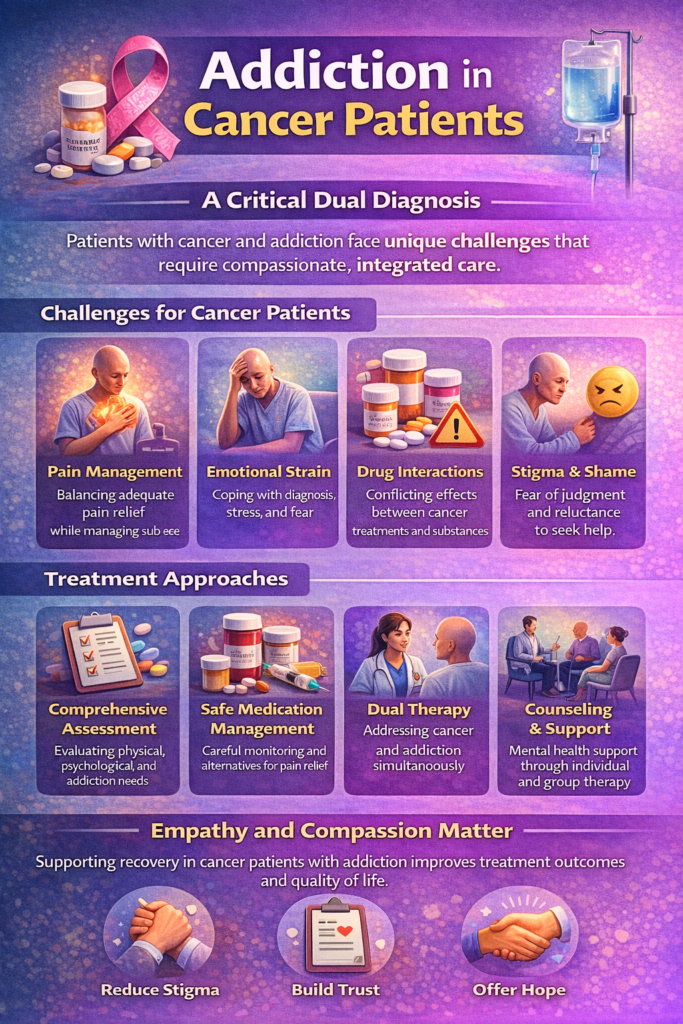
Caring for patients who have both cancer and SUD isn’t straightforward. Some common hurdles include medication management, stigma, and making sure the oncology and addiction teams work together smoothly.
- Medication Management: Pain management can get tricky when patients have a history of substance use, especially when opioids are involved. Providers often struggle to find a balance between addressing legitimate pain and preventing misuse.
- Stigma and Trust: Patients may avoid sharing their substance use history out of fear of judgment or reduced care. That secrecy can lead to complications, like unmanaged withdrawal or accidental overdoses, during treatment.
- Communication Gaps: When cancer specialists and addiction teams don’t communicate regularly, important details can get missed. I’ve found that even small lapses in coordination can have big consequences for a patient’s care adventure.
This web of challenges means treatment decisions are rarely black-and-white. Sometimes, looking closely at a patient’s background or current circumstances can shed light on why certain behaviors occur or what support systems are relied upon outside the hospital. Even beyond medication, social factors and access to regular meals or housing really affect how patients manage both cancer and SUD.
Practical Steps for Integrated Care
Collaboration is my go-to strategy when supporting these patients. Integrating addiction treatment right into the cancer care plan gives everyone the best shot at success. Here’s how I approach it:
- Screen for Substance Use Early: Asking about substance use isn’t about passing judgment. It’s about making sure the patient is safe and supported. I use simple, nonthreatening questions to open the conversation during routine intake.
- Design a Multidisciplinary Team: Getting oncologists, addiction specialists, nurses, and social workers on the same page makes all the difference. Regular case conferences or huddles keep everyone up to speed on medications, triggers, and support plans.
- Set Realistic Goals: Not every patient is ready to quit using substances right away. Sometimes the first step is harm reduction, like connecting patients to safer use supplies or education, while also helping them stick to cancer appointments and manage symptoms.
- Adjust Pain Management Plans: Pain is common and usually needs direct management. Nonopioid options, adjuvant therapies (like nerve blocks or antidepressants for neuropathy), and alternative methods (think acupuncture or physical therapy) are worth considering. When opioids are necessary, safe prescribing and frequent follow-up are especially important.
Outside of the clinical setting, families and caregivers can step up, too. Encouraging open communication within support systems adds another layer of safety and trust, making the patient’s path a bit less rocky.
Strategies That Actually Work in the Real World
- Medication Assisted Treatment (MAT): Medications like buprenorphine or methadone can help patients with opioid use disorder continue their cancer care without the rollercoaster of unmanaged withdrawal or cravings. These can be safely prescribed even during cancer treatment with close monitoring.
- Behavioral Health Support: Counseling, group therapy, and peer support all play a role. Many patients find it easier to talk with someone who understands both the stress of cancer and struggles with addiction. Oncology clinics that offer in-house counseling see much better follow-up and involvement rates.
- Patient-Centered Language: Using supportive rather than blaming language encourages patients to open up about their challenges. For instance, I avoid phrases like “addict” or “drug abuser” and instead use “person living with substance use disorder.” It’s a small switch, but it really changes the tone of the conversation.
- Flexible Scheduling and Assistance: Many patients face transportation, work, or housing issues that affect both cancer and addiction care. Flexible hours, telehealth visits, and support from social workers can help people stay on track with appointments.
One approach I’ve seen blossom is connecting new patients with a mentor or buddy who has been through similar challenges. This peer connection creates space to share advice and discover practical solutions that professionals might not think to offer. Peer navigators are especially meaningful—patients may spot warning signs before the team does and help others avoid common pitfalls.
Things to Watch Out for When Treating SUD in Cancer Patients
- Drug Interactions: Cancer meds and SUD treatments can interact in ways that aren’t always obvious. I double-check every med list and consult a pharmacist if there are any questions.
- Withdrawal Risks: Sudden medication stops (or missed doses) can lead to withdrawal, which can look a lot like side effects from chemo or the cancer itself. It takes some detective work to sort out the cause, but it’s really important for treatment success.
- Mental Health Concerns: Depression and anxiety are common in both cancer and SUD. Keeping an eye out for changes in mood or thinking helps catch problems early. Sometimes the toughest part is just making space for patients to share how they’re feeling.
- Pain Management Conflicts: Figuring out pain plans when there’s a risk of misuse means planning for monitoring, setting clear expectations, and having honest conversations about what’s working and what isn’t.
Medication and SUD
Pain is real for nearly every cancer patient, but the “one size fits all” approach doesn’t work well here. I always start with the least risky option and layer on additional treatments if needed. When opioids are necessary, measures like prescription monitoring, lock boxes for meds at home, and regular check-ins help boost safety without leaving anyone undertreated. Also, sharing pain management plans with both the oncology and addiction teams can make a world of difference in outcomes.
Helping Patients Steer Through Accountability Without Shame
Holding patients accountable doesn’t mean scolding; it means partnering with them to build a plan that works. Sometimes that means frequent check-ins, medication counts, or urine drug screens. When these tools are used as part of a supportive relationship rather than as punishment, patients tend to stick with care more consistently. Encouraging honesty when something goes wrong—such as missed doses or use of a nonprescribed substance—opens the door to early interventions while preserving dignity and respect.
Advanced Topics and New Ideas
Some cutting-edge programs are blending cancer care and addiction treatment right in the same clinic, which saves time and boosts involvement. Digital health tools, such as reminder apps and secure messaging for between-visit support, are growing in popularity. I’ve even seen research into smart pill bottles to track medication use and prevent missed doses—and while it’s not common in all clinics yet, it’s an eye-catching option to keep on your radar.
- Technology for Adherence: Reminder apps and medication trackers improve adherence to both cancer and SUD treatments, helping patients stay on schedule.
- Telehealth Options: Telemedicine appointments make it easier for patients facing barriers such as transportation or rural location to receive consistent follow-up and check-ins.
- Peer Navigators: Some clinics train and employ peer support specialists—people who have walked through cancer and/or addiction themselves—to help patients find their way in the medical system and build trust with the rest of the care team.
There’s also emerging interest in integrative therapies that blend physical, psychological, and social support. Even simple interventions, such as mindfulness workshops or nutrition consultations, can enhance these patients’ sense of control and hope.
Frequently Asked Questions
Question: Is it safe to use MAT during cancer treatment?
Answer: Yes, most of the time. Medications like buprenorphine or methadone are often compatible with cancer therapies, but careful monitoring and team communication are key.
Question: How do I talk about substance use with a patient who has cancer?
Answer: Approach the topic openly and without judgment. Let the patient share their experience and reassure them that your goal is to find ways to support them throughout cancer care.
Question: What’s the role of the oncology team in managing SUD?
Answer: Oncology providers often act as coordinators, connecting patients to addiction specialists and making sure both cancer and SUD care plans are matched up. Communication with pharmacists and primary care doctors helps reduce safety risks.
Key Takeaways for Encouraging Success
Treating substance use disorder in patients with cancer is about making sure people get the support and dignity they deserve. Multidisciplinary care, communication, and a nonjudgmental approach all contribute to better outcomes. If you know someone going through this, encourage them to ask questions and stay involved in their care; there are more resources, tools, and caring professionals out there than ever before. The path isn’t easy, but a team-based, flexible, and compassionate approach will always get better results.
Video: When treatment becomes the trap # cancer care #addiction # real issue