If you’re curious about addiction or trying to understand it a bit better, knowing the two main forms is a pretty handy starting point. Addiction isn’t just about a lack of willpower or making poor choices; there’s real science behind it, and it actually shows up in a couple of different ways. Here, I’ll lay out what those two forms are. We’ll explain how they work, what makes them different, and offer some practical ideas for recognizing and dealing with each.
Understanding the Two Main Types of Addiction
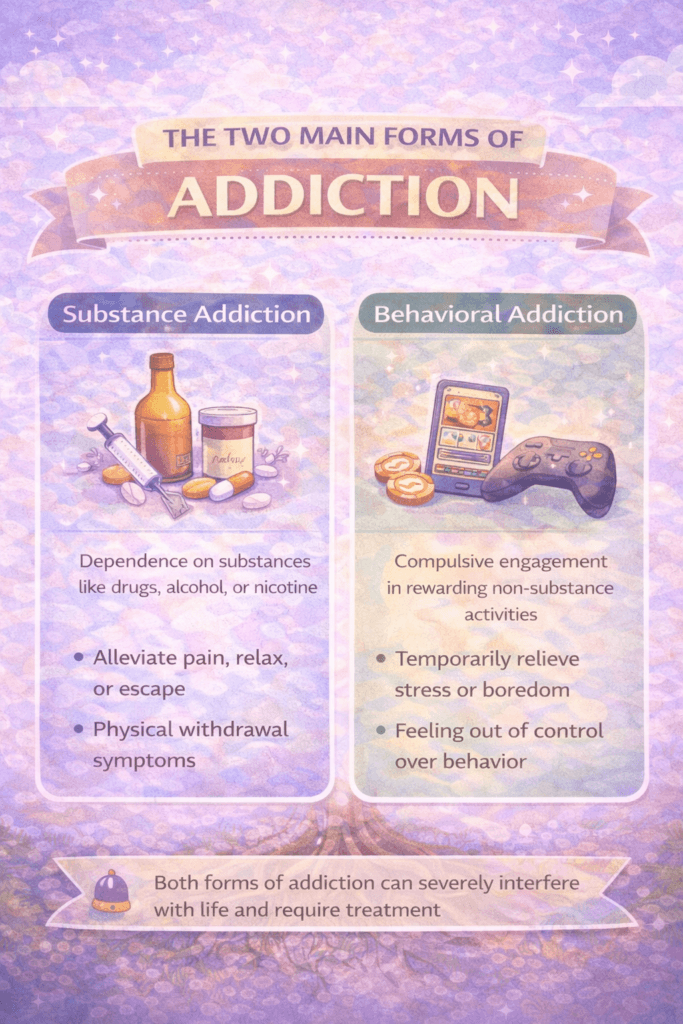
Addiction gets talked about a lot, but it can be confusing to pin down what it actually means. In general, experts recognize two main types: substance use addiction and behavioral addiction. Both can cause serious problems in people’s lives, but the root causes and how they affect people can look pretty different. Getting a handle on this can make a big difference if you’re trying to support someone or make sense of your own experiences.
Substance use addiction is what a lot of folks think of first. Think alcohol, nicotine, prescription medication, or recreational drugs. Behavioral addiction works a bit differently. Instead of being hooked on a chemical, people get stuck on an activity or behavior, like gambling, gaming, or even shopping. Both types lead to strong urges and can really take over parts of someone’s daily life. Recent years have seen increased awareness of behavioral addictions, as more people notice issues arising from technology, excessive work habits, and even exercise.
What is Substance Use Addiction?
Substance use addiction means someone can’t control their use of a specific drug or chemical. This type ranges from legal stuff like alcohol and nicotine to illegal drugs, and it can even include things like prescription painkillers. There’s a physical component here, too; the body adapts to the substance, so a person can end up needing more and more to feel the same effect. Stopping suddenly can lead to withdrawal, which isn’t just uncomfortable; it can be downright dangerous with some substances.
- Physical dependence: The body gets used to the substance and feels sick or unstable without it.
- Tolerance: Over time, the same amount of the substance doesn’t cut it, so people use more of it.
- Withdrawal: Symptoms show up when use stops, or amounts are reduced, ranging from the shakes and sweating to severe anxiety or pain.
- Cravings: Strong urges or thoughts about using the substance take over the mind and can overpower other priorities.
This type of addiction is well studied in medicine. Doctors look for criteria like failed attempts to cut down, spending lots of time getting or using the substance, or giving up activities because of it. If you’ve noticed any of these things happening to yourself or someone you know, it might be time to talk to a healthcare provider or counselor. Long-term substance use can change physical health, sometimes causing serious organ problems, memory loss, or increased risk of accidents and injuries. Awareness and early intervention can help reduce these outcomes.
What is Behavioral Addiction?
Behavioral addiction pops up when someone gets stuck in compulsively repeating a rewarding activity, like gambling, gaming, or shopping, even though it’s started to cause problems. The brain still floods with “feel-good” chemicals, especially dopamine, every time the activity occurs. Over time, the urge to chase that pleasure can take over, crowding out other interests or responsibilities.
- Lack of physical substance: No drug or alcohol is being taken, but the repeated behavior grabs the same brain pathways as substances do.
- Neglecting other areas: Hobbies, relationships, or even basic daily needs can take a back seat to the addictive behavior.
- Failed attempts to cut back: Trying to quit but slipping back into the same habits, sometimes with feelings of guilt or frustration.
- Withdrawal-like emotions: Restlessness, irritability, or strong cravings can show up when not engaging in the activity.
Some of the most common examples include gambling disorder (which the American Psychiatric Association officially recognizes), as well as video game addiction and compulsive internet use. These types of addiction often creep up quietly because there are fewer physical signs until the consequences are hard to ignore. Technology and cultural shifts have brought new types of behavioral addiction into focus, like social media overuse, obsession with smart devices, and even compulsive shopping online. Recognizing these patterns early can help prevent long-term harm to mental health, relationships, and financial stability. Addressing these newer behavioral addictions has become a topic in schools and workplaces, where digital balance is increasingly encouraged.
Why Understanding the Difference Matters
Knowing the difference between substance use and behavioral addictions really helps when it comes to getting the right kind of support. Treatment approaches can look quite different. Substance use addiction sometimes requires detox or medical help to manage withdrawal safely, while behavioral addiction usually works best with therapy aimed at changing thinking and acting patterns.
On top of that, families, friends, and teachers might mistake behavioral addiction for “bad habits” or laziness. Realizing that the brain is involved and that professional support can actually help keeps things nonjudgmental and practical. This is crucial when deciding how to tackle these problems, both at home and out in the larger community. Having a clearer understanding can also help reduce stigma and encourage more people to seek support early.
How Addiction Changes the Brain
Whether it’s a substance or behavior, addiction changes the brain’s reward system. At first, both types might give a little rush of excitement or pleasure. Over time, the brain learns to crave that feeling and might even treat it like a need rather than just a want. That’s why addiction can be so tough to shake.
Here’s what happens:
- Dopamine rush: Both drugs and rewarding behaviors release dopamine, making you feel good and encouraging you to do it again.
- Rewiring priorities: The brain can start rewarding the addictive action over other everyday joys, like hanging out with friends or finishing a good book.
- Impulsivity increases: The urge to act grows stronger, while self-control and decision-making can take a back seat.
The good news is that with the right help and support, the brain can recover. It just takes some time and consistency. Activities that promote recovery, such as physical exercise, creative hobbies, mindfulness, and regular routines, can help “rewire” the reward system and restore a sense of balance. Patience is key as progress may be gradual, but every step counts.
Simple Steps for Recognizing the Signs
Spotting addiction early can make things easier to manage, but it’s not always obvious. Here are signs that might show up with both forms:
- Spending a lot of time on the activity or substance
- Struggling to limit or control use
- Neglecting work, school, or relationships
- Withdrawal from hobbies or things previously enjoyed
- Feeling anxious, restless, or moody if unable to access the substance or activity
These are all red flags, and reaching out to a supportive person or professional can be a helpful move. Keeping an eye out for changes in daily routines or signs of distress in yourself or loved ones makes early intervention possible. Sometimes, honest conversations can open doors to much-needed guidance and support.
Managing and Treating Addiction
Treatment for both forms is available, and many people do recover. Substance use usually needs a mix of medical treatment, counseling, and lifestyle adjustments. Sometimes medication helps manage cravings or withdrawal. Behavioral addictions are often managed with therapy, like cognitive behavioral therapy (CBT), and support groups. Both benefit from a solid network of people who “get it” and won’t judge. Peer support groups and online communities can offer encouragement and strategies tailored to real-life situations.
Self-help resources, hotlines, or even chatting to a primary care provider can be a great first step. It’s totally fine to try a few different things to see what sticks, since everyone’s recovery adventure looks different. Finding small wins and celebrating progress, however slow, can keep you moving in the right direction. Remember, setbacks can happen, but they don’t erase the progress you’ve made—each effort counts and supports long-term change. Persistence, structure, and professional guidance can make the process more manageable.
Frequently Asked Questions About Addiction
If you’ve still got questions about addiction, you’re not alone. Here are a few things people ask all the time:
Question: Can behavioral addictions really be as severe as substance addictions?
Answer: Yes. While there might not be physical withdrawal symptoms, the emotional and practical fallout can still be serious. Relationships, finances, and mental health can take a big hit, so support is just as important.
Question: How can I support someone who’s struggling with addiction?
Answer: Listening without judging, offering to help find support groups or professional help, and learning more about the specific addiction can all make a difference. It’s not about “fixing” the person; it’s about being there while they figure things out. Sometimes just having a reliable, caring presence is enough to encourage someone to seek help or stick with recovery.
Question: Do you have to hit “rock bottom” before treatment works?
Answer: No. Getting help early can lead to a smoother recovery. Waiting for things to get worse isn’t necessary. Starting small steps when you first notice something’s off can really pay off. Early intervention can prevent greater harm and improve the outlook for recovery.
Getting Practical: Putting this Knowledge to Use
Learning about the different forms of addiction is a solid starting point, whether you’re worried about yourself or someone else. Staying patient, open, and willing to get help sets the stage for better days ahead. Recovery doesn’t always look the same for everyone, but connecting with resources and understanding what you’re up against can really make all the difference. Even small steps like sharing your worries with a friend, checking out local addiction resources, or reading up on recovery tips can lead you in the right direction. There’s a lot of support available, and nobody has to go it alone.
Video: The Two Main Forms of Addiction