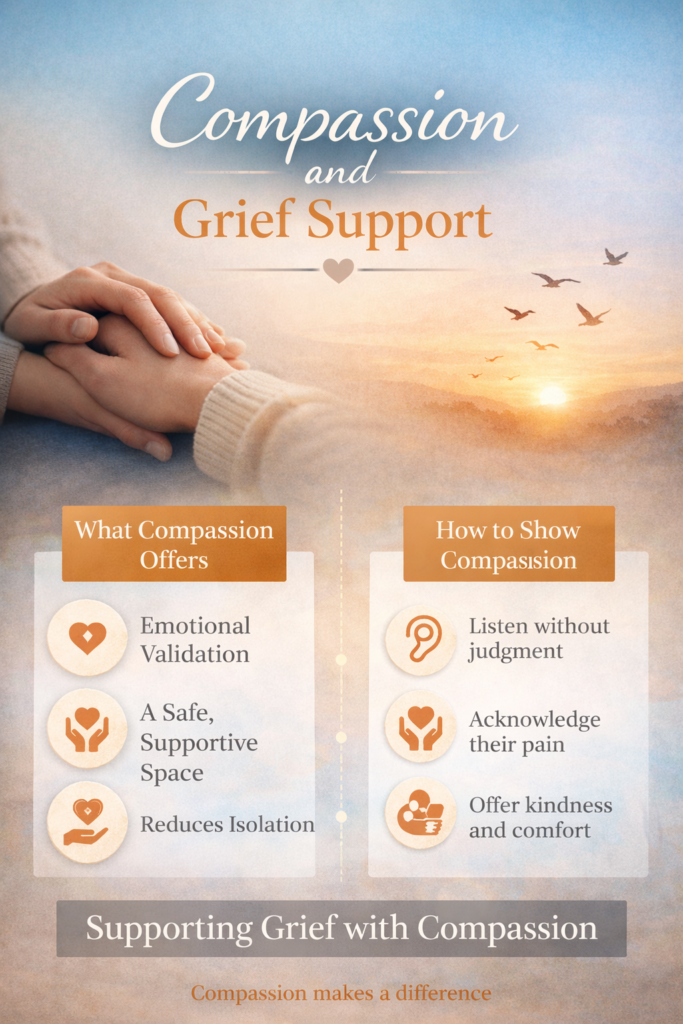
Compassion stands out as a really important part of supporting someone who’s dealing with grief. Whether someone has lost a loved one or experienced some other kind of deep pain, having genuine understanding and kind support can make the ride through grief feel a little less lonely. I want to break down how compassion works in grief support and share some practical ideas for those who want to show up for others in tough times.
The Role of Compassion in Facing Grief
Experiencing grief can feel isolating and overwhelming. I’ve noticed that when compassion shows up, it brings warmth and connection, making even the toughest moments a bit more bearable. Compassion is about caring enough to notice pain, not turning away, and offering a steady presence to someone struggling.
This kind of support isn’t just comforting; research shows it can have real positive effects. When someone feels heard and understood, emotional healing can happen more naturally. Compassion can also spark hope, ease anxiety, and give someone the energy to keep moving through the ups and downs of loss.
Cultural traditions, personal beliefs, and family dynamics often shape how people grieve, but the power of simple compassion stays pretty steady across all those differences. A kind word or a gentle check-in can remind a grieving person that they aren’t completely alone, even if things feel dark.
Understanding Compassion: What It Really Means
Grief support is about a lot more than just saying “I’m sorry for your loss.” Compassion is an active choice to be curious, nonjudgmental, and present. It’s not about fixing someone’s pain, but about showing you care enough to sit with them inside it.
- Empathy: Feeling with someone, not just for them. It means trying to step into their shoes for a moment.
- Patience: Grief isn’t quick or simple. Compassion involves giving people space to move at their own pace.
- Nonjudgment: Not everyone grieves in obvious or traditional ways. A compassionate approach respects every emotion, even when it doesn’t make sense to us.
Something I’ve picked up from grief support groups is that people don’t always want advice. Sometimes, the most compassionate thing I can do is simply listen without trying to solve anything. That kind of presence is super valuable and never goes unnoticed.
Practical Ways to Offer Compassionate Grief Support
No one needs to be a grief expert to show meaningful compassion. Here are some simple, practical ways I’ve found helpful when supporting someone through grief:
- Be Available: Even a quick text saying “I’m thinking about you” can make a difference. The company’s offer, even if it’s gently declined, matters.
- Listen More Than You Speak: Create room for silence or tears. It’s okay to admit “I don’t know what to say.” Honest listening goes a long way.
- Offer Specific Help: Instead of “Let me know if you need anything,” try “I’m bringing dinner on Tuesday, does that work for you?”
- Respect Boundaries: Some people want company; others need solitude. Tuning in and respecting those needs is a really compassionate move.
- Remember the Grief Timeline: Grief doesn’t end after a funeral. Checking in weeks or months later shows you care beyond the crowd.
Small acts of kindness, like delivering a favorite snack or leaving a thoughtful note, can speak volumes about your care. It’s usually not about grand gestures, but about letting someone know they’re held and remembered. Even a caring look or a gentle hand on the shoulder can sometimes say more than words, helping ensure your support feels genuine and heartfelt.
Common Challenges in Practicing Compassion
Supporting a grieving person can bring up its own set of challenges. Here are a few things I’ve come across and some ways to handle them:
- Bumping Into Awkwardness: It’s normal to feel unsure about what to say. Sometimes just acknowledging, “I wish I had better words,” helps defuse tension.
- Fear of Making Things Worse: I used to worry I’d say the wrong thing. The truth is, silence or gentle presence is often better than staying away because of fear.
- Feeling Helpless: You can’t take the pain away, but you can stand beside someone in it, and that’s pretty powerful.
Dealing With Burnout or Compassion Fatigue
If you’re supporting someone close over a long stretch, you might feel drained. Looking after your own well-being is super important. Take breaks, get your own support, and give yourself credit for showing up. Reaching out for resources or talking to a counselor if you feel overwhelmed can help keep your own reserves strong. Remember, you can only give as much as you have, so keeping your emotional tank full matters for you and those you support.
Setting Good Boundaries
Compassion doesn’t mean ignoring your own needs. I’ve found it helps to check in with myself about what I’m able to give, and to communicate clearly. This helps avoid resentment or exhaustion and keeps the support genuine. Honest conversations about your limits—like saying “I need to rest but will call you tomorrow”—make the support sustainable and long-lasting.
Advanced Ideas for Supporting Grief Compassionately
If you’ve got the basics down and want to support someone on a deeper level, these ideas might help:
Encourage Remembrance: Offer to help make a memory box, scrapbook, or playlist of songs that remind them of their loved one. These small rituals can be healing and provide a tangible way to celebrate memories. Encouraging creative outlets gives room for feelings that words sometimes can’t catch.
Mark Important Dates: Note anniversaries, birthdays, and special holidays. These days, a message or gesture lets someone know you remember and care. A simple flower or shared story can hold big meaning on tough dates.
Promote Expression: Some people find comfort in art, journaling, or music. Giving space for those outlets, maybe offering supplies or joining for a creative session, can make a difference in how they process emotions. Even just asking “Would you like to draw together?” can open a door to expression.
Double-check Every Emotion: Grief can bring out anger, guilt, relief, and confusion along with sadness. Letting people know their feelings make sense, even if they don’t look like what you’d expect, shows deep compassion. Remind them there’s no “wrong” way to feel, and that emotional ups and downs are part of grief.
Share Helpful Resources: Sometimes, connecting someone to a local grief group or a professional counselor can be really supportive. You don’t have to go it alone, and neither do they. There are plenty of books, hotlines, and online communities that can give extra support on hard days.
Why Practicing Compassion Really Matters
Compassion isn’t just about comfort; it actually affects how people heal. Studies, such as those published in journals like American Psychologist, show that people who feel supported tend to process loss in healthier ways. Compassion can lower stress, reduce feelings of isolation, and help in preventing more complicated grief down the road.
I’ve seen how even a single caring gesture, a handwritten card, a pot of soup, or a heartfelt memory shared can make a lasting difference. Communities and families heal better when compassion is at the center. The impact of kindness ripples out, inspiring others to do the same.
- Long-term Wellbeing: People who feel compassion during grief are more likely to seek further support, talk about their grief, and move forward in their own time.
- Stronger Relationships: Compassionate support often deepens connections and trust, building stronger bonds that can last long after the hardest days have passed.
Demonstrating compassion does more than comfort the grieving; it helps everyone involved. The act brings perspective to our own lives and creates networks of support that can last for years.
Frequently Asked Questions
Here are a few things folks often wonder about when showing compassion for someone who’s grieving:
Question: What if I don’t know what to say?
Answer: That’s totally normal. Most of the time, it’s not about the exact words. Just being present and authentic means a lot. Even a simple, “I’m here for you,” works.
Question: How long should I keep checking in?
Answer: Keep reaching out for as long as you think of them. Even a brief check-in months later is meaningful. Grieving doesn’t follow a schedule, so ongoing support shows lasting care.
Question: What if someone wants to talk about their loss a lot?
Answer: That’s okay. Sharing stories and memories is a big part of the process for many. Make space for repeated conversations, as it helps people make sense of things. Listening again and again can be part of real support.
Wrapping Up: The Quiet Strength of Compassion
Having compassion for those who are grieving isn’t about having all the answers. It’s about being there, offering your attention, your presence, and your acceptance. Sometimes, that’s the most powerful support you can give. These small, steady acts of kindness add up, making a ride through grief a little bit lighter and a lot less lonely.
If you’re looking for more on this topic, resources like Grief.com and the National Alliance for Grieving Children are worth checking out.
Video: How Small Acts of Kindness Transform Grief #support #bekind #awareness