Talking about the most sold illegal drug in the world always brings up a mix of curiosity and serious concern. The illegal drug trade is a huge global market, and tracking down which drug tops the charts helps shine a light on how it impacts communities, health systems, and even politics across the world. Keeping things straightforward, I’m going to walk you through what the most widely sold illegal drug is, why it earned that spot, and what this means for pretty much everyone, whether you live near a big city or a rural area.
What Is the Most Sold Illegal Drug in the World?
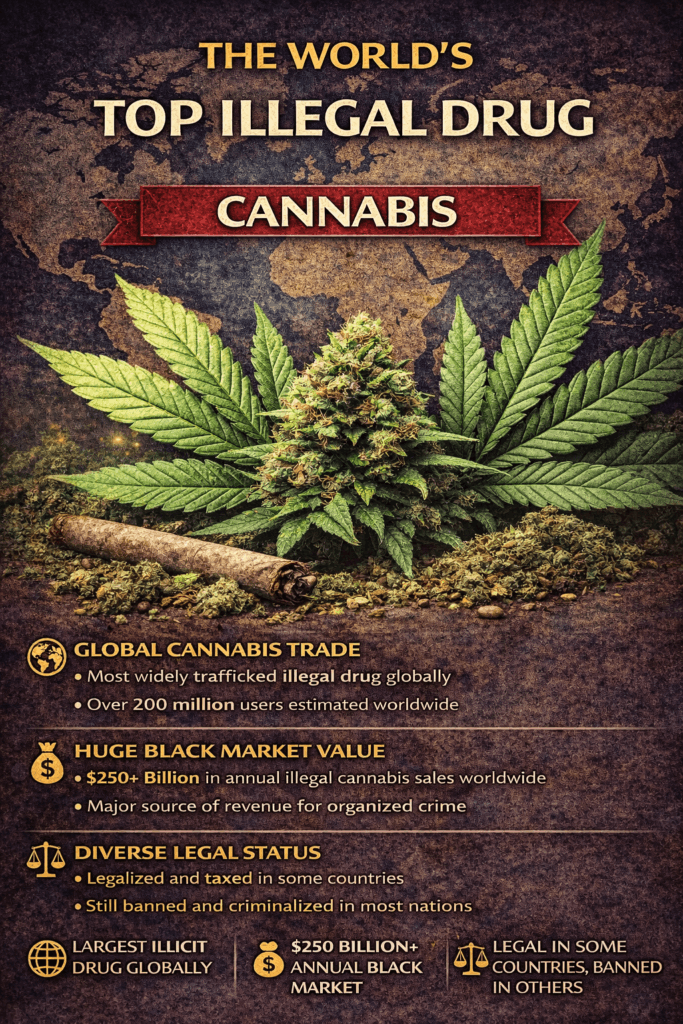
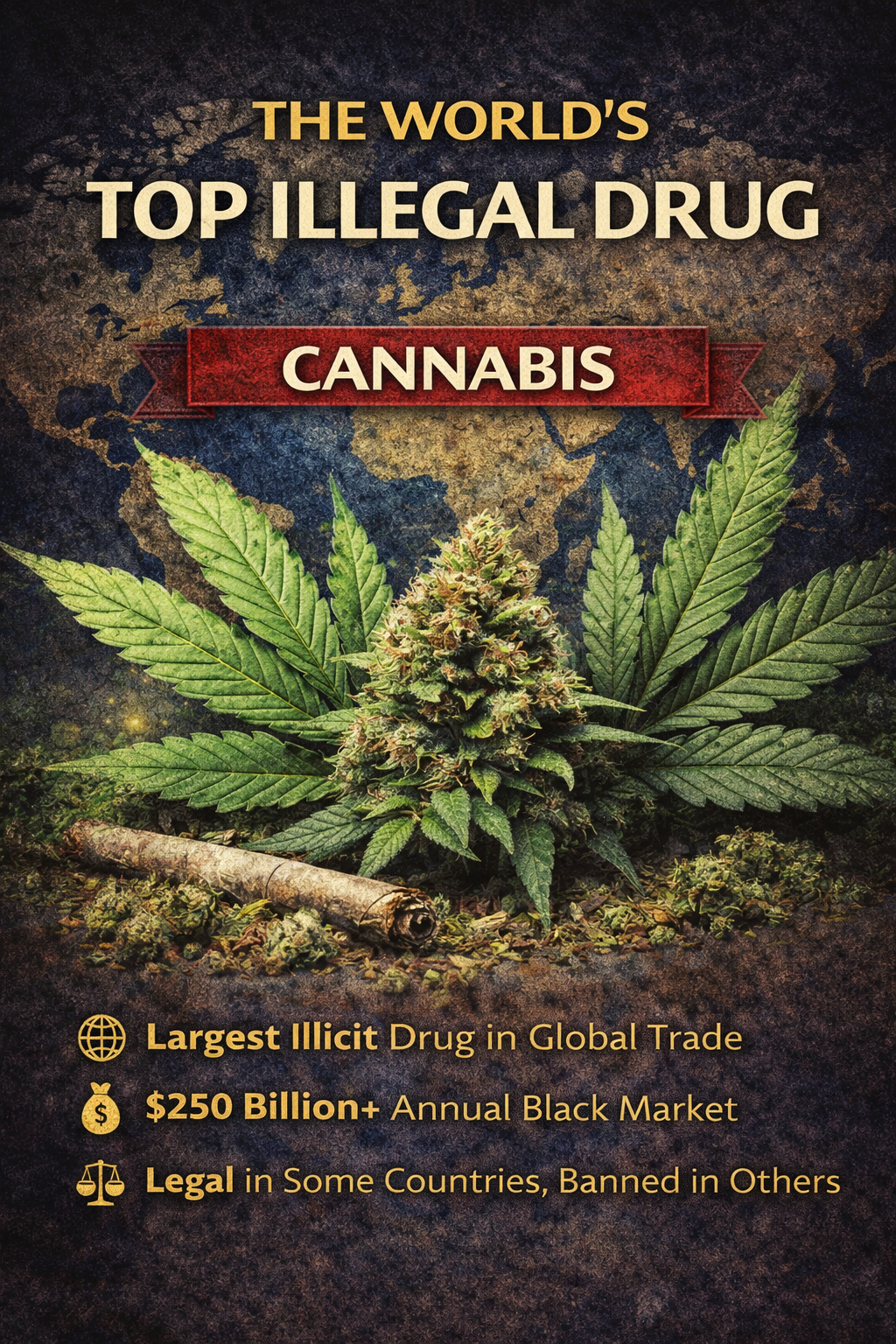
If you ask anyone familiar with global drug trends, cannabis grabs the top spot for being the most sold illegal drug worldwide. Sometimes it’s called marijuana, weed, pot, or a laundry list of slang terms, but it all comes from the cannabis plant. Despite moves toward legalization in some countries, it’s still illegal in many places, making it the single biggest player in the black market by far.
UN agencies and reports from groups like the United Nations Office on Drugs and Crime (UNODC) have pointed out time and again that cannabis is more widely used and trafficked than any other banned substance. The numbers tell the story. According to the UNODC World Drug Report, more than 200 million people worldwide used cannabis at least once in the past year. That’s several times higher than the use of cocaine, heroin, or methamphetamine.
Why Is Cannabis the Top Selling Illegal Drug?
Several reasons explain why cannabis dominates the charts, and it actually comes down to a mix of availability, demand, and production simplicity:
- Super Widespread Popularity: Cannabis is used on every continent and in almost every country. People use it recreationally, for relaxation, or for cultural reasons, making its appeal way broader than harder drugs.
- Easy to Grow: The cannabis plant grows in lots of different environments, from small indoor rooms to sprawling outdoor fields. This makes it easier for producers to meet demand.
- Lower Risk for Users: While there are health and legal consequences, cannabis doesn’t have the same immediate risk of overdose as harder substances. Many perceive it as a lower-risk option, leading to more casual and frequent use.
- High Profit Margins: Because it’s in high demand and simple to produce, cannabis offers good profits for growers and dealers, which keeps supply chains running in both small towns and big cities.
A Brief History of Cannabis as an Illegal Commodity
Cannabis hasn’t always been illegal. Ancient texts mention its use in rituals and medicine thousands of years ago. Fast forward to the 20th century, and many countries criminalized cannabis amid changing attitudes, international treaties, and a push for tighter drug controls. The 1961 United Nations Single Convention on Narcotic Drugs lumped cannabis into the same category as heroin or cocaine, locking its illegal status in for decades in much of the world.
Even with these strict bans, people continued to use and cultivate the plant. Its easy growth enabled it to thrive underground, and smuggling routes developed quickly. In the past couple of decades, some places have changed their minds and legalized cannabis, especially for medical or recreational reasons, but the illegal trade continues to flourish everywhere else.
How the Illegal Cannabis Trade Operates
The illegal cannabis market is massive, stretching across continents. It works through networks that include growers cultivating the plant, smugglers moving it across borders, and dealers selling it on the street or even online. Here’s a basic breakdown of how it usually plays out:
- Growing: Cultivators start with seeds and grow cannabis indoors, outdoors, or even in greenhouses. Some large operations use hidden farms to avoid law enforcement.
- Distribution: Once harvested, cannabis is dried, packaged, and moved, sometimes across dozens of borders. People use everything from backpacks to elaborate tunnels.
- Street Sales and Networks: At the local level, small-time dealers and more organized networks handle sales. Despite crackdowns, online marketplaces, encrypted messaging apps, and other tools help sustain the trade.
In recent years, increased scrutiny by authorities has prompted some traffickers to adopt more creative methods. For example, drones have occasionally been used to carry small quantities of cannabis over fences or borders for a fast and discreet drop. Meanwhile, some syndicates rely on hidden compartments in vehicles or even leverage shipping containers in busy ports to sneak massive shipments past customs. These tactics highlight the ongoing cat-and-mouse game between illicit operators and law enforcement worldwide.
The Real-World Impact of Cannabis as the Most Sold Illegal Drug
It might seem harmless compared to some other drugs, but the global cannabis trade creates lots of ripple effects that are worth knowing about:
- Law Enforcement Challenges: Police have poured millions of dollars (and hours) into cracking down on cannabis, filling courts and jails, with outcomes that are often debated in terms of fairness and cost.
- Public Health: While some researchers highlight benefits, like medical uses for certain conditions, others focus on risks like dependence and negative effects on mental health, mostly for young people or frequent users.
- Funding for Organized Crime: Money from the illegal cannabis market often bankrolls gangs or criminal organizations that traffic in more than just one drug.
- Changing Laws: Ongoing debates about legalizing cannabis link back to its place as the most popular illegal drug. Places that legalize or decriminalize hope to shrink black markets and focus resources elsewhere.
The effects of the illegal cannabis market can vary from country to country. For instance, in some places, tough policing of cannabis has led to prison overcrowding and lifelong criminal records for nonviolent offenders. Conversely, regions with more relaxed policies may see underground dealers push stronger, unregulated products to evade detection, thereby increasing the risk to users. The ongoing debate often pits public health and personal freedom against attempts to reduce illegal trade and crime, showing there are no easy answers when it comes to drug policy.
Challenges Faced by Cannabis Producers and Sellers
Running a business in the shadows brings several headaches for those involved in illegal cannabis. Here are a few of the biggest challenges:
- Evading Law Enforcement: Growers and dealers continually attempt to avoid detection, often resulting in frequent relocation, elaborate hiding places, or nighttime operations.
- Quality Control Issues: Without regulations, you can find everything from pesticide-laced buds to fake cannabis products. It’s risky for users and damages trust among buyers.
- Market Competition: Even in illegal trade, there’s competition. Fast-changing prices, crop failures, and turf wars add stress.
It’s also worth noting that as legalized cannabis markets start up in some countries, illegal growers may find themselves squeezed out by licensed competitors with safer products. This can lead to further tension and shifts in underground operations, sometimes sparking innovation among illegal suppliers who are trying to offer something different or higher quality than what’s available in the legal market. That constant pressure to adapt remains a core challenge for anyone taking part in the illegal trade.
Technological Shifts and the Changing Cannabis Market
With tech always moving forward, the illegal cannabis market keeps adapting. Some examples include:
- Hydroponic Growing: Advanced growing setups mean producers can grow strong, consistent cannabis indoors, making it easier to hide from authorities.
- Online Sales: Encrypted messaging apps, the dark web, and even mainstream social platforms have become quiet hubs for transactions. Sellers get wider reach, buyers get privacy, and law enforcement faces new hurdles.
Technology has changed the game for everyone involved, from growers optimizing lighting systems for maximum yields to sellers creating anonymous payment networks to avoid financial tracing. Meanwhile, police forces are racing to develop new surveillance methods and track online activity—another example of how both sides are always looking for an edge.
What About Other Illegal Drugs?
Cannabis leads by a mile, but it’s not the only illegal drug in the mix. Here’s a quick peek at how some others stack up:
- Cocaine: Huge profits and high demand, especially in North and South America, make this another big player, but total users are far fewer than for cannabis.
- Heroin: Heroin has a heavy toll in terms of addiction and fatal overdoses, but fewer people use it compared to cannabis.
- Methamphetamine: Regions in East Asia and North America see major meth markets, but again, the total number of users can’t match the global reach of cannabis.
Synthetic drugs like fentanyl or MDMA are also significant in certain regions, particularly due to potency and risk factors. However, while their spread can be rapid and dangerous, their overall global user numbers don’t reach the staggering levels seen with cannabis. Still, these substances are watched closely by health agencies, as trends can change quickly and new drugs can gain popularity almost overnight.
Frequently Asked Questions
Question: Why does cannabis remain illegal in so many places if it’s less dangerous than other drugs?
Answer: The answer usually comes down to history, politics, and stigma. Many laws banning cannabis go back decades, and changing them is a slow process. Some governments are relaxing regulations, but attitudes and legal systems are only beginning to adjust.
Question: Are there any regions where cannabis is legal?
Answer: Yes, plenty of places like Canada, Uruguay, and some states in the United States have legalized cannabis for recreational or medical use. Still, it’s illegal at the federal or national level in many countries, and that keeps the black market busy elsewhere.
Question: How do authorities try to tackle the illegal cannabis market?
Answer: Governments use a mix of law enforcement, crop eradication, fines, and public education. Some are shifting focus to regulation or treatment options rather than punishment alone.
Final Thoughts
Cannabis has held the title as the most sold illegal drug in the world for decades. This isn’t just a random fact. It affects policy, public health, crime, and how everyday people see drug use. Even as attitudes and laws about cannabis switch up in some places, its sheer popularity keeps the black market thriving where bans remain. By keeping up with how cannabis laws are changing and the real-world impact of the illegal trade, anyone can get a feel for ongoing debates and shifting headlines about drugs around the globe.
Video: Why hundreds of millions use this illegal drug #DrugFacts #Shocking