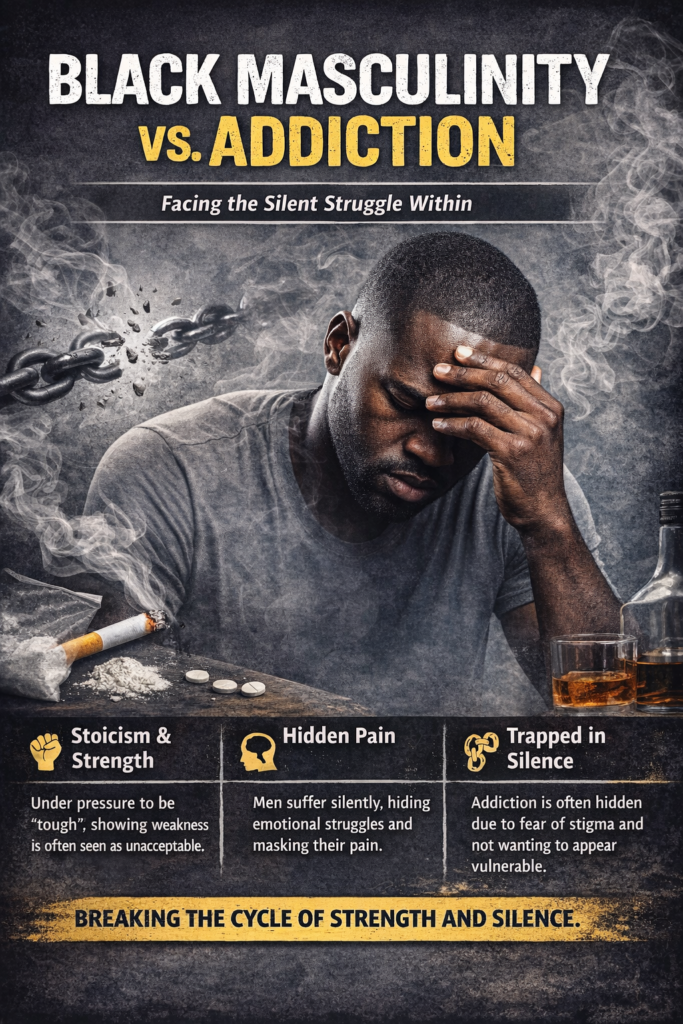
Black masculinity has historically been shaped by rigid expectations, stereotypes, and social pressures that define how Black men are expected to behave. Cultural narratives often emphasize strength, toughness, independence, and emotional control, leaving little room for vulnerability or open expressions of pain. Within this context, substance use and addiction can emerge in the lives of Black men in complex ways that are frequently overlooked, misunderstood, or stigmatized. While discussions about addiction exist in public health and community spaces, they often fail to address how the pressure to appear strong and resilient can discourage Black men from acknowledging struggles or seeking help. The expectation to “stay strong” or remain emotionally guarded may lead some individuals to cope with stress, trauma, or systemic challenges through substance use rather than through supportive resources. Examining the relationship between addiction and Black masculinity helps reveal the social and cultural barriers that prevent open conversations about mental health and recovery. By bringing attention to these dynamics, communities and professionals can create more compassionate approaches that encourage vulnerability, healing, and meaningful support for Black men facing addiction.
The Rise of the “Masc” Illusion
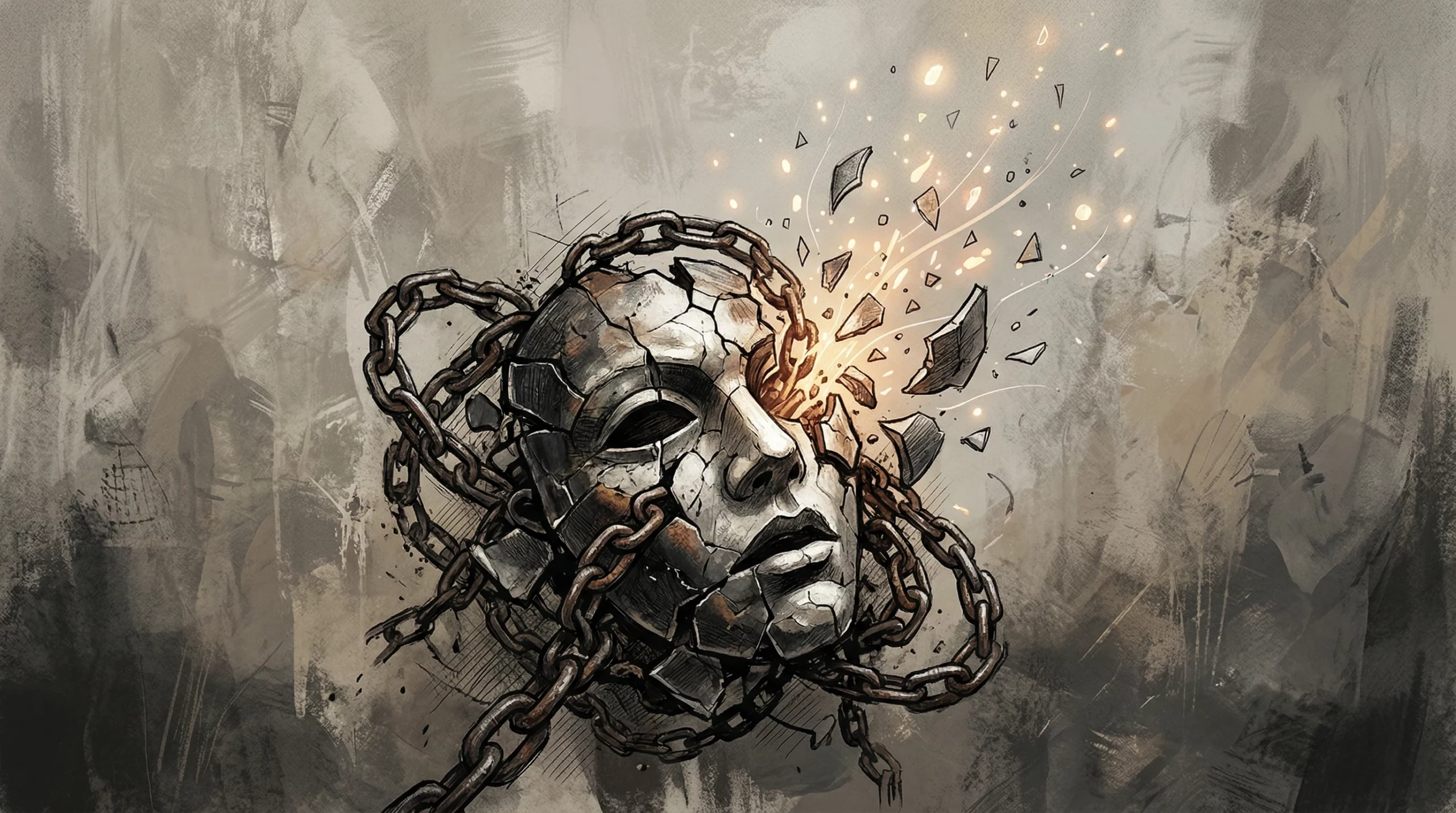
The phrase “Masc Illusion” refers to the way Black men feel pressured to look tough and unaffected, burying their struggles under a mask of strength. This starts early for many, with boys taught to “man up” through hard times rather than opening up about their feelings. The idea is meant to protect, but it often turns into a huge burden, especially when addiction comes into the picture.
Throughout history, Black men have faced social and economic stress, family expectations, and community survival tactics. Put together, these make vulnerability look risky. When it comes to addiction, asking for help sometimes gets seen as a sign of weakness or a personal failing, so it’s easy for real problems to go unnoticed or get written off.
Media and pop culture add another layer, showing Black men in narrow ways—for example, as heroes or threats, but almost never as complex humans who both struggle and heal. All of this builds up the illusion that to be a “real man,” you can’t let addiction be part of your story, even if you’re fighting it alone.
Understanding Addiction’s Impact on Black Men
Addiction is already tough, but it hits even harder for Black men who feel boxed in by what masculinity should look like. Here are some practical ways addiction shows up and gets made worse by all these expectations:
- Emotional Isolation: The pressure to hide pain can keep men from reaching out, often until things feel totally out of control.
- Stigma: Both addiction and mental health issues can carry heavy shame, and in some Black communities, that stigma runs deep. You’ll hear statements like “we don’t talk about that here” or “that’s not what men do.”
- Limited Access to Care: Racism in healthcare, basic barriers like money or insurance, and fear of being judged all make it harder for Black men to get support for addiction.
- Cultural Mistrust: Past and present experiences with discrimination lead many Black men to distrust medical and mental health systems, so they might avoid seeking help.
Addiction’s challenge to Black masculinity is that it both attacks self-worth and gets hidden for the sake of appearances. Finding a way out usually takes stripping away part of the Masc Illusion, but that is easier said than done.
Steps Toward Breaking Out of the Illusion
Challenging the Masc Illusion isn’t about tossing out strength; it’s about adding new tools, like self-acceptance, openness, and community care. Here’s what that process can look like:
- Take Small Steps Toward Openness: Start by talking to one trusted person, maybe a friend or mentor, about what you’re experiencing. The first conversation is usually the hardest and can be a game-changer.
- Educate Yourself and Others: Understanding that addiction is a health issue, not a personal flaw, helps make seeking help normal. Spreading that knowledge makes it safer for others to speak up, too.
- Find Support from People Who Get It: Culturally affirming therapy, peer-led recovery groups, and support networks focused on Black men’s health are out there, though you might need to check out a few options to find what fits. Community and shared experience matter a lot.
- Push Back on Stereotypes: Speaking honestly about pain, stress, or addiction—even just with a few people—starts to change the idea that struggling makes you “less of a man.” Every honest conversation chips away at the illusion.
- Prioritize Self-Compassion: Recovery rarely works with self-blame. Gentle acceptance and practical self-care are just as important as any outside support.
I’ve watched these steps make a difference in real life. Sometimes they work slowly and with setbacks, but none of them mean you have to fit a certain image of what a man “should” be.
Common Obstacles and How to Work Through Them
No one faces addiction in a vacuum. For Black men, here are some common roadblocks and some ways to move past them:
- Fear of Letting Others Down: It’s normal to worry about disappointing family or friends or even yourself. True support doesn’t disappear as soon as things get heavy.
- Worry About Judgment: Judgment can come from both inside and outside. Talking to a professional or joining a group where addiction experiences are familiar can ease this fear over time.
- Practical Barriers: Money, transportation, lack of culturally competent help, or not knowing where to begin are all real issues. Checking in with community health centers or online directories can help you track down the right support.
- Cycles of Relapse: Slipping up doesn’t wipe away progress. Most people in recovery will slip at least once. The goal is to get up, think about what you might need next, and keep going—not to give up completely.
The Masc Illusion often turns these obstacles into proof that “you just aren’t strong enough.” With the right resources and support, it’s possible to push back on that idea, even if it takes time.
Believing Healing is Possible
Healing from addiction means believing you can make it to a better place, even when it feels far off. Seeing stories from people who’ve faced similar struggles can boost your spirit. Whether through podcasts, social media communities, books, or local mentors, finding stories that feel relatable can motivate you to keep going.
If you’re not sure where to start, connecting with these stories or communities can help you feel less alone and offer guidance on the next steps.
What Support Actually Looks Like
Support for Black men facing addiction can come in many forms; it’s not just about medical care. Here’s what’s helped a lot of people:
- Peer Support Groups: Groups for Black men in recovery provide safe spaces to tell the truth, swap resources, and build community. Sharing struggles and victories with others makes a real difference.
- Faith-Basedtoward Resources: For some, churches and faith communities offer support and comfort, especially when practical help is paired with understanding.
- Online Forums and Apps: If in-person meetings feel too intimidating, online recovery spaces and sober app communities make it easy to start and connect anonymously.
- Mentorship: Older men or people further along in recovery can give encouragement and advice, or even just listen when things get hard. That kind of mentorship definitely helps along the way.
It’s worth looking for the type of support that actually fits you, even if it doesn’t look the way you expected. Healing can be as unique as each person experiencing it.
Frequently Asked Questions
These questions often come up for Black men dealing with addiction and masculinity:
Question: Why is it so hard to talk about addiction as a Black man?
Answer: The pressure to seem strong and avoid shame is real. On top of that, distrust in healthcare systems can be a big block. Open, nonjudgmental spaces make it easier to start honest conversations about what’s really going on.
Question: Are there therapists or counselors who understand these issues?
Answer: Yes. Some therapists and counselors specialize in working with Black men and make cultural awareness part of their practice. Searching directories like Therapy for Black Men or the National Queer and Trans Therapists of Color Network is a good place to start.
Question: How can friends and family help?
Answer: Listening without judgment, offering support when asked, and helping with practical needs like tracking down resources all matter. Encouragement to seek care, without making the person feel weak, can really give a boost.
Resources for Recovery and Real Change
The adventure away from the Masc Illusion is personal, but getting support can make a huge difference. Check out these resources if you or someone you know is facing these challenges:
- Therapy for Black Men – connects Black men with therapists who know what they’re going through.
- SAMHSA – the Substance Abuse and Mental Health Services Administration, with a national helpline and a treatment locator. Programs can be tailored to fit your needs.
- BEAM (Black Emotional and Mental Health Collective) – offering virtual education and resources designed for Black communities.
Finding support, sharing your story, and letting go of the Masc Illusion are all important steps toward healing. No one needs to go through this alone—real strength comes from reaching out.
Video: The Strength That Keeps Us Trapped #BlackMasculinity #MentalHealthMatters