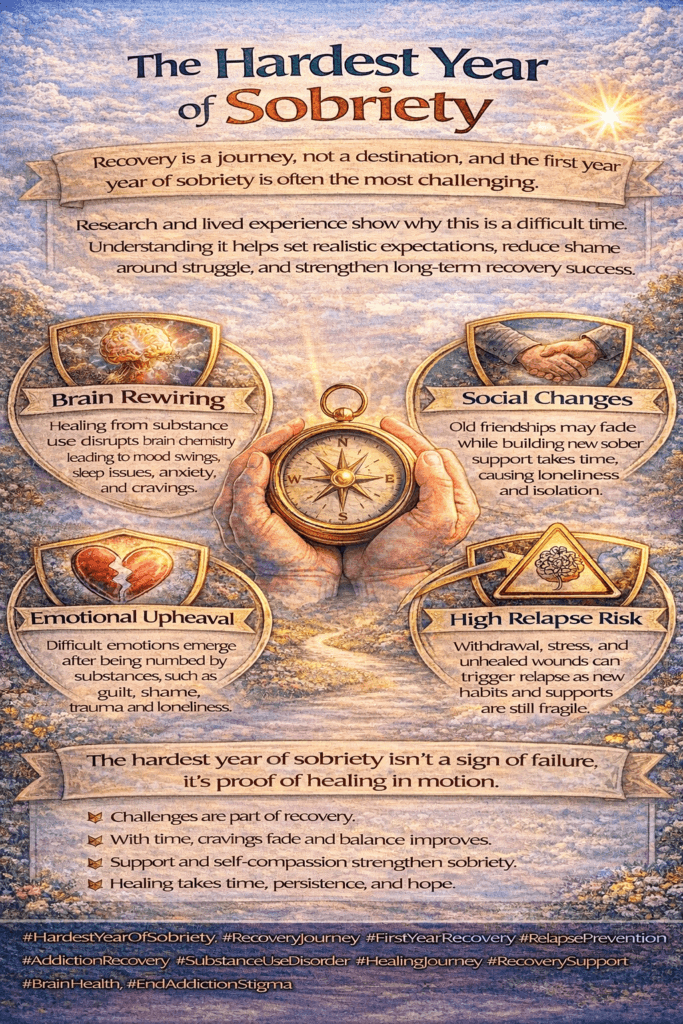
Staying sober can be one of the most challenging journeys a person undertakes, especially during that first year of recovery. For many people, the early months require far more than just avoiding substances; they demand major lifestyle changes, emotional adjustment, and often a complete reshaping of daily routines and social circles. Old habits, environments, and coping mechanisms are suddenly gone, while new ones are still fragile and untested. Emotions can feel unpredictable as the brain and body adjust, and moments of clarity are often followed by periods of doubt or discomfort. Although every path to sobriety is unique, the first year commonly brings a mix of setbacks, growth, and hard-earned victories. These early experiences tend to leave a lasting impact, shaping not only long-term recovery but also how a person understands themselves moving forward.
The Reality of the First Year Sober
The first year I spent sober was packed with surprises, challenges, and small victories that felt huge at the time. Early sobriety isn’t just about quitting drinking or using; it’s building a whole new routine and rewiring how you respond to daily stress and excitement. Most people who’ve gone through this will tell you just how easy it is to underestimate the difficulties in those early days.
According to the National Institute on Alcohol Abuse and Alcoholism, around 20 million Americans battle a substance use disorder, and relapse rates can be as high as 40-60% in the first year. Most relapses happen early on, and that’s a clear sign of just how tough those first 12 months can be.
This isn’t meant to discourage anyone. It’s just to set realistic expectations. Knowing it isn’t easy helps make tough days a little less scary and makes small wins feel even bigger.
Understanding Why the First Year Feels So Hard
There’s a stack of reasons why the first year of sobriety tests you more than most would think. Sometimes just putting one foot in front of the other feels like a huge task. Here’s a look at what makes those early months especially tough:
- Physical Withdrawal: For some, the body needs time to reset. Insomnia, low energy, and mood swings hit hard. I remember lying awake at 3 a.m., questioning everything, which wasn’t something I expected but is totally normal.
- Emotional Unpacking: Once substances are out of the picture, emotions get loud. All the stuff you put off feeling starts showing up, such as guilt, anxiety, or even just boredom. Learning to actually sit with those feelings is a whole new skill.
- Social Changes: Social situations lose their old comfort zone. Friends who drink might not know what to do or say. Events that were once a breeze now come with a dose of awkwardness, and you might need to make or find new connections.
- Sense of Identity: Many people wrap part of their identity around drinking or using. Unpacking who you are without it takes patience.
Practical Tips to Survive and Thrive
Making it through the hardest year doesn’t have to be a mystery. There are a few things that helped me and countless others stay the course, even when the going got rough:
- Build a Support Network: Tapping into support groups, whether it’s AA, SMART Recovery, or just a couple of sober friends, can make things way more manageable.
- Set Small, Achievable Goals: Instead of thinking about a whole year, focus on one day, sometimes one hour, at a time.
- Find Healthier Habits: Replacing old routines with walks, hobbies, or volunteer work helps fill those gaps and keeps hands (and minds) busy.
- Lean on Professional Help: If you’re struggling, counselors or therapists who know recovery back to front offer targeted support and strategies.
- Celebrate Milestones: Don’t wait for the big one-year mark to reward yourself. Celebrate one week, or even one day, because every single step matters.
Every step counts. Even if you backslide a bit, getting back up is what matters most.
Common Hurdles During the First Year
There’s no shortage of challenging moments during the first 12 months of sobriety. Here are some things I faced, and that you might run into too:
- Triggers and Cravings: Certain places, people, or even feelings can catch you off guard, making you want to slip back into old habits.
- Dealing with Relationship Stress: Not everyone understands or supports your new path. Some friends may fade away, while family relationships might change.
- Boredom: Sobriety can sometimes feel less exciting. That’s where new routines and hobbies save the day.
- Holidays and Big Events: Any social gathering can be anxiety-inducing during those first months sober, but advance planning really helps.
Handling Cravings
Urges to drink or use don’t magically disappear, especially when life gets hectic or stressful. I found that having a go-to distraction, like calling a sober friend or taking a quick walk, really helped. Sometimes I’d repeat little reminders, like “This feeling isn’t permanent.” If cravings feel overwhelming, some people find recovery meetings handy because just being around others who get it makes a difference.
Changing Old Friendships
Not all friendships survive sobriety, and that’s okay. I had to distance myself from a few people whose only connection to me was partying. Support groups or even casual online communities can fill that gap with people who genuinely get what you’re going through.
Dealing with Emotional Swings
The first few months hit me with highs and lows that were tough to handle. If your mood is all over the place, that’s normal. Keeping a journal or simply talking things out helps make tricky feelings more manageable.
Helpful Strategies for Sober Living
Getting through tough moments is a lot easier with a bag of practical tricks. These are a few that helped me hang on and stay hopeful:
- Routine is Your Friend: Having a loose daily schedule keeps chaos at bay. Even just regular sleep or mealtimes can set the tone for the day.
- Say No (and Mean It): Knowing your limits and being direct with people matters, especially when you aren’t up for social pressure or risky situations.
- Stay Curious: Try picking up new interests or hobbies—anything from art to hiking to gardening. I learned more about myself in my first year of sobriety than in the previous five years combined.
Being prepared pays off. Having healthy snacks, water, or even just a way to quickly exit a tough situation gives you more control than you’d think.
Building Longterm Resilience
By the end of the first year, things definitely become more manageable. Relapses can happen, but they don’t wipe out progress. Being kind to yourself and learning from setbacks is way more useful than self-blame.
Plenty of sober folks find extra motivation in helping others starting out. Service, volunteering, or just talking with people newer to sobriety can offer reminders about how far you’ve come and why it’s worth sticking to. Supporting others can give a real boost to your sense of purpose, making each day brighter.
- Track Progress in a Journal: Keeping notes about what works (and what doesn’t) is pretty motivating, especially on tough days. Looking back at old entries shows just how far you’ve come.
- Keep Resources Handy: Helplines, recovery podcasts, or helpful apps can turn a rough patch into a manageable one. Bookmark your favorite tools for easy access whenever you need them.
- Use Your Experience: Sharing your story not only helps others, but it can also remind you why you started in the first place.
Your growth, however messy it might look, is real and worth protecting. With every setback comes an opportunity to learn.
Frequently Asked Questions About the Hardest Year of Sobriety
There are a lot of questions people have when it comes to surviving the first year sober. Here are a few common ones with straightforward answers, based on my own adventure and what I’ve heard from others:
Question: How long do cravings usually last?
Answer: Cravings tend to be strongest in the first few weeks and can pop up during stressful times or social events later on. Most people find they get less intense and easier to handle with time and practice. Having quick responses ready, like a supportive call or a favorite activity, also helps shorten their hold over you.
Question: What do I do if I relapse?
Answer: Don’t give up. It’s common and doesn’t erase your progress. Reach out for support, talk it through, and get back on track as soon as you can. Each slip is a chance to learn and grow, not a reason to quit altogether.
Question: How do I deal with people who don’t support my sobriety?
Answer: Protecting your sobriety is more important than pleasing anyone. Setting boundaries helps, and spending time with supportive people can make the transition smoother. Sometimes, it means stepping away from a certain company.
Question: Is it normal to feel lonely?
Answer: Absolutely. Many sober folks feel isolated at first, especially if friends and routines change. It usually gets better as you find people who understand and support your new lifestyle. Joining groups, whether in-person or online, can make a big difference.
Sobriety Brings New Possibilities
The hardest year of sobriety is no joke, but it’s also packed with growth and discovery. I never realized how much I could accomplish or how many ways I could feel content without relying on old habits. If you’re facing your first year, know you don’t have to do it solo. There’s a whole world of resources, communities, and people who’ve been right where you are now. New chapters start every day, and you’ll stumble upon strengths and joys you might not have guessed you had.
Every day sober is proof that things can get better. If you stumble, reach out and keep moving forward. You’ll be surprised by just how much strength you already have and what’s really possible after that first tough year. Small steps forward count, and one day, looking back, you’ll be grateful you kept going.
Video: This is Why Relapse Happens (First Year) #Sobriety #Recovery