Drugs play a pretty big role in health, medicine, and even our daily lives. There’s a lot more to them than just what you see on pharmacy shelves. Knowing the types of drugs out there can help anyone make safer decisions, spot risks, and better understand the treatments doctors recommend. In this article, I’ll guide you through the four main types of drugs, bringing in real-world context, straightforward explanations, and some practical things to keep in mind if you’re curious or just want to stay informed.
What Are the Four Main Types of Drugs?
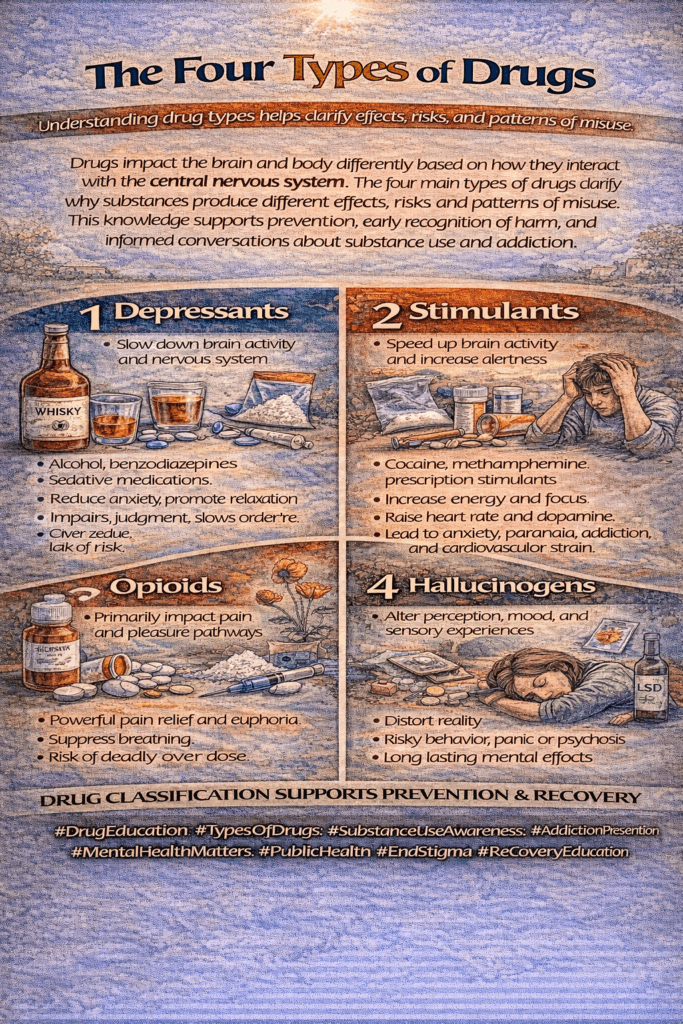
Most conversations around drugs boil down to four core types: stimulants, depressants, opioids (sometimes called narcotics), and hallucinogens. These categories are based on how the drug affects your body and mind. While there are plenty of subtypes and mixtures, these four cover the basics for anyone wanting to make sense of how drugs affect us or why doctors might prescribe one medication over another.
The roots of these drug categories go way back, with many used in some form for centuries, whether for ancient remedies, rituals, or the medicine cabinets of today. Each type brings unique effects, risks, and uses.
Understanding the Four Drug Types
The main thing that sets one drug apart from another is how it changes brain and body activity. Let’s break down what each type does to help you recognize different drugs and their effects:
- Stimulants: These ramp up activity in your brain and nervous system. People sometimes use them to feel more energetic or awake.
- Depressants: These slow down brain function and are commonly used to relax or ease anxiety.
- Opioids (Narcotics): These usually act as strong painkillers while also causing pleasure or drowsiness.
- Hallucinogens: These change perception, affecting how you see, hear, or experience the world, sometimes in dramatic ways.
Quick Guide: What Each Type Does and Common Examples
If you want a short rundown of how each group stacks up, here it is:
- Stimulants: These drugs speed up the transmission of signals between the brain and the rest of the body. This results in increased energy, attention, and sometimes even a sense of euphoria. They can also bring on anxiety or make it tough to sleep for some people.
-
- Examples: Caffeine (in coffee and energy drinks), nicotine (found in tobacco), amphetamines like Adderall and Ritalin, and cocaine.
- Depressants: These have the opposite effect to stimulants. They lower heart rate and slow breathing, bringing on relaxation. They’re sometimes prescribed for anxiety, sleep problems, or muscle spasms. Overuse can lead to dependence and tough withdrawal symptoms.
-
- Examples: Alcohol, benzodiazepines (such as Valium or Xanax), sleeping pills, and barbiturates.
- Opioids (Narcotics): These work mainly as painkillers but can also provide pleasure or a sense of calm that makes them risky for addiction. Doctors prescribe them after surgery or for ongoing pain, but misuse has sparked what many refer to as the “opioid crisis.”
-
- Examples: Morphine, codeine, oxycodone, heroin, and fentanyl.
- Hallucinogens: These drugs change perception and mood, sometimes leading to intense or life-changing experiences. Some people use them for spiritual reasons, but unpredictable effects and potential dangers are common.
-
- Examples: LSD (acid), psilocybin (magic mushrooms), mescaline (peyote), and PCP.
Things to Keep in Mind Before Taking or Handling Any Drug
It’s really important to get reliable information before trying, using, or even storing medications or other substances. Even legal drugs, such as painkillers or cough syrup, can cause issues if used in the wrong way. Here’s what I always suggest people consider:
- Risk of Dependence: Some drugs, especially opioids and depressants, can be habit-forming, even if you take them as prescribed. Prescription status doesn’t always mean they’re risk-free.
- Mixing Substances: Combining drugs, or drugs and alcohol, can bring about unexpected reactions; some can be seriously dangerous. Knowing which combinations to avoid is key to staying safe.
- Legal Concerns: Laws regarding certain drugs can be strict and sometimes confusing. For example, marijuana laws vary a lot between places. Using prescription medications in the wrong way can also create legal issues.
- Long-Term Effects: Repeated use—especially when it’s not for medical reasons—can damage organs, mental health, and even relationships. It’s worth doing research and talking to a health professional if you’re unsure.
Dependence and Withdrawal
Few people ever think they’ll become hooked on a drug, but frequent use can gradually change how your body works. With time, you might need more of the drug to get the same effects or start to feel bad without it. This isn’t only about illegal drugs; some prescription medications carry this risk, too. It’s a good plan to speak with a pharmacist or doctor before changing your dosage or stopping a drug suddenly.
Mixing Drugs and Interactions
Combining drugs can get risky. For example, mixing opioids with benzodiazepines can slow breathing dangerously, and other combinations might spark panic attacks or heart trouble. Even some seemingly harmless over-the-counter cold medicines don’t mix well with antidepressants. If you ever have questions, a quick pharmacy visit or phone call makes a big difference in staying safe.
Individual Responses
Bodies react differently to drugs based on genes, age, existing health conditions, and more. What’s mild for one person can be dangerous for another. If you ever experience unexpected symptoms after taking any medication or substance, reach out to your doctor or pharmacist right away.
Extra Tips for Staying Smart with Drugs
Keeping a few basics in mind goes a long way. Here are some important tips that can help lower risks and boost your confidence in handling drugs:
- Double-Check Prescriptions: Read every info sheet with new prescriptions and ask about potential side effects or interactions, especially when starting something new.
- Avoid Self-Medicating: It’s tempting to up a dose when you’re feeling bad, but taking extra meds without guidance can lead to serious harm.
- Watch Your Mental Health: Many medications for anxiety, depression, or attention disorders can interact in surprising ways. If you notice mood swings, difficulty focusing, or new symptoms, check in with your healthcare provider.
- Safe Storage: Storing medicines where kids or pets can’t find them prevents accidental overdoses or poisoning. Keep medications in their original containers for clear labels and dosing info.
Real-World Use: Where Each Drug Type Shows Up
Drugs aren’t just limited to pharmacy shelves or prescriptions—they show up in daily routines and across different areas of society. Stimulants like caffeine are everywhere in sodas and energy drinks, while amphetamine-based medications are commonly prescribed for ADHD. Opioids are major players in hospitals, but illegal versions also contribute to global addiction crises.
Here are some concrete examples of drug types in real life:
- ADHD Management: Stimulants, such as methylphenidate or amphetamines, are commonly prescribed to improve concentration and focus.
- Pain Management After Surgery: Opioids can make recovery easier, but have to be managed carefully to prevent dependency.
- Coping with Anxiety or Insomnia: Depressants like benzodiazepines are sometimes used for panic attacks or trouble sleeping; most doctors recommend these only for short-term relief.
- Hallucinogens for Therapy: Certain studies are exploring how hallucinogens might help with conditions like PTSD or depression. Although not yet regularly prescribed, clinical trials are ongoing and showing promise.
Frequently Asked Questions
Here are a few questions I often get about the different drug types:
Is it safe to take prescription stimulants if I don’t have ADHD?
Answer: Taking prescription stimulants without medical supervision can be risky. These drugs can raise blood pressure and boost heart rate, stressing the system. It’s best to only use them when directed by a medical professional.
Can you get dependent on painkillers even if they’re prescribed?
Answer: Yes. Opioids and some other painkillers can cause dependence, even with a doctor’s prescription. Always follow the prescribed plan and reach out to your healthcare provider with concerns.
What should I do if I think I’m having a bad reaction to a drug?
Answer: Contact your doctor or pharmacist right away. If the reaction is severe (for instance, trouble breathing or chest pain), get emergency help immediately.
Why Staying Informed About Drugs Matters
Understanding the four main drug types can really help you make more confident decisions about your health, communicate more clearly with your doctor, and support friends and family. These categories provide a basic framework for understanding why certain treatments work as they do and what potential risks they entail. Staying curious and informed puts more control in your own hands, whether you’re managing pain, dealing with anxiety, or just trying to make smart choices day to day.
If you’re ever unsure, a quick check-in with your pharmacist, doctor, or a trusted health information website can make things a lot clearer. Taking small steps to stay informed is always a good investment in your health and safety, and it can help protect those around you, too.
Video: How Depressants, Stimulants & Opioids Actually Work #science #education