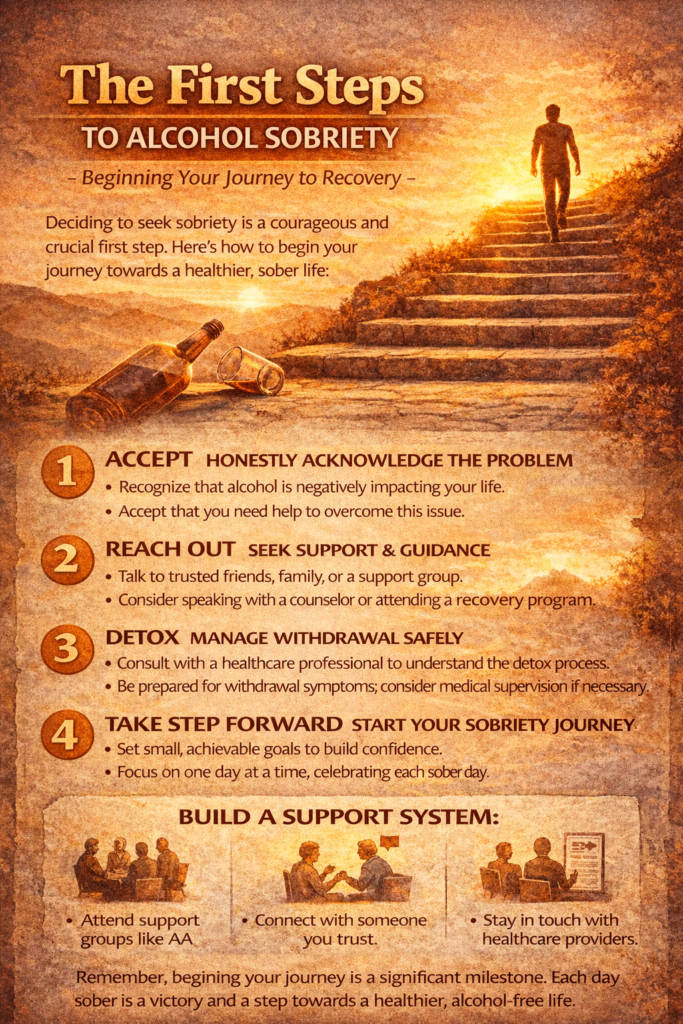
If you’re thinking about giving up alcohol or even just cutting back, those first steps can sometimes feel like the hardest part. I’ve been there myself, and even knowing where to start can make everything feel way less scary. Creating a solid plan really helps, and being kind to yourself on this adventure is super important. So, in this article, I’m going to walk you through the key things I found helpful for getting started with alcohol sobriety, plus share some practical advice and what you can expect on the road ahead.
Understanding Alcohol Sobriety: What Does It Really Mean?
Stepping into sobriety is a decision that can change so much about daily life. Sobriety doesn’t just mean quitting alcohol completely. For some, it might be about drinking less, while for others, it’s about staying away from alcohol for good. Either way, it’s a really personal call. Sometimes I meet people who feel like they’re alone in this, but that’s definitely not true. According to the Substance Abuse and Mental Health Services Administration (SAMHSA), over 20 million Americans have struggled with substance use at some point. Sobriety can mean getting support, practicing new routines, and addressing triggers.
The benefits go beyond just physical health. People often notice better sleep, clearer thinking, and stronger relationships. It’s normal to have a mix of hope, nerves, and even doubt at the starting line. Getting informed about what sobriety looks like is a good first step to moving forward.
Key Foundations: Prepping Yourself to Start Sobriety
Preparing for sobriety is a bit like getting your gear ready before a big hike. It’s not just about willpower; having the right support and resources makes a huge difference. Here are some super practical moves to consider before you start:
- Find Your “Why”: Jotting down the reasons you want to quit or cut back gives you something solid to come back to when things get tough.
- Let Someone Know: Telling a friend or family member can be really helpful, even if it’s just for a bit of encouragement. Some people join online groups or support communities to stay motivated.
- Remove Temptation: Clearing alcohol out of your house, your car, or other easy-to-reach places helps a ton, especially in those first days.
- Plan for Triggers: A trigger can be anything from a stressful day at work to certain people or even just a routine (like grabbing a drink after dinner). Being aware of your biggest triggers makes managing them way easier.
Small things like stocking up on sparkling water or treats you enjoy, or even making plans for tough evenings, can support you during the first stretch.
Step-by-Step Guide: Early Actions for Alcohol Sobriety
Getting started with sobriety usually brings up all kinds of questions, but there are some straightforward first steps that have helped many (including myself):
- Set a Start Date: Instead of “someday,” pick a date to begin, even if it’s just to experiment for a week or a month. Mark it on your calendar.
- Consider Professional Guidance: A doctor, therapist, or counselor can offer advice and resources. If withdrawal symptoms are a concern, medical support is always recommended, as quitting suddenly can sometimes be risky, especially for heavy drinkers.
- Track Progress: Keeping a journal or using an app helps you see how far you’ve come. Writing out your thoughts, moods, or cravings is particularly helpful.
- Reflect on Your Social Circle: Some people find that certain friends, routines, or environments make it hard to stay sober. It might help to let a few people know you’re making a change, or find new ways to spend your evenings.
- Treat Yourself for Milestones: Celebrate small victories, like your first sober week or month, with something fun or relaxing that isn’t tied to alcohol (think new music, a movie night, or a favorite dessert).
Taking these first actions can really give you a boost and help you power through times when motivation dips.
Common Challenges Newcomers Face, and How to Handle Them
No one expects the road to sobriety to be totally smooth. Most of us hit bumps along the way. Here are a few things people commonly face, plus ideas I’ve found useful for getting through them:
- Dealing with Cravings: These often come in waves, especially in the first few weeks. It helps to ride them out. Go for a walk, phone a friend, or distract yourself with music. Cravings tend to fade pretty quickly, even if they feel intense at first.
- Managing Withdrawal: Depending on how much and how often you drink, withdrawal might just mean feeling cranky, tired, or anxious. In more serious cases, it can involve headaches, sweats, or even shakes. If that sounds familiar, getting medical advice before quitting is really important.
- Handling Social Situations: It’s totally normal to feel awkward at parties or family gatherings without a drink in your hand. Planning what you’ll say (“I’m taking a break from alcohol for now”) or having a nonalcoholic drink ready can help.
- Feeling Isolated: If your social life revolves around drinking, finding new groups or hobbies can be a lifeline. Volunteering, sports, or joining sober meetups can ease loneliness and fill your time with something positive.
Cravings and Triggers
Cravings usually don’t last as long as your brain wants you to believe in the moment. Keeping a list of “go to” distractions, like calling a friend, playing a video game, or heading out for a quick walk, keeps you from acting on impulse. Over time, triggers lose their grip, especially when you learn new ways to cope with stress or boredom.
Withdrawal Symptoms
Some people experience just mild discomfort, while others deal with pretty rough symptoms. If you ever feel shaky, confused, or have trouble breathing, getting in touch with a doctor or visiting urgent care is the safest move. For lighter symptoms, staying hydrated, eating regularly, and getting lots of rest can help. Don’t hesitate to reach out for support; medical professionals can offer guidance and care to help you through it.
Social and Emotional Challenges
A lot of people worry about being judged or left out. Being honest with friends, even if it’s just a simple “I’m staying alcohol free tonight,” can take off the pressure. Holding on to your reasons for quitting is a good way to stay focused when you start to second-guess your decision. If you find yourself needing extra support, online groups or talking with a counselor can make all the difference, and over time, your confidence grows as your social skills adapt to your new choices.
It’s reassuring to remember that these challenges are temporary, and each day gets easier. Taking it one day at a time goes a long way. As you stick with it, you’ll notice real improvements and a growing sense of strength in facing old situations with a new perspective.
Tips for Building Lasting Habits
Once you’ve tackled the first few days or weeks, it helps to establish some routines to keep sobriety around for the long run. Here are a few strategies that helped me (and that I see come up again and again in support groups):
Keep a Routine: Hanging onto steady daily routines, like regular sleep, meals, and exercise, makes you less likely to slip back, especially during stressful stretches.
Stay Connected: Whether it’s a sponsor, therapist, or sober friend, having someone to text or call when cravings hit makes sobriety less lonely.
Explore New Interests: Trying out classes or hobbies (cooking, art, running, you name it) not only fills your time but also gives you new things to look forward to, outside of drinking. Activities like volunteering or taking nature walks can add meaning to your days and help you build confidence in your alcohol free lifestyle.
These aren’t magic fixes, just practical habits that give sobriety a solid foundation over time. Remember that building habits takes patience, and some days will be easier than others. Celebrate small wins, keep goals clear, and reach out if you need encouragement. Your routines will keep you grounded and remind you of the progress you’re making.
The Basics: What Support Resources Should Beginners Look For?
Support can make a gigantic difference, especially early on. Here are some types of help worth looking into:
- Online Communities: Spaces like the r/stopdrinking subreddit, SMART Recovery, or Facebook groups offer connection, advice, and real stories that really help normalize the ups and downs of sobriety.
- Therapy and Counseling: Working with a mental health professional gives you extra tools for tackling the emotional side of quitting, as well as coping with stress, trauma, or depression if those are part of your story too.
- In-Person Peer Groups: Groups like Alcoholics Anonymous bring people together for regular support, sharing experiences and advice in a no-judgment zone.
- Helplines and Apps: There are sobriety-tracking apps, crisis helplines, and text-based services that offer support whenever you need it.
Reaching out for help is a sign of strength, and there’s no one-size-fits-all approach. Mixing and matching resources is totally normal; just find what works best for you. You might also want to read stories from people in recovery or listen to podcasts about sobriety to keep yourself feeling supported. Remember, you’re never alone on this road, and your support system can grow with you.
Frequently Asked Questions
A few common questions always come up for those just getting started with sobriety:
Question: What if I slip up? Does it mean I’ve failed?
Answer: Definitely not. Slipping up is common, and what’s important is to try again. Reflect on what led to the slip, reach out to someone, and keep moving forward. Every day is a new chance.
Question: How long until I feel better?
Answer: Many people notice some improvements in sleep and mood within a week or two, but everyone’s timeline is a bit different. Give yourself some grace, and try to celebrate every bit of progress.
Question: Is it possible to handle sobriety alone?
Answer: Some people manage solo, but getting support (from a group, counselor, or friend) makes the road much smoother and less lonely. Connection helps, especially when motivation dips.
Moving Forward: Building Confidence
Starting an adventure toward alcohol sobriety takes courage, and focusing on those first actionable steps is super important. Small changes add up quickly, and every day alcohol free is a win in itself. With the right information, a plan, and a bit of support, sobriety becomes less about missing out and more about what you’re building for yourself. Keep going; you’ve already taken the biggest step just by starting, and you should be proud.
And when things feel tough, remember, there’s always another tool, group, or resource out there ready to help you keep moving forward. Every step you take is a sign of your strength and determination.
Video: