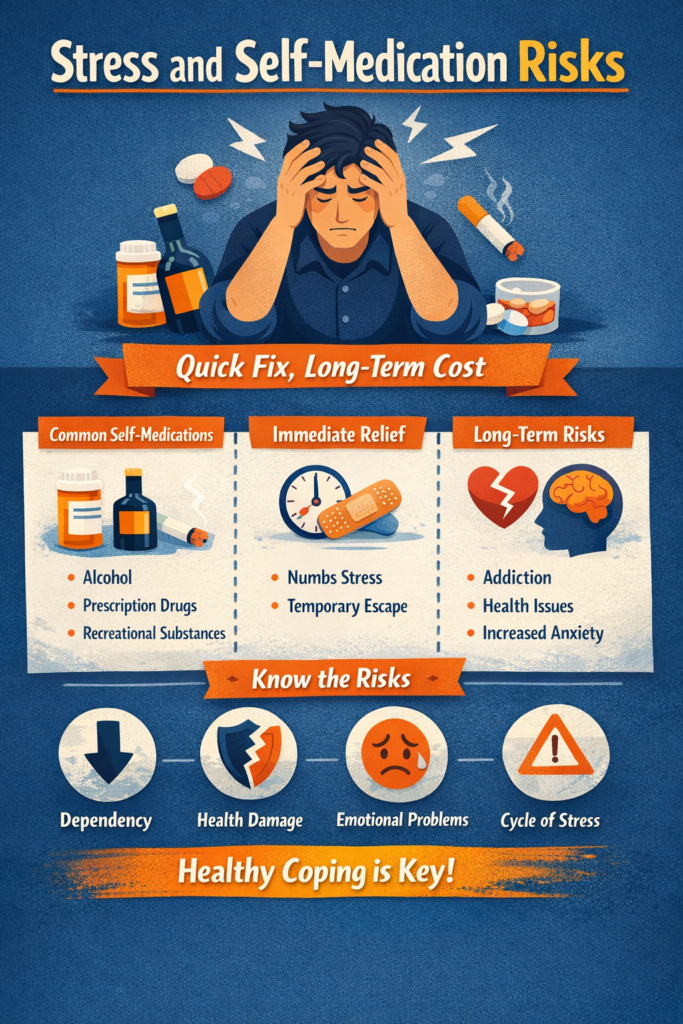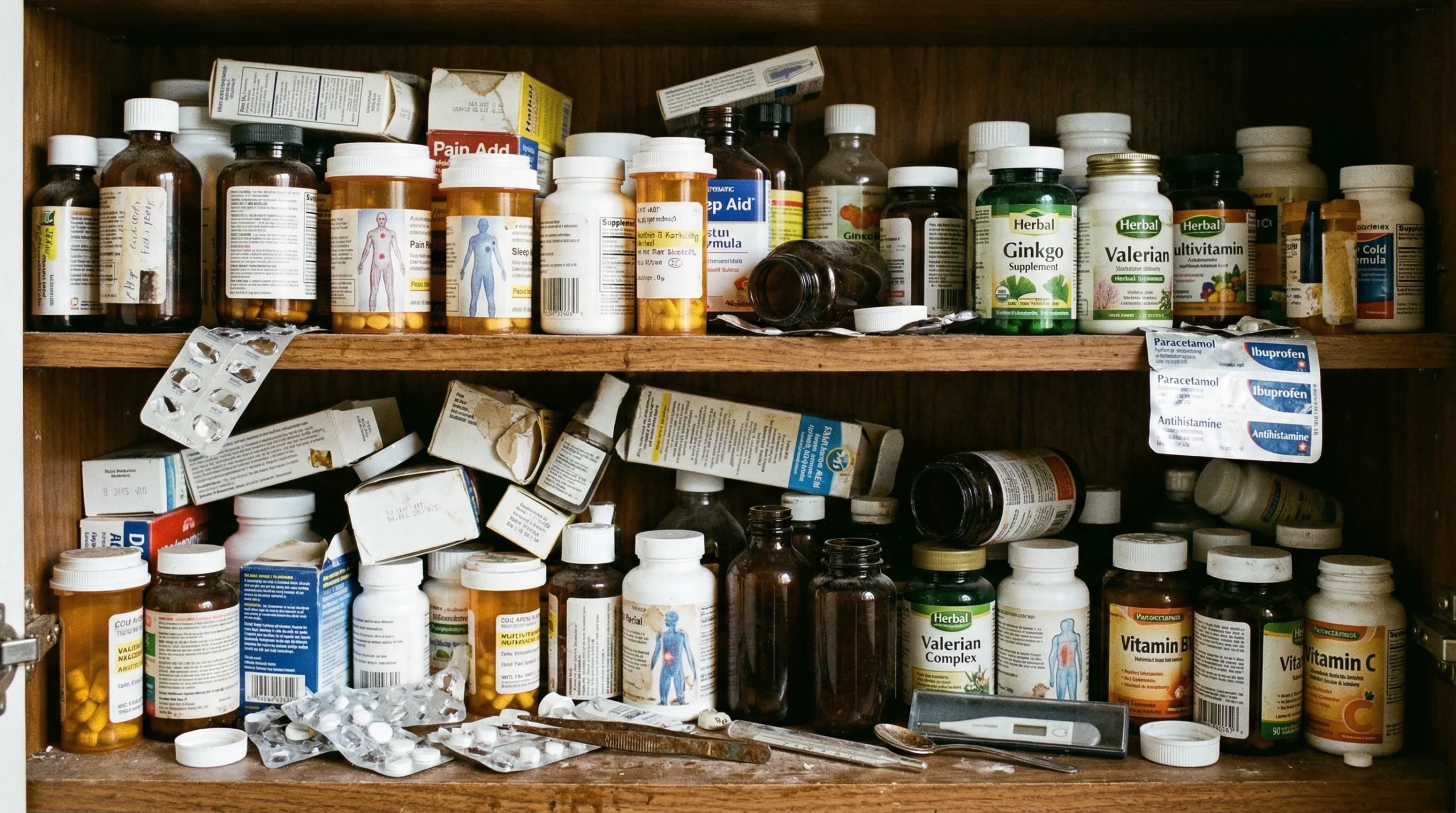
Self-medication isn’t new, but when it comes to dealing with stress, it’s something I see all the time. Lately, more people reach for over-the-counter pills, herbal remedies, or even a glass of wine just to take the edge off a tough day. While this might look harmless at first, self-medicating for stress can quickly lead to some unintended problems both for your body and mind. I’m going to unpack why self-medication seems so tempting, how it can spiral, and what healthier ways there are to actually cope with stress.
The Appeal of Self-Medication for Stress
The pull to deal with stress on your own is pretty strong. Life isn’t slowing down, and not everyone feels comfortable reaching out to professionals. It’s no surprise that many people reach for something quick and easy to numb the tension. Grabbing a painkiller, sipping a drink, or taking a “natural” supplement can feel like a simple fix.
There’s a comforting sense of control when I choose my own solution. Popping a pill at home or pouring a drink after work takes just seconds and doesn’t involve talking to anyone about what’s really bothering me. Many people appreciate that privacy and convenience, and it’s tempting to believe that handling things solo is a sign of strength.
Many stress symptoms, such as headaches, muscle pain, sleeplessness, or anxious feelings, are things I want to fix right away. Those quick fixes can look really appealing. Plus, products pushed as “natural” or “herbal” often seem safer, even though they can still have risks—people sometimes think something that comes from a plant must be harmless, but that’s not always true. Popular culture and advertising also play a role, with plenty of messaging about easily available “relief.”
Risks That Come with Self-Medicating
While it’s easy to see why people self-medicate, it can cause more headaches than it solves. People might use medicine, alcohol, or even food to push down stress, but this can backfire and lead to worse health and bigger problems later.
- Masking the real problem: Instead of working through what’s causing stress, medication or alcohol only covers up the symptoms. This makes it tougher to get to the root of the issue and might even delay real solutions.
- Accidental overdose and side effects: Without a doctor’s guidance, it’s easy to take too much or mix the wrong things. Even over-the-counter drugs and supplements have risks if they’re mixed together or used longer than intended. Taking multiple remedies increases the chances of harmful interactions.
- Addiction: Leaning on substances to cope can create new habits that are hard to break. Alcohol, sleep aids, and even some herbal remedies carry a risk for dependency. The moment I start needing a drink every night to relax, it becomes a slippery slope.
- Worsening mental health: Some ways of self-medicating can actually increase anxiety or depression over time. For example, I might notice I feel more down after using alcohol or cannabis to relax, even if it seemed to help in the moment. Overusing substances can blunt your mood and energy levels in the long run.
Additionally, self-medication can affect other aspects of life, such as job performance and relationships. It can dull not just stress, but also the motivation and creativity needed to solve problems. This, in turn, makes everyday life more challenging.
Spotting the Signs of Unhealthy Self-Medication
It’s easy to convince myself that I’m still in control, even when stress relief turns into a habit. Spotting the signs that things aren’t so healthy is really important.
- I use medicine, alcohol, or food nearly every time I feel stressed or upset.
- Over time, I need to use more of the same thing to get the same calming effect.
- I hide how much I’m using or avoid telling anyone about it. If I find myself sneaking or feeling guilty, that’s a warning sign.
- Certain responsibilities, relationships, or health start to slip because of it. I may start missing work deadlines or arguing more with loved ones.
- I feel restless or moody if I try to stop. Withdrawal symptoms can be physical or emotional, showing that a reliance is forming.
If these points sound familiar, it might be a good time to rethink my approach to stress management. Paying attention to patterns and asking trusted friends to weigh in can also help see things clearly.
Common Stress Self-Medication Methods
Not everyone uses the same route to manage stress. Here’s what I’ve noticed are some pretty common paths:
- Alcohol: Having a drink to relax at night or wind down after work is common. It becomes risky if it’s the main way I calm down or sleep. Even “just one glass” can easily become two or three over time.
- Painkillers: Medications like acetaminophen or ibuprofen can help with headaches or muscle tension, but using them all the time isn’t recommended without a doctor’s direction. Overuse may lead to stomach issues, liver strain, or even more pain in the long run.
- Sleep Aids: Over-the-counter sleep drugs or herbal options are used a lot by people tossing and turning because of worry. These can become habit-forming and don’t fix the underlying causes for bad sleep. Long-term reliance can make it harder to sleep naturally.
- Herbal supplements: Products with valerian root, CBD, or melatonin seem more natural but can still cause problems with long-term or heavy use, especially if I’m mixing them with medications. Some herbs can also affect heart rate, blood pressure, or hormone levels.
- Food: Many people grab snacks or sweets to get through rough spots. Emotional eating might calm things down for a moment, but it can take a toll on my health and energy over time. Weight gain, blood sugar swings, and low energy can add to my stress.
Common Misconceptions About Self-Medicating for Stress
A few widespread beliefs make self-medication seem safer or smarter than it is:
- “Natural means safe”: Just because a remedy is plant-based doesn’t mean it’s safe in high doses or when mixed with other products. Some “natural” substances interact badly with prescription drugs or health conditions.
- “I can handle it myself”: Many think managing things on my own proves strength. In reality, reaching out for help is just as strong a choice, and having support from others actually makes change easier.
- “It’s just temporary”: Sometimes, what starts as a short-term fix turns into a long-term pattern without me noticing. The change can be slow and subtle, so it’s important to check in with myself regularly.
Better Ways to Handle Stress
There’s plenty I can do besides self-medicate. These approaches don’t create new problems and often deliver real relief over time:
- Exercise: Even a quick walk releases endorphins, which are natural mood boosters. Any movement counts—dancing in your kitchen, taking the stairs, or stretching all contribute.
- Mindfulness: Techniques like meditation or deep breathing are super helpful for calming a buzzing mind. Apps such as Headspace or Calm make it easier than ever to try these tools, and even just a few minutes each day can help.
- Talking it out: Sometimes telling someone what’s stressing me out, whether it’s a friend, family member, or counselor, provides a surprising amount of relief. You don’t have to problem solve; just being heard can lift a huge weight.
- Journaling: Writing out what’s on my mind can help me see patterns, triggers, and possible solutions. It doesn’t have to be formal; even jotting notes on my phone counts.
- Time management: Organizing my schedule and setting boundaries helps keep stress levels reasonable throughout each week. Prioritizing what matters most can help prevent overwhelm before it starts.
If things feel overwhelming or nothing seems to work, it’s totally okay to reach out to a health professional. Figuring out a plan together is much more effective and safer than going it alone. There is zero shame in talking to a counselor or doctor, or in joining a support group.
Barriers People Face When Seeking Healthy Stress Relief
It’s not always easy to ditch self-medication, especially when stress feels out of control. I know plenty of folks who worry about the time, money, or energy it takes to get help. There can also be embarrassment about asking for support, or the belief that no one else deals with stress like this.
Stigma around mental health treatment is still real for a lot of people. Some feel worried they’ll be judged or think “real problems” need professional help, not everyday stresses. In reality, help exists for everyone—no problem is too small. And taking action early can keep stress from growing down the road.
Lack of information about mental health resources or feeling overwhelmed by choices are additional hurdles. But a simple conversation, a web search, or a quick call to a local clinic can start the process.
How to Safely Step Away from Self-Medication
Changing up how I handle stress isn’t about quitting cold turkey or making huge moves right away. These small steps make it smoother:
- Track my habits: Noticing how often I reach for a drink, pill, or snack can help me spot patterns and identify triggers for my urge to self-medicate.
- Replace one habit at a time: Next time I want to self-medicate, I try something else, like calling a friend, stepping outside, or breathing exercises. Even reading, drawing, or listening to music can help break up the pattern.
- Reach out: It’s super useful to let someone in on my goal to cut back, whether that’s a friend or a counselor. Support makes a big difference, even if it’s just someone to check in with once a week.
- Practice patience: Habits form over time, so unwinding them will take time, too. Progress beats perfection every time. Treating myself with kindness—and celebrating small wins—really keeps me motivated.
The main thing is not to get discouraged if I slip up. Small changes add up, and support is always available. If things get tough, reaching out to a professional can offer extra guidance and reassurance.
FAQ: Self-Medication and Stress
Here are some questions I’m often asked by friends, readers, and people I meet:
Is self-medicating ever safe?
Using over-the-counter painkillers or supplements for short-term, mild stress is generally safe if I stick to the instructions. Still, it’s worth checking with a health provider if I plan to use something regularly or combine different remedies. If there’s ever doubt or an urge to increase the dose, it’s a good sign to seek advice.
How do I know if my coping habits are unhealthy?
If I rely on any substance or behavior to escape stress on a regular basis, or if it affects my health, sleep, relationships, or job, it could be time for a change. Noticing withdrawal symptoms, secrecy, or worsening mood are other warning signs.
Where can I turn if I need help managing stress?
Support is out there. Chatting with a doctor, counselor, or helpline is a good starting point. Many online resources and local community centers also offer help. The Mayo Clinic and Mental Health America both offer useful guides and hotlines to help you find what works best for you.
Final Thoughts
Managing stress doesn’t need to involve risky shortcuts. Although self-medicating might feel easier in a pinch, it tends to create extra bumps along the way. Exploring healthier, safer coping options pays off, and support is only a conversation away. Turning to better stress-management strategies means investing in my long-term health, and that’s worth it every time. By checking in with myself, staying honest, and asking for help early, I can build resilience and find relief that truly lasts.
Video: How Self-Medication Becomes Addiction #health #fyp