Food plays a pretty interesting role in our lives, not just as fuel, but as something that shapes how we connect with others. If you think about all those family meals, date nights, or even just sharing a snack with a friend, it’s easy to see how food and love are tied together. In this article, I’m sharing everything I’ve learned (and felt!) about how food connects with love, from cultural roots to fun science facts, plus how you can use food to deepen your own relationships.
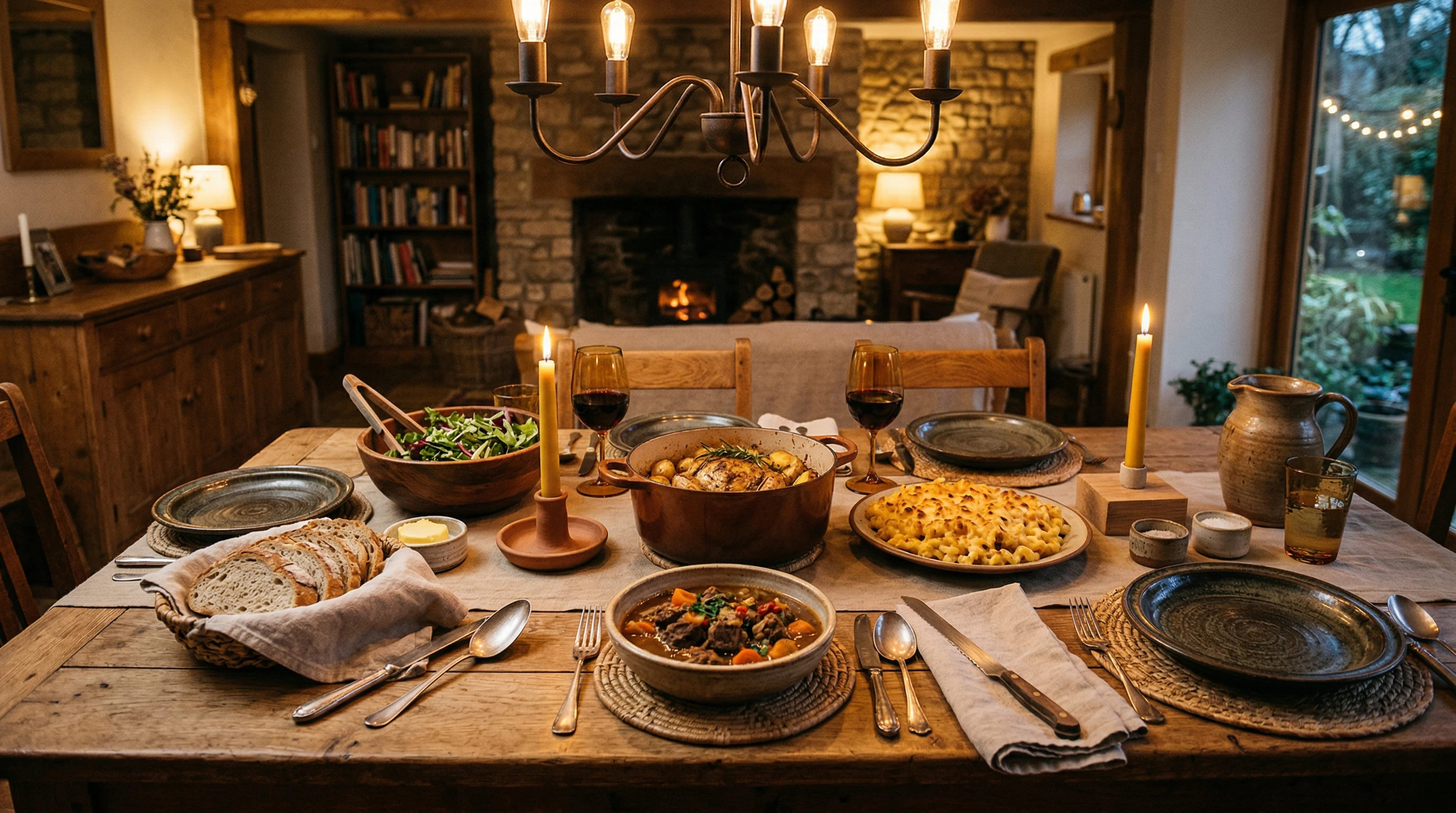
The Power of Sharing Food
Passing food around the table or prepping a meal together can feel small, but these moments actually do a lot in bringing people closer. Making and sharing food has been a simple way for people to show they care, long before takeout and food delivery were a thing. When I cook for someone, I’m not just handing over calories; I’m saying I want them to feel happy, healthy, and at home.
All across the world, from Italian pasta feasts to Japanese bento lunches, food plays a part in family rituals and celebrations. In many families, recipes get passed down through generations, serving as edible memories. Special occasions almost always center around a meal for a reason. It just feels more personal when there’s food involved.
Even beyond celebrations, small moments mean a lot. Sharing a late-night snack after a stressful day or bringing someone soup when they’re under the weather shows thoughtfulness and strengthens bonds in everyday life.
How Meals Shape Emotional Bonds
Sitting down for a meal is way more than a chance to eat. I’ve noticed that when friends invite me for dinner or when my family gathers around one table, conversation flows easily and people open up. Psychologists even say that eating together can boost emotional bonds, especially between kids and parents. Regular family dinners are linked to more honest communication and even better self-esteem for kids.
It’s not just families, either. Think about first dates: grabbing coffee, sitting down for pizza, or even just splitting dessert. Food has this magical way of breaking the ice. Eating together helps people relax and makes it easier to build trust, which basically lays a foundation for closer relationships.
- Comfort Foods: Dishes like chicken soup, mashed potatoes, or mom’s cookies don’t just fill your stomach; they stir feelings of safety and nostalgia.
- Celebration Foods: Special foods (birthday cakes, holiday roasts, fancy desserts) mark important milestones and show appreciation for others.
- Acts of Service: Cooking for someone is an everyday way to show love, especially for those who express care through actions rather than words.
There’s something about preparing a meal with someone else, too. Chopping veggies side by side or working together on a recipe provides quiet time for connection, making the entire experience emotionally meaningful.
How Culture Ties Food to Love
Every culture has its own way of connecting food and love. Traditional meals often carry deep cultural meaning. For example, sharing dumplings during Lunar New Year isn’t just about tasting something yummy; it’s about honoring history, wishing for good luck, and connecting generations. The feeling of being cared for is built right into the act of preparing and serving these foods.
In Mediterranean cultures, long dinners full of laughter highlight not just good cooking, but togetherness. In Mexico, passing around homemade tamales at family gatherings is a way to say “I love you” without words. For me, nothing compares to the feeling of being welcomed into someone’s home for a homemade meal; it’s one of the sincerest gestures of acceptance and trust I know.
Food traditions often act as bridges across generations and geographies. Sharing a meal from your childhood with a friend or loved one gives them a window into your background and identity, building a sense of belonging and continuity.
Science Behind Food, Mood, and Love
Food affects the brain in ways that are closely linked to emotions, including love. When you eat something you enjoy, your brain releases dopamine, a “feel-good” chemical. There’s also oxytocin, known as the “love hormone,” which spikes during bonding activities like cooking together or sharing a meal. I’ve read that eating chocolate can spark the same chemical reactions as falling in love. No wonder it’s a go-to for Valentine’s Day!
Here are a few ways science connects food and closeness:
- Shared Experiences: Eating the same dish can trigger the release of oxytocin, making people feel more connected.
- Rituals: Simple rituals like saying “cheers” or breaking bread together signal unity and togetherness.
- Comfort: Certain foods soothe nerves and lower stress, which creates a cozy, loving vibe.
Interestingly, foods rich in certain nutrients (like tryptophan in turkey or magnesium in chocolate) can boost mood, supporting the idea that comfort foods have their scientific merits, not just emotional ones.
Ways to Use Food to Strengthen Relationships
It’s pretty easy to use food intentionally to boost your own connections. Here are a few ideas I’ve tried or seen work well:
- Cook Together: Making food as a team means more than just dinner; it’s an activity where you can share stories and laughs, while also learning about each other’s tastes and traditions.
- Try New Flavors: Exploring new cuisines can be a full-on adventure, even in your own kitchen. Sharing the experience of something new can create fun, lasting memories.
- Celebrate With Meals: Mark small wins and big events with food. Even simple gestures, like bringing a favorite snack when someone’s had a tough day, can show you care.
- Pancake Breakfasts or Taco Nights: Creating mini rituals, even if it’s once a week, gives everyone something to look forward to and builds a routine around togetherness.
You might also try hosting potluck dinners, where each person brings a dish with special meaning. This not only spreads out the cooking effort but lets everyone share a piece of their story.
Things Worth Considering Before You Use Food to Show Love
Not every food gesture lands the same way for everyone. Here are a few things I’ve learned to keep in mind:
- Food Allergies and Restrictions: Taking note of what someone can or can’t eat is a sign you’re paying attention; that’s pretty caring in itself.
- Personal Preferences: Some people appreciate big homemade meals, while others would rather just hang out over coffee. It’s smart to ask about favorites (and pet peeves) before you plan something special.
- Nourishment vs. Overindulgence: While treats are awesome, sometimes love means supporting healthier habits too. Packing a nutritious lunch or finding fun ways to cook balanced meals can be a way to show support long-term.
- Respect Boundaries: For people with complicated relationships with food (maybe because of past challenges with eating or health), showing love might mean finding other ways to connect, like handwritten notes or acts of service.
Food Allergies and Sensitivities
When cooking for others, I always check for any foods to avoid. Allergies and intolerances are surprisingly common, and simply asking about them shows you care about their well-being. It’s a tiny detail, but super important for keeping the mood positive and the meal safe.
Dietary Needs and Values
Being thoughtful about vegetarian, vegan, gluten-free, or other food choices goes a long way. Even if you’re not following these ways of eating yourself, making (or finding) food everyone can enjoy creates a much more inclusive atmosphere. Adapting recipes and seeking fresh alternatives are great ways to show you value each person at the table.
Food and Love in Modern Life
It might seem like technology and busy schedules have kind of taken the shine off family dinners or home-cooked meals. But I’ve found that even simple food traditions, like ordering the same pizza every Friday or baking muffins for a neighbor, help build bonds. Food delivery apps make it easy to show someone you care, no matter where they are, and virtual dinner parties mean you can cook and eat “together” even if you’re far apart.
There are online cooking classes, meal subscription boxes for beginners, or food swaps in your neighborhood. Even sharing recipes through a chat message keeps the connection there. I think the heart behind the food matters way more than how fancy or photogenic it is.
- Online Cooking Classes: Great for couples or friends who live far apart but want to cook together.
- Recipe Sharing: Swapping family recipes or new food discoveries is a fun, personal way to stay connected.
You could also try virtual potlucks or arrange video calls while cooking, adding a new twist to regular meals and keeping friendships strong.
Frequently Asked Questions
Here are a few questions I often get about the connection between food and love:
Question: How do I use food to show someone I care?
Answer: You can cook their favorite meal, pick up a treat you know they love, or invite them over for a casual dinner. The effort is what people notice most.
Question: Does sharing a meal really make relationships stronger?
Answer: Yes, science shows that regular shared meals boost communication, trust, and feelings of closeness. Even small snacks or coffee breaks can help.
Question: What are some easy ways to start food traditions in my family or friend group?
Answer: Start simple! Weekly pizza nights, weekend pancakes, or monthly potlucks are all easy to keep up with, and everyone can join in.
Why Food and Love Go Hand in Hand
Food isn’t just about eating; it’s about caring, celebrating, and creating memories. Whether you’re cooking up an old family recipe, trying something new, or just grabbing snacks with friends, those food moments often turn into the stories we tell for years to come. Paying attention to what, how, and with whom we eat can make even everyday meals feel a little more special and meaningful.
Sharing food is one of the easiest, real ways I know to show you care. Keep it simple, keep it personal, and you’ll always have a seat at the table of life’s best moments.