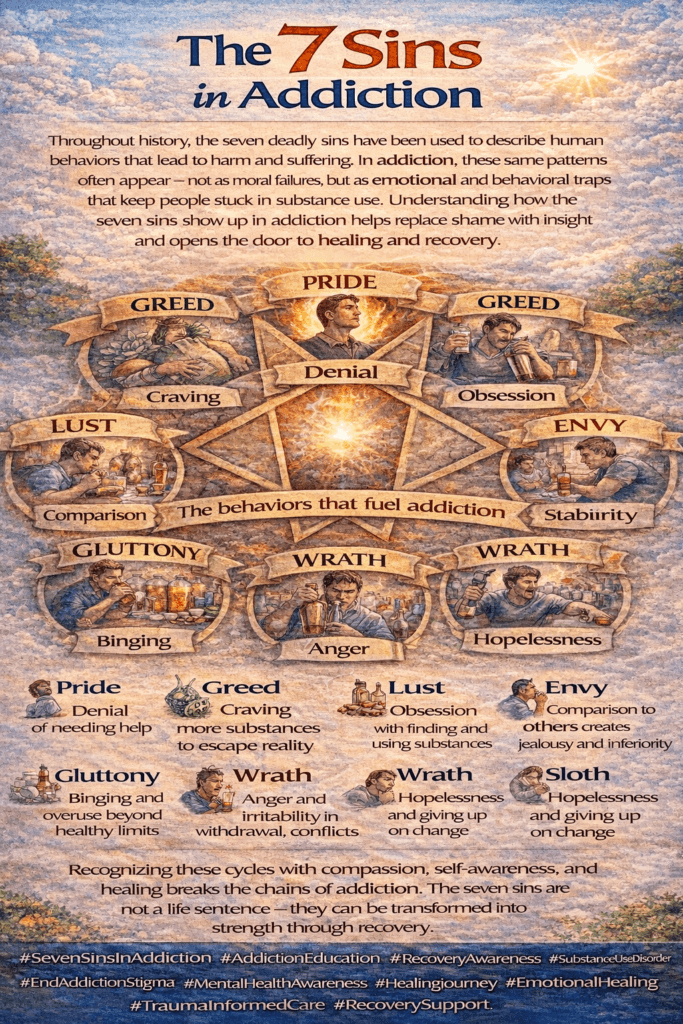
Addiction is a topic that gets a lot of attention, but most conversations focus on substances, behavior, or biology. There’s another side that’s just as important to think about—what I call the “7 sins” in addiction. These aren’t traditional sins in a religious sense but more like thinking patterns and habits that pull people deeper into addictive cycles and keep them stuck. Getting to know these patterns helps make sense of why it’s so hard to break free and can give anyone dealing with addiction, either personally or supporting someone else, some clear places to focus their efforts for real change.
Understanding the Roots of Addiction
Addiction isn’t just about using too much of something. It often ties back to certain beliefs, coping habits, and ways people see themselves. For anyone who has witnessed addiction up close, it’s easy to spot cycles of self-defeat, guilt, denial, or justification. Sometimes, these patterns are so familiar that they start to feel automatic.
Clinical researchers and therapists often talk about “addictive thinking,” which covers distorted thoughts and self-sabotage. When put together, the seven sins in addiction form a pretty solid map of the routines and blind spots that make long-term recovery tough. Learning about these not only helps cut through shame and confusion, but it can also make the path to healing a bit clearer.
The 7 Sins in Addiction: What They Are and Why They Matter
Here’s a look at the seven main patterns I see come up again and again, either in myself or people I’ve supported. They tend to overlap, and sometimes it’s hard to spot which one is driving at any given moment.
- Denial: Refusing to admit that a problem exists or that things are getting worse. Denial allows someone to continue a habit without facing the discomfort of reality. It feels protective, but it usually delays important decisions and makes problems bigger down the line.
- Shame: Feeling unworthy or defective because of addiction. Shame is different from guilt; it’s less about what was done and more about who someone believes they are. Shame tends to foster secrecy, isolation, and more use as a way to manage pain.
- Rationalization: Explaining away behaviors or justifying choices with excuses. This takes the shape of “I only drink because I’m stressed” or “Everybody needs a vice.” Rationalization helps avoid uncomfortable truths and blocks real change.
- Escapism: Using addictive behavior to avoid feelings, problems, or responsibilities. Escapism can start small, like using substances or habits to wind down, but it can quickly turn into the main way to dodge life.
- Isolation: Pulling back from friends, family, or support. Isolation can follow shame, or it might be a way to hide the problem. It almost always makes addiction worse, since loneliness tends to increase the urge to use or escape.
- Impulsiveness: Acting quickly without thinking about consequences. This could mean reaching for a drink, drug, or habit in response to a bad day without pausing or considering alternatives. Relapse often starts here.
- Hopelessness: The belief that change isn’t possible or that things will never get better. Hopelessness is defeating. When it takes hold, motivation drops, and it feels pointless to try at all.
Spotting the Sins in Real Life
You don’t need to be an expert to see these patterns play out. I’ve watched people talk themselves out of getting help because of denial (“It’s not that bad, I can stop anytime”), or seen the way shame keeps folks stuck, hiding their struggle even from those closest to them.
Maybe you’ve even noticed similar loops in yourself, like reaching for comfort food after a hard day and justifying it as a deserved treat or avoiding friends who might notice how much you’re drinking. Recognizing these moments is the first real step toward breaking the cycle. That awareness plants the seed for real and lasting change.
Getting to the Heart of These Patterns
Each “sin” comes with its own challenges. Here’s a quick breakdown of what’s usually behind them, and what can help switch things in a healthier direction:
- Denial: Usually comes from fear—admitting problems can feel huge. Sometimes, honest conversations with loved ones or therapists help cut through stubborn denial. Keeping a journal or doing an honest self-assessment can help someone see patterns they might otherwise ignore.
- Shame: Shame is tough, since it thrives in silence. Support groups (like AA, NA, or Smart Recovery) help because they make it clear you’re not alone, and you’re more than your mistakes.
- Rationalization: It fades when someone begins to see the genuine consequences of their actions. A therapist or a trusted friend can gently push for honesty, helping someone notice all the times they bend reality to justify harmful choices.
- Escapism: The fix here is building new coping skills. Mindfulness or even talking to someone about stress gives people another way to deal without defaulting to substances or compulsions.
- Isolation: Breaking isolation isn’t easy, especially if it’s become a habit. A single phone call, text, or walk with a supportive person can ease the way back into human connection, which is super important for recovery.
- Impulsiveness: Learning ways to pause—like taking ten deep breaths or stepping outside—can create just enough space to choose a different action. Therapy, recovery groups, or even a supportive friend can help practice this.
- Hopelessness: Sometimes hope starts as a borrowed belief. Hearing others’ stories of recovery and making small, manageable changes can help kickstart a sense that things can improve.
Things to Watch Out for While Working Through Addiction
This adventure comes with plenty of bumps. I’ve seen a few common challenges make it harder to switch out of these patterns and move towards real change:
- Unrealistic Expectations: Recovery isn’t a straight line. Thinking “I’ll be fixed in a month” usually leads to disappointment. Taking it one day at a time is more realistic and much less stressful.
- Setbacks: Slipping up happens. What matters most is what happens next. Treating relapse or missteps as learning moments works a lot better than using them as fuel for shame or hopelessness.
- Lack of Support: Trying to recover alone is really tough. Even if it feels awkward, reaching out to a group or friend is worth it. Community support is a big boost for making changes stick.
- Triggers: Everyone has things—places, people, feelings—that make cravings worse. Noticing what those are (and having a plan to handle them) keeps recovery going strong.
Denial and Rationalization: Two Sins That Love Company
Denial and rationalization tend to show up together. For example, someone might insist they don’t have a problem (denial), while at the same time dreaming up logical-sounding reasons to drink, use, or act out (rationalization). Getting honest with yourself—sometimes by writing things out or talking it out with someone who isn’t judging—can help break the spell these patterns create.
Escapism and Isolation: A Tough Cycle
Escapism feels good in the moment, but it usually leads to isolation, and the more isolated someone gets, the more tempting it feels to escape again. This spiral can move fast, and it’s a huge reason people get stuck for years. Reaching out even when it’s uncomfortable helps start building a new cycle, one that’s based on connection instead of hiding.
Tips for Building a Stronger Recovery
Once you get a handle on these patterns, it’s all about practice. Here are some techniques that keep people moving forward over the long haul:
- Practice Self-Compassion: Be kind to yourself. Everyone slips up. Talk to yourself the way you’d talk to a friend going through a tough time.
- Build Healthy Routines: Simple routines, like exercise, decent sleep, and regular meals, make a huge difference in keeping cravings in check and making each day feel a bit more manageable.
- Stay Accountable: Share your progress and struggles with at least one other person. Accountability can be a game-changer, especially when motivation drops.
- Learn Coping Tools: Counseling, mindfulness, or creative hobbies can help you handle stress and tough feelings without falling back on old habits.
Addiction and Real-World Recovery: What Success Looks Like
Most people who recover from addiction don’t do it alone, and they rarely do it in a straight line. I’ve seen people find new hope after years of hopelessness, and folks with years of setbacks make real progress once they start spotting and naming these “sins” as normal human tendencies, not personal failures.
- Group Support: Groups like AA, NA, or therapy-based groups help break isolation and offer real-life proof that change is possible.
- Healthy Connection: Rebuilding relationships, or even one new friendship, makes the adventure a lot more doable.
- Giving Back: Many find extra strength by supporting others who are new to recovery. Sharing your story in a safe place can be both healing and practical.
Frequently Asked Questions
How do I deal with setbacks during recovery?
Everyone struggles sometimes. What matters most is reaching out, getting support, and reminding yourself that setbacks don’t erase progress. Learning from each mistake helps keep things moving forward.
Are the “7 sins” permanent parts of addiction?
Nope. Patterns like denial, shame, and isolation aren’t fixed; they’re habits that can be changed like any others, especially with awareness and support.
How can friends or family help?
Offer support without judgment. Listen, encourage accountability, and help your loved one find professional or group resources. Just knowing someone cares goes a long way.
Moving Forward with Awareness
Understanding these seven patterns helps cut through all the noise and confusion that usually surrounds addiction. Recovery is a process, and every little bit of growth counts. If you or someone you love runs into these “seven sins,” know that spotting them is the first step to finding freedom from them. With more support, ongoing learning, and the willingness to reach out, real change is always within reach. Recovery can absolutely become a reality, step by step.
Video: The 7 Deadly Traps of Substance Use #SubstanceUseRecovery #SelfAwareness