Steroids are sometimes used in cancer treatment, but it’s not always obvious why doctors recommend them or how they actually help people with cancer. I’ve seen people get confused between the steroids taken for muscle building and the ones used in medical care. Here, I’m breaking down their role in cancer care, from what they do to common concerns, so you’ll get a clearer idea of how steroids fit into the cancer adventure.
Understanding What Steroids Are (And What They’re Not)
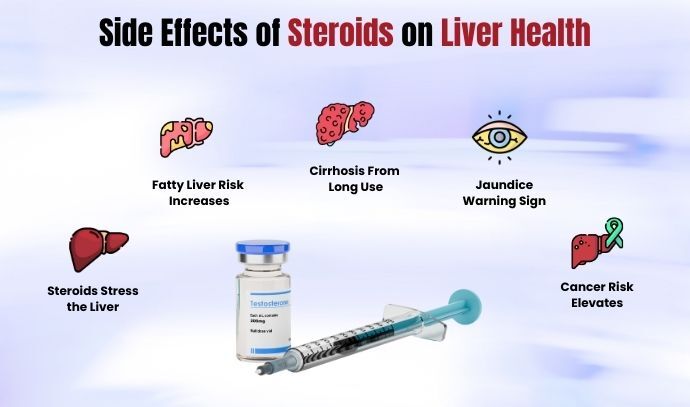
Steroids, in a medical sense, usually mean corticosteroids. These are medications that copy the effects of hormones your body naturally makes in the adrenal glands. These aren’t the anabolic steroids athletes or bodybuilders sometimes use to bulk up. In cancer care, corticosteroids are the real focus.
Corticosteroids can come as tablets, intravenous infusions, or even injections into a muscle. Common ones used in cancer include dexamethasone, prednisolone, and methylprednisolone. These treatments work by reducing inflammation, tweaking immune responses, and sometimes even helping kill cancer cells or ease the side effects of other medicines.
Why Doctors Use Steroids in Cancer Care
Steroids turn up in cancer treatment plans for a bunch of different reasons. Their benefits can be pretty wide-ranging, and doctors use them at different stages depending on each person’s specific needs.
- Managing Symptoms: They help reduce swelling (edema) around tumors, especially brain tumors, by decreasing inflammation.
- As Part of Chemotherapy, some chemotherapy drugs work better when steroids are taken with them. In certain blood cancers, like leukemia and lymphoma, steroids even have direct cancer-fighting effects.
- Taming Side Effects: Steroids can ease nausea or allergic reactions caused by treatments like chemotherapy or immunotherapy.
- Appetite and Wellbeing: For people struggling with appetite loss or cancer-related fatigue, steroids may boost energy and improve appetite.
It’s pretty common to see steroids prescribed in cycles. Sometimes they are used just for a few days before, during, or after a chemo round, and other times for longer stretches. The approach depends on the type of cancer and the treatment plan.
Starter Guide: Key Things About Steroids and Cancer
If you or someone you care about has been prescribed steroids during cancer treatment, here are a few basics to keep in mind:
- The Dose Varies: Steroid doses might look high at first, but are usually carefully managed and tapered off by the care team.
- Timing Matters: Doctors try to give steroids for the shortest time needed to achieve the benefits, to limit side effects.
- Watch for Side Effects: Steroids can cause both short-term and long-term side effects, so staying in touch with your healthcare team is really important.
- Don’t Stop Suddenly: Stopping steroids all at once, especially after a long period, can be risky. The dose should be reduced gradually, following the doctor’s guidance.
- Stay Alert to Changes: If you notice mood swings, new infections, or changes in blood sugar, tell your healthcare provider. Steroids can make your body react differently to these things.
These points help cancer patients and families understand what to expect and encourage conversations with doctors and nurses about any worries or questions.
Risks and Drawbacks: Common Problems with Steroid Use in Cancer
Even though steroids can be super useful, they’re not free from downsides. Over time, some people notice unwelcome effects from taking these medicines, especially at higher doses or over long periods.
- Infections: Steroids lower immune system activity, so infections may be more likely to occur. Any fever, cough, or new symptoms should be reported quickly.
- High Blood Sugar: Some folks, even those without diabetes, develop higher blood sugar while using steroids. Sometimes, extra medication or diet changes are needed.
- Muscle Weakness/Weight Gain: Steroids can make muscles feel weaker or contribute to weight gain, including swelling in the face (cushion face) or tummy.
- Mood Changes: People might feel more anxious, moody, or even have trouble sleeping. Stay connected with the care team and share how you feel.
- Brittle Bones (Osteoporosis): Long-term steroid use can weaken bones. Doctors may suggest calcium and vitamin D supplements or bone-strengthening meds if needed.
Infections
The immune system can get a little sluggish under steroids. Even small infections deserve extra attention. What would have been just a simple cold could become more serious. Good hand hygiene and avoiding crowds during flu season can help lower the risk. Quick reporting of symptoms lets doctors handle problems early.
Blood Sugar
Monitoring blood sugar makes sense, even for those without a history of diabetes. Some people only notice issues after a few weeks of use. Keeping up with blood tests as part of treatment helps catch changes before they become too bothersome.
Other Concerns
If you notice unusual weight changes, mood swings, or new pains, let someone on your team know. Side effects aren’t always a reason to stop treatment, but they do need to be managed so you feel as comfortable as possible during cancer care.
Advanced Tips: Getting the Most Out of Steroids While Staying Safe
Once you know the basics, there are a few practical steps that make steroid use safer and a little more comfortable for cancer patients. Here are some things I encourage patients to pay attention to:
Regular Check-ins: Routine bloodwork and check-ins with the care team help detect issues such as blood sugar spikes, changes in blood pressure, or bone thinning early.
Balanced Diet: Keeping to a balanced diet, with enough protein and healthy carbs, supports muscle health and helps manage weight changes linked to steroid use. Including fiber and plenty of fruits and vegetables can also support gut health, which can sometimes be affected by these medicines.
Stay Moving: Gentle exercise like walking keeps muscles stronger, helps maintain bone strength, and can improve mood and energy levels. Even light stretching or yoga can give a boost to overall wellness during tough periods.
Ask About Supplements: If you’re on steroids for a while, ask your provider about calcium, vitamin D, or bone meds. These aren’t always needed, but they’re worth considering for bone health, especially during long courses. Some patients also benefit from magnesium or potassium, depending on lab results.
Stay Hydrated and Rested: Extra water and consistent sleep routines help limit some common side effects like swelling and trouble sleeping. If insomnia becomes a big problem, mention it to your team; sometimes the timing of your steroid dose can be adjusted to help.
Each of these tips can smooth out the steroid experience and keep the focus on the good they bring to your treatment. Choosing healthy snacks, limiting processed sugar, and keeping a diary of how you feel each day are additional ways to stay in tune with your body’s signals.
Common Questions About Steroids and Cancer
These are some of the most common questions I’ve heard from friends, family, and patients steering through steroids as part of their cancer adventure:
Are steroids actually fighting the cancer, or are they just for side effects?
Answer: Steroids sometimes do both! In blood cancers, like certain leukemias and lymphomas, steroids can actually kill cancer cells. In most solid tumors, the main job is to control symptoms and help other drugs work.
What happens if I forget a dose?
Answer: Take the dose as soon as you remember, but if it’s almost time for your next one, skip the missed tablet and go back to your schedule. If you miss more than a dose, check in with your care team for advice.
Will I get all the side effects? Are they guaranteed?
Answer: Not everyone experiences the same side effects. Some people might not get many at all, while others notice several. Your team can help keep side effects in check and support you through the process.
How long will I need to be on steroids?
Answer: That depends on the cancer type, treatment plan, and how your body responds. Some people need steroids for just a few days; others take them for weeks or months. The doctor will balance the benefits with the risks and adjust as needed.
Takeaways: What to Know About Steroids During Cancer Treatment
Steroids are widely used in cancer care for a reason. They help manage symptoms, support other treatments, and even fight certain types of cancer themselves. Understanding how and why they’re used makes finding your way through cancer treatment a little less overwhelming. If you’ve got questions, bring them up with your healthcare team. They’ve probably heard them all before, and staying informed makes everything a little easier to handle. Being aware of side effects, sticking to your dosing plan, and keeping open communication with your team will help you get the most benefit from your treatment and minimize as many issues as possible.
With good planning, support, and honest conversations, steroids can be powerful tools in your or your loved one’s cancer care toolkit. And if you ever feel uneasy about steroids or their side effects, know that you have the right to ask as many questions as you need. Health teams are ready to work together to make your treatment as smooth and comfortable as possible, helping you feel supported every step of the way.
Video: STEROIDS AND CANCER