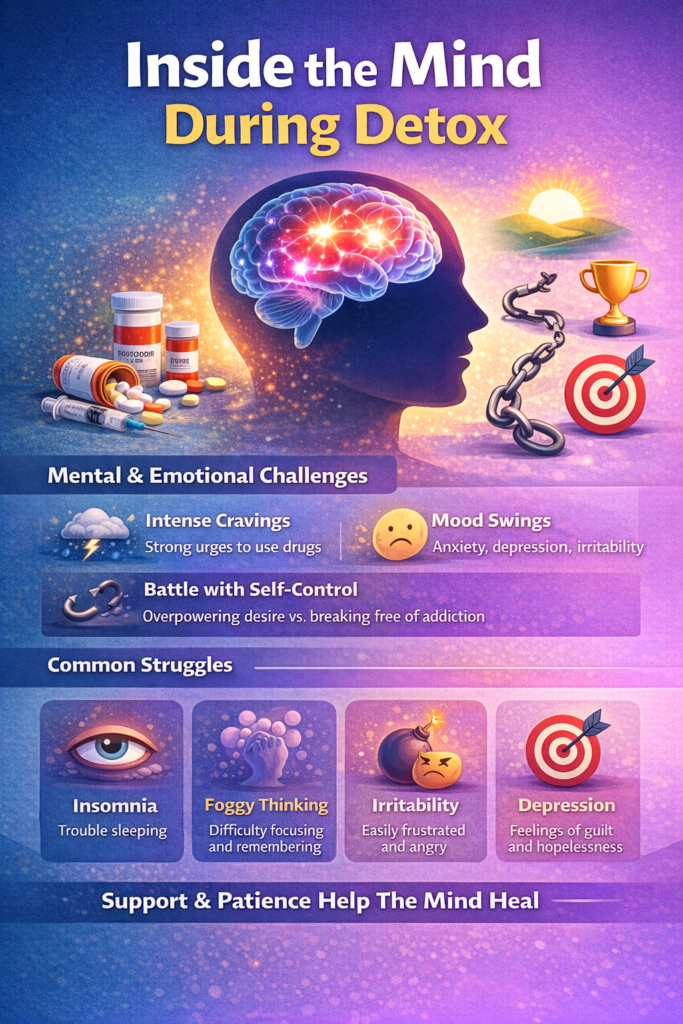
Breaking out of detoxing, whether it’s about food, technology, or any unhealthy habit, can really throw you for a loop emotionally and mentally. There’s usually a ton of focus on the beginning—starting a detox, making it through the first few days, and all that—but not much is said about what it’s actually like to transition out of detox mode. Managing that process takes a solid plan, some honest self-talk, and a good understanding of what goes on in your brain as you move away from strict detox routines. I’m going to walk you through the key psychological stages and offer a practical roadmap to make this switch smoothly.
The Mindset Switch: From Restriction to Balance
Finishing a detox usually comes with mixed feelings; there’s happiness that it’s over, a bit of relief, but sometimes even anxiety about “what now?” This stage is really important to get right because the brain loves routine, and that includes routines around restriction. During a detox, you might constantly focus on rules—what’s allowed, what’s not, and how you “should” feel. Once you’re done, your mind loses that structure, creating uncertainty and sometimes a fear of slipping up.
Your relationship with food, tech, or whatever you were detoxing from, doesn’t magically reset just because you finished a program. Instead, old cravings might pop up, especially if they were pretty strong before. This is where it’s super important to start thinking about flexibility and incorporating more balanced habits, rather than swinging straight back into old routines or creating new restrictions.
Understanding the Psychological Triggers
After a detox, most people deal with triggers that can send them into cycles of guilt, overcompensation, or even “all or nothing” thinking. Recognizing these is key. Here are some of the more common psychological pitfalls that tend to show up:
- Guilt and Shame: Feeling guilty about eating certain foods again, spending time online, or relaxing can push you toward rebound habits or more extreme restrictions. This is pretty common and totally normal, but the trick is not letting those emotions control your next steps.
- Perfectionism: Expecting yourself to stick to the exact same level of “clean” choices forever isn’t realistic. When you slip (which everyone does eventually), it’s easy for negative self-talk to kick in. Being kinder to yourself here actually encourages better choices in the long term.
- Fear of Losing Progress: Worrying that every healthy change you made during your detox will disappear as soon as you “break out” is stressful! But in reality, long-term change comes from consistent, moderate habits, not extremes.
- Craving Comfort: Stress or boredom after detox may lead to cravings for the very things you tried to avoid. Understanding that these are psychological responses, not failures, can help prevent a total backslide.
Transition Tools: Building New, Sustainable Patterns
Breaking out of detox is all about easing into moderation smoothly. Here are some practical tools I’ve found super useful for transitioning back while keeping your head clear and your habits stable:
- Check in with Yourself Regularly: Instead of judging your choices, pay attention to how different foods, activities, or tech usage make you feel. Jot down some quick notes in a journal or a notes app. Self-awareness helps stop unconscious pattern repeats.
- Plan Out Gentle Reintroductions: Rather than jumping right back in, try bringing old habits back in slowly. For food, maybe add one type back in at a time and notice how your energy and mood respond. The same goes for technology or other habits; set mini-windows for checking your phone or using social media, and widen the window over time if you feel okay.
- Keep a Structured Routine (Kind of): It’s tempting to ditch all structure once a detox ends, but having some boundaries helps your brain adjust. Build in mealtimes, set tech breaks, and give yourself permission to relax, so you don’t swing from strictness to chaos.
- Use Mindful Coping Strategies: Mindfulness, simple breathing exercises, and taking a walk are great for breaking the cycle of automatic cravings. Tackling triggers with something positive is more effective than wrestling with willpower alone.
- Stay Connected for Support: Whether it’s a friend, a group, or even online forums, sharing your experience can make switching out of detox feel less isolating. Sometimes just knowing others get it goes a long way.
Common Challenges After Detox (and How to Manage Them)
Every time I’ve gone through a detox and started to reintroduce normal routines, I’ve hit a few speed bumps. These are totally normal and nothing to freak out about, but it’s helpful to know what you might run into:
- Overdoing It: The urge to “make up for lost time” by binging on whatever you’ve been missing is something a lot of people experience. Moderation isn’t easy right away, but focusing on slow reintroduction and mindful enjoyment helps prevent this.
- Comparison to Others: It’s pretty common to compare your progress, rebound, or lifestyle to what you think others are doing. Social media often creates a highlight reel, making it look like other people don’t struggle. The fact is, everyone deals with the same kinds of challenges after detox.
- Setbacks: Slipping up after detox is not the end of the world. Instead, it can actually show you which areas need more attention. Being flexible and adaptable is way more useful than getting stuck in cycles of guilt.
- Physical Side Effects: Depending on what you detoxed from, sometimes your body reacts when you start to reintroduce things; bloating, fatigue, or mood swings, for example. This usually sorts itself out pretty quickly, but if not, talking to a doctor or nutritionist is a good idea.
Handling Emotional Swings
Coming out of detox can be an emotional rollercoaster. It’s normal to swing between excitement, frustration, relief, and even disappointment. Giving yourself time to adapt and understanding that emotions are temporary can make this phase easier.
If you do notice larger mood swings after your detox, these can often be a sign that your body or mind needs more support. Practicing relaxation techniques, such as meditation or listening to music, can help settle these feelings more quickly and bring you into balance. Journaling your emotional states during this period may also reveal patterns or triggers, helping you get a sense of what’s at the root of your experience.
Setting Up for Lasting Change
Detoxing is often meant to be a short-term reset, but lasting change happens by blending what works into everyday life. Here’s what helps make the transition stick:
- Keep What Felt Good: If you noticed you had more energy, slept better, or felt less stressed during detox, try to keep those habits going. Maybe it’s drinking more water every day, having tech-free meals, or prioritizing sleep at a certain hour.
- Identify Nonnegotiables: Pick a handful of things that genuinely make you feel better; these become your personal “rules” and help you avoid swinging back and forth between extremes.
- Give Yourself Grace: Nobody gets everything right all the time, and letting yourself be human is pretty important for making new habits stick. Progress builds up over time with consistent efforts, not with perfection.
- Stay Curious: Think of the period after detox as an experiment. What makes you feel your best now? What doesn’t work for your lifestyle anymore? Adapting and tweaking as you go helps you create habits that fit your life, not someone else’s idea of “perfect.” This curious mindset also keeps the process less stressful and more enjoyable in the long run.
RealWorld Examples and Application
For most people, breaking out of detox is about more than just food or tech; it’s about getting back into the real world with a new perspective. I remember after a weeklong sugar detox, the first piece of fruit felt almost too sweet. Instead of bouncing right back into mindless snacking, I started savoring what really tasted good and noticed my cravings drop. For tech, unplugging for a week made me rethink why I picked up my phone in the first place. I set a timer on social apps afterward, which helped me stay connected without getting sucked in.
- Food Detox Example: Gradually reintroduce favorite foods—maybe one new thing each day—and pay attention to your body’s cues instead of following strict diet rules. You could make a list of the top foods you missed and ease them in over time, making mental notes of how you feel after eating each one. This can help you build a positive association with moderation and mindful eating.
- Tech Detox Example: Set clear time windows for device usage and try one or two days a week with shorter screen time. Notice how you use that freed-up time instead. Some people take up reading, while others reconnect with outdoor activities or creative hobbies during their new downtime.
Frequently Asked Questions
Here are a few questions I hear all the time about breaking out of detoxing:
Question: Will I gain back all the progress I made during my detox?
Answer: Not if you bring back habits slowly and stay mindful. Progress fades mostly when you swing from one extreme to another, so focus on small, steady changes for the best results.
Question: How can I handle cravings after detoxing?
Answer: Acknowledge cravings, let them pass if you can, or enjoy what you’re craving in a mindful way. Sometimes cravings are more about emotions than actual needs, so checking in with yourself helps a lot. If cravings persist, try distracting yourself with a new activity or reaching out to a friend for support until the urge passes.
Question: Is it normal to feel anxious about leaving the detox behind?
Answer: Totally normal! Detox brings structure, and losing that can be scary. Building a new routine you actually enjoy is the best way to feel in control again.
Key Takeaways for a Smoother Transition
Leaving detox mode is less about hard rules and more about listening to yourself. Getting your head around the psychology behind switching away from restriction makes it way easier to form lasting habits. Balanced, practical routines—and being patient as you find what works—lead to lasting results that feel natural rather than forced.
Your post-detox phase is an awesome opportunity to set long-term habits that suit your real life. Staying patient and giving yourself space to adjust goes a long way toward lasting change. Use this time to reflect, adapt, and find what really supports your well-being in the day-to-day—because the goal is to feel better, not just to follow rules.
Video: What Happens Inside Your Brain During Detox #addiction #psychology #recovery