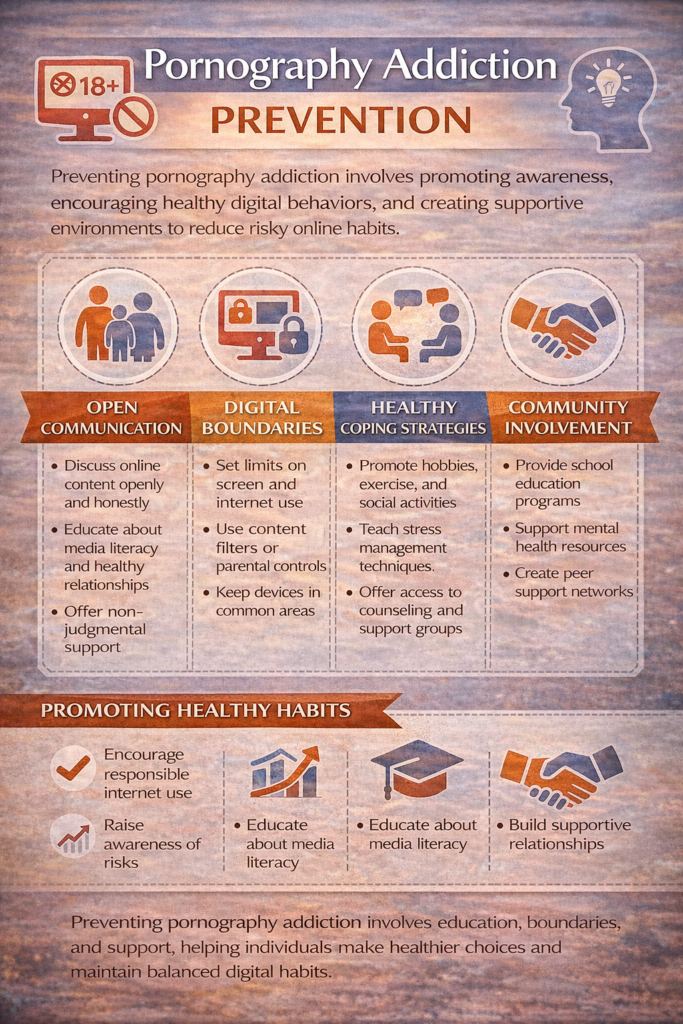
Pornography addiction prevention centers on understanding the potential risks of excessive exposure to explicit online material. With the growing availability of internet access, it is important for individuals to practice responsible and balanced digital habits that support their mental and emotional health. Prevention strategies highlight the value of education, open discussions about online behavior, and supportive environments that encourage thoughtful decision-making. By becoming more aware of how digital content can influence behavior, individuals can develop stronger self-control and maintain healthier relationships with technology.
Understanding Pornography Addiction and Treatment Options
Pornography addiction prevention focuses on increasing awareness of the risks associated with excessive exposure to explicit online content. As internet access becomes more widespread, it is important for individuals to develop responsible digital habits that support their emotional and mental well-being. Prevention efforts emphasize education, open communication, and supportive environments that encourage healthy decision-making. By understanding the potential impact of online content and practicing balanced media use, individuals can build stronger self-control and maintain healthier relationships with technology.
What Is Pornography Addiction?
Pornography addiction is generally characterized by repetitive and compulsive consumption of pornographic material that interferes with personal, social, or professional life. Individuals may experience intense urges, spend excessive amounts of time viewing pornography, or attempt to stop but find themselves unable to do so.
Although there is ongoing discussion in the clinical community regarding formal diagnostic classifications, many mental health professionals recognize compulsive sexual behaviors—including problematic pornography use—as behavioral addictions that may require treatment when they cause distress or impairment.
Signs and Symptoms
Common signs of problematic pornography use may include:
- Inability to reduce or stop viewing pornography
- Spending increasing amounts of time seeking or consuming content
- Neglecting responsibilities due to pornography use
- Experiencing relationship conflict related to the behavior
- Feeling guilt, shame, or emotional distress afterward
- Using pornography as a primary coping mechanism for stress, loneliness, or anxiety
When these patterns begin to interfere with daily life or well-being, professional support may be beneficial.
Psychological and Emotional Factors
Pornography addiction is often linked to emotional regulation difficulties, stress, trauma, anxiety, depression, or loneliness. For some individuals, pornography becomes a coping strategy to manage uncomfortable emotions. Over time, repeated use can reinforce behavioral patterns through the brain’s reward system, making it more difficult to stop without support.
Understanding these underlying factors is an important part of treatment, as recovery often involves developing healthier coping mechanisms rather than simply eliminating the behavior.
Treatment Options
Effective treatment for pornography addiction typically involves a combination of therapeutic approaches, behavioral strategies, and support systems.
1. Cognitive Behavioral Therapy (CBT)
Cognitive Behavioral Therapy is commonly used to address compulsive behaviors. CBT helps individuals identify triggers, challenge unhelpful thought patterns, and develop healthier behavioral responses. It also focuses on improving emotional regulation and coping skills.
2. Individual Counseling
Licensed therapists who specialize in addiction or compulsive behaviors can provide personalized treatment plans. Therapy may address underlying mental health conditions such as anxiety, depression, or trauma that contribute to problematic pornography use.
3. Group Therapy and Peer Support
Support groups allow individuals to connect with others who share similar experiences. Peer support provides accountability, encouragement, and a sense of community, which can reduce isolation and shame.
4. Behavioral Strategies and Accountability Tools
Practical strategies may include:
- Installing content filters or accountability software
- Limiting internet access during vulnerable times
- Developing structured daily routines
- Engaging in alternative activities such as exercise or hobbies
These tools help reduce exposure to triggers while reinforcing healthier habits.
5. Family or Relationship Counseling
When pornography use affects romantic relationships or family dynamics, couples or family therapy may help rebuild trust, improve communication, and establish boundaries.
Overcoming Stigma and Shame
One of the most significant barriers to seeking treatment for pornography addiction is stigma. Individuals may feel embarrassed or fear judgment. However, problematic behaviors related to sexuality are mental health concerns that deserve compassionate, professional support.
Reducing shame and promoting open dialogue can make it easier for individuals to seek help and engage in recovery.
Moving Toward Recovery
Recovery from pornography addiction is possible with appropriate support and commitment. Treatment focuses not only on reducing compulsive behavior but also on improving emotional health, building resilience, and strengthening relationships.
By understanding available treatment options and addressing the underlying emotional and psychological factors, individuals can regain control over their behaviors and work toward healthier, more balanced lives.
Self-Management Strategies for Preventing Pornography Addiction
Pornography addiction, often described as compulsive or problematic pornography use, can affect an individual’s emotional well-being, relationships, and daily responsibilities. While occasional exposure to explicit content may not lead to addiction, repeated and uncontrolled use can develop into a habit that becomes difficult to manage. Prevention is an important step in maintaining healthy digital habits and emotional balance. Self-management strategies can help individuals build awareness, develop healthier coping mechanisms, and maintain control over their behaviors before patterns become problematic.
Understanding the Importance of Self-Management
Self-management involves actively taking responsibility for one’s behaviors, habits, and mental well-being. In the context of pornography addiction prevention, self-management focuses on recognizing triggers, managing impulses, and creating boundaries that promote healthier digital use. By practicing self-awareness and intentional decision-making, individuals can prevent compulsive behaviors from developing.
Self-management also encourages individuals to reflect on how their habits affect their emotional health, productivity, and relationships.
Identifying Personal Triggers
A key step in prevention is identifying situations or emotions that may trigger the urge to view pornography. Common triggers may include boredom, stress, loneliness, anxiety, or excessive internet use. Understanding these triggers helps individuals recognize when they may be vulnerable to engaging in unhealthy behaviors.
Once triggers are identified, individuals can develop strategies to address those emotions in healthier ways, such as engaging in productive activities or seeking social support.
Creating Healthy Digital Boundaries
Technology provides easy access to online content, increasing the risk of compulsive behaviors. Setting clear digital boundaries can help individuals manage their online habits.
Examples of healthy digital boundaries include:
- Limiting time spent online or on certain websites
- Using content filters or accountability software
- Avoiding internet use late at night or during periods of stress
- Keeping devices out of private spaces such as bedrooms
These boundaries help reduce exposure to triggers and promote mindful internet use.
Developing Healthy Coping Mechanisms
For many individuals, pornography use may develop as a way to cope with difficult emotions. Learning healthier coping strategies can reduce the likelihood of developing problematic habits.
Helpful coping strategies may include:
- Exercise or physical activity
- Meditation and mindfulness practices
- Creative hobbies such as writing, art, or music
- Spending time with supportive friends or family
These activities provide positive outlets for managing stress and improving overall well-being.
Building Strong Support Systems
Support from trusted individuals can strengthen prevention efforts. Talking openly with friends, family members, mentors, or counselors can provide encouragement and accountability. Support systems help individuals feel less isolated and more motivated to maintain healthy habits.
In some cases, support groups or counseling services can also provide guidance and strategies for maintaining healthy behaviors.
Practicing Self-Discipline and Accountability
Self-discipline plays an important role in preventing compulsive behaviors. Setting personal goals, tracking progress, and holding oneself accountable can reinforce healthy habits. Individuals may benefit from setting daily routines, monitoring internet usage, or using habit-tracking tools.
These strategies help create structure and encourage consistent positive behaviors.
Moving Toward Healthy Digital Habits
Preventing pornography addiction involves developing awareness, self-control, and healthy lifestyle habits. Through self-management strategies such as identifying triggers, setting digital boundaries, building supportive relationships, and practicing healthy coping skills, individuals can maintain balanced and responsible internet use.
By focusing on prevention and personal well-being, individuals can strengthen their ability to make healthy choices and protect their emotional health and relationships.
Family Support Strategies for Preventing Pornography Addiction
Pornography addiction, often referred to as compulsive or problematic pornography use, can affect emotional well-being, relationships, and personal development. Prevention is especially important during adolescence and young adulthood when individuals may be more vulnerable to developing unhealthy digital habits. Families play a critical role in prevention by fostering open communication, setting healthy boundaries, and promoting positive values related to responsible technology use. Through supportive and proactive strategies, families can help individuals develop healthy behaviors and reduce the risk of problematic pornography use.
Creating Open and Honest Communication
One of the most important family strategies is establishing open communication about internet use, relationships, and personal values. When families create a safe environment for discussions about sensitive topics, individuals are more likely to ask questions and share concerns without fear of judgment.
Parents and caregivers can encourage conversations about media consumption, online content, and emotional well-being. Honest discussions help young people understand potential risks and make more informed decisions about their behavior.
Promoting Healthy Digital Habits
Families can help prevent problematic online behaviors by promoting healthy digital habits at home. Establishing guidelines for internet use encourages balance and reduces excessive screen time. Examples of healthy digital practices include:
- Limiting screen time during certain hours
- Encouraging device-free family activities
- Keeping computers and devices in shared spaces
- Setting age-appropriate internet boundaries
These practices help individuals develop responsible technology habits and reduce exposure to potentially harmful content.
Teaching Emotional Coping Skills
For some individuals, pornography use may become a way to cope with stress, loneliness, boredom, or anxiety. Families can help prevent this pattern by teaching healthy emotional coping skills. Encouraging activities such as exercise, creative hobbies, journaling, and social interaction can provide positive outlets for managing difficult emotions.
By modeling healthy ways to deal with stress and emotions, families help individuals build resilience and develop stronger emotional regulation skills.
Encouraging Strong Family Connections
Strong family relationships provide emotional security and support, reducing the likelihood that individuals will turn to unhealthy coping behaviors. Spending quality time together, sharing experiences, and maintaining positive family traditions can strengthen trust and connection within the family.
When individuals feel valued and supported by their families, they are more likely to seek guidance during challenging situations.
Providing Education About Online Content
Educating family members about responsible internet use is another important prevention strategy. Parents and caregivers can discuss the difference between healthy relationships and unrealistic portrayals often found in online content.
Providing age-appropriate media literacy education helps individuals critically evaluate the information they encounter online and develop healthier attitudes toward relationships and sexuality.
Offering Support When Concerns Arise
If families notice signs of problematic behavior, responding with compassion and support is essential. Avoiding blame or punishment encourages individuals to speak openly about their struggles. In some cases, professional support such as counseling or family therapy may help address concerns and strengthen communication within the family.
Early intervention and supportive guidance can prevent behaviors from becoming more serious over time.
Strengthening Prevention Through Family Involvement
Families are uniquely positioned to support healthy development and responsible technology use. Through open communication, positive role modeling, digital boundaries, and emotional support, families can help prevent pornography addiction and promote overall well-being.
By working together to build healthy habits and supportive relationships, families can create environments where individuals feel empowered to make responsible choices and maintain balanced lifestyles in an increasingly digital world.
Community Resource Strategies for Preventing Pornography Addiction
Pornography addiction, often described as compulsive or problematic pornography use, can affect individuals’ emotional health, relationships, and overall well-being. As access to digital media continues to grow, communities play an important role in promoting healthy online behaviors and supporting prevention efforts. Community-based strategies can provide education, support networks, and accessible resources that help individuals develop responsible digital habits and avoid problematic behaviors.
Increasing Community Awareness and Education
One of the most effective community strategies for preventing pornography addiction is promoting education and awareness. Many individuals and families may not fully understand how excessive exposure to online content can influence behavior and mental health. Community organizations, schools, and healthcare providers can offer workshops, seminars, and educational campaigns that discuss responsible internet use, media literacy, and the potential risks associated with compulsive online behaviors.
Public education initiatives help individuals recognize warning signs early and encourage healthy conversations about digital habits.
Supporting Youth and School-Based Programs
Schools and youth organizations are key partners in prevention efforts. Educational programs that teach digital responsibility, emotional regulation, and healthy relationships can help young people develop the skills needed to navigate online environments safely.
School counselors, educators, and youth mentors can also provide guidance and support to students who may be struggling with excessive media use. By creating supportive learning environments, communities help young individuals develop healthy habits before problematic behaviors emerge.
Expanding Access to Counseling and Mental Health Services
Community health clinics, mental health centers, and counseling services provide valuable support for individuals experiencing challenges related to internet or pornography use. These services can offer early intervention, therapy, and educational resources that help individuals develop healthier coping mechanisms.
Making these services accessible and affordable ensures that individuals who need help can receive professional guidance before behaviors become more severe.
Creating Peer Support and Community Programs
Peer support programs and community groups can also play a role in prevention. These groups provide safe spaces where individuals can discuss challenges related to technology use, stress, or emotional health. Community centers, faith-based organizations, and nonprofit groups may host meetings or workshops to promote healthy lifestyle choices and responsible internet use.
Peer-based programs help reduce feelings of isolation and encourage positive behavior changes through shared experiences and encouragement.
Promoting Healthy Community Activities
Communities can further support prevention by offering opportunities for healthy engagement outside of digital environments. Recreational programs, sports activities, volunteer opportunities, and cultural events provide individuals with meaningful ways to spend their time and build social connections.
When individuals have access to fulfilling activities and strong social networks, they may be less likely to rely on unhealthy online behaviors for entertainment or emotional coping.
Encouraging Community Collaboration
Effective prevention strategies often involve collaboration among multiple community partners. Healthcare providers, schools, nonprofit organizations, and local leaders can work together to develop coordinated programs that address digital wellness and mental health.
By sharing resources and expertise, communities can build stronger support systems that encourage responsible technology use and overall well-being.
Strengthening Prevention Through Community Engagement
Preventing pornography addiction requires a proactive and supportive community approach. By promoting education, expanding mental health resources, supporting youth programs, and encouraging healthy activities, communities can create environments that foster responsible digital behavior.
Through collective efforts and community engagement, individuals can be better equipped to develop healthy habits, maintain emotional balance, and build meaningful connections that support long-term well-being.
Frequently Asked Questions
Here are some common questions:
1. What is pornography addiction prevention?
Pornography addiction prevention involves strategies and education aimed at reducing the risk of developing compulsive or unhealthy patterns of pornography use. Prevention focuses on building awareness, promoting responsible internet use, and developing healthy coping skills.
2. Why is prevention important?
Prevention is important because excessive or compulsive pornography use can negatively affect mental health, relationships, and daily responsibilities. Early awareness and healthy habits can help individuals maintain balanced digital behaviors and avoid problematic patterns.
3. What are some common risk factors for developing pornography addiction?
Several factors may increase the risk, including:
- Excessive internet use
- Stress, loneliness, or boredom
- Lack of awareness about healthy online habits
- Difficulty managing emotions
- Limited supervision or guidance for younger individuals
Recognizing these risk factors can help individuals and families take preventive steps.
4. What self-management strategies help prevent pornography addiction?
Self-management strategies may include:
- Setting limits on screen time
- Avoiding triggers such as late-night internet use
- Using website filters or accountability tools
- Developing healthy routines and hobbies
- Practicing mindfulness and stress management techniques
These strategies encourage healthier digital habits.
5. How can families help prevent pornography addiction?
Families can support prevention by encouraging open communication, setting healthy technology boundaries, and educating family members about responsible internet use. Positive family relationships and supportive discussions help individuals feel comfortable asking questions or seeking guidance.
6. What role do schools and communities play in prevention?
Schools and community organizations can provide education about digital responsibility, media literacy, and healthy relationships. Counseling services, youth programs, and awareness campaigns can help individuals understand the potential risks of excessive online content.
7. Are there tools that help manage internet use?
Yes. Some tools can help individuals manage their online behavior, such as:
- Parental control software
- Website filtering tools
- Screen time tracking apps
- Accountability programs
These tools can help reduce exposure to triggering content.
8. How can individuals build healthier coping habits?
Healthy coping habits may include engaging in physical activity, creative hobbies, social activities, or mindfulness practices. These alternatives help individuals manage stress and emotions without relying on unhealthy online behaviors.
9. When should someone seek professional help?
Professional help may be helpful if pornography use becomes difficult to control, interferes with daily responsibilities, or causes emotional distress or relationship problems. Counselors or therapists can provide guidance and strategies for managing compulsive behaviors.
10. What is the most important step in prevention?
The most important step is awareness and education. Understanding healthy internet habits, building supportive relationships, and developing emotional coping skills can significantly reduce the risk of problematic behaviors.
Conclusion
Preventing pornography addiction requires a proactive approach that involves individuals, families, and communities working together to support healthy digital habits. Encouraging responsible technology use, building strong support systems, and promoting emotional well-being can help individuals reduce the risk of developing problematic behaviors. Access to education, counseling resources, and supportive relationships also plays a key role in prevention efforts. By fostering awareness and promoting balanced lifestyles, society can help individuals maintain healthier relationships with technology and support long-term mental and emotional well-being.
Video: How Long Until Porn Addiction Actually Breaks #RecoveryJourney #MentalHealth #Healing