Communication breakdowns can create significant stress in any type of relationship, whether it involves a romantic partner, a family member, or a close friend. Effective communication serves as the foundation for trust, mutual respect, and emotional connection, allowing individuals to express their needs, resolve conflicts, and feel understood. When communication falters—whether through avoidance, misinterpretation, or a lack of clarity—misunderstandings can quickly escalate into larger conflicts. Even minor issues, if left unaddressed, can build over time and lead to resentment, frustration, and emotional distance. From personal experience, it becomes clear how easily small lapses in communication can spiral into more serious problems, highlighting the importance of recognizing early warning signs such as withdrawal, defensiveness, or repeated miscommunication. Addressing these issues proactively through open, honest, and empathetic dialogue is essential for maintaining healthy and stable relationships.
Understanding Communication Breakdown in Relationships
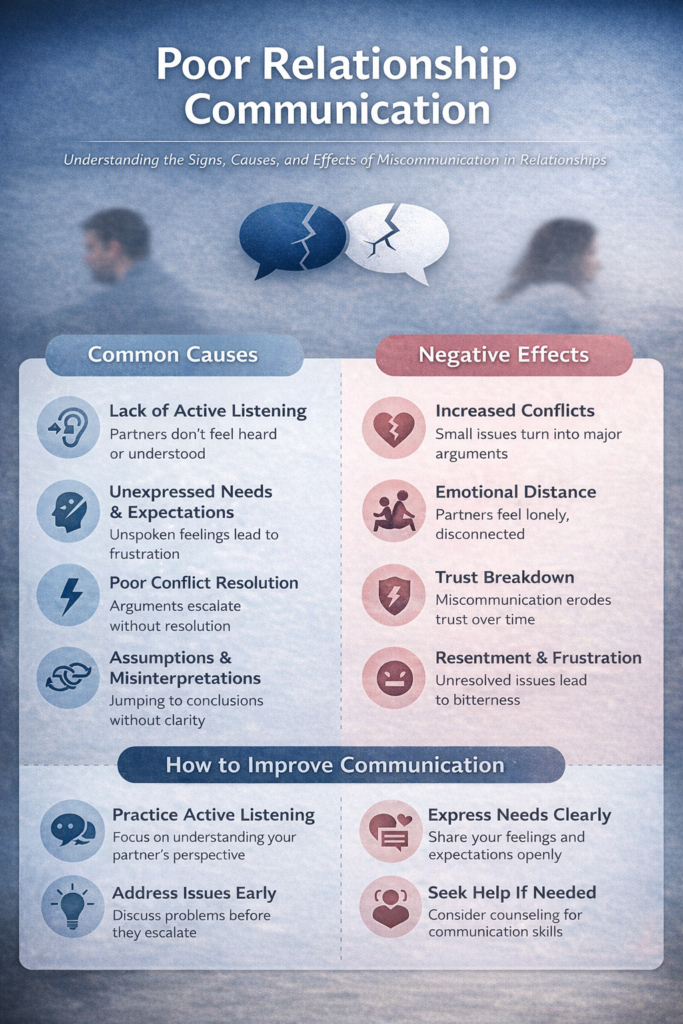
When I think about communication breakdown, what stands out is the feeling that you’re just not being heard or that the other person isn’t getting your point. Sometimes, it’s not about having huge fights or yelling matches. Often, it’s about missed signals, unspoken feelings, or misinterpreted text messages. Communication breakdown doesn’t show up the same way for everyone, but the end result is usually a widening gap or uncomfortable tension that’s tough to shake off.
Most relationships rely on open, honest, and clear talking. If this stalls, frustration and resentment start to creep in, eventually leading to bigger disputes or even distance. When you look at studies on couples and families, many point out that regular, meaningful conversation helps protect relationships from common stressors. Skipping over issues, using sarcasm, or avoiding uncomfortable topics might seem easier in the moment, but it leaves problems unresolved.
Modern life hasn’t made communicating easier, either. Between busy home lives, work demands, and plenty of distractions, it’s easy for important conversations to slip through the cracks. Social media and text messages add another layer in which intent can be hard to interpret, and misunderstandings feel almost inevitable at times. This isn’t limited to romantic relationships—these breakdowns can just as easily show up among friends or coworkers, making the importance of better talking universal.
Common Signs of a Communication Breakdown
I’ve noticed that red flags about poor communication pop up before things reach a breaking point. These are some signs I always watch for in my relationships and recommend others do, too:
- Lack of Active Listening: When responses feel automatic, rushed, or distracted, real understanding just isn’t happening.
- More Arguments or Silent Treatment: Frequent disagreements or long stretches of silence can mean important topics are not being discussed openly.
- Feeling Misunderstood: Partners or friends start saying, “You just don’t get me,” or “That’s not what I said.”
- Withholding Information: Important updates are left out, or someone feels nervous about sharing how they truly feel.
- Change in Tone or Body Language: Eye rolls, harsh tones, and avoiding eye contact are quick giveaways that something isn’t right.
None of these are “relationship-enders” on their own, but when they add up, relationships can start to feel more like a battleground than a place of support.
Main Causes of Communication Issues
Understanding what triggers communication problems helps a ton in working toward a fix. Some causes come up all the time:
- Different Communication Styles: One person might need to talk a lot, while the other prefers to think things through quietly. Neither is wrong, but clashing styles create stress if not understood or respected.
- Assumptions and Mind Reading: Assuming you know how someone feels often leads to crossed wires. No one is a mind reader, even if they’ve known someone for years.
- Unresolved Conflicts: Letting issues simmer over time builds up resentment. Past arguments tend to leak into new ones when unresolved.
- External Stress: Job worries, health issues, or financial concerns can cause people to pull back or lose patience, even when those things aren’t about the relationship itself.
- Technology Barriers: Tone and intent are really easy to misread over text or online messages. Face-to-face talks are usually clearer for sensitive issues.
Recognizing these patterns is a lot more helpful than pointing fingers. It puts both people in a better position to fix things together. Ultimately, understanding that everyone communicates uniquely can go a long way toward switching up old habits and making it easier to build new, respectful routines.
How Poor Communication Impacts Relationships
Communication breakdowns aren’t just frustrating in the moment; they can cause some real problems if left unchecked. I’ve seen them lead to:
- Unmet Needs: If neither person feels comfortable sharing their wants or worries, needs can go overlooked, leaving people feeling undervalued or alone.
- Growing Distance: Couples, friends, or family members start to drift apart. What might start as minor misunderstandings builds up until people don’t feel connected at all.
- Frequent Misunderstandings: Everyday situations become battlegrounds for old wounds and new arguments, making trust erode faster than you’d expect.
- Lower Relationship Satisfaction: Research has shown a clear link between open, supportive communication and greater relationship satisfaction. When it drops, so does satisfaction for everyone involved.
None of this means a relationship is doomed, but without some honest conversation and effort, things rarely fix themselves. If you wait too long, negative feelings can grow fast and make reconciliation more challenging.
Quick Guide to Rebuilding Communication
The good news is that communication habits can be learned or rebuilt at any stage. Here’s what I usually suggest as a practical starting point:
- Focus on Listening: Give the other person your full attention, don’t interrupt, and check in to make sure you’ve understood what they meant.
- Speak Openly, But Kindly: Saying what you need or how you feel directly (without being blunt or hurtful) opens space for honest conversation.
- Set Aside Time: Choose time each week—even a few minutes—to check in about how things are going or what’s on your mind.
- Use “I” Statements: Phrase things in terms of your own feelings and experiences. For example, “I feel overlooked when plans change at the last minute,” instead of “You never tell me anything.”
- Don’t Let Issues Linger: Address stressful topics as soon as they arise rather than letting them fester.
Practicing these steps regularly, not just when problems arise, builds a safety net for when disagreements or misunderstandings do show up. Even taking small opportunities to share a positive thought or a thank-you can help boost the overall communication climate in any relationship.
Everyday Obstacles and Real World Tips for Better Communication
Even when both people want to improve things, old habits, distractions, and stress can make it hard. Here are a few practical fixes for challenges that pop up all the time in day-to-day life:
- Distractions During Talks: Put down phones and turn off the TV when having important conversations. Even short chats feel way more meaningful when you give direct attention.
- Quick Tempers: If an argument is heating up, it’s okay to suggest a break and pick it up later when both people are calmer.
- Uncomfortable Topics: Pre-plan tough conversations at a neutral time, and don’t “spring” them on each other during a fight.
- Different Schedules or Priorities: Use shared calendars or even regular text check-ins if in-person talks are tricky to schedule.
Keeping communication simple and steady works better than trying to “fix” everything at once. A little goes a long way over time. Slow progress still counts, and staying patient with each other makes it easier to keep building on these new habits. Making communication a regular part of your routine—checking in during walks, over breakfast, or even sharing thoughts in a journal—can help make these changes stick. Sometimes, setting reminders to chat or express appreciation is all it takes to shift the mood in a positive direction, especially during busy weeks.
Healthy Relationships: What Positive Communication Looks Like
Strong, healthy relationships aren’t entirely free of arguments or stress, but open, respectful communication is usually front and center. Here’s what positive communication looks like in real life:
- People check in regularly about feelings and needs.
- Even when there’s disagreement, both sides try to see the other’s perspective.
- Apologies and forgiveness come more easily, and mistakes become learning opportunities rather than grudges.
- Words of encouragement and appreciation come up more often than complaints or criticism.
Focusing on these aspects not only helps weather tough times but makes the day-to-day feel more supportive. When communication is working well, fun and laughter also tend to show up more often, making even routine days feel lighter and more connected. Over time, these habits help people feel safe, valued, and cared for, creating a stronger foundation for all types of relationships.
Frequently Asked Questions About Communication in Relationships
Here are a few questions that come up pretty often about communication and relationships:
Question: Why does my partner always misunderstand what I’m trying to say?
Answer: It could be due to different communication styles, distractions, or just timing. Trying new ways of phrasing things and scheduling regular touchpoints can help reduce misunderstandings. Giving a little context before jumping into a topic can sometimes clear things up, and asking your partner to repeat back what they heard might catch confusion early.
Question: Can communication really be improved if it’s always been difficult?
Answer: Yes, it can. Small, consistent changes in how you listen and share feelings are often more effective than big, dramatic shifts. Relationship counselors or communication workshops offer extra support if needed. Remember, learning new ways to talk together is a process—slow growth is still progress, and people improve at different speeds.
Question: How do I bring up a sensitive topic without starting an argument?
Answer: Pick a neutral, calm time and use “I” statements to express your thoughts. Stay specific about what worries you instead of making sweeping claims about the other person. Let your partner know you want to work it out together, and choose words that focus on solutions rather than just problems.
Final Thoughts
Staying ahead of communication breakdowns can make relationships feel less stressful and a lot more rewarding. Paying attention to little signs, practicing honest conversations, and showing patience all work together to keep healthy relationships going strong. Building these habits isn’t always fast, but it’s one of the best things you can do for any close connection in your life—from partners and family to friends and coworkers. Even a little effort, consistently applied, can help turn challenges into growth and bring people closer together.
Video: