I’ve met plenty of people curious about pancreatic cancer and how it’s tied to alcohol use. That curiosity makes sense; you hear about these things often, but there’s tons of confusion in the mix. Folks wonder if a few drinks each week could be a problem, while others want to know how moderate habits really fit into their health picture. I’m going to break it all down here so you have a crystal-clear look at what scientists currently know.
Pancreatic Cancer and Alcohol Use: What’s the Connection?
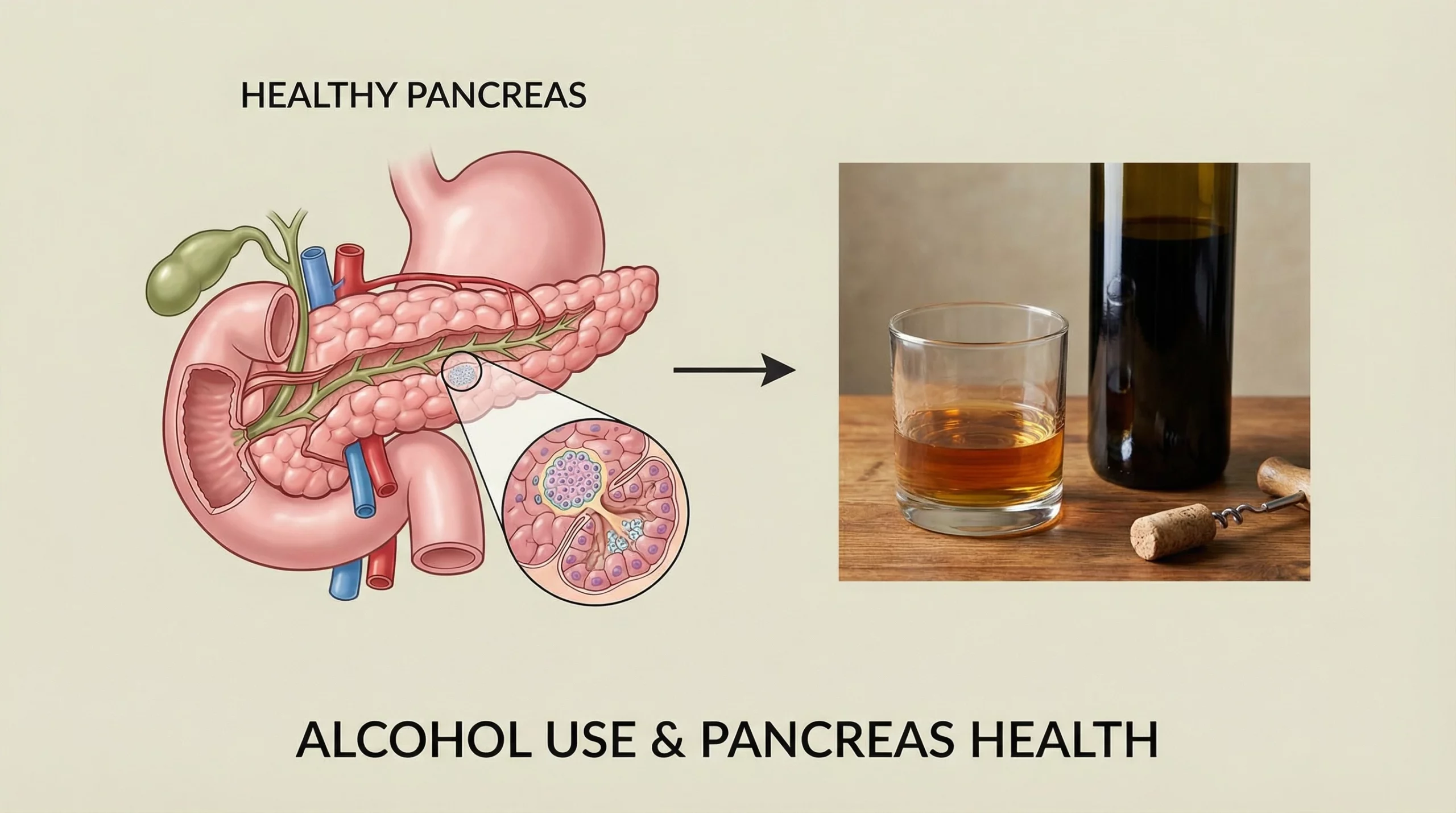
Pancreatic cancer gets talked about a lot because it’s one of the more difficult cancers to spot in the early stages. The pancreas is a gland behind your stomach; it helps with digestion and blood sugar regulation. Cancer that forms in this gland is tough to win against, partly because symptoms sneak up and stay hidden until the disease has already grown a lot.
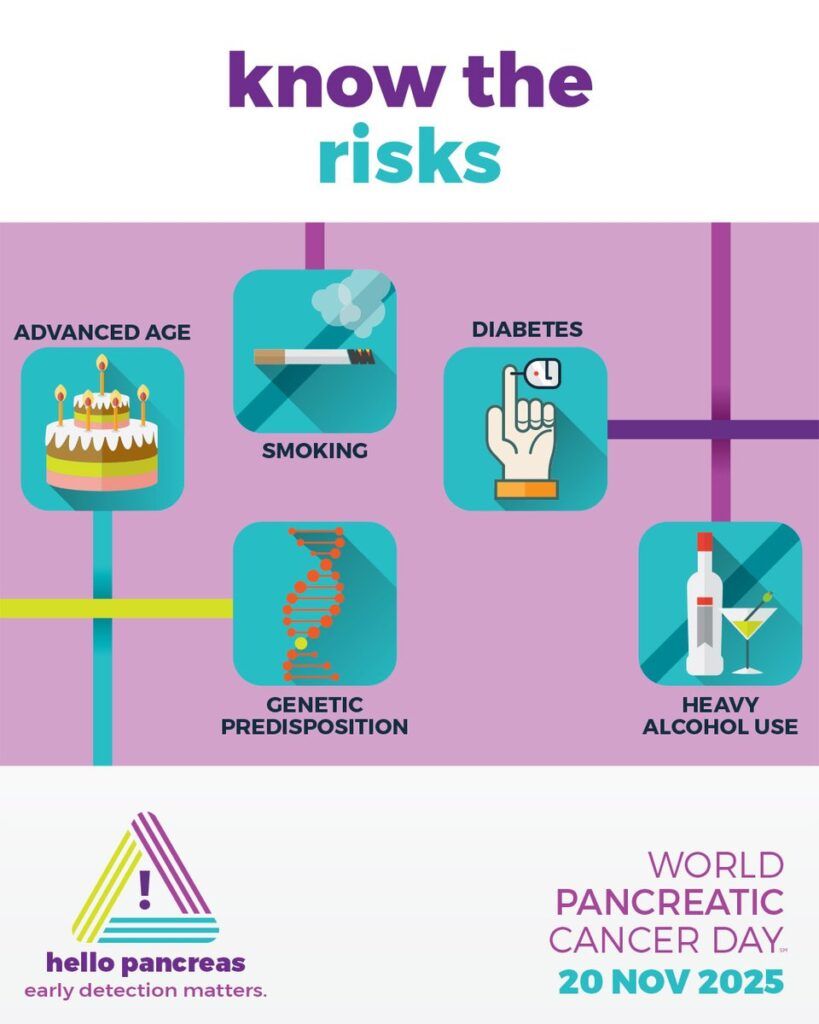
Lots of studies have checked out the causes of pancreatic cancer—things like age, smoking, family history, diabetes, and alcohol use. Knowing how these risk factors interact lets researchers find ways to lower your odds of developing the disease or catch it sooner.
Alcohol’s tie to pancreatic cancer isn’t cut-and-dried, but it’s an important part of the story that deserves some close attention.
How Alcohol Affects the Pancreas
The impact of alcohol on health depends on tons of things: from how much you drink, to genetics, to diet. For the pancreas, alcohol likes to stir up trouble over time. Here’s how this typically works:
- Direct Toxic Effects: When you have drinks, your pancreas works to break the alcohol down, making toxic byproducts in the process. Over time and with frequent or heavy drinking, these byproducts can damage pancreatic cells.
- Chronic Inflammation: Habitual heavy drinking can set off a never-ending state of inflammation in the pancreas (called pancreatitis). If this keeps happening, the risk of cell mutations and changes increases, letting cancer risk creep higher.
- Boosts Other Risk Factors: Drinking can add to other risks, like being more likely to use tobacco or develop diabetes. Both have their own strong links to pancreatic cancer, so mixing them simply makes things worse.
If you want more information about exactly how alcohol affects the pancreas, check the American Cancer Society and the National Cancer Institute. Both offer user-friendly guides for more reading.
Research Evidence: What Science Shows
The relationship between pancreatic cancer and alcohol use has been looked at for decades. Large studies have tried to see whether occasional drinking matters or if only big amounts of alcohol create a higher risk.
- Heavy Drinking Linked to Higher Risk: The clearest evidence shows regular heavy alcohol use (think several drinks a day over years) brings a notable jump in pancreatic cancer risk.
- Light to Moderate Use: Most research, like reviews by the World Cancer Research Fund, shows that light or casual drinking doesn’t have a strong link, but that still doesn’t make it totally harmless—especially with other risk factors thrown in.
- Binge Drinking: If you don’t drink every day but go on binges, your risk also goes up, likely due to the sudden, intense stress you put on your pancreas.
In a major review from 2020 published in the World Journal of Gastroenterology, people who regularly had more than three drinks per day saw a visible increase in pancreatic cancer compared to those who avoided alcohol. Details can get tricky because everyone’s body handles alcohol differently, but one thing stays true: more alcohol, more risk.
Key Risk Factors That Work With Alcohol
Alcohol doesn’t act solo, especially in something as complicated as cancer. Here are big factors that often go hand-in-hand with alcohol, raising your odds:
- Smoking: Heavy drinkers are often more likely to smoke, and those risks double to give cancer risk an extra kick.
- Chronic Pancreatitis: Drinking is a top reason people develop long-lasting pancreatitis. That condition alone is a huge risk factor for cancer.
- Genetics & Family History: If pancreatic cancer pops up in your family tree, the combo of alcohol and genetic risk calls for serious awareness.
- Type 2 Diabetes: Studies suggest heavy drinking can interfere with insulin, possibly paving the way for diabetes. Both diabetes and drinking together increase the risk even higher.
Piling up risks like these isn’t great for anybody. Keeping your overall health in focus—not just alcohol—is always smart.
Symptoms and Early Warning Signs
One major challenge with pancreatic cancer is the lack of symptoms until things get serious. That’s why staying sharp about symptoms matters when you have more than one risk factor, like drinking often or heavily. Here’s what to keep on your radar:
- Yellowing of the Eyes or Skin (Jaundice): This might be the first thing you catch. It’s caused by a buildup of bilirubin when a tumor blocks the bile duct.
- Pain in the Upper Abdomen or Back: Usually, this isn’t a sharp pain, but a nagging ache.
- Unexplained Weight Loss: Losing pounds for no reason is a red flag you shouldn’t brush off.
- Digestive Problems: Recurring nausea, vomiting, or bloating can be clues that the pancreas isn’t working properly.
No symptom screams “pancreatic cancer” on its own. Still, if you notice these and you’ve had years of heavy drinking, start a conversation with your doctor right away.
Taking Steps: Lowering Your Pancreatic Cancer Risk
I’m a fan of steps you can really act on, so here are things that genuinely help cut your risk. No need to go cold turkey overnight—small adjustments make a world of difference over time:
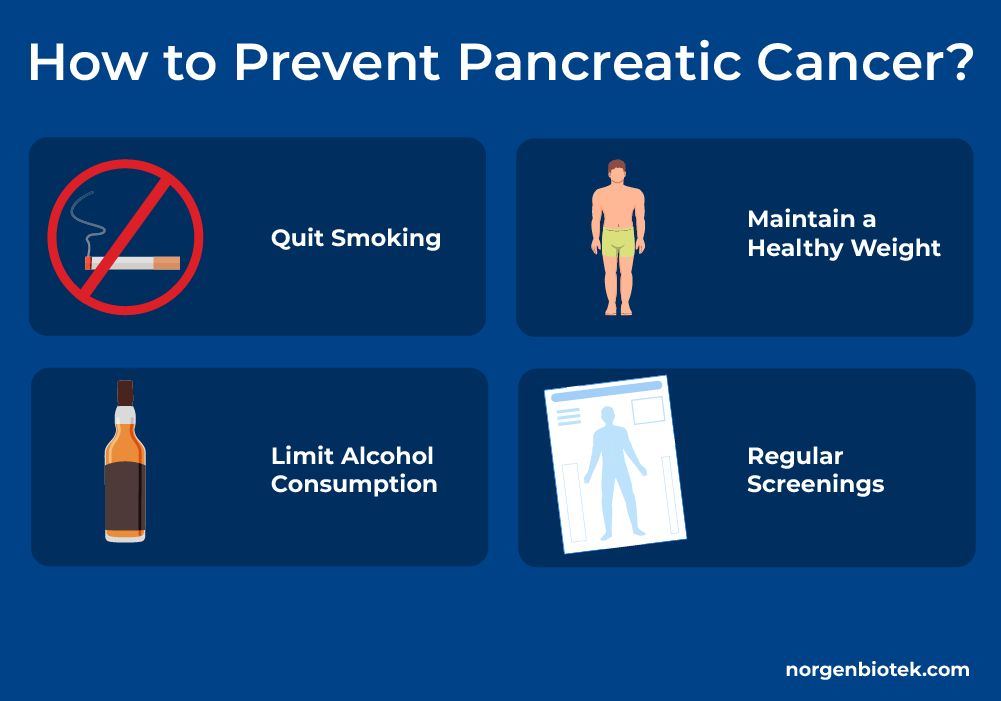
- Cut Down on Alcohol: Cutting back on weekly drinks can only help your pancreas.
- Quit Smoking: If you smoke on top of drinking, dropping the cigarettes is critical. That pairing makes things much worse for your pancreas.
- Handle Health Issues: Get diabetes under control and see a provider about any ongoing digestive problems.
- Eat Healthier: More fruits, veggies, and whole grains make your pancreas happy and drop your risk of cancer overall.
- Know Your History: If pancreatic cancer is in your family, ask your healthcare team about extra screening or prevention strategies.
If you want help or tools for cutting down on alcohol, the Centers for Disease Control and Prevention (CDC) offers resources that can really give you a boost.
Common Questions about Pancreatic Cancer and Alcohol
Let’s dig into the questions people ask most, whether they’re concerned about their current habits or just want to get ahead of risk.
Question: Does beer or wine carry a different risk than spirits?
Answer: The risk mainly comes from the total amount of alcohol you drink, not the kind. Beer, wine, liquor—they all add up to the same if you’re looking at total intake.
Question: If I stop drinking now, does my risk return to normal?
Answer: Quitting alcohol over time can lower your risk, especially if you work on other parts of your health. The risk may not completely match someone who never drank, but it certainly drops the longer you stay away from alcohol.
Question: Is moderate drinking safe for my pancreas?
Answer: Light or moderate drinking is less clearly linked to cancer, but less alcohol is usually better, especially if you’ve already got some health risks in your background.
Question: Are there any early screenings for pancreatic cancer if I’m worried?
Answer: At this point, there aren’t routine screening tests for folks without symptoms unless you fall in a high-risk group. It’s smart to talk with your doctor about your health history and concerns.
Real-Life Example: Why This Knowledge Makes a Difference
A friend of mine had a father who ended up with chronic pancreatitis and, years later, was diagnosed with pancreatic cancer. The whole family enjoyed social drinking, and it didn’t seem risky until the health issues started making waves at home. After learning how alcohol mixes with other risk factors, everyone began plotting out new drinking habits and making some changes. Watching this unfold really drove home for me how having the right info on hand—at just the right time—can be a game changer for families.
Useful Resources for Learning More and Finding Support
If you want to dig into this subject or need help with alcohol use, these organizations are excellent starting points:
- Pancreatic Cancer UK – up-to-date facts and helpful advice
- American Cancer Society – guides for patients and resources on risks
- National Institute on Alcohol Abuse and Alcoholism – support and guidance for reducing alcohol use
Even keeping a bit of knowledge close by can shape big choices for your health. Early changes make a difference, and looking after your pancreas today sets the stage for a healthier life down the road.
Video: