Licensure Policies for Addiction

Licensure policies are critical for ensuring access to opioid use disorder (OUD) medication in specialty addiction treatment, impacting provider practices and patient outcomes. Governed at the state level, these policies aim to broaden the pool of healthcare providers able to prescribe medications like buprenorphine and methadone. Effective implementation relies on government support and community engagement. … Read more
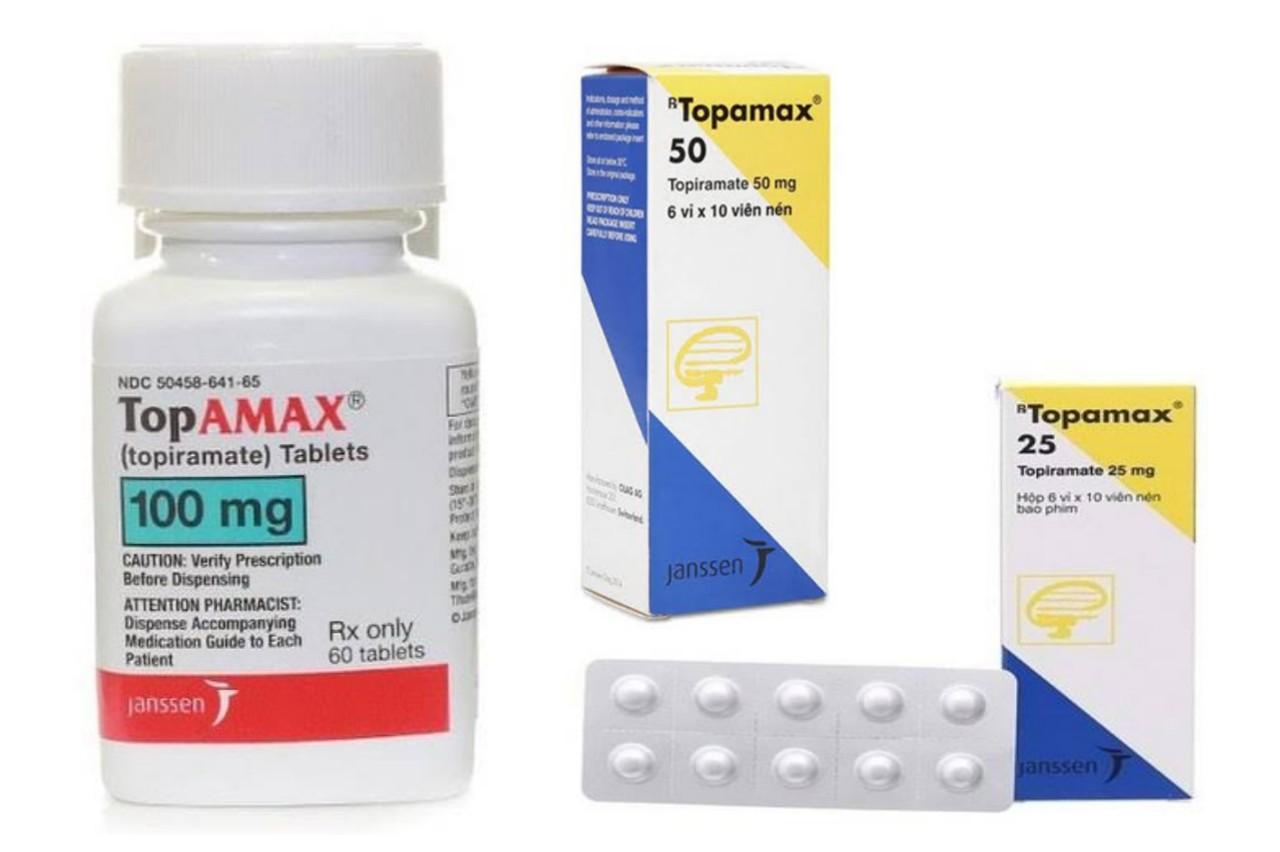

Topiramate for AUD treatment

Topiramate, an anticonvulsant, has shown promise in treating alcohol use disorder (AUD). It targets neurotransmitter systems like GABA and glutamate, which are pivotal in addiction pathways, reducing cravings and drinking frequency. However, its efficacy is tempered by side effects, including cognitive issues and dizziness. Topiramate is an alternative for those unresponsive to naltrexone for AUD … Read more

Normalizing OUD Treatments

Normalization of opioid use disorder (OUD) treatments is crucial for improving care and reducing stigma associated with substance use disorders. This approach shifts societal views towards viewing OUD as a medical condition deserving of compassionate care. Self-management empowers individuals in their treatment journey, fostering resilience and responsibility. Family support fosters a nurturing environment characterized by … Read more

Early Drug Addiction Intervention

Early intervention is crucial in reducing the long-term impact of addiction through proactive measures at the individual, familial, and community levels. Self-management strategies empower individuals to build resilience and prioritize health, while family support fosters open communication and sets boundaries. Community resources enhance these efforts with education, accessible treatment, support networks, and advocacy. These approaches … Read more

Cannabis Use by Students

Cannabis addiction among students poses significant health and social challenges amid evolving legalization trends. As cannabis becomes more accessible, concerns about its impact on youth health, including cognitive impairment and respiratory issues, grow. Schools and communities are pivotal in prevention efforts, offering education programs and support services. Family involvement fosters open communication and sets expectations … Read more

Early Addiction Signs

Understanding early signs of addiction is crucial for timely intervention and support. Addiction can manifest in various forms, from substance use disorders like alcohol and opioids to behavioral addictions such as gambling or internet gaming. Recognizing these signs early involves awareness of behavioral, physical, and psychological changes. Self-management strategies empower individuals to take proactive steps … Read more

Fentanyl Outreach Program

The fentanyl crisis demands robust responses, and outreach team programs are vital in providing education, harm reduction, and treatment access within communities. These programs face barriers like stigma, limited funding, and legal restrictions. Effective strategies include community partnerships, harm reduction initiatives, and comprehensive support services. Government involvement is crucial, as it offers funding, policy support, … Read more

Noninvasive Interventions

Noninvasive interventions provide promising avenues for preventing and treating addiction, chronic pain, and depression without surgical procedures. Despite their effectiveness, barriers like limited accessibility and awareness hinder widespread adoption. Effective self-management, family support, and community resources are essential for overcoming these challenges, empowering individuals, and fostering a supportive environment for recovery. Integrating these elements enhances … Read more

SUD Treatment for Women

Practical treatment approaches for Substance Use Disorders (SUDs) in women are crucial due to their unique biological, psychological, and social factors influencing substance use and recovery needs. Tailoring treatments to these factors enhances effectiveness and supports long-term recovery. Self-management skills empower women to navigate triggers, while strong family support fosters understanding and encouragement. Community resources … Read more

Youth Drug Overdoses

Youth overdoses are a critical public health issue driven by factors like peer pressure, mental health challenges, and substance access. Addressing this requires a multifaceted approach involving pediatricians, self-management, family support, and community resources. Pediatricians provide early intervention, education, and treatment, while self-management skills empower youth to make informed decisions and cope with stress. Family … Read more