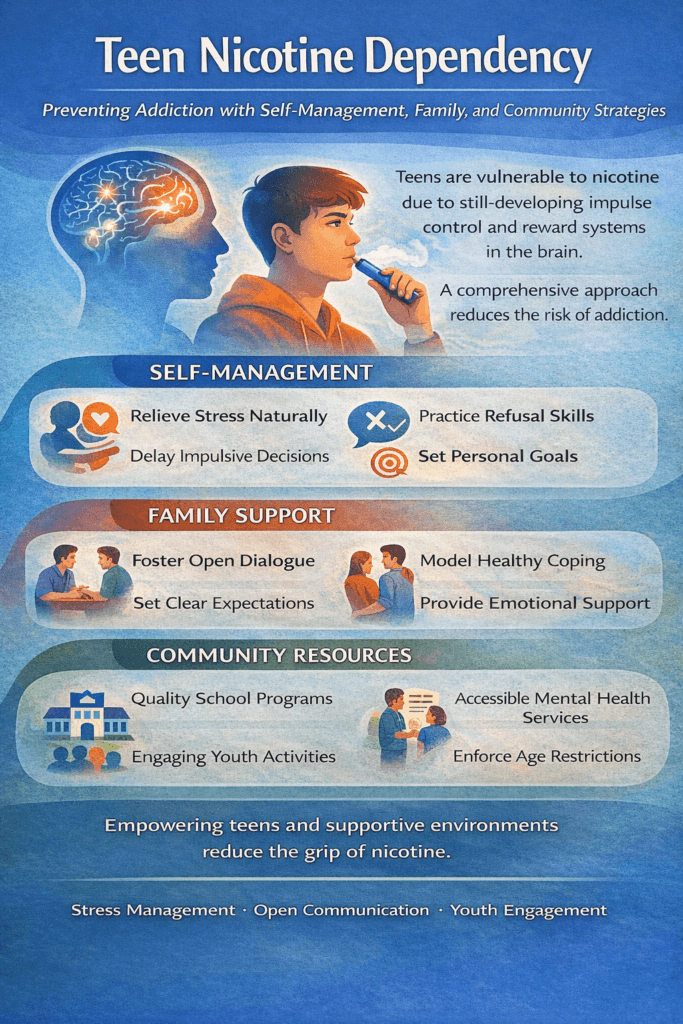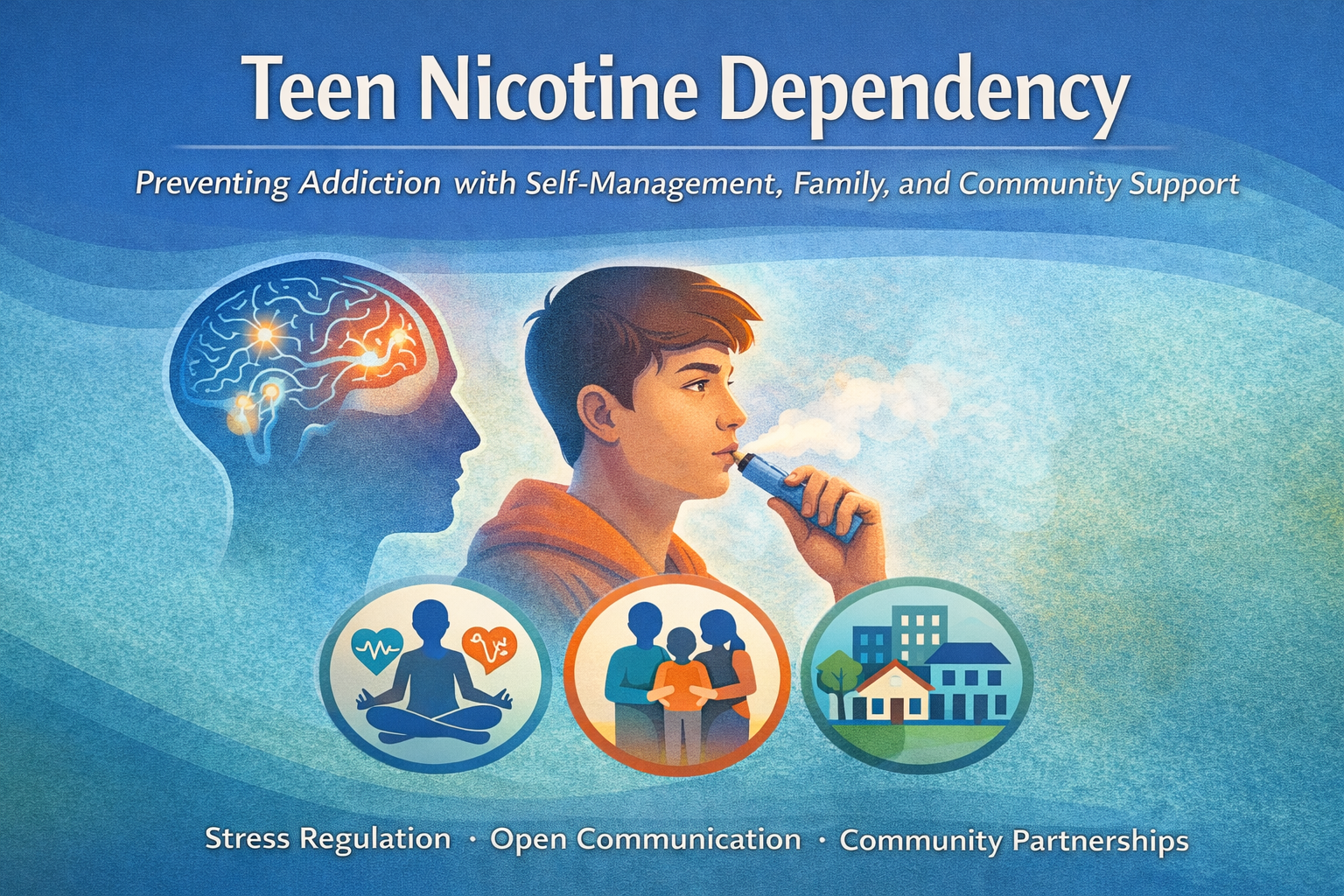
Teen nicotine dependency has become a significant public health concern, particularly with the rise of vaping devices that are discreet, flavored, and widely accessible. Adolescence is a critical stage of brain development, particularly in regions involved in impulse control, emotion regulation, and decision-making. Because nicotine directly affects the brain’s dopamine system, teens are biologically more vulnerable to rapid dependence. Effective prevention requires more than warnings about health risks. A comprehensive approach that integrates self-management skills, family support, and community resources provides the strongest protection. When teens learn to regulate stress, families foster open communication and boundaries, and communities offer education and accessible support systems, the risk of nicotine dependency decreases significantly.
The Most Common Drug Used by Teens: Nicotine
Nicotine remains the most commonly used drug among teenagers, largely due to the rise of vaping and electronic cigarettes. While traditional cigarette smoking among teens has declined over the past two decades, nicotine use has shifted rather than disappeared. E-cigarettes, disposable vapes, and flavored nicotine products have made access easier and use more socially acceptable in adolescent environments.
Why Nicotine Appeals to Teens
Nicotine is a stimulant that activates the brain’s reward system by increasing dopamine release. In teens, whose brains are still developing—especially in areas responsible for impulse control and decision-making—this dopamine surge can be particularly reinforcing. Many adolescents report using nicotine to cope with stress, anxiety, boredom, or social pressure. Flavored products and discreet vape devices further reduce perceived risk.
The Developing Brain and Addiction Risk
Adolescence is a critical period of brain development. Nicotine exposure during this stage can alter neural pathways involved in attention, learning, mood regulation, and reward processing. Because the teenage brain is more sensitive to dopamine changes, dependence can develop more quickly compared to adults. What begins as experimentation can escalate into daily use within weeks.
Health Risks Beyond Addiction
While vaping is often perceived as “safer” than smoking, nicotine itself has significant health effects. It increases heart rate and blood pressure, contributes to mood instability, and may worsen anxiety symptoms over time. Some vaping products also contain harmful chemicals that irritate the lungs. Importantly, early nicotine use increases the likelihood of later substance use disorders, including alcohol and other drugs.
Prevention Strategies
Effective prevention combines self-management, family involvement, and community support. Teaching teens stress-management skills, emotional regulation, and refusal techniques strengthens resilience. Open, nonjudgmental conversations at home reduce secrecy and improve trust. Schools and communities that provide accurate education—rather than fear-based messaging—help adolescents understand both the neurological and behavioral risks of nicotine use.
A Public Health Perspective
Nicotine use among teens is not simply a matter of poor decision-making; it reflects targeted marketing, peer influence, and developmental vulnerability. Addressing teen nicotine use requires compassion, education, and early intervention. When families, schools, and healthcare systems work together, prevention becomes proactive rather than reactive.
Self-Management Strategies to Help Teens Avoid Nicotine Dependency
Nicotine remains the most commonly used substance among adolescents, largely through vaping and flavored products designed to appeal to youth. Because the teenage brain is still developing—especially areas responsible for impulse control, emotional regulation, and reward processing—nicotine can create dependence quickly. Prevention is most effective when teens develop strong self-management skills that reduce stress, improve decision-making, and build resilience against peer pressure.
Understand the “Why” Behind Use
Many teens experiment with nicotine not out of rebellion, but to manage stress, anxiety, boredom, or social pressure. Self-awareness is the first prevention tool. Encouraging teens to identify emotional triggers—such as feeling excluded, overwhelmed academically, or socially anxious—helps them address the root cause rather than turning to nicotine for relief.
Build Healthy Stress-Relief Habits
Nicotine stimulates dopamine, temporarily improving mood and focus. Teaching teens natural strategies for regulating dopamine is critical. Regular physical activity, consistent sleep routines, balanced nutrition, creative hobbies, and mindfulness practices stabilize mood and reduce the desire for artificial stimulation. Even small habits, like daily walks or structured downtime, strengthen brain regulation.
Strengthen Refusal and Boundary Skills
Peer influence is one of the strongest predictors of teen nicotine use. Practicing simple, confident refusal statements in advance builds confidence. Teens who rehearse responses—such as “I’m good,” or “Not my thing”—are more likely to resist in real situations. Avoiding high-risk environments when possible also reduces exposure.
Delay Decision-Making
Impulsivity is common during adolescence. Teaching teens to pause—counting to ten, stepping away, or texting a trusted adult—can interrupt automatic decisions. Creating a delay between the urge and the action builds long-term self-control.
Develop a Strong Identity and Goals
Teens with clear goals and interests are less likely to engage in risky behaviors. Encouraging involvement in sports, the arts, volunteering, academics, or vocational pursuits fosters a sense of purpose and belonging. A strong sense of identity reduces reliance on substances for confidence or social acceptance.
Encourage Honest Self-Reflection
If experimentation has already occurred, shame is counterproductive. Encouraging honest reflection—“How did that make me feel physically and emotionally?”—helps teens evaluate consequences realistically. Reflection builds internal motivation to avoid continued use.
Prevention Through Skill-Building
Avoiding nicotine dependency is not about fear-based warnings alone. It is about equipping teens with practical self-management tools that strengthen emotional resilience and decision-making. When adolescents learn how to regulate stress, set boundaries, and pursue meaningful goals, they are far less likely to rely on nicotine for relief or identity.
Family Support Strategies to Help Teens Avoid Nicotine Dependency
Nicotine remains the most commonly used substance among teenagers, particularly through vaping products that are discreet, flavored, and heavily marketed toward youth culture. Because the adolescent brain is still developing—especially areas responsible for impulse control, emotional regulation, and long-term planning—teens are more vulnerable to rapid nicotine dependence. Family support is one of the strongest protective factors against early substance use. When families combine connection, communication, and structure, they significantly reduce the risk of nicotine dependency.
Foster Open, Nonjudgmental Communication
Teens are more likely to avoid or disclose nicotine use when they feel safe talking about peer pressure and curiosity without fear of punishment. Regular conversations about vaping and nicotine—focused on health, brain development, and real-world consequences—are more effective than scare tactics. Listening first, asking open-ended questions, and validating emotions build trust and reduce secrecy.
Model Healthy Coping and Behavior
Adolescents observe how adults manage stress. Parents and caregivers who demonstrate healthy coping skills—such as exercise, problem-solving, emotional expression, and responsible technology use—send powerful messages. If nicotine or tobacco use exists in the household, openly discussing efforts to quit or reduce use can also model accountability and growth.
Establish Clear Expectations and Boundaries
Clear, consistent family rules regarding substance use provide structure and predictability. Teens benefit from knowing expectations and consequences in advance. Boundaries are most effective when delivered calmly and consistently, paired with warmth rather than harsh control.
Monitor Social Environments
Knowing teens’ friends, activities, and social settings reduces exposure to high-risk situations. Staying engaged in school events, extracurricular activities, and digital environments helps parents recognize early warning signs, such as sudden changes in behavior or secrecy.
Support Emotional and Mental Health
Many teens use nicotine to cope with anxiety, stress, or social discomfort. Families that proactively address mental health—encouraging counseling when needed and promoting balanced routines—reduce the likelihood that teens will self-medicate with nicotine.
Reinforce Identity and Purpose
Encouraging involvement in sports, the arts, volunteering, academics, or part-time work helps teens build confidence and a sense of belonging. A strong sense of purpose reduces the appeal of substances used for social acceptance.
Family as a Protective System
Preventing nicotine dependency is not about surveillance—it is about relationship strength. Teens who feel connected, supported, and understood are less likely to engage in risky behaviors. When families prioritize communication, structure, and emotional support, they create a protective environment that helps adolescents navigate peer pressure and developmental challenges without relying on nicotine.
Community Resource Strategies to Help Teens Avoid Nicotine Dependency
Nicotine remains the most commonly used substance among adolescents, largely through vaping devices that are easy to conceal and heavily marketed toward youth. While individual choices and family influence matter, community-level strategies are critical in reducing teen nicotine dependency. Communities shape access, norms, education, and early intervention systems. When schools, healthcare systems, youth programs, and public health organizations work together, prevention becomes proactive rather than reactive.
School-Based Prevention and Education
Evidence-based school programs that focus on brain development, stress management, and refusal skills are more effective than fear-based messaging. Interactive education that explains how nicotine affects the developing brain helps teens understand long-term consequences. Programs that include peer leadership components are particularly impactful, as adolescents are strongly influenced by social norms.
Access to Youth Mental Health Services
Many teens use nicotine to cope with anxiety, depression, academic pressure, or social stress. Communities that provide accessible counseling services—through schools, community clinics, or telehealth platforms—reduce the need for self-medication. Early screening and intervention can address emotional distress before substance use begins.
Youth Engagement and Structured Activities
After-school programs, sports leagues, arts initiatives, mentorship programs, and volunteer opportunities provide structure and a sense of belonging. Teens who feel connected to positive peer groups and adult mentors are less likely to engage in substance use. Community investment in youth development reduces idle time and strengthens protective social networks.
Public Health Policies and Retail Regulation
Community enforcement of age restrictions, retail compliance checks, and limits on flavored nicotine products reduces accessibility to these products. Public awareness campaigns that focus on health and empowerment—not shame—shift social norms away from vaping as “harmless.”
Peer Support and Recovery Programs
Communities that provide confidential support groups and cessation resources for teens who have already experimented with nicotine prevent escalation. Early intervention and nonjudgmental support increase the likelihood of quitting before dependency becomes entrenched.
Community as a Protective Environment
Preventing teen nicotine dependency is a shared responsibility. When communities combine education, mental health access, youth engagement, policy enforcement, and supportive intervention systems, they create environments where healthy choices are easier, and nicotine use is less normalized. Strong community infrastructure strengthens resilience and protects adolescent brain health during a critical developmental period.
Frequently Asked Questions
Here are some common questions:
Why is nicotine the most common drug used by teens?
Nicotine is widely accessible through vaping devices and flavored products that appeal to youth. Many teens perceive vaping as less harmful than smoking, which lowers risk awareness. Peer influence, social media exposure, and targeted marketing also contribute to experimentation.
How quickly can teens become dependent on nicotine?
Teens can develop nicotine dependence faster than adults because their brains are still developing. Nicotine alters dopamine pathways involved in reward and motivation, making repeated use more reinforcing during adolescence.
Is vaping safer than smoking for teens?
While vaping may expose users to fewer combustion-related toxins than cigarettes, nicotine itself is harmful to the developing brain. Vaping products can also contain chemicals that irritate the lungs and affect cardiovascular health.
What are the signs of nicotine dependency in teens?
Common signs include frequent vaping, irritability when unable to use nicotine, increased secrecy, strong cravings, difficulty concentrating without vaping, and mood changes such as anxiety or restlessness.
Why do teens say they use nicotine?
Teens often report using nicotine to cope with stress, anxiety, boredom, or social pressure. Some use it to feel more confident or to conform to peer expectations.
How does nicotine affect the developing brain?
Nicotine affects regions of the brain involved in attention, impulse control, learning, and emotion regulation. Early exposure may increase the risk of long-term addiction and can make teens more vulnerable to other substance use.
Can teen nicotine use lead to other substance use?
Research suggests that early nicotine use is associated with a higher likelihood of later alcohol, cannabis, or other drug use. This may be due to shared risk factors and changes in the brain’s reward system.
What can teens do to avoid nicotine dependency?
Teens can practice refusal skills, develop stress-management routines, remain engaged in structured activities, and seek support when feeling overwhelmed. Developing a strong identity and long-term goals also reduces vulnerability.
How can parents help prevent nicotine use?
Parents can maintain open communication, set clear expectations, monitor social environments, and model healthy coping strategies. Calm, consistent conversations are more effective than fear-based approaches.
What community resources support prevention and quitting?
Schools, healthcare providers, youth programs, counseling services, and quitlines provide education and cessation support. Early intervention increases the likelihood of quitting before long-term dependence develops.
Conclusion
Preventing teen nicotine dependency is most successful when responsibility is shared across individual, family, and community levels. Self-management strategies empower teens to cope with stress, resist peer pressure, and build healthy routines that support brain development. Family support reinforces structure, trust, and early intervention without shame or fear-based control. Community resources—including school-based education, youth programs, mental health services, and public health policies—create environments that reduce access and normalize healthy choices. When these layers of prevention align, teens are better equipped to navigate social pressures and developmental challenges without turning to nicotine, strengthening long-term health and resilience.
Video: Most Common Teen Drug- Nicotine