Ketamine treatment for fentanyl addiction is getting more attention as doctors and researchers try to tackle one of today’s toughest opioid problems. Since fentanyl is incredibly powerful—much more potent than heroin or morphine—finding new tools to support recovery is really important. Let’s check out what ketamine treatment looks like for fentanyl addiction, where the research stands, and what people should be aware of if they’re considering this option.
Why Fentanyl Addiction Needs New Solutions
The rise in fentanyl overdoses has been a public health emergency in North America and other parts of the world. Fentanyl is used medically for severe pain, but street fentanyl is often mixed with other drugs and can cause fatal overdoses even at tiny doses. Standard treatments like methadone or buprenorphine might help some people, but they don’t work for everyone in the long term. This is where ketamine comes in as a possible new tool for people who haven’t found success with more traditional approaches.
Ketamine itself has been around since the 1960s and is mainly known as an anesthetic. Over the last few years, it’s also been explored for treatment-resistant depression, chronic pain, and now, substance use disorders. The growing interest in ketamine for opioid addiction isn’t just hype; early research shows it might be able to reduce cravings, improve mood, and change the patterns that keep people stuck in cycles of relapse.
How Ketamine Works in the Brain
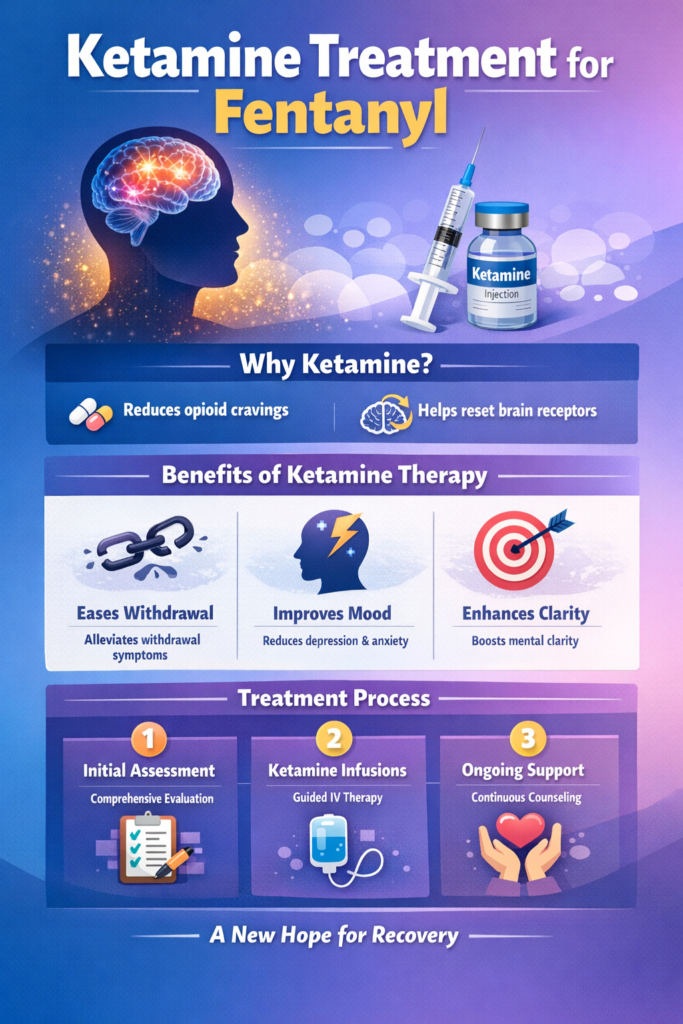
Ketamine works in a totally different way from opioids like fentanyl. While fentanyl targets the opioid receptors in the brain (which affects things like pain, reward, and pleasure), ketamine blocks NMDA receptors, which are linked to memory and learning. This means ketamine can sort of “reset” some brain circuits related to addiction and craving. That’s a big deal, especially for people who keep relapsing even after detox or medication.
Doctors and researchers think ketamine might help:
- Reduce cravings: By blocking NMDA receptors, ketamine may weaken the memory loops that trigger craving for fentanyl and other opioids.
- Boost mood: Ketamine’s antidepressant effect can help with the anxiety and depression that often go hand-in-hand with opioid withdrawal or long-term recovery.
- Encourage neuroplasticity: Ketamine opens a window of greater flexibility, making it easier to learn new coping skills in therapy.
- Interrupt withdrawal symptoms: Some clinics use ketamine infusions to help with acute opioid withdrawal, making the physical part of detox a bit easier to handle.
It’s important to note that while these benefits sound promising, researchers are still reviewing the data to better understand how, why, and for whom ketamine makes the biggest difference. Also, combining ketamine with other forms of therapy seems to boost positive outcomes.
What Ketamine Treatment for Fentanyl Actually Looks Like
Ketamine treatment for fentanyl isn’t something people do on their own; it’s done in a clinic with doctors or nurses present. The most common way is by IV infusion, but there are also nasal sprays and lozenges in certain settings. Most programs start with a health screening, and then patients receive a low, controlled dose. Sessions last about 45 to 60 minutes, and people are monitored throughout for factors such as blood pressure, heart rate, and comfort.
This is usually just one part of the whole treatment plan. Clinics often combine ketamine sessions with counseling or therapy. The timing varies: some people do a short series of ketamine sessions over a few weeks, while others may return for booster sessions months later if cravings come back. There’s no single formula; all of this is tailored to the person and what works for their specific situation. Health care teams usually adjust each plan based on how the patient’s body and mind react.
What to Know Before Trying Ketamine for Fentanyl Addiction
Thinking about ketamine as part of recovery involves weighing some pros and cons. Here’s what stands out:
- It’s not a cure: Ketamine can help with cravings and mood, but ongoing therapy and support are really important for lasting change.
- Not everyone is a good candidate: People with a history of certain mental health problems, like untreated psychosis, high blood pressure, or some heart conditions, might not be eligible for ketamine treatment.
- There’s a medication-assisted cost involved: Ketamine is often not covered by insurance, since it’s still an off-label use for addiction. Out-of-pocket costs can add up quickly and become high.
- Risks and side effects: Some people feel dizzy or nauseous, or have strange dreams. A few may feel disconnected (this is called dissociation), but it usually fades after the session. Monitoring by healthcare professionals is standard to keep things safe.
- Relapse can still happen: Even with everything lined up, relapse is a risk in addiction of any kind. That’s why support from counselors, family, and peer groups is encouraged. Ketamine is a tool, not a standalone solution.
Common Side Effects of Ketamine Treatment
Most ketamine clinics walk people through the expected side effects ahead of time. Common things include:
- Dizziness or a floaty feeling
- Blurred vision
- Headache
- Increased heart rate or blood pressure (almost always temporary)
- Nausea or mild confusion right after the session
Almost all of these effects wear off within an hour or so. The clinic staff usually check for these issues before letting anyone go home.
In rare cases, people may experience more intense confusion or anxiety during sessions, but the medical team is trained to step in immediately if this happens. This reassures many patients, making the experience more comfortable and less frightening. It’s important to ask all questions up front so there are no surprises during the process.
Comparing Ketamine to Other Opioid Addiction Treatments
For fentanyl addiction, the usual treatments include medication-assisted therapy with buprenorphine (Suboxone), methadone, or naltrexone, along with therapy and support groups. These medications work by blocking or replacing the effects of fentanyl on the brain, which helps reduce withdrawal and cravings. Ketamine isn’t meant as a replacement for these therapies; it’s sometimes used when other options haven’t done the trick or as a supplement to give a boost to mental health recovery.
One thing that makes ketamine interesting is that it acts fast, especially on mood and cravings. People who’ve struggled with long waiting periods for other meds sometimes see improvements within hours of a ketamine session. On the flip side, ketamine isn’t for daily use, and the effects might not last as long between sessions, so ongoing support is still really important for anyone in recovery.
In some experimental settings, clinicians have tried pairing ketamine with mindfulness training, cognitive behavioral therapy, or other supportive interventions, hoping that the brain’s “window of flexibility” following a session helps people absorb new skills and mindsets more quickly. While there’s still a lot to learn, early reports from these programs have added extra hope to the addiction recovery landscape.
Where the Research Stands
Studies on ketamine and fentanyl addiction are still new, but pilot trials have shown promising results. A few small studies found that people addicted to opioids who got ketamine therapy reported lower cravings and stayed in treatment longer than those who didn’t. However, much of the published research mixes people with different types of opioid addictions together—heroin, prescription painkillers, fentanyl—so there’s more work to be done to see exactly how well ketamine works for fentanyl specifically.
Major medical organizations are watching this area closely, but ketamine treatment for fentanyl still isn’t the first recommendation in guidelines everywhere. If you’re interested in this option, it’s worth checking with larger addiction centers or academic hospitals, as they’re often the ones running clinical trials or new protocols with ketamine for opioid cravings.
Looking ahead, there’s talk that ongoing clinical studies might pinpoint exactly which people respond best to ketamine therapy and what extra supports make a difference. We may see more guidelines developed as researchers learn more, helping providers map out best practices for this emerging treatment path.
Real-World Experience: What People Say
I’ve read some firsthand stories and testimonials from people who tried ketamine for opioid cravings. Many say they felt relief from obsessing over using and got a “mental reset” that allowed them to start recovery with a new mindset. Some notice that their mood lifts in ways that make other changes possible: going to therapy, reconnecting with family, or sticking to a plan they’d given up on before.
Of course, this isn’t universal; some people feel little or dislike the dissociative effects. Other folks mention it works best when combined with talk therapy, medication, and social support. Recovery is very individual, and nobody’s experience is exactly the same.
What stands out in these stories is how many people say that ketamine gave them a “window”—a stretch of hours or days—to make healthy decisions while cravings were quieter. Peer support groups, regular counseling, and having a clear aftercare plan seem to make good use of this window and help maintain progress.
Frequently Asked Questions
People often have questions when considering ketamine for fentanyl addiction. These are a few that I come across most often:
Q: Will ketamine cure my fentanyl addiction?
A: Ketamine is a tool that may help reduce cravings and improve mood, but it’s not a cure. Ongoing support, like therapy or peer groups, plays a big role in getting and staying well.
Q: How long do ketamine’s effects last for cravings?
A: Some people feel better for a few days to a couple of weeks after a session, but most clinics recommend a series of treatments for the best results. Booster sessions later on can also help if cravings return.
Q: Is ketamine treatment safe for everyone with fentanyl addiction?
A: It’s not for everyone. People with some mental health or medical conditions might not be eligible. Clinics screen closely to make sure it’s a good fit.
Q: Can I take ketamine if I’m also on methadone or buprenorphine?
A: Sometimes, yes, but only under medical supervision. It’s really important to work with doctors experienced in both types of medication to avoid complications.
Wrapping Up: Thoughts on Ketamine for Fentanyl Addiction
Ketamine brings a new option to the table for people dealing with fentanyl addiction, especially when standard treatments have fallen short. It has some next-level cool features, including rapid relief from cravings and helping people feel more ready for change. As research grows, ketamine will likely become more available, but it’s still important to see it as one piece of the bigger recovery puzzle. If you or someone you care about is considering this, talking to a qualified medical provider is the best way to get clear, up-to-date information tailored to your situation. Every step forward matters—whether it’s trying a new therapy, reaching out for help, or simply learning more about your options.
Video: How Ketamine Saves Fentanyl Addicts #addiction #treatment #awareness