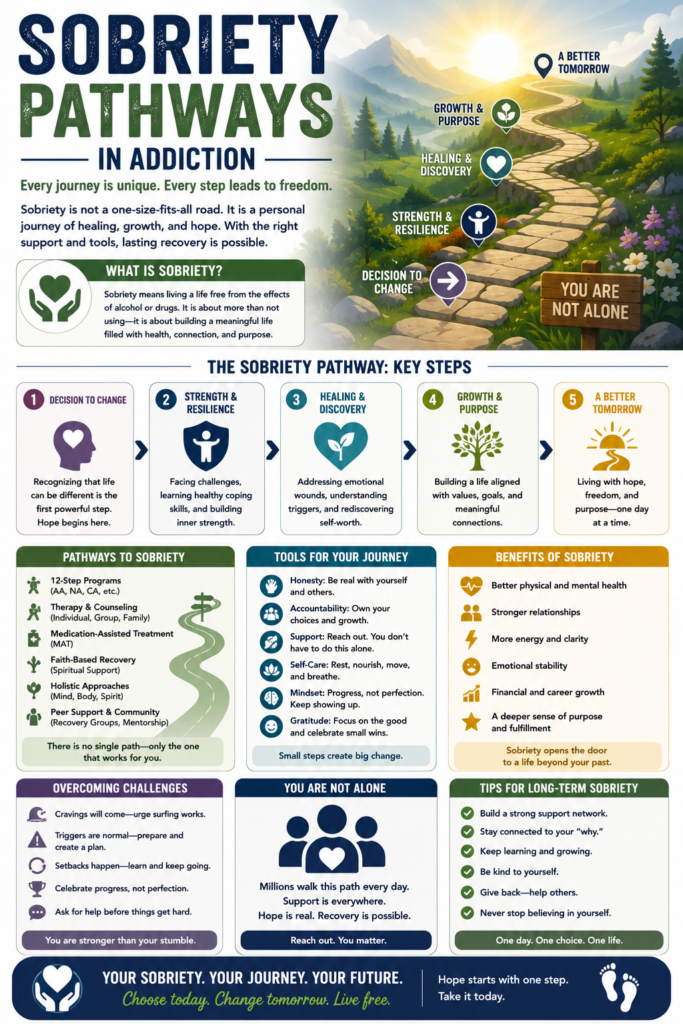
Maintaining sobriety after overcoming drug and alcohol addiction is a courageous and commendable endeavor. It involves a series of intentional steps, lifestyle changes, and ongoing support mechanisms. This journey is marked by its challenges, but it is also a testament to the strength and resilience of individuals committed to a healthier, substance-free life. In this guide, we will explore strategies and practices to help individuals stay on the path to sobriety and lead fulfilling, substance-free lives.
Key Factors for Achieving and Maintaining Sobriety
Recovery from addiction is a deeply personal journey, and the factors contributing to sobriety can differ for each individual. However, certain key elements consistently play a vital role in helping people overcome addiction and maintain long-term recovery. Here are some of the most impactful factors:
1. Personal Motivation and Readiness for Change
The foundation of recovery lies in an individual’s genuine desire and determination to overcome addiction. When someone is motivated and ready to make positive changes, their chances of achieving sobriety increase significantly.
2. Effective Treatment and Therapy
Access to evidence-based treatment approaches, such as cognitive-behavioral therapy (CBT), motivational enhancement therapy, and medication-assisted treatment (MAT), equips individuals with tools to address addiction and underlying issues effectively.
3. Supportive and Stable Environment
A stable living environment that meets basic needs and offers emotional safety is essential for recovery. This includes living in a space free from substance-related triggers and surrounded by positive influences.
4. Strong Support System
Supportive friends, family, and peers are invaluable in the recovery process. A strong support network offers encouragement, accountability, and companionship, helping individuals stay motivated and focused on their sobriety goals.
5. Access to Aftercare and Continuing Care
Recovery doesn’t end with treatment. Aftercare programs, support groups like Alcoholics Anonymous (AA) or SMART Recovery, and ongoing counseling help individuals transition back into their communities and maintain long-term sobriety.
6. Coping Skills and Relapse Prevention Strategies
Learning to manage triggers, stress, and cravings is a critical part of recovery. Developing effective coping mechanisms and strategies to prevent relapse provides individuals with resilience in the face of challenges.
7. Addressing Co-occurring Disorders
For individuals with co-occurring mental health disorders, treating these conditions alongside addiction is crucial. A dual-focus approach ensures that both aspects are addressed, leading to more sustainable recovery outcomes.
8. Positive Lifestyle Changes
Healthy habits such as regular exercise, balanced nutrition, and mindfulness practices can boost physical and emotional well-being, providing a strong foundation for maintaining sobriety.
9. Finding Meaning and Purpose
Discovering a sense of purpose beyond addiction is a transformative aspect of recovery. Pursuing hobbies, education, work, or community service can bring fulfillment and a renewed sense of identity.
10. Self-Reflection and Growth
Engaging in self-reflection and striving for personal growth helps individuals understand their triggers, strengths, and goals. This ongoing process strengthens their commitment to recovery.
11. Avoiding Triggers and High-Risk Situations
Recognizing and steering clear of environments, situations, or people that may lead to relapse is a critical step in maintaining sobriety. Creating boundaries can safeguard progress.
12. Commitment to Long-Term Recovery
Sobriety is an ongoing journey. Embracing recovery as a lifelong process helps individuals stay focused on their goals, even during challenging times.
13. Accountability and Responsibility
Taking ownership of one’s actions and decisions fosters empowerment and strengthens the resolve to maintain sobriety. Being accountable to oneself and others can inspire continued commitment.
A Personalized Approach
Every recovery journey is unique. What works for one person may not work for another. A comprehensive, individualized approach that addresses the specific needs and circumstances of each individual is often the most effective way to achieve and maintain sobriety.
Remember, recovery is possible, and no one has to face it alone. There are resources, support systems, and professionals ready to help individuals navigate their path toward healing and fulfillment.
Why Some Addiction Treatment and Rehabilitation Programs Are More Effective Than Others
The effectiveness of addiction treatment and rehabilitation programs can vary significantly, and many factors contribute to whether a program will lead to long-term recovery. Understanding why some rehabs are more successful than others can help individuals seeking treatment find the most appropriate options for their needs. Here are key reasons why some rehab programs excel in helping people achieve and maintain sobriety:
1. Individualized Treatment Plans
One size does not fit all when it comes to addiction treatment. Programs that tailor their approach to each individual’s unique needs, preferences, and circumstances tend to be more successful. Personalizing treatment ensures that the methods used resonate with the individual and address their specific struggles.
2. Evidence-Based Practices
Rehabs that use evidence-based treatment methods—those supported by scientific research—tend to have better outcomes. Approaches such as cognitive-behavioral therapy (CBT), motivational enhancement therapy (MET), and medication-assisted treatment (MAT) are proven to be effective in treating addiction and are often included in the most successful programs.
3. Comprehensive Care
Effective rehab programs take a holistic approach to recovery, addressing not just the addiction itself, but also any co-occurring mental health conditions, physical health issues, and social challenges. Comprehensive care helps individuals heal on multiple levels, improving overall well-being.
4. Qualified and Compassionate Staff
The success of a rehab program depends heavily on the quality of the treatment team. Skilled, experienced, and compassionate staff provide essential support, guidance, and encouragement to individuals in recovery. The relationship between the staff and the patients can be a major factor in fostering a positive treatment experience.
5. Family Involvement
Addiction often affects the entire family, and involving family members in the treatment process can significantly enhance recovery outcomes. Family engagement helps build a support system, repair relationships, and address any family dynamics that may have contributed to the addiction.
6. Continuum of Care
The most effective rehabs offer a continuum of care, meaning they provide ongoing support even after formal treatment has ended. This includes aftercare, relapse prevention, and access to support groups. Continuing care helps individuals transition smoothly back into daily life while maintaining their commitment to recovery.
7. Access to Medication-Assisted Treatment (MAT)
For those struggling with opioid or alcohol addiction, MAT can be a game-changer. Medications like methadone, buprenorphine, or naltrexone help reduce cravings and withdrawal symptoms, supporting long-term recovery. Rehabs that offer MAT as part of their treatment approach tend to have better success rates.
8. Dual Diagnosis Treatment
Many individuals with addiction also struggle with mental health conditions, such as anxiety, depression, or PTSD. Effective rehabs treat both addiction and any co-occurring disorders in tandem, known as dual diagnosis treatment. Addressing both aspects of a person’s health increases the chances of a successful recovery.
9. Cultural Sensitivity and Inclusivity
A rehab program that respects and understands its clients’ cultural backgrounds is better equipped to offer relevant and effective treatment. Cultural sensitivity ensures that diverse populations feel valued and understood, which can significantly improve treatment engagement and success.
10. Access to Aftercare and Support Groups
Recovery does not end after leaving rehab. Successful programs connect individuals to aftercare resources and support groups in their communities, providing continued guidance, encouragement, and accountability to maintain sobriety.
11. Length and Intensity of Treatment
Research shows that longer treatment durations and more intensive interventions generally lead to better outcomes. Programs that offer extended care and a higher level of intensity tend to have more significant and lasting effects on recovery.
12. Outcome Monitoring and Evaluation
Rehabs that regularly track and assess their outcomes can make informed adjustments to their programs, ensuring they continue to use the most effective treatment methods. By evaluating their success rates and applying evidence-based practices, they are better equipped to improve treatment efficacy.
13. Motivation and Readiness for Change
While rehab programs play a key role in recovery, the individual’s own motivation and readiness for change are crucial. Those who are committed to recovery and willing to engage in the process tend to have better success in rehab.
14. Environmental Support and Stability
A stable, supportive living situation is essential for maintaining sobriety. Programs that help individuals establish a safe and supportive environment after treatment can significantly reduce the risk of relapse and improve long-term recovery outcomes.
A Multi-Faceted Approach
Addiction treatment is a deeply personalized process, and what works for one individual may not work for another. As such, the most effective rehab programs are those that provide a flexible, comprehensive, and individualized approach. Tailoring treatment to the unique needs of each individual—while incorporating evidence-based practices, compassionate care, and ongoing support—offers the best chance of long-term sobriety and recovery.
Ultimately, seeking a rehab program that aligns with one’s specific needs, offers a holistic treatment plan, and provides continuous support is crucial to achieving and maintaining lasting recovery.
Why Relapse Happens After Addiction Treatment: Understanding Common Contributing Factors
Recovery from addiction is a complex and ongoing process, and while many individuals make significant progress in rehab, relapse can still occur. It’s essential to recognize that relapse is not a sign of failure but rather an opportunity to learn and adjust the recovery plan. Several factors contribute to why someone might relapse, even after successful treatment. Here are some common reasons that may contribute to relapse after rehab:
1. Underlying Triggers
While rehab provides tools to manage addiction, it may not address every underlying trigger for substance use. Stress, trauma, or specific environments can prompt an individual to revert to old coping mechanisms, including substance use, when faced with these triggers.
2. Unresolved Trauma or Mental Health Issues
Many individuals struggle with co-occurring mental health disorders or unresolved trauma that may not be fully addressed during initial treatment. These unresolved issues can resurface during recovery, triggering a relapse if not consistently treated alongside the addiction.
3. Overconfidence
Achieving success in rehab can sometimes lead to overconfidence. Individuals may feel that they have “beaten” their addiction and become complacent, reducing their commitment to ongoing recovery efforts. Overestimating their strength and underestimating the importance of vigilance can lead to relapse.
4. Lack of Aftercare or Support System
After rehab, individuals may lack a strong support system, which is essential for maintaining sobriety. A lack of aftercare, such as support groups or ongoing therapy, can leave individuals vulnerable during the challenging transition from rehab back into daily life.
5. Social and Environmental Triggers
Returning to environments or social circles where substance use is common can significantly increase the risk of relapse. Without the coping skills or support to navigate these environments, individuals may feel tempted or pressured to return to their old habits.
6. Complacency
Recovery is an ongoing process that requires continuous engagement. Over time, individuals may become complacent or disengage from their recovery journey. This can involve neglecting coping strategies, skipping therapy sessions, or failing to stay mindful of the triggers that previously led to substance use.
7. Physical Cravings and Withdrawal
Addiction is not only psychological but also physical. While rehab can offer tools to manage cravings and withdrawal symptoms, the physical aspect of addiction can still be challenging. If physical cravings or withdrawal are not adequately addressed, they can lead to relapse.
8. Difficulty Coping with Emotions
Addiction often serves as a way to cope with painful emotions or stress. In recovery, individuals may struggle to find healthy alternatives to substances when faced with intense emotions like anxiety, sadness, or anger. Without proper emotional coping strategies, they may turn to substances for relief.
9. Negative Influences and Environments
Surrounding oneself with negative influences or being in environments where substance use is common can jeopardize recovery. People or situations that encourage or normalize substance use can easily trigger a relapse.
10. Stress and Life Changes
Major life events, such as job loss, relationship difficulties, or financial struggles, can be significant stressors that trigger a relapse. These life changes can overwhelm an individual’s coping abilities, causing them to seek comfort in substances once again.
11. Overwhelm or Lack of Coping Skills
Daily stress and challenges can feel overwhelming, especially early in recovery. Without a solid foundation of coping skills or the tools to manage life’s difficulties, an individual may turn to substances to escape.
12. Loss of Purpose or Direction
A clear sense of purpose and direction is vital to maintaining sobriety. When individuals feel lost or disconnected from their goals in recovery, they may struggle to find meaning in their sober lives, which can increase the risk of relapse.
Relapse is Part of the Journey
Relapse is often seen as a setback, but it’s an important part of many people’s recovery journey. Instead of viewing relapse as a failure, it should be seen as an opportunity for growth and a time to reassess the recovery plan. The key is to not let relapse define the person’s entire journey.
Moving Forward After Relapse
If relapse occurs, it’s important to seek support and re-engage with treatment. Adjusting the treatment plan, revisiting coping strategies, and exploring new resources can help individuals continue their recovery journey. Recognizing that recovery is not linear but requires perseverance can empower individuals to move forward with renewed commitment and determination.
Recovery is a lifelong process, and while setbacks are possible, they don’t determine the outcome of one’s journey. With the right support and adjustments, individuals can continue to work toward long-term sobriety and healing.
Frequently Asked Questions and Answers
1. What are sobriety pathways?
Sobriety pathways are the different approaches people use to achieve and maintain recovery from addiction. Recovery is not one-size-fits-all, and individuals may choose different methods based on their needs, beliefs, and circumstances.
2. Is there only one way to achieve sobriety?
No. Recovery can be achieved through various pathways, including counseling, support groups, medication-assisted treatment, faith-based programs, peer support, and other evidence-based approaches.
3. Why do different sobriety pathways exist?
People have unique experiences, backgrounds, mental health needs, and recovery goals. Different pathways allow individuals to find approaches that best support their long-term recovery.
4. What are some common sobriety pathways?
Common pathways include:
- 12-Step programs
- Professional counseling
- Medication-Assisted Treatment (MAT)
- Faith-based recovery
- Peer support groups
- Residential treatment
- Outpatient treatment
- Holistic recovery approaches
5. What are 12-Step programs?
12-Step programs are peer-support recovery groups that focus on personal growth, accountability, and mutual support. Examples include organizations such as Alcoholics Anonymous and Narcotics Anonymous.
6. What is Medication-Assisted Treatment (MAT)?
MAT combines counseling and behavioral therapies with medications to help manage cravings, reduce withdrawal symptoms, and support recovery from certain substance use disorders.
7. Is MAT considered real recovery?
Yes. Many healthcare professionals recognize MAT as an evidence-based recovery approach. Recovery is defined by improved health and quality of life, not by a single treatment method.
8. What role does therapy play in sobriety?
Therapy helps individuals:
- Understand addiction
- Develop coping skills
- Address trauma
- Improve emotional regulation
- Prevent relapse
- Build healthier relationships
9. Can faith-based recovery programs help?
For many individuals, spiritual beliefs and faith communities provide strength, purpose, accountability, and support throughout recovery.
10. What are holistic recovery approaches?
Holistic approaches may include:
- Meditation
- Yoga
- Exercise
- Nutrition
- Mindfulness
- Stress management
- Wellness practices
These approaches often complement traditional treatment.
11. How do support groups help recovery?
Support groups provide:
- Encouragement
- Accountability
- Shared experiences
- Reduced isolation
- Ongoing motivation
12. Can someone combine multiple recovery pathways?
Absolutely. Many people use a combination of therapy, support groups, medication, family support, and healthy lifestyle changes.
13. How do I know which pathway is right for me?
The best pathway depends on:
- Substance use history
- Mental health needs
- Personal values
- Support systems
- Treatment goals
A healthcare professional can help determine appropriate options.
14. What if one recovery pathway doesn’t work?
Recovery is a process of learning and adjustment. If one approach is ineffective, another pathway or combination of approaches may yield better results.
15. What role does family support play?
Family support can improve recovery outcomes by providing encouragement, understanding, accountability, and a stable environment.
16. How important is relapse prevention?
Relapse prevention is a key component of long-term sobriety. Recovery pathways often include strategies for identifying triggers, managing stress, and maintaining healthy routines.
17. Can mental health treatment be part of a sobriety pathway?
Yes. Many individuals benefit from treating co-occurring mental health conditions such as depression, anxiety, PTSD, or bipolar disorder alongside addiction treatment.
18. Is long-term recovery possible?
Yes. Millions of people maintain long-term sobriety through ongoing support, healthy coping skills, personal growth, and commitment to recovery.
19. What are the benefits of sobriety?
Benefits may include:
- Improved physical health
- Better mental well-being
- Stronger relationships
- Greater financial stability
- Increased self-esteem
- A renewed sense of purpose
20. What is the most important thing to understand about sobriety pathways?
There is no single “correct” path to recovery. The most effective pathway is the one that helps an individual achieve and maintain a healthier, substance-free life.
Conclusion
Being sober depends on the effectiveness of treatment because it equips individuals with the necessary tools, coping strategies, and support to overcome addiction. Effective treatment addresses underlying issues, provides education, and empowers individuals to make positive life changes.
Staying sober after treatment is difficult due to various challenges. These include triggers in the environment, cravings, social pressure, and potential co-occurring mental health issues. Additionally, the process of reintegration into everyday life can be overwhelming, and maintaining a strong support system is crucial for long-term sobriety. Relapse prevention strategies and ongoing professional support play a vital role in overcoming these difficulties and sustaining a sober lifestyle.
Video: Which recovery path actually works for you? #recoveryjourney #sobriety