Setting firm boundaries and having ready responses can make life a lot more manageable during the holidays, especially if you’re working hard to avoid relapse. Temptations, pressure from family, and constantly changing routines can pop up all at once. If you’re looking for practical ways to stay on track through parties, family dinners, and travel, I’ll show you how boundaries and practiced responses make a real difference.
Why Boundaries Matter When Avoiding Relapse
The holiday season isn’t just about cheerful gatherings. It’s also a time when routines switch up, and outside expectations can ramp up. For someone focused on recovery, even well-meant invitations or questions from loved ones can feel overwhelming.
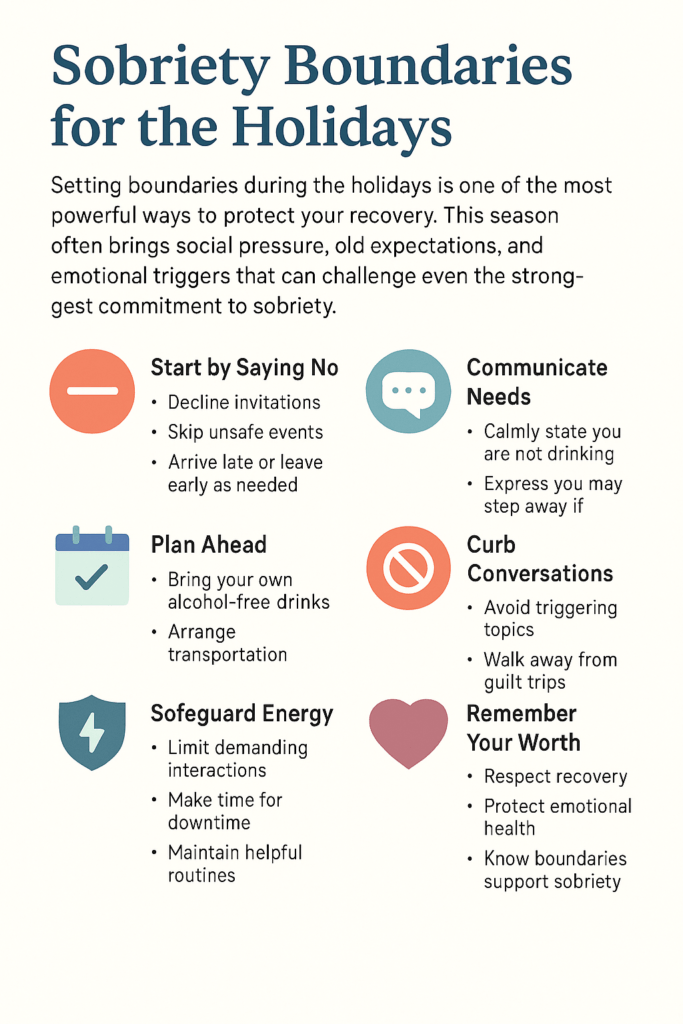
Boundaries help keep personal goals and safety a top priority. Setting healthy boundaries means being clear about your personal limits, which can keep you from getting pulled into situations or conversations that throw you off balance. Protecting your time, space, and well-being means you can enjoy the season on your terms. That peace of mind isn’t always easy to find, but it’s possible with some planning.
According to the National Institute on Drug Abuse, relapse rates during the holidays are higher because of extra stress and increased exposure to substances in social settings. Developing boundaries is a proven way to lower stress and keep your recovery on track. It helps others understand your needs and keeps you aware of your own vulnerabilities. If you’re tempted to “just see how it goes,” having boundaries in place actually makes it less likely you’ll wind up in a challenging situation.
Getting Started: The Realities of Holiday Triggers
Holiday triggers can show up in a bunch of different ways. Family questions about your sobriety, pressure to join in on late-night parties, or even those offers to “just have one drink” are all pretty standard. These little moments can add up quickly if you don’t prepare.
Being honest with yourself about what you can handle matters a lot. If you know certain people, places, or activities tend to make you anxious or more likely to slip, those are red flags worth taking seriously. Triggers can be emotional (like old arguments), physical (like being around alcohol), or even just feeling left out of holiday traditions.
Here are some steps to help you spot and handle those triggers:
- Identify triggers in advance: Think about the situations from past holidays that felt hard. Jot them down to make it easy to spot patterns.
- Plan for tricky situations: Come up with a handful of “if this, then that” plans (like, “If I’m offered a drink, I’ll respond with ___.”)
- Bring your support system: Pick a friend or family member whom you can call or text if things get overwhelming.
As a quick tip, try keeping a journal during the holiday season. Tracking how you feel in different situations can help you spot triggers you might not have noticed before, and remembering your progress can be a big motivator through tough patches.
How to Set Boundaries That Actually Work
Many people talk about boundaries, but putting them into action is another story. I’ve found that being straightforward but kind works best. You don’t need to give a lengthy explanation—direct language is your best friend.
Here are a few real-life examples:
- Social boundaries: “Thanks for inviting me, but I’m skipping parties where there’s drinking this year.”
- Time boundaries: “I’ll stop by for an hour, but I won’t be staying late.”
- Emotional boundaries: “That topic’s a tough one for me. Can we talk about something else?”
It’s totally normal to feel awkward the first few times you push back or stand up for yourself. Practicing what you’ll say ahead of time makes it a lot less stressful in the moment. Try rehearsing your responses in the mirror or with someone you trust, so those words come more naturally when you need them.
If you’re setting these boundaries for the first time, consider writing them down as reminders. Sometimes, having the words in front of you right before a gathering can be a tremendous support if you get nervous or caught off guard by questions.
How to Create Rehearsed Responses
Nobody wants to be caught off guard at the holiday table. Having a few “ready responses” stashed in your back pocket is pretty handy, especially if you’re asked nosy questions or offered something you’re avoiding.
Some solid go-to responses include:
- “No thanks, I’m good with what I have.”
- “Not tonight, but I’m happy to hang out.”
- “I’m just keeping things lowkey this year.”
- “I’m taking care of my health, so I’m skipping that for now.”
- “Thanks for understanding. I’m doing what works for me.”
Feel free to put your own spin on these, so they sound like you; not everyone feels comfortable with the same level of detail, so you can keep it totally vague or be a little more open depending on what feels right. The big thing is to practice these responses out loud. The more familiar they are, the easier it is to use them when it counts.
Another tip: When you’re at a gathering, you might want to plan your exit strategy. If you feel uncomfortable, it’s okay to politely excuse yourself, step outside, text a supportive friend, or take a break to regroup.
Common Roadblocks and How to Get Around Them
Plenty of people will run into resistance when setting limits, especially during family events or with friends who aren’t used to being told “no.” It can feel uncomfortable, but you’re not being rude by protecting your well-being.
Here are a few things that sometimes trip people up, and what works in those moments:
- Guilt-tripping family: When someone says, “It’s just one drink, come on,” stay calm and repeat your boundary. “I appreciate it, but I’m good.”
- FOMO (fear of missing out): It’s tough to skip events, but remember why you’re making these choices. It’s about what matters to you in the long run. Make plans you actually look forward to, like a late-night movie at home or a breakfast with someone who gets you.
- Feeling awkward: It only gets easier with practice. Every time you hold a boundary, it helps build your confidence for next time.
Saying no and standing your ground gets more comfortable the more you do it. Most people respect honesty, even if it takes them a minute to adjust.
If you ever second-guess yourself after setting a boundary, remember that choosing your own health is always the best call. It takes time for new habits to stick, so patience is key.
Extra Tips for Protecting Your Recovery
Some recovery experts suggest writing your boundaries down and keeping a note on your phone for quick reminders. Having a physical reminder can make it easier to stick to your plan if the conversation gets pushed a little too far. If you’re heading into a situation where you expect a lot of pressure, texting someone in your support network before and after can help keep you grounded.
Here are a few more things that help:
- Self-care first: If you start feeling overwhelmed, it’s totally fine to step away, get some fresh air, or even leave early. Your health comes first.
- Make your own plans: If you know certain events will be tough, organize something lowkey with friends who support your choices. Potluck dinners, board games, or coffee meetups can be just as festive without the added pressure.
- Be kind to yourself: Slipping up doesn’t mean you’ve failed. The key thing is to reach out for support and remember that every day is a new start.
Take time to reward yourself for small wins after events. Even just a relaxing night in with a good book or a favorite treat can help reinforce your successes, giving you positive feedback and motivation in the future.
Practical Boundary Examples for Different Holiday Situations
You might run into all kinds of scenarios where a firm boundary or practiced line keeps you on track. Here are a few specific situations I’ve found myself in, plus what worked for me:
- Office party with alcohol flowing freely: Holding a club soda the entire night made it easier to avoid repeated drink offers. When someone pressed, I said, “Just chasing my caffeine fix tonight!”
- Family member offering desserts you’d rather skip. I kept it simple: “It looks great, but I’m all set for now, thanks.”
- Friends planning late-night outings: “I’d love to join for dinner, but I’ll head home after.” Then I stuck to it, letting them know I’d made other plans.
Every family and group of friends is different, so what works perfectly for one person might not for another. Adjust as needed until your responses feel comfortable and natural. If a particular setting always feels risky, skipping it entirely is a valid choice. Holidays are about connection, not running yourself ragged.
If a situation leaves you feeling discouraged, consider checking in with support groups—many hold special holiday meetings or virtual meetups. Connecting with others who understand can help keep your spirits up and remind you you’re not alone in facing these challenges.
Frequently Asked Questions
Here are a few things people usually ask about holiday boundaries and rehearsed responses:
Question: What if someone gets offended or upset when I set a limit?
Answer: It’s normal for people to be surprised or need a minute to adjust. You’re not responsible for their feelings; you can only control your actions. Most of the time, people come around.
Question: Should I be honest about my recovery, or keep things vague?
Answer: That’s totally up to you. Some people like being open, while others keep it private. Either way is okay. Stick with whatever helps you feel safe.
Question: I’m worried about feeling left out. How do I handle that?
Answer: Feeling left out is tough, but you can make new traditions or smaller gatherings that fit your needs. Connecting with friends in recovery or joining a support group can help fill those gaps.
Enjoying the Holidays on Your Own Terms
Getting through the holiday season while staying true to your goals doesn’t happen by accident. Having boundaries in place and responses ready to go is super important if you want to avoid relapse and actually enjoy yourself. Every boundary you set is a way of taking care of yourself, and the more you practice, the easier it will feel. Wishing you a steady, joyful, and peaceful holiday season!
Video: Don’t Let the Holidays Derail Your Sobriety #mentalhealthfirst #boundaries #recovery