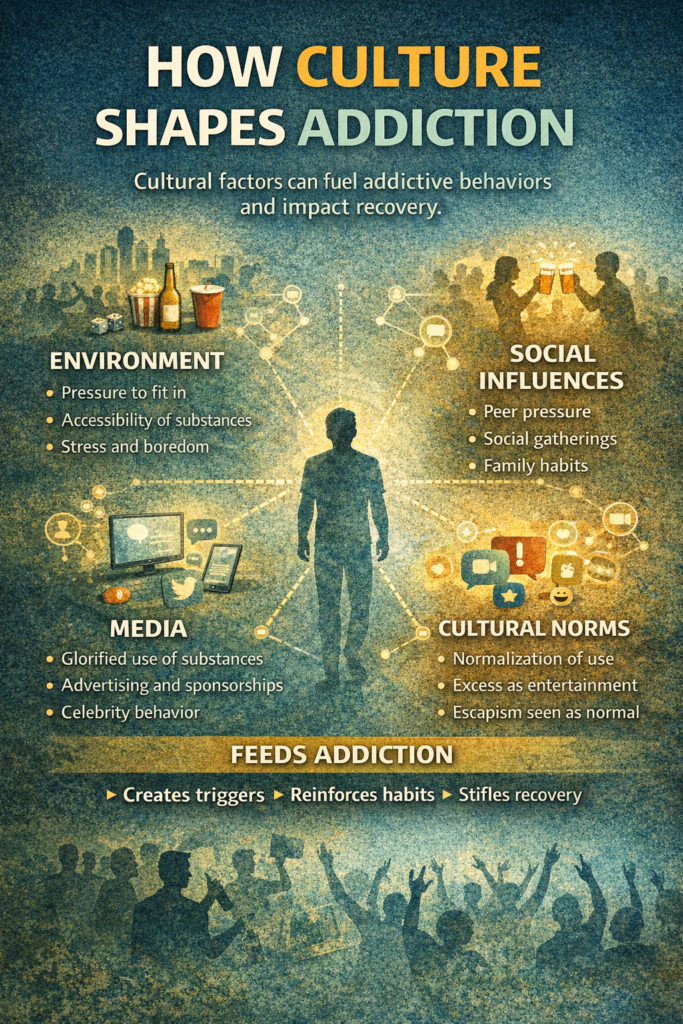
Culture can shape almost every part of our lives, including how we view addiction and how we recover from it. What’s considered normal or taboo, the kinds of support people are likely to get, and even the ways people talk about addiction can all look totally different depending on where you live or what community you call home. Understanding this cultural side of addiction goes a long way in making treatment and recovery more accessible and supportive for everyone.
Why Culture Matters in Addiction
Culture basically covers the values, beliefs, customs, and social behaviors we learn as part of a group. That group could be based on nationality, ethnicity, religion, or just shared life experience. When it comes to addiction, culture can play a part in everything from what substances are used to how addiction is understood to the ways people reach out for help or choose not to.
In some communities, drinking alcohol at family events or community gatherings is normal and might even be encouraged as a sign of hospitality. In others, any substance use is frowned on and rarely talked about. If someone struggles with addiction in a culture where it’s seen as a personal weakness or moral failing, they might hesitate to ask for help out of fear of being judged or rejected.
How Cultural Views Influence Substance Use
Culture shapes how people think about substance use. In some places, using certain drugs is woven into spiritual or social traditions, which can actually protect people from harmful patterns of use. In others, strict rules and stigma about substance use can make people hide their habits and avoid getting help until things get really tough.
- Community Norms: What’s seen as okay in one group might be totally unacceptable in another. For example, in some cultures, casual drinking is no big deal, while in others, even a single drink can carry a high social cost.
- Peer Pressure: Social circles and expectations can shape a person’s habits. Feeling the need to fit in, especially at a young age, can sometimes push people toward certain substances.
- Family Roles: In some families, talking about problems is taboo, which can make it hard to open up about addiction. In others, family support is a lifeline that helps people bounce back more easily.
These cultural influences are supported by extensive research. The National Institute on Drug Abuse points out that risk factors for addiction often go beyond biology; family structure, cultural beliefs, and social support all matter a lot. Learn more from NIDA.
Cultural Stigma and Barriers to Recovery
Stigma, meaning negative attitudes or discrimination, can be a major blocker in recovery. In many cultures, addiction is seen as a character flaw instead of a health issue. That makes it much harder for people to talk openly about their struggles or reach out for the kind of help that actually works.
Language also plays a part. In English, someone might say “addict,” but in other languages or cultures, there might not even be a word for addiction. That can make it tricky to even name the problem in the first place, much less solve it.
- Lack of Culturally Competent Care: When treatment programs don’t match someone’s culture or don’t offer services in their native language, the process can feel isolating and less effective.
- Distrust of Healthcare Systems: Some cultural groups have experienced bias or negative experiences with medical institutions. That legacy can make people less likely to access support, even when they need it most.
How Culture Can Support Recovery
Culture isn’t just a source of challenges; it can be a huge help in recovery. Many recovery programs that connect with a person’s cultural identity get better results and help more people stay engaged.
- Faith and Spirituality: Grounding recovery in beliefs that matter to someone, such as prayer, meditation, or community gatherings, can make the process feel much more meaningful.
- Community Connections: Traditional practices such as talking circles, storytelling, and group rituals create strong support networks. Folks going through recovery together can tap into a sense of belonging.
- Resilience from Shared History: Learning about cultural strengths, stories of survival, and past challenges a community has overcome can be empowering and offer hope.
Some communities blend traditional healing methods, such as herbal remedies, sweat lodges, or mindfulness rooted in cultural practice, into recovery programs. These approaches complement, rather than replace, clinical care, leading to more holistic and welcoming environments.
Common Challenges Faced by Different Cultures
Each cultural group might face unique challenges in addiction and recovery. Here are some real-world issues that come up often:
- Lack of Representation: Not seeing counselors or healthcare providers who look like you or understand your culture can make it tougher to connect on deeper issues.
- Misunderstood Traditions: Cultural rituals or social customs around substance use can be misread by healthcare providers unfamiliar with the context, sometimes leading to misunderstandings or even damaging stereotypes.
- Language Barriers: When the words used in therapy or support groups don’t map onto someone’s life or language, treatment can fall flat.
It helps when treatment centers work with community leaders, translators, and cultural guides to adapt services for the people they serve. This creates a safer, more relatable environment.
Ways to Make Recovery More Culturally Friendly
Recovery works best when it respects a person’s background, beliefs, and values. Here are some approaches that help:
- Personalized Treatment Plans: Everyone’s recovery adventure looks different, so taking background and belief systems into account can make care more relevant and relatable.
- Community Partnerships: Teaming up with local faith leaders or cultural organizations adds extra layers of support and understanding for individuals in treatment.
- Accessible Language: Offering translations, cultural liaisons, and materials that reflect a person’s world helps people grasp and trust the process.
- Family Engagement: Some cultures value group support over individual therapy. Including family or community in recovery can boost motivation and prevent relapse.
- Training for Providers: When counselors and doctors get training on cultural differences, they’re less likely to misunderstand or unintentionally offend the people they’re trying to help.
The Substance Abuse and Mental Health Services Administration (SAMHSA) provides more resources on culturally competent addiction recovery.
The Flip Side, Culture as a Strength
As much as culture shapes the challenges of addiction, it also supplies a toolkit for recovery. I’ve seen recovery groups grounded in cultural traditions help people rebuild their self-esteem and find purpose. Whether it’s singing, dancing, prayer, or bonding over food, these shared activities help make recovery more than just surviving. It becomes a celebration of community and identity.
For example, some American Indian and Alaska Native communities use talking circles, drumming, and ceremonies as part of recovery. In Latino cultures, family involvement is key, and support often comes from faith leaders and extended relatives. Learning from these examples, other programs have started incorporating storytelling, art, and mindfulness techniques that tie back to cultural roots.
Frequently Asked Questions About Culture, Addiction, and Recovery
Here are some questions people often have:
Question: Can someone’s culture really affect how likely they are to develop an addiction?
Answer: Yes, everything from peer norms to attitudes toward substances and support systems can raise or lower the risk. Culture shapes both exposure and the response to substance use.
Question: How do I find recovery support that understands my background?
Answer: Some groups and treatment centers now specialize in offering culturally specific care. Try calling local community centers, searching for national organizations related to your background, or asking about culturally competent programs if you’re considering rehab.
Question: What if my family doesn’t believe in therapy or recovery programs?
Answer: This is pretty common in many cultures. Sometimes, cultural leaders or faith-based recovery groups can bridge the gap by making support feel more acceptable and less foreign to loved ones.
Bringing it All Together
Culture plays a big part in shaping addiction and recovery. Recognizing people’s different backgrounds can help everyone feel safer and more understood. For individuals and families, knowing how culture fits into addiction and healing can help you find recovery paths that really stick. And for professionals, embracing cultural differences opens the door to better outcomes and a more caring approach for all.
Working to make recovery culturally responsive isn’t just helpful; it creates a world where more people get the support they need, right where they are.
If you or someone you know is struggling with addiction, try to check out recovery options that respect and celebrate your culture. Gathering support not only from professionals but also from cultural traditions and community ties can make all the difference. The ride to recovery is challenging, but honoring your roots can give you the strength to keep going.
Video: What Culture Teaches You About Substance Use #psychology #recovery