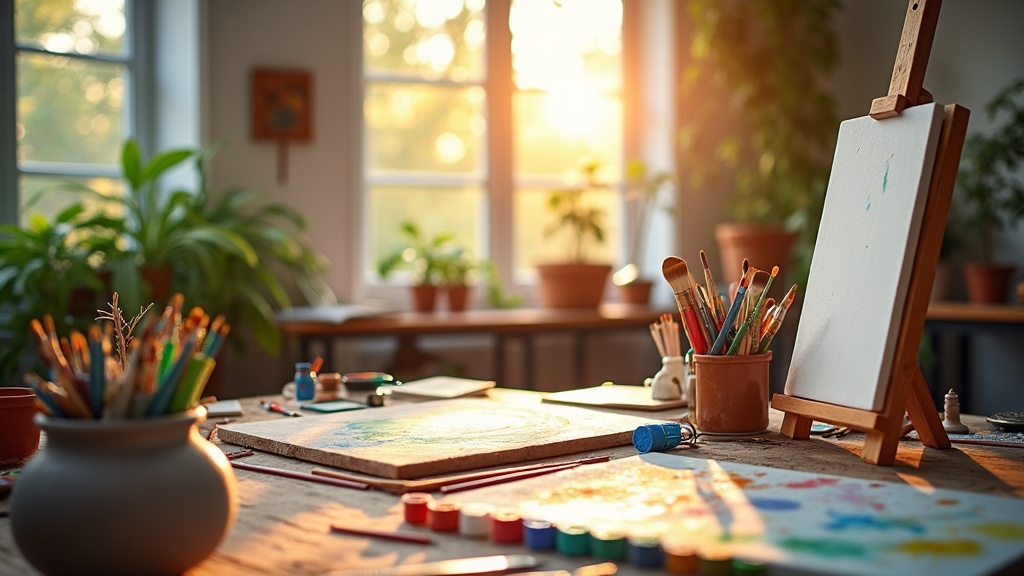
Art therapy has brought a fresh perspective to mental health and addiction recovery spaces. Instead of relying solely on talk therapy and medication, this creative approach invites people to express what’s often hard to put into words. Over the years, I’ve seen how art therapy makes the recovery adventure less intimidating and more personal. I’m excited to share what makes art therapy a helpful tool for transforming recovery adventures for many people. Let’s jump in and track down what sets this practice apart.
What Is Art Therapy and How Does It Work?
Art therapy mixes the worlds of art and psychology. A trained art therapist guides you through the process, using drawing, painting, sculpture, or other crafts to help you tap into your inner world. It’s less about making a masterpiece and more about creating itself. Whether you’re dealing with stress, anxiety, trauma, or substance recovery, art therapy gives you a different way to express your feelings.
The main idea is that making, seeing, and thinking about art helps you understand yourself. You don’t need to be a skilled artist; stick figures, splashes of color, or even messy clay are all welcome. The sensory part of creating art also has a soothing, almost meditative effect for many people. That’s super useful during stressful recovery periods, helping ease tension and boost emotional regulation skills. This hands-on approach offers gentle distraction and even moments of next-level cool self-discovery.
Why Art Therapy Stands Out in Recovery
Traditional recovery models often revolve around talk therapy and group sessions. While those work well for some, plenty of people struggle to find the right words or even stay engaged while talking. Art therapy bridges that gap with hands-on creativity.
Research shows that art therapy can tone down depression and anxiety symptoms, especially when other approaches feel like heavy lifting (see this study from the National Institutes of Health). After months of discussing their struggles, I’ve read accounts from people who finally made a breakthrough by creating something in an art session. Sometimes, the colors or shapes let out what words can’t say. The power of the process isn’t something you have to explain; just the act of making is enough to help many folks begin to step up their path to healing.
Beyond emotional gains, art therapy often opens new coping tools that people can keep using long after formal sessions end. The art-making ritual can structure the day and give form and meaning to otherwise difficult moments and routines in recovery.
Starter Tips for Trying Art Therapy in Your Recovery
You might initially feel awkward picking up a marker or a piece of clay. That’s totally normal. Art therapy is flexible, and what you make is up to you. Here’s a simple way to approach it:
- Start Small: Choose basic art supplies like colored pencils and paper. Go for doodles, patterns, or color swatches; you’re not here to impress anyone but yourself.
- Stay Open-Minded: Sometimes, what appears on the page surprises you. Don’t feel you need to explain it immediately; just let your mind wander and let things unfold.
- Focus on the Process: The feeling of putting color on a page or shaping something with your hands matters more than the finished product. Let yourself enjoy the small moments of creation.
- Find the Right Guide: Working with a certified art therapist can make a big difference, especially if you want someone to help you process emotions or memories.
Most art therapy programs have sessions several times weekly for those in formal treatment. Outside of that, online workshops, video courses, or local art collectives can help you start exploring on your own timetable. You can jumpstart your creative recovery at home using anything from colored pencils to recycled magazines.
What Kinds of Art Therapy Activities Make a Real Difference?
There’s a wide variety of art therapy practices. Some stick to old classics like watercolor or sketching, while others experiment with collage, photography, or sculpture. Here are a few activities that people often find pretty helpful:
- Emotion Wheels: Drawing a “wheel” with different-colored segments for emotions makes it easier to see patterns in one’s moods.
- Timeline Art: Painting or drawing a timeline of your recovery ride (with key moments, setbacks, and steps forward) can make your progress more visible and motivating.
- Mask Making: Creating a mask lets you examine the sides of yourself that you show or hide from the world. This can be eye-opening and even freeing, sometimes revealing things you never expected to come up.
- Collage Journals: Cutting out magazine images and mixing them in a visual journal offers a cool outlet for organizing your thoughts and hopes.
The activity depends on your comfort zone and what’s going on in your life. A session might be quiet and reflective with gentle painting, or lively and playful with finger painting or clay modeling, especially if you’re working through challenging emotions. Art projects can be adapted to suit group settings, solo work, or family sessions, adding even more support as you recover.
Recently, digital art platforms and apps have made it easy for anyone to keep their creative streak alive on the go. Doodling on tablets or building photo collages from a phone can be as powerful as traditional materials, especially for people who like a techy approach or may feel safer experimenting in a private, portable way.
Common Roadblocks and Practical Tips for Art Therapy Success
Art therapy doesn’t come with a one-size-fits-all approach; there are a few bumps to watch for. From what I’ve seen, these are some everyday worries:
- “I can’t draw” anxiety: There’s no need for perfection. The primary purpose is to express, not impress. If you’re struggling, try abstract colors or shapes instead of recognizable images.
- Getting stuck or blocked: All creatives hit a wall sometimes. Switching materials (try collage instead of drawing) or changing the music in the room can help shake things loose.
- Feeling vulnerable: Sharing your art or even making it can feel exposing. Be gentle with yourself, and remember that keeping some pieces private is okay. Sometimes, keeping specific work to yourself builds confidence before sharing with others.
- Not enough time: Even 10 minutes of creative expression can help. Consider slipping art into your daily routine, like doodling while listening to music. Every bit counts and keeps you connected to your recovery goals.
Different Approaches Within Art Therapy
Art therapy isn’t a single style. There are a couple of main models professionals use:
- Directive Approach: The therapist suggests a theme or project (for example, “draw your safe place”). This can give you focus if you’re not sure how to begin.
- Non-Directive Approach: You decide what to create, choosing colors, materials, and themes that attract your attention in the moment.
Many people like to use a mix of both, depending on the day and their emotional needs. Sometimes, you’ll crave freedom to mess around; other times, a bit of direction feels grounding. Don’t be afraid to switch it up as your comfort with art therapy grows.
RealWorld Impacts: How Art Therapy Shapes Recovery
Art therapy works on different levels. Some people notice an immediate lift in mood, a “flow” feeling that’s calming and energizing. For others, art therapy sparks meaningful conversations with therapists, family, or support groups that didn’t feel possible before those images or shapes existed.
In addiction recovery, I’ve seen people use visual metaphors to describe cravings or triggers when “just talking” about them was impossible. Creating safe, slow-paced art for trauma survivors gives a sense of control and personal space in the recovery process. Families and caregivers sometimes get involved through group mural painting or collaborative projects. That adds a social, supportive touch you don’t always get from solo journaling or talking.
- Increased self-awareness: Regular artmaking helps you spot emotional and behavioral patterns over time, building insight that leads to more intelligent choices and better coping strategies.
- Stress relief: Art processes’ repetitive, hands-on nature calms the mind and body. This helps in busy, overwhelming moments when words often fall short.
- Stronger self-esteem: Completing art projects delivers a sense of achievement, especially for those who feel stuck or hopeless. Every finished piece is a small victory.
- Better communication: Artwork becomes a “bridge” for tough conversations about emotions or experiences that feel overwhelming to share, letting family and support teams get a feel for what you’re experiencing.
Many find that the ongoing process of visual storytelling deepens emotional insight in ways that don’t always happen through standard therapy. In some recovery circles, art made over months is shared as a timeline—a visual diary that makes it easier to spot growth, setbacks, and healing periods.
Extra Tips for Making Art Therapy a Daily Habit
Turning art therapy into a steady part of your life can benefit long-term emotional regulation and self-growth. Here’s what I’ve found makes the process easier:
- Set up a small creative corner at home, even if it’s just a basket of supplies and a notebook. Routine makes it easier to follow through.
- Pair art time with a relaxing playlist or candle to make the space feel special. Physical cues boost the creative mood.
- Join an online art community; sharing progress with others makes it less lonely and keeps motivation up. Friendly feedback and new ideas help the process feel fresh.
- For days when you feel low on inspiration, use prompts like “What does strength look like today?” or “Draw your safe place.” These little nudges keep things moving.
- Celebrate small wins, like finishing a doodle, noticing your mood lift, or simply making time for art. Even minor improvements add up over weeks and months.
Art Therapy FAQ
Here are answers to questions I often hear from folks considering art therapy in recovery:
Question: Do I need art supplies to get started, or can I use what I already have?
Answer: Use whatever you’ve got on hand, even if it’s just pens and notebook paper. The process matters more than the tools; you can always add more supplies.
Question: Is art therapy only beneficial for addiction recovery?
Answer: It’s helpful for a broad range of situations, including trauma, depression, anxiety, grief, and life transitions—not just substance issues.
Question: How do I find a qualified art therapist?
Answer: Search online directories from the American Art Therapy Association or check with your treatment provider for referrals. Peer support forums and local mental health centers may also offer leads for art therapy groups or individual sessions.
Making Art a Companion on Your Recovery Adventure
Art therapy brings together creativity and emotional healing in an approachable, personal, and compelling way. Adding art into your recovery routine—whether on your own or with professional support—can make those tough days a little lighter and bring moments of hope and insight you might not find elsewhere. You don’t need to be a painter or a sculptor; just be willing to try and let the process work its quiet magic over time. Keep an open mind, try new materials and techniques, and you might stumble upon the next stage of your personal glow-up in recovery. Wrapping up, art won’t solve every problem, but it can give anyone ready to try a meaningful boost.
Video: How Art Helps People Heal From Addiction