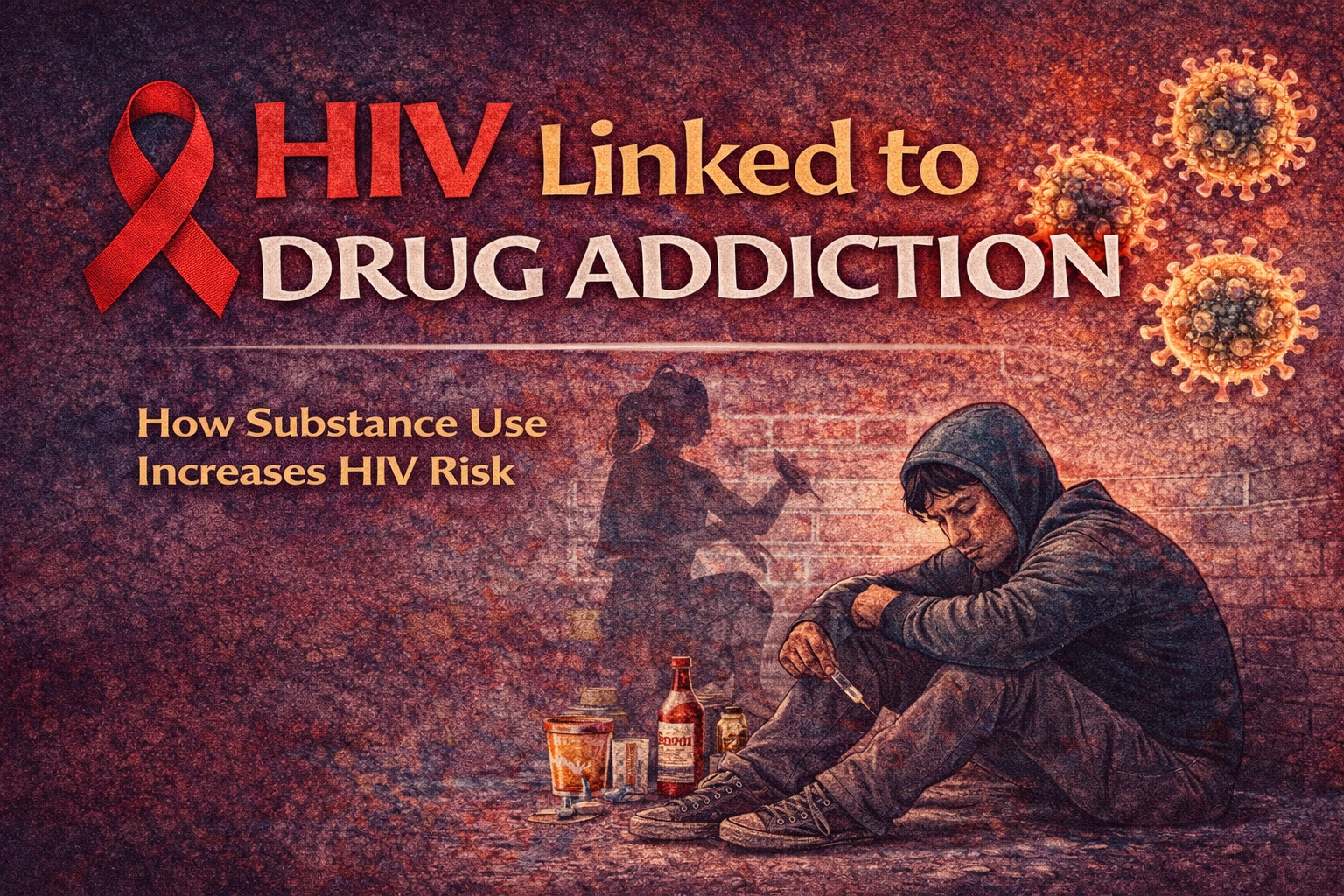
HIV and drug use are closely linked public health challenges that reinforce one another through biological, behavioral, and social factors. Injection drug use and needle sharing create direct routes for HIV transmission, while substance-related impaired judgment increases risky sexual behavior. Addiction also contributes to stigma, unstable living conditions, and limited healthcare access, which delay HIV testing, prevention, and treatment.
Preventing HIV in the context of drug use requires an integrated approach. Self-management strategies, such as using sterile equipment, accessing harm-reduction services, engaging in regular testing, and adhering to medication regimens, help individuals protect their health. Family support fosters open communication, reduces shame, and encourages engagement in treatment. Community resource strategies—including needle exchange programs, PrEP and PEP access, outreach services, and education campaigns—extend prevention to at-risk populations.
Together, self-care, family involvement, and community support create a strong network of protection that reduces HIV transmission, supports addiction recovery, and strengthens overall community health.
HIV and Drug Addiction: Understanding the Connection and Reducing Risk
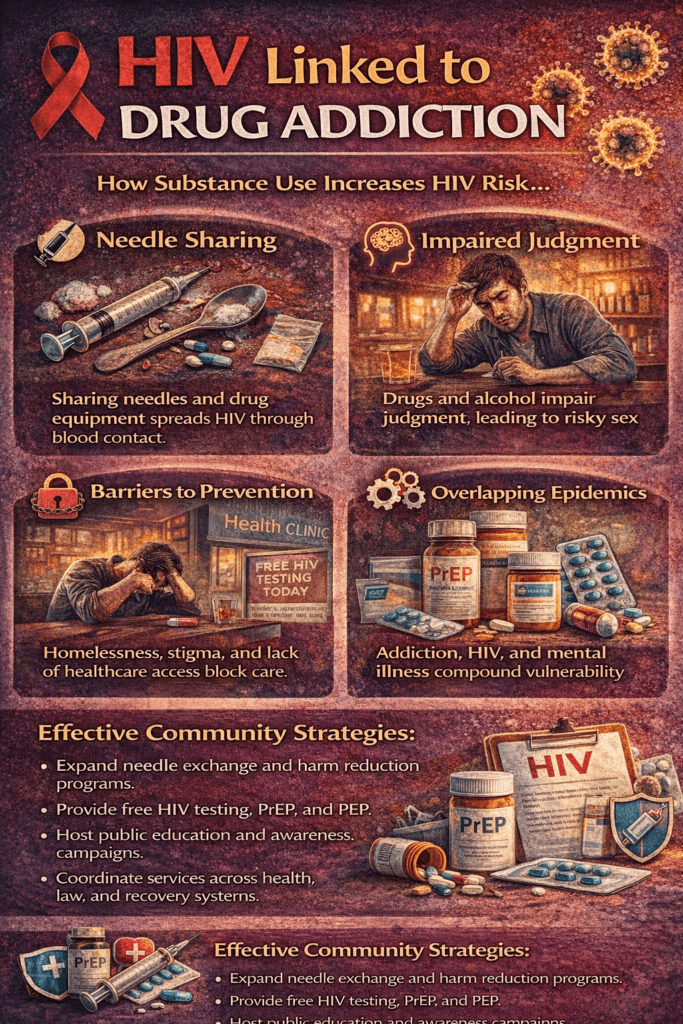
HIV (Human Immunodeficiency Virus) is closely associated with drug addiction, particularly when substance use involves injection or risky sexual behavior. Drug use—both injection and non-injection—can directly or indirectly increase HIV transmission risk. Injection drug use spreads HIV through shared needles and contaminated equipment, while substances such as methamphetamine, cocaine, and alcohol impair judgment and increase unsafe sexual practices. This combination of biological vulnerability and behavioral risk makes substance use disorder a major driver of HIV infection worldwide.
How Drug Addiction Contributes to HIV Transmission
Needle Sharing and Injection Practices
Sharing needles, syringes, or drug-preparation tools allows direct blood-to-blood contact, transmitting HIV and other infections such as Hepatitis B and C. Limited access to sterile supplies and fear of stigma often push individuals toward unsafe practices. Communities lacking harm-reduction services have experienced HIV outbreaks linked to injection drug use.
Impaired Judgment and Risky Behavior
Substances like alcohol, cocaine, and methamphetamine reduce inhibitions and distort risk perception. This increases the likelihood of unprotected sex, multiple partners, or transactional sex, all of which elevate HIV exposure risk.
Barriers to Prevention and Treatment
People with substance use disorders often experience stigma, unstable housing, or limited healthcare access. These barriers reduce HIV testing, delay treatment, and interfere with adherence to antiretroviral therapy (ART), increasing the likelihood of transmission and poorer health outcomes.
Overlapping Epidemics (Syndemics)
Addiction, HIV, and mental health disorders frequently coexist. Substance use may become a coping strategy for HIV-related stigma or stress, reinforcing a cycle that worsens both addiction and immune health.
Prevention and Management Strategies
Self-Management Strategies
- Use sterile needles and supplies through syringe exchange programs.
- Get regular HIV and hepatitis testing.
- Seek substance use treatment, including counseling or Medication-Assisted Treatment (MAT).
- If HIV-positive, adhere consistently to antiretroviral therapy.
Family Support Strategies
- Maintain open, nonjudgmental conversations about substance use and health.
- Encourage regular medical care and testing.
- Support recovery with a stable, stigma-free home environment.
Community Resource Strategies
- Expand syringe exchange and harm-reduction programs.
- Integrate HIV testing into addiction treatment centers.
- Increase access to PrEP (Pre-Exposure Prophylaxis) and PEP (Post-Exposure Prophylaxis).
- Provide outreach education in schools, shelters, and recovery programs.
Conclusion
HIV and drug addiction are deeply interconnected through shared biological, behavioral, and social pathways. Injection drug use and substance-related risk behaviors heighten infection risk, while stigma and limited healthcare access sustain transmission cycles. Effective prevention requires integrated care—combining harm reduction, addiction treatment, medical services, and community outreach. When HIV prevention and recovery services work together, individuals can achieve better health outcomes, reduce transmission, and restore long-term dignity and well-being.
Self-Management Strategies to Prevent HIV Linked to Drug Use
Preventing HIV transmission linked to drug use requires personal responsibility, harm-reduction awareness, and proactive healthcare engagement. Individuals who use substances face increased biological and behavioral risks, but with the right self-management strategies, HIV transmission can be significantly reduced. These approaches empower people to protect their health while supporting long-term recovery and overall well-being.
💉 1. Avoid Needle Sharing and Use Sterile Equipment
Injection drug use is one of the most common routes of HIV transmission.
Strategies:
Use a new, sterile needle and syringe for every injection.
Never share cookers, cottons, water, or preparation equipment.
Access needle exchange or harm reduction programs for free sterile supplies.
Dispose of used syringes in approved sharps containers.
When possible, transition to non-injection alternatives under medical guidance.
Goal: Prevent blood-borne transmission of HIV and hepatitis viruses.
🧠 2. Seek Treatment for Substance Use Disorders
Ongoing substance use increases exposure risk and impairs decision-making.
Strategies:
Enroll in addiction treatment or Medication-Assisted Therapy (MAT).
Attend counseling or peer-support groups.
Develop a relapse-prevention plan with coping tools and emergency contacts.
Goal: Reduce risky behaviors while supporting stable recovery.
🧬 3. Get Tested and Know Your Status
Early detection protects both individual and community health.
Strategies:
Get HIV testing every 3–6 months if engaging in high-risk behaviors.
Use rapid or anonymous testing services at clinics or outreach sites.
Encourage partners to test as well.
Goal: Ensure early diagnosis and prevent unknowingly transmitting HIV.
💊 4. Use HIV Prevention Medications (PrEP and PEP)
Modern medications provide powerful protection.
Strategies:
Take PrEP daily to prevent HIV before exposure.
Use PEP within 72 hours after possible exposure.
Discuss options with a healthcare provider or HIV prevention clinic.
Goal: Add medical protection alongside behavioral safety practices.
🧘 5. Maintain Overall Health and Immunity
A healthier body is better able to resist infection and support recovery.
Strategies:
Eat balanced meals and stay hydrated.
Exercise regularly and get adequate sleep.
Avoid mixing substances that strain the immune or liver systems.
Goal: Strengthen physical resilience and emotional stability.
🤝 6. Stay Connected to Support and Healthcare Services
Ongoing engagement reinforces safety and accountability.
Strategies:
Maintain regular contact with a healthcare provider.
Attend peer recovery or community support programs.
Keep information for harm-reduction and HIV-testing services accessible.
Goal: Build a strong safety net for sustained prevention and recovery.
✅ Summary
Preventing HIV linked to drug use is achievable through consistent self-management. By practicing safe injection habits, accessing testing and prevention medications, seeking addiction treatment, and staying connected to healthcare and community support, individuals can greatly reduce HIV risk. These steps protect not only personal health, but also strengthen public health and protect future generations.
Family Support Strategies to Prevent HIV Linked to Drug Use
Families play a vital role in preventing HIV transmission related to drug use. Through education, open communication, harm-reduction support, and emotional encouragement, families can help loved ones reduce risk behaviors, access healthcare, and remain engaged in recovery. A supportive home environment replaces stigma with safety—making prevention and healing possible.
🏠 1. Foster Open and Nonjudgmental Communication
Honest conversation is one of the strongest protective factors against risky behavior.
Strategies:
Create a safe space to talk about substance use, sexual health, and medical concerns without blame.
Use supportive language such as, “I care about your health and want you to stay safe.”
Ask open-ended questions about stress, triggers, or fears rather than focusing only on behavior.
Goal: Build trust so your loved one seeks help before engaging in high-risk activities.
💉 2. Encourage Safe Practices and Harm Reduction
Families can support safety even when a loved one is still struggling with substance use.
Strategies:
Support access to needle-exchange programs and sterile-use supplies.
Encourage regular HIV and STI testing at community clinics.
Discuss safer sex practices, including condom use.
Help connect your loved one to PrEP or PEP medications if they are at high risk.
Goal: Reduce HIV transmission risk while supporting progress toward recovery.
❤️ 3. Support Treatment and Recovery Engagement
Substance-use treatment lowers HIV risk by reducing impaired judgment and injection behaviors.
Strategies:
Encourage participation in addiction treatment, counseling, or Medication-Assisted Treatment (MAT).
Help with transportation, reminders, or scheduling medical visits.
Attend family education or therapy sessions offered by recovery programs.
Celebrate positive steps, such as testing, treatment attendance, or safer use practices.
Goal: Reinforce health-protective behaviors and sustained recovery.
🧠 4. Educate the Whole Family About HIV and Addiction
Knowledge replaces fear and misinformation with confidence and compassion.
Strategies:
Learn how HIV is transmitted and how it is prevented.
Attend community workshops or online education programs.
Share reliable resources from CDC, SAMHSA, or local health departments.
Discuss mental health and co-occurring disorders as part of addiction awareness.
Goal: Equip the family to respond with understanding rather than stigma.
🤝 5. Connect with Community and Peer Support
Families need support, too.
Strategies:
Join family groups such as Al-Anon, Nar-Anon, or HIV-family support networks.
Engage with community coalitions that provide outreach and prevention services.
Learn from other families with lived experience in recovery and prevention.
Goal: Reduce isolation and strengthen long-term family resilience.
🧩 6. Promote Compassion, Not Stigma
Shame and judgment drive secrecy—compassion promotes safety.
Strategies:
Speak about HIV and addiction as medical conditions, not personal failures.
Avoid fear-based or shaming language.
Practice patience and forgiveness in the face of setbacks or relapses.
Goal: Create an emotionally safe environment that encourages responsibility and healing.
✅ Summary
Families are powerful allies in preventing HIV linked to drug use. Through open communication, education, harm-reduction support, and compassionate encouragement, families help loved ones reduce risky behaviors, access healthcare, and stay engaged in recovery. When individuals feel supported instead of judged, they are more likely to protect their health, seek treatment, and build a safer future for themselves and their families.
Community Resource Strategies to Prevent HIV Transmission Linked to Drug Use
Preventing HIV transmission associated with drug use requires coordinated community action. Public health outreach, harm reduction services, accessible healthcare, and stigma-free education create a safety network that protects at-risk individuals while supporting recovery. When communities invest in prevention and compassionate care, they reduce new infections and strengthen overall public health.
🏥 1. Expand Harm Reduction Programs
Harm reduction is one of the most effective strategies for preventing HIV among people who use drugs.
Strategies:
Establish or expand needle and syringe exchange programs to provide sterile equipment and safe disposal.
Support supervised injection facilities where individuals can use substances under medical supervision, reducing infection and overdose risk.
Deploy mobile harm-reduction units to reach rural, homeless, or underserved populations.
Distribute HIV prevention kits containing sterile supplies, condoms, and educational materials.
Goal: Reduce blood-to-blood transmission and promote safer practices.
💊 2. Improve Access to HIV Testing, Treatment, and Prevention Medications
Accessible healthcare services are critical for early detection and prevention.
Strategies:
Offer free or anonymous rapid HIV testing at community clinics, shelters, and recovery centers.
Increase access to PrEP and PEP medications through public health programs and pharmacies.
Host pop-up testing events in high-risk neighborhoods.
Provide on-site counseling and linkage to care after testing.
Goal: Detect infections early, prevent transmission, and connect individuals to treatment.
🧠 3. Provide Education and Awareness Campaigns
Knowledge reduces fear, misinformation, and stigma.
Strategies:
Launch public campaigns explaining how HIV is transmitted and how it is prevented.
Integrate HIV education into schools, workplaces, and recovery programs.
Host peer-led workshops in treatment centers and community spaces.
Use local media and social platforms to share success stories about recovery and prevention.
Goal: Normalize conversations about HIV prevention and enable informed decision-making.
🤝 4. Build Cross-Sector Collaboration
Strong partnerships create a unified prevention network.
Strategies:
Form coalitions connecting public health departments, addiction services, and social agencies.
Partner with law enforcement to adopt referral-to-treatment approaches rather than punitive responses.
Secure state and federal funding to sustain prevention initiatives.
Engage faith-based and cultural organizations to tailor outreach.
Goal: Coordinate medical, behavioral, and community systems for consistent support.
🧩 5. Offer Integrated Addiction and HIV Services
Integrated care ensures individuals receive comprehensive support.
Strategies:
Embed HIV testing and counseling within addiction treatment programs.
Provide Medication-Assisted Treatment (MAT) within HIV clinics.
Train addiction professionals to assess HIV risk and refer for prevention services.
Develop one-stop centers for mental health, addiction care, and HIV services.
Goal: Treat addiction and HIV risk together for stronger long-term outcomes.
🌍 6. Promote Stigma-Free and Culturally Competent Care
Trust and dignity encourage people to seek help.
Strategies:
Train providers in trauma-informed and culturally sensitive care.
Offer confidential and anonymous testing options.
Employ peer outreach workers with lived experience.
Run stigma-reduction campaigns emphasizing recovery and health rather than blame.
Goal: Create inclusive services that allow vulnerable individuals to feel safe accessing care.
✅ Summary
Community-level HIV prevention linked to drug use depends on collaboration, education, healthcare access, and compassion. By expanding harm-reduction services, improving testing and medication availability, integrating addiction treatment with HIV care, and reducing stigma, communities can dramatically lower transmission rates. When prevention and recovery efforts work together, the result is healthier individuals, stronger neighborhoods, and a safer future for all.
Frequently Asked Questions
Here are some common questions:
1. How is HIV linked to drug addiction?
HIV is strongly linked to drug addiction because certain substance-use behaviors increase exposure risk. Injection drug use can transmit HIV through shared needles or contaminated equipment, while non-injection drugs (like methamphetamine, cocaine, or alcohol) can impair judgment and lead to unsafe sexual behaviors.
2. Is needle sharing the main cause of HIV in people who use drugs?
Yes. Sharing needles, syringes, or drug preparation equipment is one of the most direct routes of HIV transmission because it allows blood-to-blood contact between individuals.
3. Can you get HIV from non-injection drug use?
Yes. While the risk is lower than injection use, drugs like methamphetamine, cocaine, and alcohol can increase risky sexual behavior, such as unprotected sex or multiple partners, which raises the risk of HIV transmission.
4. Why are people with addiction less likely to get tested for HIV?
Barriers include stigma, fear of discrimination, lack of healthcare access, unstable housing, and competing priorities related to substance use. These factors often delay testing and treatment.
5. Can someone with HIV still recover from drug addiction?
Absolutely. Integrated treatment programs that address both HIV care and substance use disorders help individuals achieve recovery, maintain viral suppression, and improve overall health.
6. What is PrEP, and how does it help people who use drugs?
PrEP (Pre-Exposure Prophylaxis) is a daily medication that prevents HIV infection before exposure. It is highly effective for individuals at high risk, including people who inject drugs or have risky sexual behaviors.
7. What is PEP, and when is it used?
PEP (Post-Exposure Prophylaxis) is an emergency medication taken within 72 hours after potential HIV exposure. It can prevent infection if started quickly.
8. Can HIV be cured?
Currently, HIV cannot be cured, but it can be effectively managed with antiretroviral therapy (ART). With proper treatment, people living with HIV can live long, healthy lives and cannot transmit the virus when virally suppressed.
9. How can communities reduce HIV transmission among people who use drugs?
Communities reduce transmission through needle exchange programs, safe injection services, HIV testing, PrEP access, education campaigns, and stigma-free healthcare environments.
10. How can families support HIV prevention for a loved one using drugs?
Families can encourage open communication, support harm-reduction practices, promote testing and medical care, and reduce stigma by treating addiction and HIV as health conditions rather than moral failings.
11. Does mixing alcohol with drugs increase HIV risk?
Indirectly, yes. Alcohol and drug combinations impair judgment, increasing unsafe sexual behaviors and poor decision-making related to injection safety.
12. Can HIV spread through casual contact with someone who uses drugs?
No. HIV does not spread through hugging, sharing food, coughing, or casual conversation. Transmission occurs through blood, sexual fluids, or from mother to child during birth or breastfeeding.
13. Why is stigma a major barrier to HIV prevention?
Stigma discourages individuals from seeking testing, treatment, and harm-reduction services. Reducing stigma increases early diagnosis and participation in prevention.
14. What is the biggest misconception about HIV and drug addiction?
A common misconception is that only injection drug users are at risk. In reality, any drug use that leads to risky sexual behavior or unsafe practices can increase HIV exposure.
15. What is the most effective way to prevent HIV linked to drug use?
Combining harm reduction (sterile equipment), regular testing, PrEP access, substance-use treatment, and stigma-free healthcare provides the strongest protection.
Conclusion
Preventing HIV among individuals who use drugs involves more than medical treatment—it requires compassion, coordination, and empowerment. Through consistent self-management, individuals can reduce high-risk behaviors, seek testing, and maintain adherence to preventive medications. Families who foster trust and support help their loved ones stay engaged in recovery and treatment, while communities that invest in harm reduction, inclusive education, and stigma-free care ensure that prevention efforts reach everyone. When personal responsibility, family involvement, and community resources work together, the cycle of addiction and infection can be broken—paving the way for healthier lives and safer, more resilient communities.
Video: Injection Drug Use Skyrocketing HIV Rates #HIVAwareness #PublicHealth