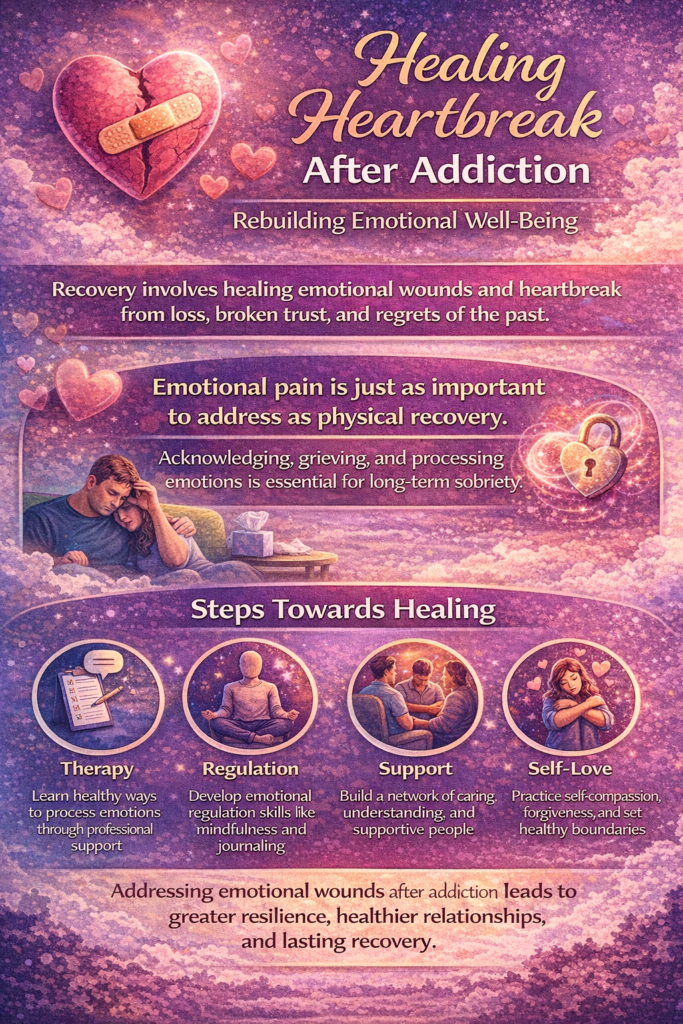
If you’re in recovery, you probably know that heartbreak doesn’t just vanish when you quit using. In many cases, it feels even sharper as the fog lifts. Healing heartbreak after addiction isn’t always talked about, but honestly, it comes up for a lot of people. Through my own experience, I’ve found that mending a broken heart as you rebuild your life requires special care and a mindset that’s very different from just “moving on.” I’m covering some practical ways to start healing emotionally, repair your sense of self, and rebuild healthy relationships after addiction.
Understanding Heartbreak in Addiction Recovery
Heartbreak after addiction can hit in all sorts of forms: a breakup, the loss of trust with friends or family, or even mourning your old life. At its core, heartbreak in recovery isn’t just about missing someone or something. It’s about facing a swirl of emotions that come with big changes. When I first quit using, I expected to feel relief. Grief and sadness surprised me. I wasn’t just letting go of a relationship; I was letting go of old coping habits, familiar routines, and a big piece of what I thought defined me.
The science backs this up. Addiction often overrides the brain’s natural reward system, which means the ups and downs of heartbreak get amplified during early recovery. Once the numbing effects wear off, emotions hit harder. The pain can feel overwhelming, but addressing it head-on helps prevent relapse and supports a healthier, more stable recovery. The Substance Abuse and Mental Health Services Administration (SAMHSA) points out that strong emotional reactions are common as your body and mind adjust to life without substances (source).
First Steps: Processing Emotions Safely
Before anything else, I had to let myself actually feel the heartbreak. That sounds simple, but it took some work to be okay with sadness, anger, and loneliness without running from them. Here are some steps that really helped me and others in the recovery community:
- Allow Emotions: Journaling or talking to a friend or sponsor provides a safe space for your feelings. Naming what I felt took away some of their power.
- Mindful Acceptance: Practicing mindfulness helped me sit with discomfort. Instead of fighting pain or ruminating on regrets, just noticing the emotion (without judging it) made things a bit lighter.
- Stay Off Harmful Loops: Early recovery is a time when it’s really easy to start blaming yourself or obsessing about the past. Remind yourself that nobody gets through this perfectly, and those ups and downs are totally normal.
Sometimes, unprocessed grief shows up as irritability or anxiety. If you’re not sure what you’re feeling, that’s okay too. Talk it out, write it down, or even draw it. Moving those feelings outside your head can help them feel less overwhelming. Remember, feelings are temporary, and the more you let them out, the less power they have over you in the long run.
Building a Supportive Environment
The people you surround yourself with make a huge difference after addiction, especially when you’re hurting. For me, old habits often tried to sneak back in when I felt isolated from others. Here’s what made a difference:
- Peer Support: Recovery meetings (like AA, NA, or SMART Recovery) are more than just places to share; they’re spaces to connect with people who really get what you’re going through.
- Therapeutic Support: I worked with a therapist specializing in addiction. If you can find someone similar, they’re pretty handy for digging into loss, codependency, or the guilt and shame that sometimes stick around.
- Boundaries: Building new boundaries protects you from old triggers, especially when heartbreak is linked to toxic relationships or environments tied to your substance use.
It’s not always possible to avoid every tough situation, but making a few intentional switches in your routine, like spending extra time in positive social groups or trying a class, can strengthen your support network. When you feel truly connected to good people, managing heartbreak feels a lot less lonely.
Replacing Old Coping Habits
Heartbreak and addiction feed off each other if you’re not careful. I noticed that whenever my heart hurt, old cravings flared up. Healthy coping strategies sound like a no-brainer, but finding ones that click for you is a personal process. Here are some things worth trying:
- Creative Outlets: Drawing, writing, or picking up an instrument isn’t about talent; it’s about expressing feelings that just don’t fit in words.
- Physical Wellness: Movement helped me release pent-up emotions. Walking, yoga, or gentle exercise clears the mind and helps release stress.
- Routine: Structure can feel boring, but it works. Blocking out specific times for meals, errands, and activities makes it easier to spot (and avoid) those lonely, empty stretches that used to be filled with your old habits or relationship patterns.
It’s super important to test out what feels right. If traditional self-care stuff sounds annoying, try something new: gardening, puzzles, or even volunteer gigs. Keeping busy (but not overloaded) helps you refocus and reminds you that new, positive habits can stick. Sometimes, getting outside for a walk, or even just some fresh air, can press the reset button on a rough day.
Over time, you’ll build up a toolbox of healthy coping options, making it less tempting to turn to the things you’re trying to leave behind. Consistency is key, and with every day, it gets a little bit easier.
Repairing Self-Esteem
Heartbreak has a way of crushing your sense of self-worth, and addiction usually doesn’t help. I spent months feeling like I’d failed at both relationships and my recovery before I learned to see myself differently. These steps made a real difference:
- Reset Expectations: It helped to stop comparing my timeline or feelings to those of others. Everyone’s healing process looks a little different.
- Acknowledge Wins: Even tiny achievements, like choosing not to reach out to an ex or hitting a recovery milestone, are worth acknowledging. I kept a list on my phone just to see I was making progress, even when it didn’t feel like it.
- Positive Self-Talk: This took practice. When negative thoughts crept in, I started questioning them or asking, “What would I say to a friend in this spot?”
Therapists often recommend guided meditations or affirmations for this reason. They sound cheesy, but if you keep at it, slowly your brain starts to believe new things about yourself instead of repeating the old critical soundtrack. Self-kindness is so important; you wouldn’t berate someone else for feeling down, so offer yourself the same patience and support you’d give a loved one.
Rebuilding Healthy Relationships
I had to rebuild trust, not just with other people but also with myself. Relationships after addiction and heartbreak take time, and there’s no set pace. Here are some practical things that made new connections less stressful:
- Honest Communication: Learning to say what you actually need, and when, makes it less scary to reach out for support or let someone know you need space.
- Quality Over Quantity: I found it more helpful to have a few close friends than to be part of a crowd. Small, genuine connections felt way less overwhelming as I got used to trusting again.
- Pacing New Bonds: Sometimes, you might want to jump into a new relationship as a distraction. Instead, it’s worth taking things slow, focusing on friendship, personal growth, and mutual trust first.
Online support groups and sober social events are a low-pressure way to rebuild social skills and meet people who respect your recovery boundaries. It also helps to remember that it’s totally normal to feel anxious about making new friends or dating again, so be gentle with yourself through the process.
Dealing with Triggers and Setbacks
No matter how careful you are, certain places, songs, or even smells can trigger memories of heartbreak or send you back mentally to when you were using. I found that preparing a simple action plan before triggers popped up made all the difference:
- Have a Go-To Contact: Keep a “recovery buddy” or trusted friend on speed dial for low moments. Sometimes just texting someone “I’m struggling right now” helps release some of the pressure.
- Change Your Scene: If you spot a trigger coming, have a backup plan. Switching your surroundings, like stepping outside or visiting a coffee shop, helps prevent old patterns from sneaking in.
- Write Down Your Why: When cravings or negative thoughts hit, reading a short list of reasons for staying sober and letting go of the past helped keep me focused on the big picture.
Slip-ups are part of most recovery stories. If you have a setback, whether that’s reaching out to someone you’re trying to move past or even a relapse, treat yourself kindly. Reach out for help, reset, and keep moving forward. Each day is a clean slate, and no single mistake erases your progress. Keep your toolkit handy, and remember that setbacks are just lessons on your adventure, not dead ends.
Real-World Examples: Others Who’ve Healed
Samantha, whom I met in a support group, lost her marriage during early recovery. She told me that it wasn’t actually time or advice that helped her heal, but consistency: attending group, setting new workout goals, and volunteering even when she didn’t feel like it. Anthony, another friend, rebuilt his relationship with his sister by focusing on his own growth and apologizing for past mistakes without expecting forgiveness right away. Stories like these remind me that while heartbreak and addiction make a tough combo, people really do find hope on the other side. Each story is unique, yet all share a commitment to growth, forgiveness, and patience. The path isn’t always straight or easy, but it is possible with persistence and self-compassion.
Frequently Asked Questions
Healing heartbreak after addiction stirs up a lot of questions. Here are a few I hear the most:
Question: How do I move forward if I feel haunted by regret?
Answer: Regret is a pretty common part of healing, but it doesn’t have to hold you back. Try making a daily practice of gratitude: writing down three positive things, even if they’re small, helps retrain your brain to notice the good rather than just the past. Over time, this practice can help shift your focus from what went wrong to what’s going right now, step by step.
Question: Is it normal to still miss someone, even if the relationship was unhealthy?
Answer: Missing someone, even after a painful breakup or tough friendship, is totally normal. Grief isn’t a sign you want your old life back; it’s just proof you’re human. Over time, those feelings fade as you build new memories and healthier patterns. It’s okay to feel sadness while also knowing you’re making choices that are better for your well-being in the long run.
Question: Are there books or apps you recommend?
Answer: There are lots of great options out there. For books, check out “The Unexpected Joy of Being Sober” by Catherine Gray for relatable stories, and for apps, “I Am Sober” offers daily tracking and community support that can be really encouraging. Another option is “Sober Grid,” which connects you with others worldwide for support and inspiration. Don’t hesitate to try out a few different resources until you find the ones that work best for you.
Next Steps: What to Focus on Moving Forward
Healing heartbreak after addiction is an adventure, not a race. The early days are about acceptance and safe support. Then, it’s about building new coping skills and a stronger sense of self. Over time, confidence in new relationships (with yourself and others) grows again. Stay patient with yourself; everyone heals at their own pace, and every step counts. If you’re struggling, reaching out for help is always worth it. The life you want is still out there, and you’re getting closer every day. Remember to celebrate small wins, be kind to yourself, and trust that healing is always possible, one day at a time.
Video: Addiction Stole My Heart, And I Didn’t Even Notice #healing #recovery #strength