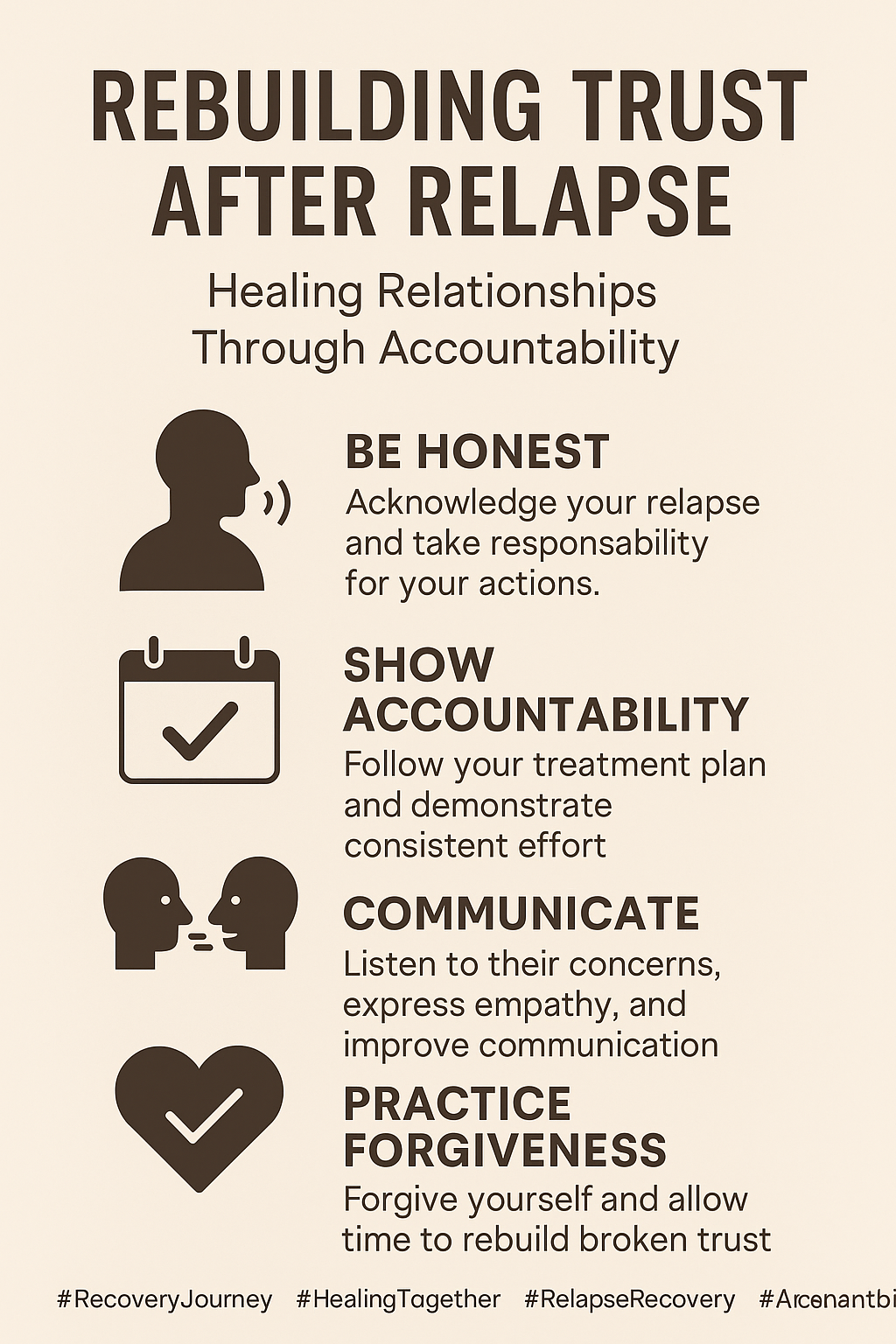
Rebuilding trust after a relapse isn’t about grand gestures or smooth talking. It’s about taking steady action, maintaining honest communication, and exercising considerable patience. For anyone who’s slipped back into old habits, the path to rebuilding trust can feel overwhelming. I know from my own experience supporting others in recovery that it can be a slow and challenging process, with plenty of ups and downs. In this guide, I’ll walk you through what that adventure looks like, the mindset switches that actually help, and some practical tips you can use to keep moving forward.
What Trust Means After a Relapse
After a relapse, trust doesn’t just bounce back on its own. Those around you may feel hurt, confused, or even betrayed. If you’ve ever had someone pull away after a setback, you know how real that distance feels. Trust is about safety, predictability, and honesty—three things that usually take a hit during active addiction or after relapse.
Understanding how your actions have affected others is essential here. Rebuilding trust is not only about saying sorry. It’s about showing over time that you can be consistent and reliable again. For many, trust is built on keeping promises, staying accountable, and being upfront when things get tough.
Facing the Emotional Fallout
Relapse can bring up a lot of challenging emotions: guilt, shame, anger, and fear. Sometimes it feels like there’s a spotlight on every misstep. Acknowledging these feelings (without letting them take over) is the first step in addressing what happened and moving forward.
- Guilt: Feeling bad about hurting loved ones weighs heavily on one’s conscience. It’s a natural response, but the key is to channel it as motivation for real change, not as a reason to beat yourself up.
- Shame: This one’s trickier; shame makes you want to hide. Remember, relapse is a setback, not a character flaw.
- Defensiveness: It’s easy to get defensive when confronted. Instead, slowing down and listening can really help rebuild bridges.
Treating yourself with the same compassion you hope to get from others is a good place to start. Relapse can happen, but it’s what you do next that makes the difference.
First Steps to Rebuilding Trust
Jumping straight into apologies rarely works if your actions don’t follow your words. I’ve seen people make real progress by focusing on clear, small steps rather than massive changes overnight. Here are the moves I suggest if you want to show you’re serious about regaining trust:
- Take Responsibility: Own up to what happened—don’t blame others or make excuses. This indicates that you’re aware and ready to make a change.
- Open Up: Be direct and honest with those you’ve hurt, even if those conversations are uncomfortable.
- Set Realistic Goals: Don’t try to promise the world. Focus on tangible changes you know you can stick with (like going to meetings, checking in, or making routines).
- Stay Consistent: Trust is rebuilt with repeated positive actions, not one-off promises.
The early phase is all about achieving small wins and demonstrating your dependability again. Even simple things, such as being on time or following through on everyday commitments, can help rebuild confidence. It’s also helpful to show patience if the people around you aren’t ready to trust again right away. Everyone heals at their own pace, and respecting that process will help set a strong foundation.
Common Roadblocks (and How to Find Your Way Through Them)
Relapse is often associated with difficult situations, such as losing a job, receiving bad news, or simply experiencing a challenging period. The messiness makes it really easy to stumble again. Knowing the biggest pitfalls ahead of time gives you a better chance of success.
- Unrealistic Expectations: Hoping family or friends will trust you again instantly will likely leave you feeling disappointed. Everyone moves at their own pace.
- Denial: Pretending the relapse didn’t happen (or wasn’t a big deal) usually makes things worse over time.
- Isolation: Pulling away from support groups or loved ones might seem more effortless in the moment, but connection is usually what helps most.
Addressing Triggers
If you don’t figure out what led to the relapse, it’s easy to trip over the same stuff again. I recommend taking some time (with a counselor or sponsor, if you have one) to identify the stressors, people, or places that contributed to your stress. Sometimes, simply writing down your triggers and sharing them with someone you trust can help you identify warning signs and develop a plan to address them.
Dealing With Pushback
It’s normal for others to be guarded or skeptical. Instead of arguing or trying to force trust, focus on actions. Continue to show up, communicate effectively, and allow trust to develop at its own pace. This can mean being patient even when you feel frustrated or misunderstood. Demonstrate your growth by responding with understanding, rather than just adding more words.
Practical Steps for Regaining Trust
Trust isn’t rebuilt with big speeches—it’s all the small, everyday things that prove you’re making healthy choices. Here are the habits that tend to work best:
- Regular Check-Ins: Set times to check in with loved ones or your accountability partner. This openness helps lower anxiety on both sides.
- Follow Through: If you say you’re going to attend a meeting, be sure to show up. If you promise to help with something, follow through.
- Be Transparent: Share plans, progress, or setbacks with your support circle, even when the news isn’t perfect.
- Accept Feedback: If someone tells you they’re worried or upset, listen first. This makes people feel heard and more likely to open up again.
It’s easy to underestimate the importance of these routine behaviors. Even when it seems like no one is noticing, people tend to pick up on consistency and honesty over time. Steady effort is what makes trust start to grow back, even if the changes seem small each day. If you keep showing up, others will eventually notice your newfound reliability.
Repairing Relationships and Moving Forward
Relapse doesn’t erase every part of your relationship, but it does mix up expectations for a while. Here’s how I’ve seen people rebuild in healthy ways that last:
- Give It Time: Some relationships heal quickly, while others require months or longer to rebuild trust. Let people set their own pace.
- Keep Communicating: Stay open about your feelings and progress, but also let loved ones share theirs. This two-way honesty is powerful.
- Set Boundaries: Healthy boundaries go both ways. If your loved one needs space, respect it, even if it feels uncomfortable.
- Take Care of Yourself: Taking care of your own well-being helps you be a better friend or partner to others. Practicing self-care means you’ll have more to give in the long run.
Learning From Setbacks
If trust takes another hit, don’t give up. Every slip can be a chance to learn and adjust your approach. The goal isn’t perfection—it’s progress. People notice when you consistently show up and work to improve, even when things get messy. Remember, staying committed to the process, even when it feels tough, helps your relationships grow stronger in the long run.
Some Everyday Scenarios (And What To Do)
Sometimes, the hardest part is knowing how to act in real-life situations after a relapse. Here are a few day-to-day scenarios I’ve run into:
- Your partner is distant: Instead of pushing them for instant forgiveness, give them space and ask what kind of support they need at this moment. Patience and small acts of kindness often help reopen the door.
- A friend brings up the relapse in conversation: Stay honest about where you’re at; if you’re struggling, it’s okay to say so. Let them know you appreciate their concern.
- Family won’t include you in plans: Offer a gentle reminder that you’re working hard, but accept that rebuilding trust takes longer for some folks. Sometimes writing a letter can help family members open up if a face-to-face conversation feels too hard.
In such situations, remember that listening often matters more than repeatedly trying to explain yourself. Actions over time are what help convince others that positive change is real.
Helpful Resources for Support
Getting help doesn’t stop at just doing things differently at home. Some great resources can help speed things up as you work to rebuild trust:
- SAMHSA (Substance Abuse and Mental Health Services Administration) offers helplines and local support programs for individuals and families.
- MentalHealth.gov provides information and support for mental health needs, including recovery from setbacks.
- Local or online support groups (like AA, NA, or SMART Recovery) are pretty handy for building consistency and accountability with people who understand the road you’re on.
Having a team in your corner (even if it’s just one or two people) makes a big difference during tough days. Don’t be afraid to ask for support. Sometimes, connecting with a counselor or peer coach can provide an extra boost when motivation is low.
Frequently Asked Questions
Question: How long does it take for trust to come back after a relapse?
Answer: There’s no single timeline. It depends on your relationships, what happened, and how consistent you can be. For some, it might be a few months; for others, it could take a year or longer.
Question: Is it normal to feel hopeless after a relapse?
Answer: Absolutely. Many people feel they’ve messed up so badly they can’t recover. Those feelings usually fade with time and positive action. Reaching out to others can help you find hope again.
Question: Should I keep apologizing to my loved ones?
Answer: Once you’ve made a sincere apology, focus on actions rather than repeated apologies. Consistency means more than words as time passes. Use your energy to show growth, not just talk about it.
Key Takeaways for Rebuilding Trust
Regaining trust after a relapse is about patience, honesty, and consistent effort. Small steps matter, setbacks happen, and every bit of progress is worth celebrating. By owning your story, learning from your slips, and showing up for the people around you, you can rebuild trust and create stronger relationships than before.
The process isn’t always smooth, but the rewards—renewed connection, self-respect, and real growth—make it absolutely worth the effort. Remember, rebuilding trust is less about perfection and more about perseverance and sincerity. Keeping your commitments, being open about challenges, and allowing loved ones to heal at their own pace will set the stage for a real, lasting recovery.
Video: How Do You Fix Trust After Relapse?