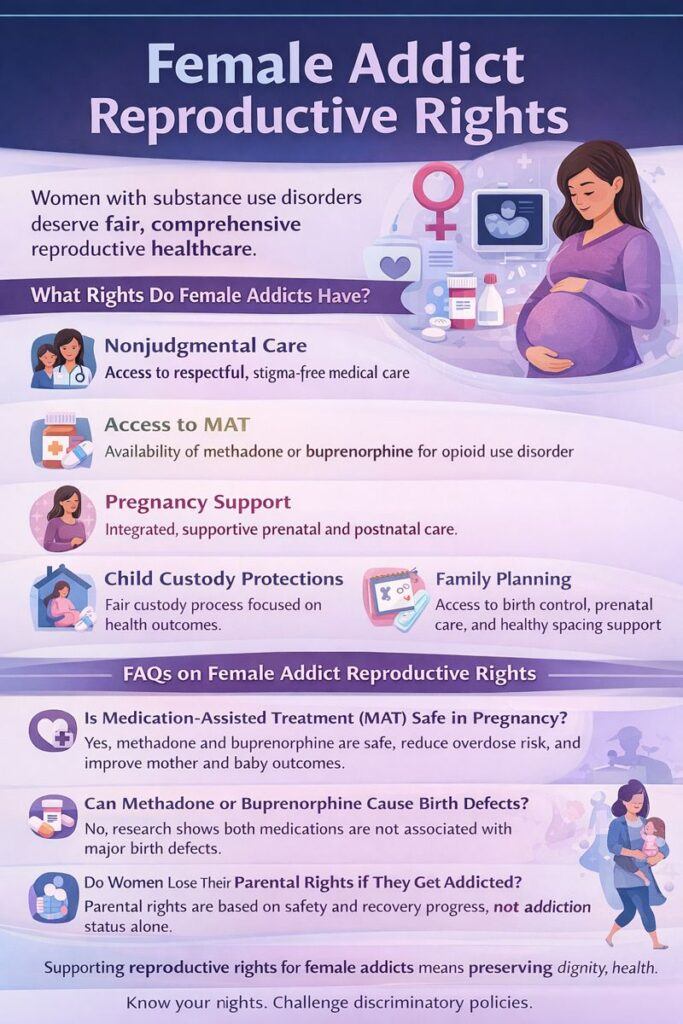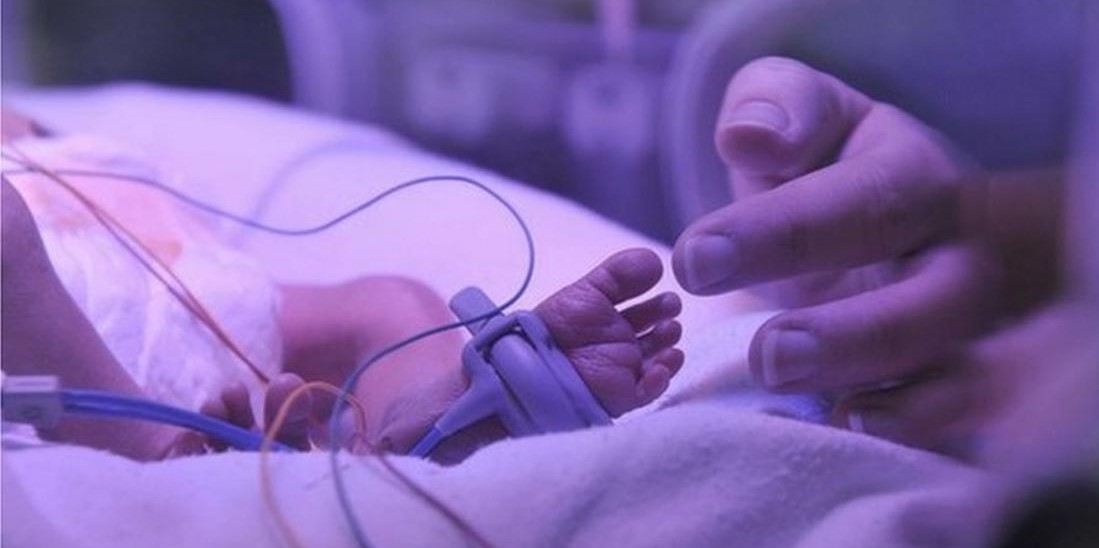
Women with addiction retain fundamental reproductive rights, including the right to become pregnant, receive prenatal care, and parent their children, provided they can ensure the child’s safety and well-being. State governments, through child protective services, assess factors such as substance use during pregnancy, home environment, parenting capacity, and the availability of a support network to determine whether a newborn can remain in the mother’s care. To reduce the risk of child removal, self-management strategies such as engaging in treatment, maintaining sobriety, and preparing for parenthood are essential. Equally important are strong family support systems that provide safe caregiving and assistance, along with community resources—such as healthcare programs, parenting classes, housing support, and legal advocacy—that foster a stable, protective environment for both mother and child.
Reproductive Rights of Women with Addiction: Bodily Autonomy, Healthcare, and Parenting
A female with an addiction has the same fundamental reproductive rights as any other person. Still, in practice, these rights can be complicated by stigma, discrimination, and sometimes legal or policy restrictions. Reproductive rights are grounded in the principles of bodily autonomy, informed consent, and non-discrimination, and major human rights and medical organizations recognize them.
1. Right to Make Decisions About Pregnancy
- Right to continue or terminate a pregnancy: In jurisdictions where abortion is legal, a woman with addiction has the same legal right to access abortion services.
- Right to choose adoption or parenting without coercion.
- Freedom from forced sterilization or birth control—any contraception must be voluntary and based on informed consent.
2. Right to Access Reproductive Healthcare
- Prenatal and postpartum care: Compassionate, nonjudgmental care during pregnancy, including access to addiction treatment.
- Fertility care: The right to evaluation and treatment for infertility if desired.
- Contraception: Full range of options without coercion or pressure from providers or social services.
3. Right to Non-Discrimination in Healthcare
- Protection from being denied reproductive services because of substance use or participation in treatment (e.g., methadone, buprenorphine).
- Right to privacy and confidentiality of medical information.
4. Right to Parenting
- Right to raise her children unless a court determines otherwise based on clear evidence of harm, not solely on addiction history.
- Protection from automatic child removal due to substance use in pregnancy; human rights advocates call for case-by-case assessments.
5. Right to Treatment Without Punishment
- Access to evidence-based addiction treatment (including medication-assisted treatment) during pregnancy without fear of arrest or loss of parental rights.
- Global and U.S. health guidelines discourage punitive approaches that push pregnant women away from prenatal care.
6. Right to Informed Consent
- Every medical procedure, from prenatal testing to contraceptive insertion, requires voluntary, informed consent—free from coercion or misinformation.
- Providers must explain risks, benefits, and alternatives in a clear, understandable way.
⚖️ Challenges in Practice
While these rights exist, women with addiction often encounter:
- Stigma from healthcare providers.
- Criminalization in some U.S. states for substance use in pregnancy.
- Coercion into reproductive choices (such as pressured sterilization or mandated birth control).
- Barriers to integrated addiction treatment and reproductive healthcare.
In summary, women with addiction deserve the same reproductive rights as everyone else. Protecting these rights means addressing stigma, ensuring access to care, and resisting policies that punish instead of support.
Why States Remove Newborns from Mothers with Addiction: Policies, Risks, and Alternatives
When state governments remove newborns from mothers with addiction, it’s typically driven by child safety concerns, often entangled with legal mandates and administrative procedures. Here’s a breakdown of the main reasons and their broader implications:
1. Mandated Reporting Laws & CAPTA
- The Child Abuse Prevention and Treatment Act (CAPTA) requires healthcare providers to report infants exposed to substances in utero and create Plans of Safe Care (POSC) for the newborn and family (Yale Law Journal, Penn LDI).
- These reports trigger involvement from child protective services (CPS), which may lead to removal—even if there is no direct evidence of abuse or neglect (PMC, Yale Law Journal).
2. Risk of Harm to the Infant
- Authorities often justify removal citing potential risks—such as withdrawal symptoms, unsafe environments, or lack of prenatal care.
- In New Mexico, a policy change mandates immediate removal for substance-exposed babies, unless proven safe. This was enacted after several newborn deaths from neglect or unsafe conditions (Deseret News).
3. Variable State Policies & Stigma
- Policies differ widely across states. Some treat substance exposure alone as a sufficient reason for removal, while others require additional signs of neglect (PMC, NCSL).
- Many policies criminalize prenatal substance use or conflate it with child maltreatment, reinforcing punitive approaches over treatment-focused care (The Appeal, PMC).
4. Deterrence from Medical Care
- The threat of losing custody can deter pregnant women from seeking prenatal care or addiction treatment, which worsens health outcomes for both mother and child (The Appeal, Penn LDI).
5. Emerging Family-Centered Alternatives
- Some states are shifting toward family-based treatment, where parents and infants remain together while the parent receives help. These approaches support recovery, improve maternal health, and strengthen family bonds (NCSL).
📊 Summary Table
| Reason | Explanation |
|---|---|
| CAPTA Reporting Mandate | Healthcare providers must report substance-exposed newborns. |
| Concern for Infant Safety | Potential harm or neglect cited as justification for removal. |
| Legal Variability & Stigma | Policies differ widely; many lean punitive over therapeutic. |
| Deterrence of Care-Seeking | Fear of separation discourages mothers from seeking prenatal care and treatment. |
| Movement Toward Alternatives | Family-based treatment models show better outcomes for mother and child. |
In summary, while child safety is the stated priority, punitive policies often backfire—deterring treatment, reinforcing stigma, and leading to unnecessary family separation. Evidence suggests family-centered, treatment-first approaches offer better long-term outcomes for both infants and parents.
Self-Management Strategies for Pregnant Women with Addiction: Preventing Newborn Removal
For a pregnant woman with addiction, self-management strategies to reduce the risk of the state government removing her newborn focus on early engagement with care, documentation of stability, and building a safety network. These steps help demonstrate to healthcare providers and child protective services (CPS) that the parent is actively working to ensure the infant’s safety and well-being.
1. Seek Prenatal Care Early and Consistently
- Attend all prenatal appointments, even if substance use is ongoing—this shows commitment to the baby’s health.
- Be honest with providers about substance use so they can create a safe treatment plan.
- Keep all medical records organized in a folder or binder.
2. Engage in Addiction Treatment
- Enroll in evidence-based treatment (such as medication-assisted treatment with methadone or buprenorphine).
- Follow the treatment plan closely and document attendance (keep program notes, test results, and counselor letters).
- If relapse occurs, immediately re-engage with treatment and document it.
3. Follow a Written Plan of Safe Care
- Many states require a Plan of Safe Care for substance-exposed newborns (CAPTA mandate).
- Work with your healthcare provider or social worker to draft and follow this plan before delivery.
- Include arrangements for safe housing, child care, and support persons.
4. Build a Support Network
- Identify trusted family or friends who can assist postpartum.
- Have letters of support from people willing to step in if needed.
- Participate in peer recovery or parenting support groups—document attendance.
5. Maintain a Stable Living Environment
- Secure safe, stable housing.
- Avoid living situations involving ongoing substance misuse or violence.
- Keep the home baby-ready (crib, safe sleep space, supplies).
6. Document Everything
- Keep a log of medical visits, treatment sessions, counseling, and support group attendance.
- Save receipts for baby supplies and take photos of the home setup.
- Documentation provides tangible evidence of readiness to parent.
7. Cooperate with CPS and Healthcare Staff
- If CPS becomes involved, respond calmly and respectfully.
- Show openness to suggested services or classes.
- Follow through with all agreed-upon actions.
In summary, proactively engaging in care, treatment, and planning demonstrates stability and commitment to the baby’s well-being. By documenting progress and building a strong support system, pregnant women with addiction can show CPS, hospitals, and legal representatives that they are creating a safe, nurturing environment for their child.
Family Support Strategies to Prevent Newborn Removal in Cases of Maternal Addiction
Here are family support strategies that can help reduce the risk of the state government removing a newborn from a mother with addiction. The goal is to show child protective services (CPS) and healthcare providers that the family has a strong, reliable safety network to protect the baby’s well-being.
Family Support Strategies
1. Participate in Care Planning Early
- Join prenatal appointments and treatment meetings to understand the mother’s care plan.
- Help develop and commit to a Plan of Safe Care before delivery.
- Offer to be listed as a support person in medical and CPS records.
2. Provide a Stable Environment
- Ensure the mother has access to safe, clean housing.
- Remove any hazards from the home, including substance use by others.
- Prepare the baby’s space with safe sleep arrangements, diapers, and supplies.
3. Act as a Backup Caregiver
- Be willing to step in temporarily if the mother needs support during treatment or recovery.
- Have legal arrangements ready (e.g., temporary guardianship paperwork) if needed.
- Attend infant care and CPR classes to demonstrate readiness.
4. Encourage and Support Treatment Compliance
- Provide transportation to prenatal care, addiction treatment, and counseling sessions.
- Offer childcare for older children so the mother can attend appointments.
- Celebrate progress and milestones in recovery.
5. Maintain Positive Communication with CPS and Providers
- Be polite, cooperative, and transparent with CPS caseworkers.
- Keep written logs of support activities (e.g., driving to appointments, providing meals).
- Demonstrate that the family is a consistent, healthy presence in the child’s life.
6. Join Family-Centered Recovery Programs
- Participate in family therapy or parenting classes offered by treatment programs.
- Get involved in home visiting programs (e.g., Nurse-Family Partnership).
- Attend support groups for families affected by addiction.
Community Resource Strategies to Prevent Newborn Removal in Families Impacted by Addiction
When a mother is struggling with addiction, one of the biggest fears is losing her newborn to child protective services (CPS). The best way to reduce this risk is to engage actively with trusted community resources and demonstrate that a strong safety net exists beyond the home. By building a record of participation and support, mothers can demonstrate commitment to creating a safe and nurturing environment for their child.
1. Prenatal and Postnatal Care Programs
- Enroll in regular prenatal care early and attend every appointment.
- Join high-risk pregnancy programs through hospitals or public health departments.
- Use home-visiting nurse programs (like Nurse-Family Partnership) that document safety and progress.
2. Substance Use Treatment Services
- Participate in evidence-based addiction treatment (methadone, buprenorphine, or naltrexone if appropriate).
- Consider outpatient or residential mother-baby programs where mothers keep their newborns while receiving treatment.
- Save documentation of program attendance, counseling, and testing.
3. Parenting Education and Support
- Complete parenting classes through hospitals, CPS-approved providers, or community centers.
- Join new mothers’ peer groups to strengthen parenting skills and reduce isolation.
- Request certificates of completion or attendance letters for proof.
4. Legal Aid and Advocacy
- Contact a family law attorney or legal aid organization focused on parental rights.
- Partner with a peer recovery coach or case manager who can attend CPS meetings as an advocate.
- Keep organized records of safety plans, legal filings, and correspondence.
5. Housing and Stability Resources
- Secure safe, sober housing through recovery residences or transitional housing programs.
- Apply for assistance with rent, utilities, or safe shelter programs.
- Maintain proof of stability with leases, housing letters, or program documentation.
6. Emergency and Backup Childcare Resources
- Identify licensed childcare providers or family resource centers as backup caregivers.
- Obtain letters of support from trusted relatives or caregivers.
- Enroll in child care subsidy programs if eligible.
7. Faith-Based and Volunteer Support Networks
- Connect with churches, nonprofits, and community programs offering meals, mentorship, and supplies.
- Request written confirmation of ongoing involvement to demonstrate consistent support.
In summary, engaging with community resources isn’t just about compliance—it’s about building a documented safety net that reassures CPS, hospitals, and legal representatives that both mother and baby will be supported. By combining medical care, addiction treatment, parenting education, legal advocacy, housing stability, and community support, mothers can create a strong case for keeping their newborn safe and in their care.
Frequently Asked Questions
Here are some common questions:
Question: Provide a “Family Action Plan” format so it can be used as proof of support during CPS or hospital assessments.
Answer: a Family Action Plan template designed to help demonstrate to healthcare providers and CPS that the newborn will have a safe, stable, and well-supported home environment when the mother has a history of addiction.
Family Action Plan for Newborn Safety & Support
(For Expectant Mothers in Addiction Recovery)
Mother’s Name: ________________________
Due Date: _____________________________
Family Contact Person(s): _______________
CPS Caseworker (if applicable): __________
Treatment Program Contact: ______________
1. Safe and Stable Living Environment
- Address: __________________________________
- Confirmed to be clean, safe, and free from active substance use.
- Baby’s sleep area prepared (crib/bassinet, safe sleep guidelines followed).
- Hazard-free environment (no unsafe chemicals, clutter, or dangerous items).
2. Medical and Addiction Care Compliance
- Mother is enrolled in:
☐ Prenatal care with Dr. ____________________ (visits every ___ weeks)
☐ Addiction treatment program: _______________
☐ Counseling/therapy: ______________________ - Support person(s) will:
- Provide transportation to appointments.
- Help keep track of medical paperwork.
- Attend key medical visits if requested.
3. Plan of Safe Care
(Required in many states for substance-exposed newborns)
- Created with: ☐ Doctor ☐ Social Worker ☐ CPS ☐ Treatment Program
- Includes:
- Feeding plan (breastfeeding or formula).
- Follow-up pediatric appointments.
- Emergency contacts for childcare.
4. Backup Caregiver Arrangements
- Primary Backup Caregiver: ____________________
- Relationship to Mother: _______________________
- Available: ☐ Full-time if needed ☐ Temporary/emergency
- Has completed infant care class: ☐ Yes ☐ No (scheduled: ______)
- Willing to provide temporary guardianship if necessary.
5. Ongoing Family Involvement
- Family members will:
- Attend family therapy sessions.
- Participate in parenting classes.
- Join home-visiting nurse or parenting support programs.
- Keep a written log of support activities (e.g., rides, childcare, meal prep).
6. Communication with CPS and Providers
- Family agrees to open, respectful communication with CPS and healthcare providers.
- All significant events (hospital visits, treatment updates) will be documented.
- The support person will attend meetings if needed to advocate for the mother and baby.
Signatures
Mother: _____________________________________ Date: ___________
Primary Support Person: ____________________ Date: ___________
Caseworker (if applicable): __________________ Date: ___________
This plan shows clear responsibility, safety measures, and consistent support, which can be powerful in helping prevent newborn removal by demonstrating a stable caregiving environment.
Question: Provide a Community Resource Safety Plan format to be presented to CPS, hospital social workers, or legal representatives as proof of a proactive, well-supported parenting environment to prevent a newborn from being removed from an addicted parent.
Answer: Community Resource Safety Plan (CRSP)
Parent(s) Name(s): ____________________________
Child(ren): ____________________________
Date: ____________________________
Prepared for: CPS / Hospital Social Work / Legal Representative
1. Purpose of This Plan
This Community Resource Safety Plan outlines the network of supports, monitoring systems, and protective strategies in place to ensure the newborn’s health, safety, and stability. It demonstrates proactive parenting, accountability, and collaboration with trusted professionals and community resources.
2. Parent Commitment Statement
I, ______________________, am committed to maintaining a safe, stable, and nurturing environment for my child. I acknowledge my history of substance use and have taken concrete steps to remain in recovery, utilize supports, and prioritize the well-being of my child above all else.
Parent Signature: __________________________
Date: __________________________
3. Health & Medical Supports
- OB/GYN / Pediatrician: (Name, contact, appointment schedule)
- Primary Care Provider: ____________________________
- Medication-Assisted Treatment Provider (if applicable): ____________________________
- Well-Baby Visits Schedule: ____________________________
- Emergency Contact Instructions: ____________________________
4. Substance Use Recovery Supports
- Treatment Program / Counselor: ____________________________
- Recovery Coach / Sponsor: ____________________________
- Support Groups Attended: (AA, NA, SMART Recovery, etc., with frequency)
- Urine Screening / Compliance Monitoring: ____________________________
- Relapse Prevention Plan: (Triggers, coping strategies, accountability contacts)
5. Mental Health & Parenting Supports
- Therapist / Mental Health Provider: ____________________________
- Parenting Education Classes / Home Visiting Program: ____________________________
- Peer Support or Mentor Parent: ____________________________
- Emergency Respite Care Contact (family/friend/agency): ____________________________
6. Safe Care & Daily Routines
- Infant Safe Sleep Plan (crib, no co-sleeping, smoke-free environment): ____________________________
- Feeding Plan (breastfeeding, formula, scheduled feedings): ____________________________
- Childcare Back-Up Plan (who provides safe care if parent is unwell): ____________________________
7. Community & Legal Supports
- CPS / Social Worker Contact (collaboration notes): ____________________________
- Probation / Legal Representative Contact (if applicable): ____________________________
- Community Resource Programs (WIC, SNAP, housing, transportation): ____________________________
- Emergency Contacts (2 trusted adults vetted for safe care): ____________________________
8. Accountability & Oversight
- Weekly / Monthly Check-ins Scheduled With:
- Treatment Provider
- CPS / Social Worker
- Parenting Program Staff
- Progress Monitoring: Documentation of meetings, treatment attendance, and wellness checks will be shared with relevant professionals as needed.
9. Crisis & Safety Protocol
If a relapse, medical emergency, or unsafe situation occurs:
- Child will be placed with ____________________ (a safe caregiver vetted by CPS).
- Parent will notify CPS/social worker immediately.
- Parent will access crisis supports: ____________________________.
- The plan will be reassessed to ensure ongoing child safety.
10. Signatures & Agreement
This plan has been developed collaboratively with the support of community resources. All listed parties commit to supporting the child’s safety and well-being.
Parent(s): ___________________________________________________________
Social Worker / Case Manager: ___________________________________
Treatment Provider / Recovery Coach: ____________________________
Safe Caregiver(s): __________________________________________________
Date: ____________________________
✅ This format shows planning, accountability, and multiple safety nets. It mirrors what CPS and hospital social workers want to see:
That there are contingency plans if a relapse or crisis occurs
That you are not isolated
That outside professionals are monitoring progress
Question: Provide a step-by-step prenatal preparation checklist explicitly designed for women in recovery to both support parenting and protect against unnecessary newborn removal.
Answer: A step-by-step prenatal preparation checklist for women in recovery, designed to support parenting, recovery, and demonstrate proactive engagement with care and safety planning:
Prenatal Preparation Checklist for Women in Recovery
1. Early Prenatal Care
- Schedule your first prenatal appointment as soon as pregnancy is confirmed.
- Attend all prenatal visits consistently.
- Bring any previous medical records and medications.
- Discuss substance use honestly with your provider to create a safe care plan.
2. Addiction Treatment Engagement
- Enroll in evidence-based treatment (e.g., medication-assisted therapy if appropriate).
- Keep a log of appointments, counseling sessions, and any lab results.
- Immediately reconnect with your program if relapse occurs.
3. Plan of Safe Care (POSC)
- Work with your provider or social worker to draft a POSC before delivery.
- Include arrangements for safe housing, infant care, and support persons.
- Keep a written copy and update it as needed.
4. Build a Support Network
- Identify trusted family members, friends, or mentors willing to assist postpartum.
- Obtain letters of support or documentation of involvement.
- Join peer recovery or parenting support groups and document attendance.
5. Home Safety and Baby Readiness
- Prepare a safe sleep space (crib or bassinet).
- Stock up on diapers, clothing, and basic supplies.
- Remove hazards, including substances and unsafe items, from your home.
6. Education and Skills
- Complete parenting classes (in-person or online).
- Learn infant CPR and first aid.
- Attend nutrition or newborn care workshops offered by hospitals or community programs.
7. Legal and Advocacy Preparation
- Keep contact information for a family law attorney or legal aid.
- Gather documentation of treatment participation, home safety, and support networks.
- Consider having a case manager or recovery coach who can advocate during CPS interactions.
8. Documentation and Record-Keeping
- Maintain a binder with all medical records, treatment logs, and support letters.
- Include receipts for baby supplies, photos of nursery setup, and proof of participation in classes or programs.
9. Communication with Providers and CPS
- Be proactive, respectful, and transparent when interacting with healthcare providers or CPS.
- Respond promptly to requests for information or appointments.
- Demonstrate consistency and reliability in all interactions.
10. Self-Care and Wellness
Recognize early signs of relapse and seek help immediately.
Maintain nutrition, rest, and stress management practices.
Attend counseling, support groups, or recovery meetings regularly.
Conclusion
Protecting the reproductive rights of women with addiction requires a balanced approach that prioritizes both the mother’s autonomy and the child’s safety. Government assessments focus on creating safe environments rather than punishing addiction, emphasizing the importance of evidence-based self-management, strong family involvement, and access to comprehensive community resources. By actively engaging in treatment, building supportive relationships, and utilizing available services, women with addiction can strengthen their ability to parent safely and reduce the risk of newborn removal, fostering healthier outcomes for both mother and child.
Videos: Simple Ways Pregnant Women With Addiction Can Protect Their Babies,
5 Ways FAMILY SUPPORT Can SAVE Your Baby from Removal Due to Addiction,
Are State Policies on Newborn Removal Hurting More than Helping Mothers with Addiction?,
5 Crucial Facts About Reproductive Rights for Female Addicts
Why Moms Are Choosing Peer Recovery Programs Over Rehab For a Second Chance