Understanding emotional dependency in addiction is super important for anyone looking to make sense of why addiction feels like such a tough cycle to break. Emotional dependency usually isn’t just about craving a substance or habit. For a lot of people, it’s about the push and pull of feelings that keep them stuck in the same loop. Here, I’ll dig into how these emotional cycles work, why they’re so hard to recognize, and what steps can help people break free.
The Roots of Emotional Dependency in Addiction
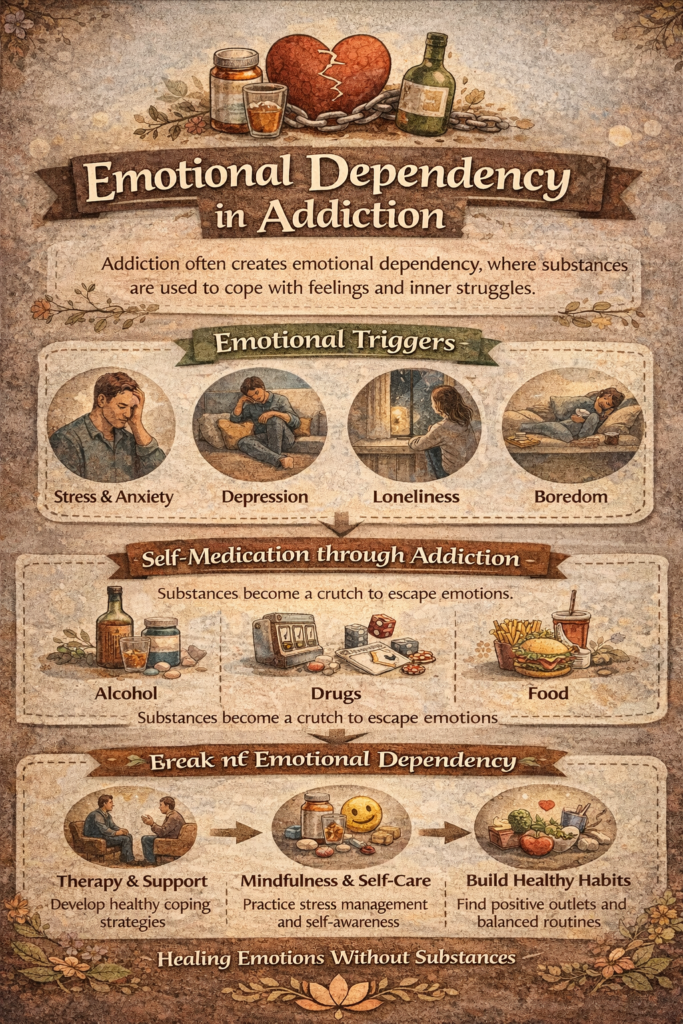
When people talk about addiction, it’s easy to think only about the physical cravings. But emotional dependency and addiction go hand in hand. Emotional dependency happens when someone starts to rely on a certain substance or behavior to deal with stress, sadness, anxiety, or just to feel balanced. Over time, using the substance or repeating a certain habit becomes almost automatic, kind of like a comfort blanket that feels necessary to survive rough patches.
This pattern often grows out of early coping mechanisms. For example, someone who didn’t learn healthy ways to manage tough emotions as a kid might turn to alcohol, gambling, food, or even smartphone use to fill that gap. The relief feels real at first, but eventually, it becomes the main way to handle stress. That’s when the cycle of emotional dependency and addiction gets going.
The National Institute on Drug Abuse notes that addiction isn’t only about willpower or bad choices. It’s a complicated mix of brain chemistry, genetics, and emotional factors (source). Emotional dependency is a big part of that mix.
Understanding the Cycle: How Emotional Dependency Fuels Addiction
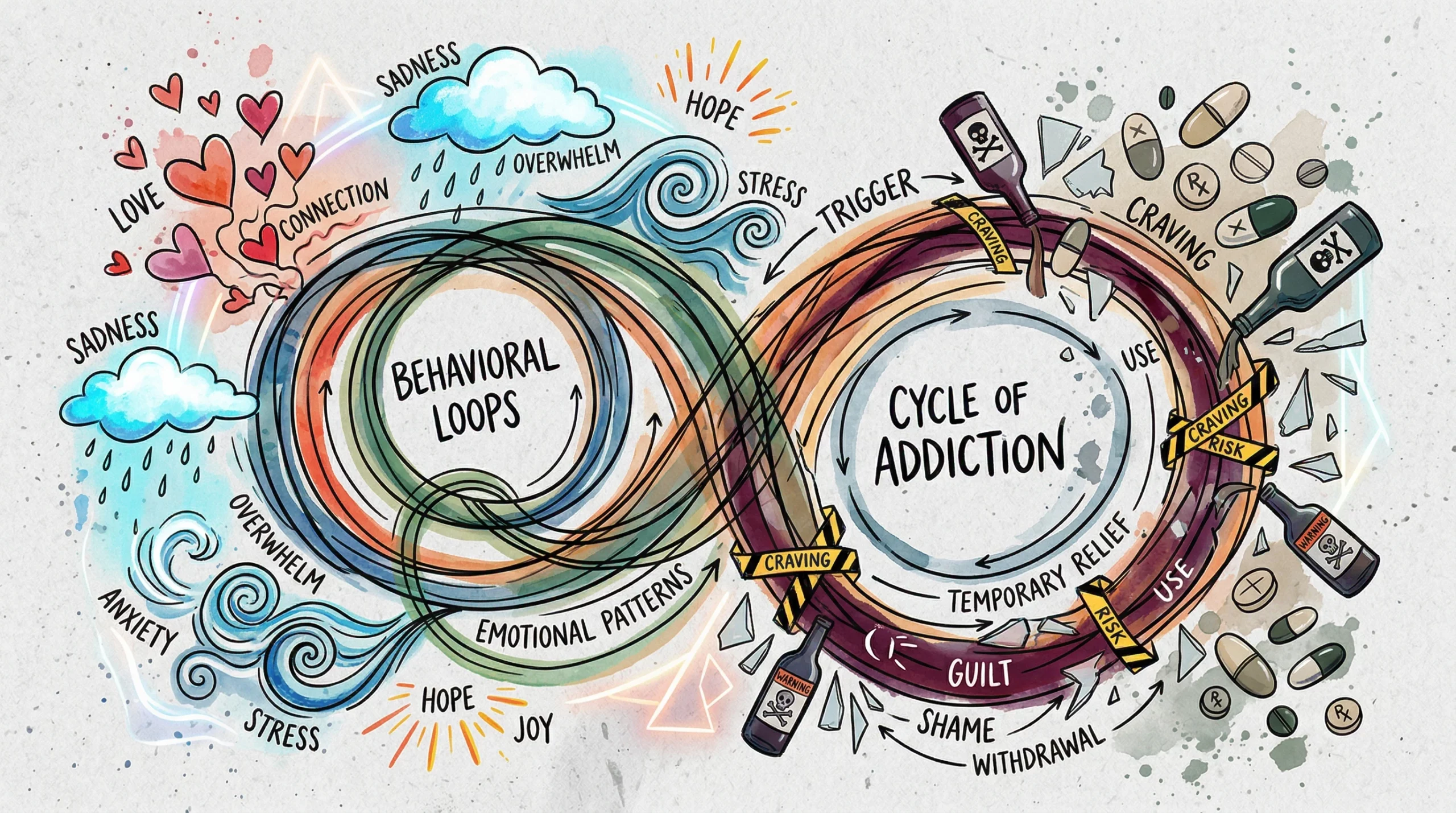
Addiction follows a pretty predictable pattern when emotional dependency is involved. Here’s how the cycle often plays out:
- Emotional Trigger: It could be work-related stress, loneliness, conflict, anxiety, or even boredom. Any tough emotion that feels uncomfortable or overwhelming.
- Craving Relief: The person starts craving their substance or habit of choice to escape or dull those feelings.
- Using or Acting Out: They give in and use the substance or engage in the behavior, which brings fast relief or a momentary boost of pleasure.
- Short-Term Reward: That relief or “high” gives the brain a nice little dopamine surge, reinforcing the link between the feeling and the coping method.
- Crash or Consequences: The good feelings wear off. Guilt, shame, or anxiety come back, sometimes even worse than before.
- Renewed Emotional Discomfort: Those feelings intensify. Because the original problem wasn’t dealt with, the person feels even more out of control or upset.
- Cycle Repeats: Without new coping tools in place, the urge to return to the same habit only grows stronger.
This process isn’t just in someone’s head. The brain’s reward circuits are literally rewired to expect and crave the substance or behavior whenever tough feelings pop up. That’s why emotional dependency is so powerful, and why it’s so hard to break out of these cycles.
Recognizing Emotional Dependency: Common Signs & Patterns
It can be surprisingly tricky to spot emotional dependency, since it often gets tangled up with regular day-to-day stress. Here are some warning signs that point to emotional dependency playing a role in addiction:
- Craving as Stress Relief: Reaching for a substance or repeating a behavior, mostly when feeling upset, anxious, angry, or lonely, rather than just for fun or social reasons.
- Feeling Out of Control: Not being able to cut down or stop, even when the negative consequences become obvious.
- Escalating Use: Needing more of the substance or more frequent behavior to get the same sense of comfort or relief.
- Emotional Numbness: Using the addictive habit to avoid feeling anything at all, good or bad.
- Withdrawal and Mood Swings: Noticing irritability, restlessness, or sadness when unable to use the substance or engage in the habit, sometimes called “emotional withdrawal.”
When I worked in counseling, I often heard people say things like, “I just need something to take the edge off,” or “It helps me get through the day.” These phrases help show how emotional dependency can sneak into someone’s daily routine. Emotional dependency might manifest through routines that seem harmless at first, like always reaching for a snack when anxious or doomscrolling social media late at night to calm nerves. Over time, these behaviors can form ruts that are tough to break out of without support.
Why Emotional Cycles in Addiction Are Hard to Break
Breaking free from addiction gets even tougher when emotional dependency is at play. The brain and body may crave the substance, but the craving for emotional relief or escape is just as strong, sometimes even stronger.
There are a few reasons why these cycles are so sticky:
- Brain Chemistry: Substances and certain habits boost “feel-good” chemicals in the brain. Over time, natural mood-boosters don’t work as well, so the brain looks for shortcuts, making cravings more intense.
- Unresolved Emotions: If someone never learned healthy coping skills, they may not have any other way to manage tough emotions. The comfort of old patterns feels safe, even if it causes harm.
- Shame and Isolation: The crash after using or acting out often brings guilt or embarrassment. This leads to more secrecy and loneliness, pushing the person right back into the cycle for comfort.
Research from Harvard Health Publishing highlights that addiction is about patterns of escape as much as chemical dependency (source). Emotional dependency makes this cycle loop even tighter.
Positive Steps to Break the Cycle
While breaking cycles of emotional dependency in addiction is tough, it’s fully possible with the right mix of support and practical steps. Here are some strategies that can make a real difference:
- Building Self-Awareness: Journaling, therapy, or mindful check-ins can help people identify what emotions trigger their cravings. If you know your triggers, it’s easier to catch the cycle as it starts. Sometimes, just pausing to write down what you’re feeling can prevent a relapse.
- Learning New Coping Skills: Healthy habits like exercise, art, talking with friends, or using stress management techniques (deep breathing, meditation, grounding exercises) help create new ways to manage emotions. Even something as simple as getting some fresh air or calling a supportive friend can provide a better outlet.
- Seeking Professional Help: Addiction counselors, therapists, and support groups can offer guidance and a sense of community. Cognitive-behavioral therapy (CBT), for instance, has been shown to help people replace old emotional responses with more positive strategies. Group therapy can provide a safe space to share experiences and gather new approaches from others.
- Setting Realistic Goals: Change takes time. Focusing on manageable steps, maybe just one day or one craving at a time, can make the process less overwhelming and build confidence little by little.
- Finding Healthy Support Networks: Connecting with others who understand the challenges provides encouragement and accountability. Support groups like SMART Recovery or 12-Step programs focus on emotional awareness, not just quitting substances. These communities foster a sense of acceptance and understanding that can be crucial for recovery.
I’ve seen people transform their lives by focusing as much on their emotions as on their substance use. Sometimes just being able to say “I’m struggling right now” instead of reaching for a drink or habit is a huge step forward. Practicing self-compassion during setbacks has also helped many clients stay motivated for long-term change.
Challenges and Setbacks: What to Expect
No recovery path is a straight line. Setbacks and challenges are totally normal and should be expected along the way. When emotional triggers hit, especially after a long period of success, it’s easy to slip back into old patterns. But setbacks aren’t failures. They’re a chance to learn more about what emotional needs haven’t been addressed yet.
- Triggers May Change: Sometimes new jobs, relationships, or unexpected stresses might act as triggers. Being aware that triggers can evolve is important for staying prepared.
- Cravings Can Come and Go: Emotional cravings can return suddenly, but they usually pass if you can ride them out or use healthy coping tools. Developing a toolkit of responses increases the chance that you’ll weather each wave.
- Progress Isn’t Always Obvious: Little improvements, like reaching out to a friend instead of acting on a craving, add up over time, even if setbacks still happen. Celebrate small victories—they matter more than you might realize.
Knowing you’re not alone, and that support is available, makes setbacks a lot less discouraging. If you find yourself feeling stuck, remember that reaching out for help is a sign of strength, not weakness.
Frequently Asked Questions
Question: How do I know if my addiction is emotionally driven?
Answer: If you find yourself craving a substance or habit most when you’re upset, stressed, or lonely, emotional dependency is probably a big part of it. Try noticing if certain moods lead you to your habit, and keep a journal to spot patterns.
Question: Do these cycles always repeat themselves?
Answer: The cycle tends to repeat until new coping skills are learned and put into action. With support and practice, the loops can slow or even stop, allowing you to step into a healthier routine.
Question: Can therapy help break emotional dependency in addiction?
Answer: Absolutely. Many therapies are specifically designed to tackle both the emotional and behavioral sides of addiction. They help people build a new set of responses to stress and triggers, increasing their confidence in handling tough moments.
Finding Hope and a Way Forward
Breaking the cycles of emotional dependency in addiction is an adventure, not a quick fix. By understanding how emotions and cravings are linked and by building new, positive ways to deal with stress and pain, people can move toward real change. Reaching out for help, learning more about yourself, and practicing new habits can all make a big difference along the way.
If you or someone you care about needs support, there are resources and people out there ready to help you start a new chapter. Take it one step at a time, and remember: change is possible, and hope is always within reach.
Video: