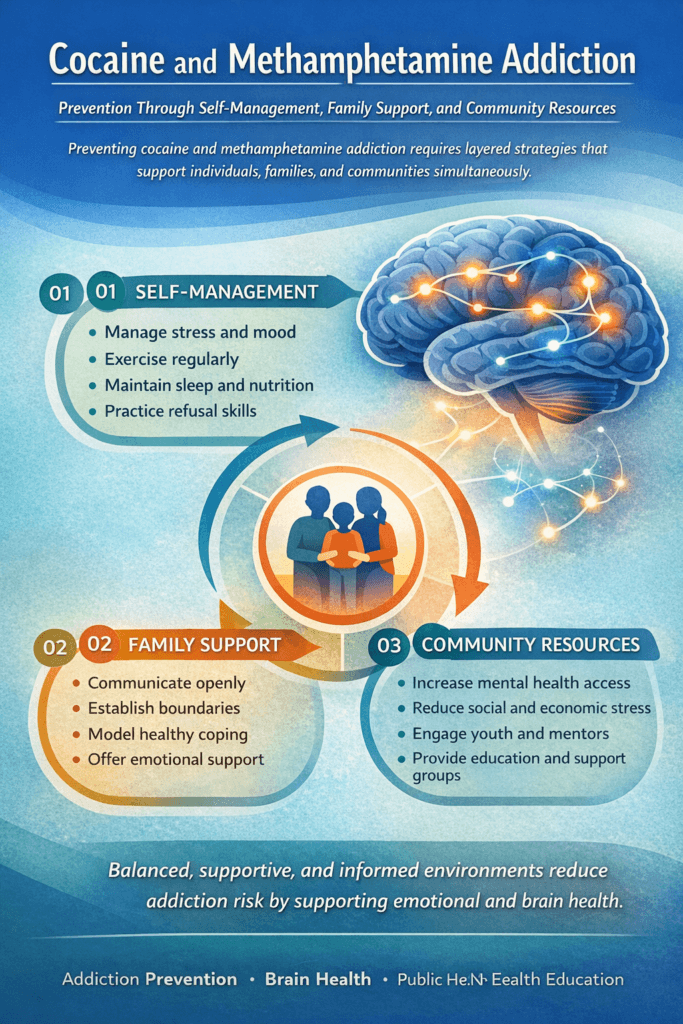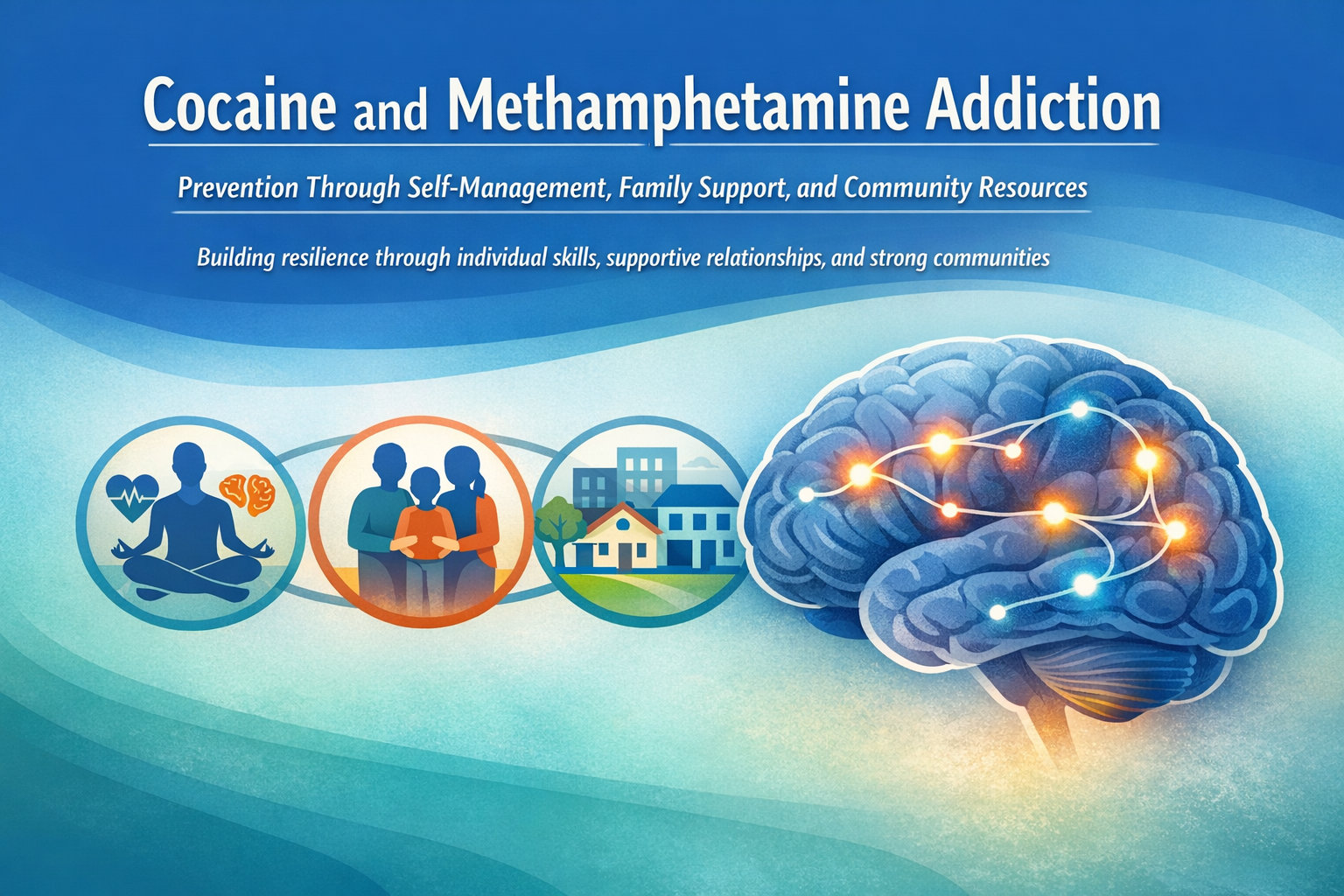
Cocaine and methamphetamine addiction develops through a complex interaction of brain chemistry, stress, environment, and access to support—not simply personal choice. These powerful stimulants hijack the brain’s dopamine system, increasing risk for compulsive use, mental health deterioration, and long-term physical harm. Effective prevention, therefore, requires more than warnings about drugs themselves. Evidence shows that the strongest protection comes from layered strategies that support individuals, families, and communities simultaneously. Self-management skills help regulate stress and decision-making, family support strengthens emotional safety and boundaries, and community resources reduce isolation while improving access to care. When these systems work together, vulnerability to stimulant addiction decreases and resilience increases.
Cocaine vs. Methamphetamine: Key Differences in Effects, Risks, and Addiction
Cocaine and methamphetamine are both powerful stimulant drugs, but they differ significantly in how they are produced, how they act on the brain, how long their effects last, and the types of harm they cause. Understanding these differences is important for clinical education, prevention efforts, and informed public health responses.
Source and Chemical Profile
Cocaine is a naturally derived stimulant extracted from the coca plant, primarily grown in South America. Methamphetamine, by contrast, is a fully synthetic drug created in illicit laboratories using industrial chemicals and medications containing pseudoephedrine. This difference in origin contributes to major differences in potency and neurotoxicity.
Mechanism of Action
Both drugs increase dopamine levels in the brain, but they do so in different ways. Cocaine blocks the reuptake of dopamine, causing it to accumulate temporarily in the synapse. Methamphetamine not only blocks reuptake but also forces large amounts of dopamine to be released while damaging dopamine-producing neurons. This makes methamphetamine more neurotoxic and more likely to cause long-term brain changes.
Duration and Intensity of Effects
Cocaine produces a rapid, intense high that typically lasts 15–60 minutes, leading users to binge repeatedly to maintain the effect. Methamphetamine has a much longer duration, often lasting 8–24 hours or more. This prolonged stimulation places extreme stress on the brain and body, increasing the risk of psychosis, cardiovascular events, and sleep deprivation.
Addiction Potential
Both substances are highly addictive, but methamphetamine is generally associated with faster addiction progression and more severe dependency. The long-lasting dopamine surge from methamphetamine reinforces compulsive use and accelerates tolerance, meaning users need more of the drug to achieve the same effect.
Physical and Psychological Harms
Cocaine is strongly associated with cardiovascular complications such as heart attack, stroke, and arrhythmias. Methamphetamine causes widespread systemic damage, including severe dental decay (“meth mouth”), skin infections, weight loss, cognitive impairment, and a higher risk of chronic psychosis. While both drugs can cause paranoia and anxiety, methamphetamine-related psychosis can persist even after stopping use.
Treatment Considerations
Currently, there are no FDA-approved medications specifically for stimulant use disorder, though behavioral therapies such as contingency management and cognitive behavioral therapy are effective for both cocaine and methamphetamine addiction. Methamphetamine use often requires more intensive, longer-term treatment due to the severity of neurological and functional impairment.
Summary
While cocaine and methamphetamine are both stimulants that act on the brain’s reward system, methamphetamine is generally longer-lasting, more neurotoxic, and associated with more severe physical and psychological consequences. Recognizing these distinctions reinforces the need to approach stimulant addiction as a medical condition requiring tailored, evidence-based care rather than moral judgment.
Self-Management Strategies to Prevent Cocaine and Methamphetamine Addiction
Preventing cocaine and methamphetamine addiction begins long before first use. While these stimulants differ in duration and severity, many of the same self-management strategies reduce risk by strengthening emotional regulation, stress tolerance, and decision-making. Prevention is not about perfection or fear—it is about building systems that protect the brain, body, and daily life from high-risk patterns.
Understanding Personal Risk
Self-management starts with awareness. Individuals with high stress exposure, untreated anxiety or depression, trauma history, sleep deprivation, or environments where stimulant use is normalized face a higher risk. Recognizing triggers such as exhaustion, performance pressure, social comparison, or emotional numbness allows people to intervene early rather than react impulsively.
Regulating Stress and Dopamine Naturally
Both cocaine and meth hijack the brain’s dopamine system, making stress relief and reward regulation essential. Regular physical activity, consistent sleep schedules, balanced nutrition, and mindfulness practices help stabilize dopamine and reduce cravings for artificial stimulation. Even modest routines—daily walks, fixed bedtimes, or brief breathing exercises—lower vulnerability over time.
Building Strong Refusal and Boundary Skills
Self-management includes preparing for social pressure. Practicing simple refusal statements, avoiding high-risk settings, and setting clear personal boundaries reduce exposure without requiring confrontation. Planning exits, limiting time in triggering environments, and choosing substance-free activities support prevention through structure, not willpower alone.
Emotional Coping and Mental Health Care
Many people turn to stimulants to manage low mood, fatigue, or emotional pain. Developing healthier coping strategies—journaling, therapy, creative outlets, or peer support—reduces reliance on substances for emotional regulation. Addressing mental health needs early is one of the strongest protective factors against stimulant addiction.
Creating Accountability and Purpose
Daily structure, meaningful goals, and accountability partners help anchor behavior. Purpose-driven routines—work, education, volunteering, caregiving, or fitness goals—provide natural rewards that compete with drug-seeking behavior. Accountability does not require disclosing every struggle; even consistent check-ins with trusted individuals can reinforce healthy choices.
Prevention as an Ongoing Process
Self-management is not a one-time decision but a continuous practice. Preventing cocaine and methamphetamine addiction means maintaining balance, monitoring stress, and adjusting strategies as life changes. When prevention is framed as self-care rather than restriction, it becomes sustainable, empowering, and protective.
Family Support Strategies to Prevent Cocaine and Methamphetamine Addiction
Family support plays a powerful role in preventing cocaine and methamphetamine addiction. Strong, healthy family relationships do not eliminate risk, but they significantly reduce vulnerability by shaping coping skills, emotional regulation, values, and responses to stress. Prevention within families is less about control and more about connection, consistency, and early support.
Open and Nonjudgmental Communication
Families that communicate openly create safer spaces for honest conversations about stress, curiosity, peer pressure, and substance exposure. Discussing drugs without fear-based messaging or moral judgment helps individuals—especially adolescents and young adults—ask questions and express concerns early. When family members feel heard rather than punished, they are more likely to disclose struggles before substance use escalates.
Modeling Healthy Coping Skills
Family behavior sets powerful examples. When stress, conflict, or exhaustion are managed through healthy coping—exercise, problem-solving, emotional expression, rest, or seeking help—family members learn alternatives to stimulant use. Conversely, chronic chaos, untreated mental health issues, or substance misuse within the home can increase risk. Modeling balance and accountability is a quiet but effective prevention strategy.
Establishing Clear Boundaries and Expectations
Consistent family boundaries provide structure and predictability, both of which protect against impulsive drug use. Clear expectations around behavior, routines, and consequences—delivered calmly and consistently—reduce ambiguity and limit high-risk situations. Boundaries work best when paired with warmth and explanation, rather than with fear or authoritarian control.
Supporting Mental and Emotional Health
Many individuals are drawn to cocaine or methamphetamine to manage fatigue, low mood, trauma, or performance pressure. Families that prioritize mental health—encouraging counseling, addressing sleep problems, and recognizing emotional distress—reduce the likelihood that substances will be used as coping tools. Early support can interrupt risk long before addiction develops.
Strengthening Connection and Belonging
Strong family bonds protect against isolation, which is a major risk factor for stimulant use. Shared meals, traditions, check-ins, and quality time reinforce a sense of belonging and emotional safety. Feeling valued and connected reduces the appeal of substances that promise energy, confidence, or escape.
Responding Early Without Shame
When warning signs appear—behavioral changes, secrecy, sleep disruption, mood swings—families can intervene early with curiosity rather than accusation. Addressing concerns calmly and offering support preserves trust and increases the likelihood of prevention. Shame-driven responses often push substance use underground, increasing harm.
Family Support as Prevention
Preventing cocaine and methamphetamine addiction is not about perfection or constant surveillance. It is about fostering a family environment in which stress is manageable, emotions are acknowledged, boundaries are clear, and support is consistent. Families that lead with connection, structure, and compassion create some of the strongest protective factors against stimulant addiction.
Community Resource Strategies to Prevent Cocaine and Methamphetamine Addiction
Communities play a critical role in preventing cocaine and methamphetamine addiction by shaping environments, access to support, and social norms. While individual and family efforts matter, prevention is strongest when communities provide stable resources, early intervention, and systems that reduce isolation, stress, and untreated mental health needs.
Expanding Access to Mental Health and Primary Care
One of the strongest community-level prevention strategies is accessible mental health care. Untreated anxiety, depression, trauma, sleep disorders, and ADHD increase vulnerability to stimulant use. Communities that integrate mental health services into primary care, schools, and community clinics reduce the likelihood that individuals will self-medicate with cocaine or methamphetamine.
Education and Early Prevention Programs
Community-based education helps replace myths with accurate, non-stigmatizing information. School programs, workplace trainings, faith-based initiatives, and public health campaigns that focus on coping skills, stress management, and brain health are more effective than fear-based messaging. Early education builds resilience before exposure occurs.
Youth Engagement and Mentorship
Strong youth programs reduce risk by offering structure, belonging, and purpose. After-school activities, sports, arts programs, vocational training, and mentorship initiatives provide healthy sources of achievement and connection. Positive adult role models and peer support reduce the appeal of stimulants used for performance, confidence, or escape.
Reducing Environmental and Social Stressors
Community conditions matter. High unemployment, housing instability, violence, and social disconnection increase the risk of stimulant use. Communities that invest in job training, housing support, transportation access, and neighborhood safety address root causes rather than symptoms. Prevention improves when daily stress from survival is reduced.
Peer Support and Recovery Visibility
Visible recovery-oriented resources normalize help-seeking and reduce stigma. Peer support groups, recovery community organizations, and public recovery events demonstrate that substance use disorders are treatable and that support exists before addiction develops. Communities that openly support recovery create protective social norms.
Harm Reduction and Early Intervention
Community harm reduction services—such as screening, brief intervention, referral programs, and crisis response teams—identify risk early. These services do not promote drug use; they prevent escalation by connecting people to care before patterns become entrenched.
A Community-Based Prevention Model
Preventing cocaine and methamphetamine addiction requires coordinated community action. When education, healthcare, youth engagement, social services, and recovery supports work together, prevention becomes proactive rather than reactive. Communities that prioritize connection, access, and compassion create environments where stimulant addiction is less likely to take hold.
Frequently Asked Questions
Here are some common questions:
What is the difference between cocaine and methamphetamine addiction?
Both are stimulant addictions that affect the brain’s dopamine system, but methamphetamine typically causes longer-lasting effects, faster brain damage, and more severe psychological symptoms. Cocaine addiction often involves repeated binge use due to its shorter high, while meth addiction is associated with prolonged stimulation, psychosis, and greater neurotoxicity.
Why are cocaine and methamphetamine so addictive?
These drugs produce intense dopamine surges linked to pleasure, motivation, and reward. Over time, the brain reduces its natural dopamine production, making it harder to feel normal without the drug. This drives compulsive use, cravings, and loss of control.
Can addiction to stimulants be prevented?
Yes. While no strategy eliminates risk entirely, prevention is highly effective when self-management skills, family support, and community resources work together. Reducing stress, strengthening coping skills, and improving access to support significantly lowers the likelihood of addiction.
What self-management strategies help prevent stimulant addiction?
Effective self-management includes stress regulation, consistent sleep, regular physical activity, healthy nutrition, emotional coping skills, and avoiding high-risk environments. Learning to manage fatigue, pressure, and emotional distress reduces reliance on stimulants for energy or escape.
How does family support reduce the risk of addiction?
Families help prevent addiction by maintaining open communication, modeling healthy coping behaviors, setting clear boundaries, and responding early to warning signs without shame. Strong emotional connection and structure reduce isolation and impulsive decision-making.
What role do community resources play in prevention?
Communities reduce addiction risk by expanding access to mental health care, youth programs, education, housing stability, employment opportunities, and peer support. When communities address social stressors and normalize help-seeking, stimulant use becomes less likely.
Is prevention only focused on teens and young adults?
No. Cocaine and methamphetamine addiction can develop at any age. Prevention strategies are effective across the lifespan, especially during periods of stress, trauma, burnout, or social isolation.
Does prevention mean zero tolerance or strict control?
Effective prevention is not based on fear or punishment. It focuses on resilience, support, structure, and access to care. Compassionate, proactive strategies are more effective than rigid or shame-based approaches.
What are the early warning signs that prevention efforts should increase?
Warning signs include sleep disruption, mood changes, secrecy, declining performance, social withdrawal, risk-taking behavior, and increased stress. Early, supportive intervention can prevent progression to addiction.
Is addiction prevention a personal or public responsibility?
It is both. Individuals build skills, families provide support, and communities create protective environments. Prevention is strongest when responsibility is shared across personal, relational, and societal levels.
Conclusion
Preventing cocaine and methamphetamine addiction is most effective when approached as a shared responsibility rather than an individual burden. Self-management strategies empower people to manage stress, emotions, and daily routines without relying on substances. Family support reinforces connection, communication, and early intervention, while community resources address broader risk factors such as mental health access, social instability, and lack of opportunity. No single strategy is sufficient on its own, but when personal skills, family involvement, and community systems align, prevention becomes sustainable and protective. Framing stimulant addiction prevention as a public health and wellness effort—rooted in compassion, structure, and support—creates environments where healthier choices are easier, and addiction is less likely to take hold.
Video: Cocaine vs Meth: Which Damage Is Worse? #stimulants #brainhealth