Opiate Use Disorder in Older Adults

Opioid Use Disorder (OUD) in older adults is a growing concern, driven by chronic pain, multiple prescriptions, age-related changes, and social isolation. Prevention requires a comprehensive approach: self-management through safe medication use, health check-ups, and non-opioid pain care; family support through open communication, prescription monitoring, and healthy routines; and community resources such as wellness programs, … Read more

Fentanyl and OUD Survival Rates

The treatment of opioid use disorder (OUD) is rapidly evolving to address the rise of fentanyl, a synthetic opioid far more potent than heroin or prescription painkillers. New strategies—such as low-dose buprenorphine, expanded methadone access, and digital or community-based interventions—have improved survival and treatment retention. Yet challenges remain, including withdrawal, sedation, or potential misuse, along … Read more

Healpods & Sensory Integration

Healpods are new devices that create a calming space using lights, sounds, and other sensory tools to help people relax and manage stress. In addiction treatment, they are sometimes used to support recovery by reducing cravings and assisting people to feel more in control of their emotions. While some early results seem promising, Healpods also … Read more

The Hidden Drivers of Relapse

Relapse is one of the most significant challenges in overcoming substance use disorders, often triggered by stress, cravings, or social pressures. It is not just about willpower—relapse reflects the complex mix of biological, psychological, and environmental factors that can make recovery fragile. Preventing relapse works best through a comprehensive, team-based approach. Self-management skills, like coping … Read more

The Truth About the Fenty Fold

The “Fenty Fold” refers to deep nasal folds or tissue indentations that can develop in chronic fentanyl users. Fentanyl, a synthetic opioid 50–100 times more potent than morphine, carries a high risk of rapid dependency and severe systemic effects. Intranasal use or injection can cause vascular compromise, tissue damage, and loss of skin elasticity, especially … Read more

Medicare/Medicaid & Addiction

Medicare and Medicaid provide vital coverage for addiction treatment, including counseling, inpatient and outpatient care, and medication-assisted treatment. Still, barriers such as limited services, provider shortages, and administrative hurdles remain, along with ethical dilemmas regarding autonomy, confidentiality, and equitable access. When coverage falls short, alternatives such as state programs, nonprofits, sliding-scale clinics, telehealth, and peer … Read more

Reliability of Urine Drug Testing

Urine Drug Screens (UDS) are commonly used in probation and parole. However, UDS can be unreliable due to false positives, false negatives, and short detection windows. Confirmatory tests—GC-MS, LC-MS/MS, hair, blood, and lab-based oral fluid analysis—offer more accurate evidence. Combining initial screening with confirmatory testing and behavioral monitoring allows probation systems to assess compliance fairly … Read more

Addiction Telemedicine Barriers

Telemedicine has expanded access to opioid use disorder (OUD) treatment, but barriers remain, including technology gaps, regulatory hurdles, and stigma. Pharmacies pose challenges, including reluctance to dispense medications, limited stocking of buprenorphine, and insurance restrictions. Solutions like pharmacist training, stronger provider–pharmacy collaboration, and patient support networks can ease these barriers. Government efforts—through regulatory reforms, funding, … Read more

Increasing Female Drug Overdoses

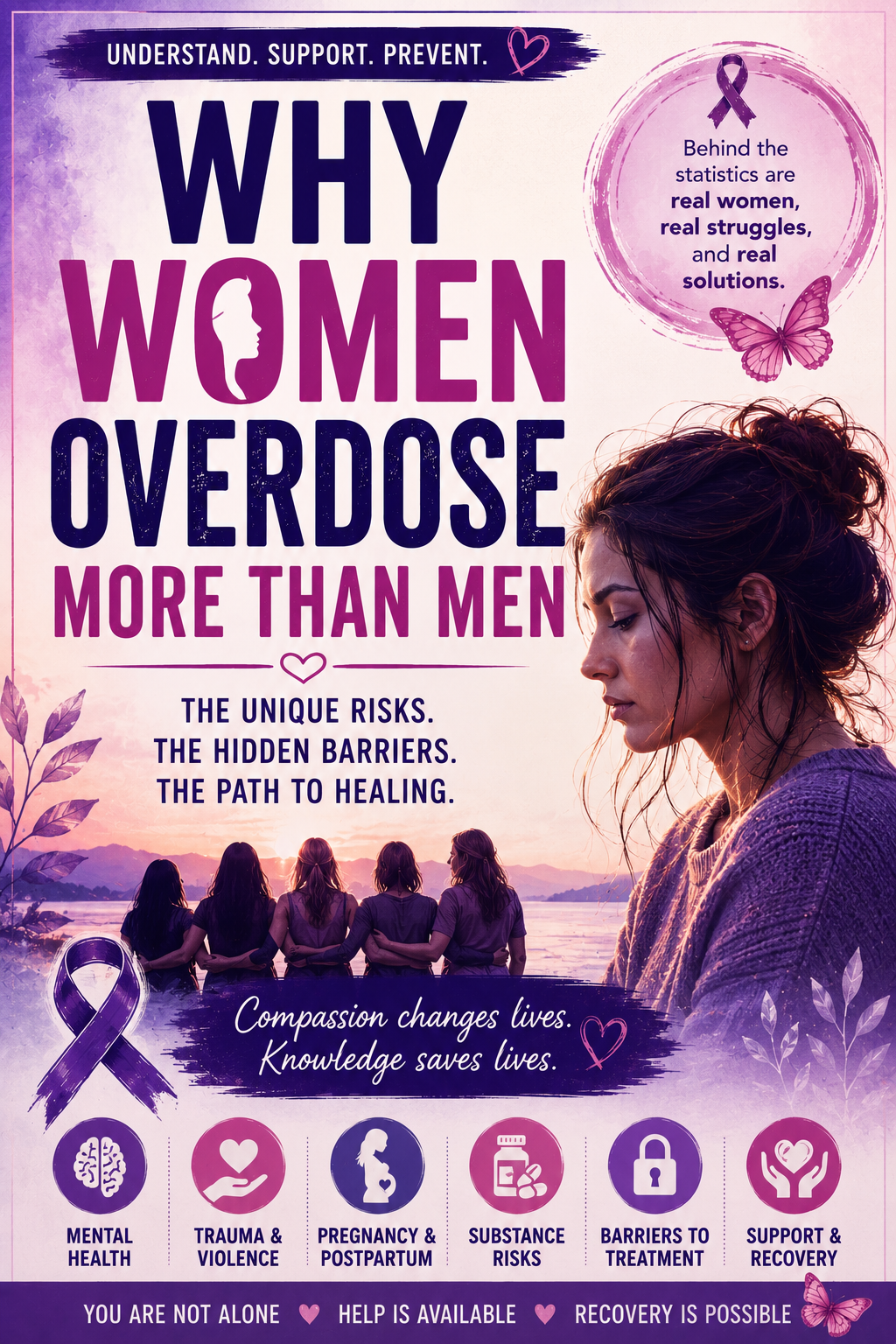
Overdose deaths among women have risen sharply, driven by factors like opioid use, mental health struggles, trauma, and stigma. In response, governments have expanded naloxone access, funded gender-focused treatment, and promoted trauma-informed care. Women can reduce risk through self-management strategies such as safe medication use and relapse prevention. Families support recovery by fostering open communication … Read more

Spotting Addiction in Family

Addiction can be a tricky thing to spot, especially when it’s happening to someone you care about. It’s easy to miss the early warning signs, thinking they’re having a rough patch or going through a stressful time. The reality is, catching addiction early makes a big difference in how quickly that person can get support … Read more