Emotional problems and Addiction
Navigating the complex terrain of addiction often involves confronting deep-seated emotional issues. These emotional challenges can be both a cause and consequence of addiction. It is crucial to understand how to manage these emotions effectively, not only for the individual struggling with addiction but also for their families. Support from loved ones, along with access … Read more

Anger leads to Addiction

Anger, a powerful emotion, deeply impacts mental and physical well-being. It can sometimes drive individuals towards addictive behaviors as a way to cope. This connection between anger and addiction is intricate and warrants closer examination. This discussion explores these links, shedding light on potential risks and providing insights into healthier coping mechanisms. How Anger Can … Read more

Mental Health with Addiction

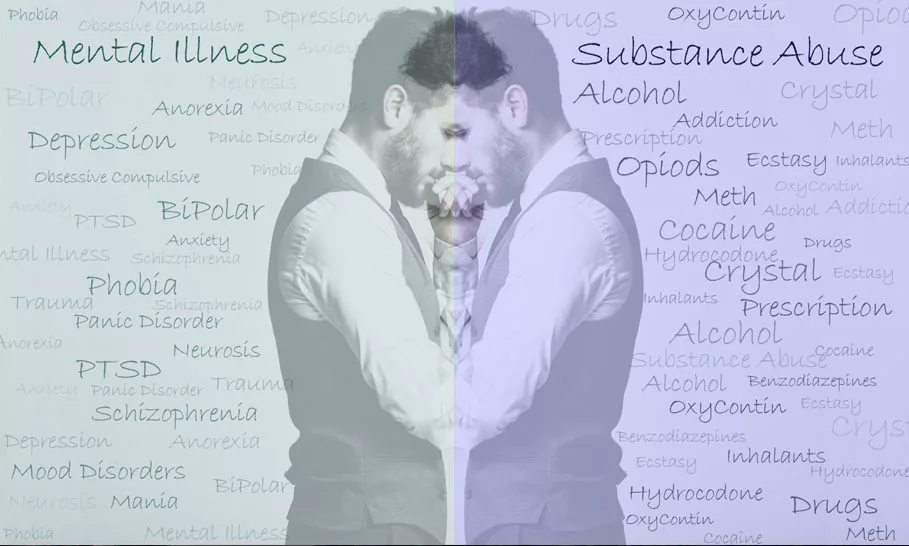
The interplay between mental health and addiction is a pressing issue in healthcare. Mental health challenges can lead to addictive behaviors, while addiction can worsen mental well-being. This complex cycle necessitates a holistic approach to healthcare. In this exploration, we’ll delve into the profound connection between mental health and addiction, examining their influence on each … Read more

Trauma Bonding leds to addiction

Trauma bonding, akin to Stockholm Syndrome, is when a person forms a deep emotional connection with an abuser, often in abusive or captive situations. It’s a survival response to trauma. This connection can significantly affect addiction and the journey to recovery. This discussion navigates the profound implications of trauma bonding on addiction and the critical … Read more

Behavioral issues with Addiction

Individuals struggling with addiction often contend with a complex array of behavioral issues that can profoundly impact their lives and relationships. These behaviors may range from impulsivity and secrecy to dishonesty and even aggression. Understanding and addressing these behavior patterns is crucial in the recovery process, as it not only supports the individual in their … Read more