Take-Home Methadone Treatment

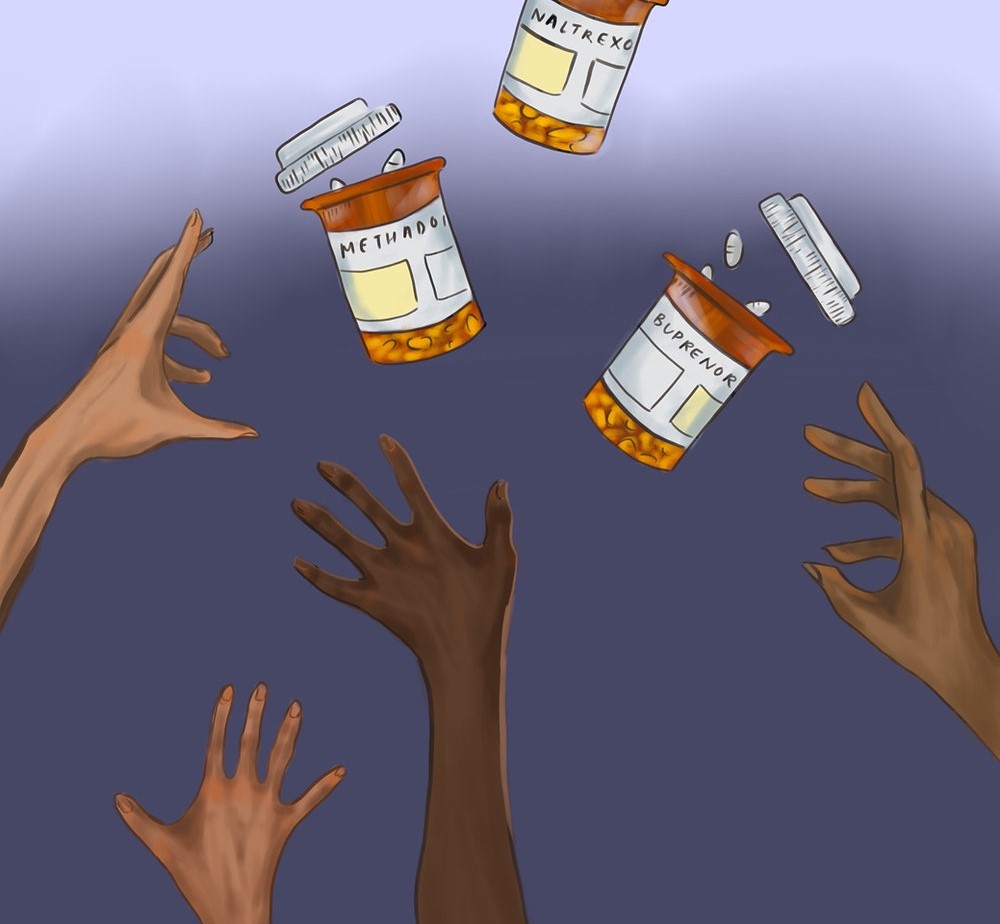
Take-home methadone treatment offers convenience and autonomy but carries risks of overdose, misuse, and diversion, raising ethical dilemmas. The federal government has expanded access, streamlined regulations, and supported providers. Limited competition in the “methadone monopoly” affects availability and pricing. Understanding these factors is crucial for effective and ethical methadone treatment in the opioid crisis. The … Read more

Drug Trade Logistics

The battle against drug abuse requires a comprehensive approach to disrupt the intricate logistics of the drug trade. Governments, states, communities, and families all play vital roles. Governments can enact stricter penalties and support prevention initiatives. States can enhance law enforcement efforts and expand treatment services. Communities can foster resilience and support recovery. Families can … Read more

Fentanyl and Methamphetamine

The fentanyl and methamphetamine crises have led to a surge in addiction rates and overdose deaths, affecting communities worldwide. Narcan, a life-saving opioid overdose reversal medication, is increasingly accessible. Governments are implementing policy reforms and funding prevention and treatment programs. Communities are mobilizing resources and support networks, while social media platforms serve as channels for … Read more

Addiction harm reduction strategies

Harm reduction strategies are pivotal in mitigating the adverse impacts of drug addiction. Involving government policies, community efforts, social media platforms, and societal shifts is crucial for their enhancement. Government policies provide the framework and resources, while community initiatives tailor interventions to local needs. Social media disseminates information and fosters engagement, and societal changes reduce … Read more

Buprenorphine Treatment Access

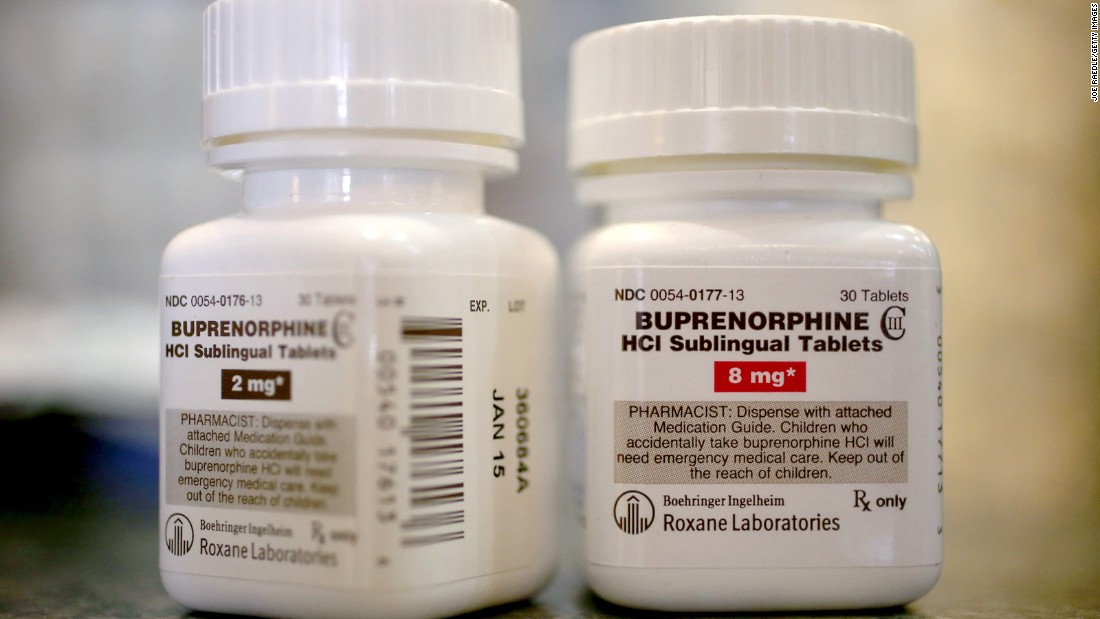
Addressing Buprenorphine access challenges requires a multifaceted approach. Buprenorphine, crucial in treating opioid addiction, faces barriers to accessibility. Self-management empowers individuals, while government policies aim to increase prescriber availability. Community resources contribute to raising awareness and assisting those seeking Buprenorphine treatment. Overcoming Barriers: Challenges in Accessing Buprenorphine Prescriptions Accessing Buprenorphine, a vital medication for treating … Read more

Methadone Treatment Accessibility

Access to methadone is pivotal in tackling the opioid crisis, but disparities exist in its accessibility worldwide. While some nations prioritize unrestrictive access, others, like the U.S., face barriers. Despite its benefits, methadone access presents challenges and ethical dilemmas. Government policy changes are crucial, but community engagement, social media advocacy, cultural shifts, and family support … Read more

Dual Addiction Disorder

Dual addiction disorder, also known as co-occurring disorders, involves the simultaneous presence of two or more substance use disorders or mental health conditions. Treating this complex issue is challenging, especially in rural areas with limited access to care. However, communities can take steps to overcome barriers by expanding telehealth services, increasing awareness, developing culturally competent … Read more

Path to an Opioid-Free Future

In the battle against opioid addiction, the involvement of government, community, social media, societal culture, and family is pivotal for paving the way toward an opioid-free future. The government sets policies and allocates resources, while communities offer support services and raise awareness. Social media platforms facilitate education and advocacy, and societal culture shapes perceptions of … Read more

Discrimination in Addiction

Addiction, a pervasive challenge, affects individuals indiscriminately, yet socioeconomic disparities often hinder equal access to treatment. Despite its universal impact, addiction’s effects can be exacerbated by economic inequalities. In response, society, government, and social media actively work to eliminate discriminatory barriers. Efforts focus on promoting awareness, education, and ensuring accessible support, reflecting a commitment to … Read more

Opioid Crisis: Treatment Failures

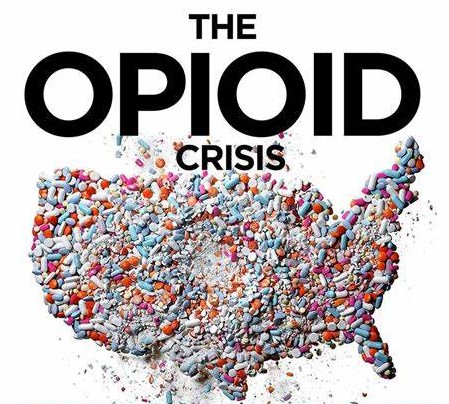
The opioid crisis in the United States persists, and current drug therapies face challenges in making a significant impact. This difficulty arises due to a combination of factors: the cultural mindset towards addiction, logistical hurdles, and ideological barriers. Cultural stigmatization of substance use disorders, coupled with an individualistic approach to health, hinders comprehensive treatment. Logistical … Read more