Science of Dopamine in Addiction
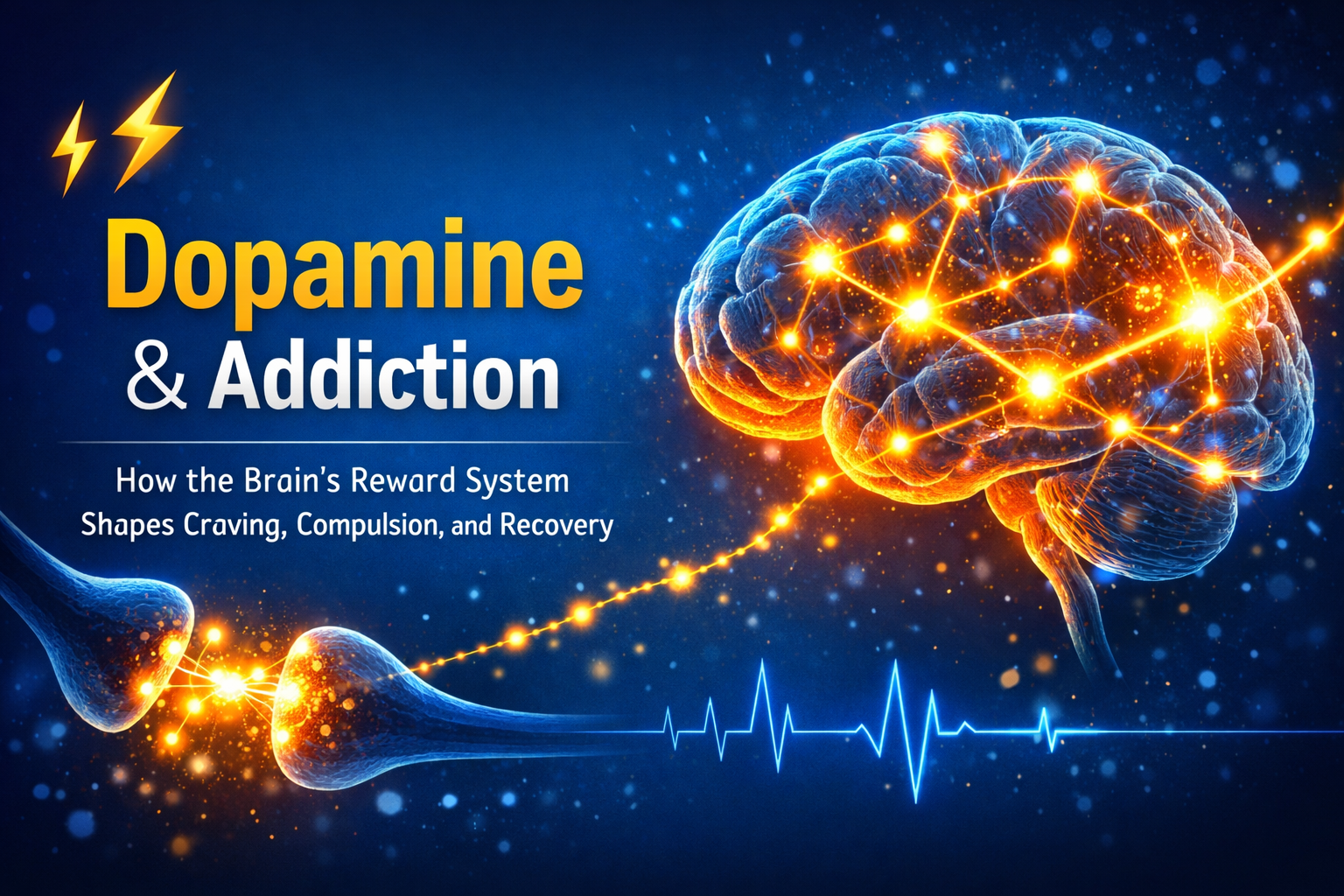
Dopamine plays a central role in addiction by shaping motivation, reward, and learning within the brain. Rather than simply producing pleasure, dopamine teaches the brain what to seek and repeat. In addition, substances and compulsive behaviors overstimulate this system, causing the brain to prioritize short-term rewards over long-term well-being. Over time, this leads to cravings, … Read more
Don’t Delay Addiction Treatment

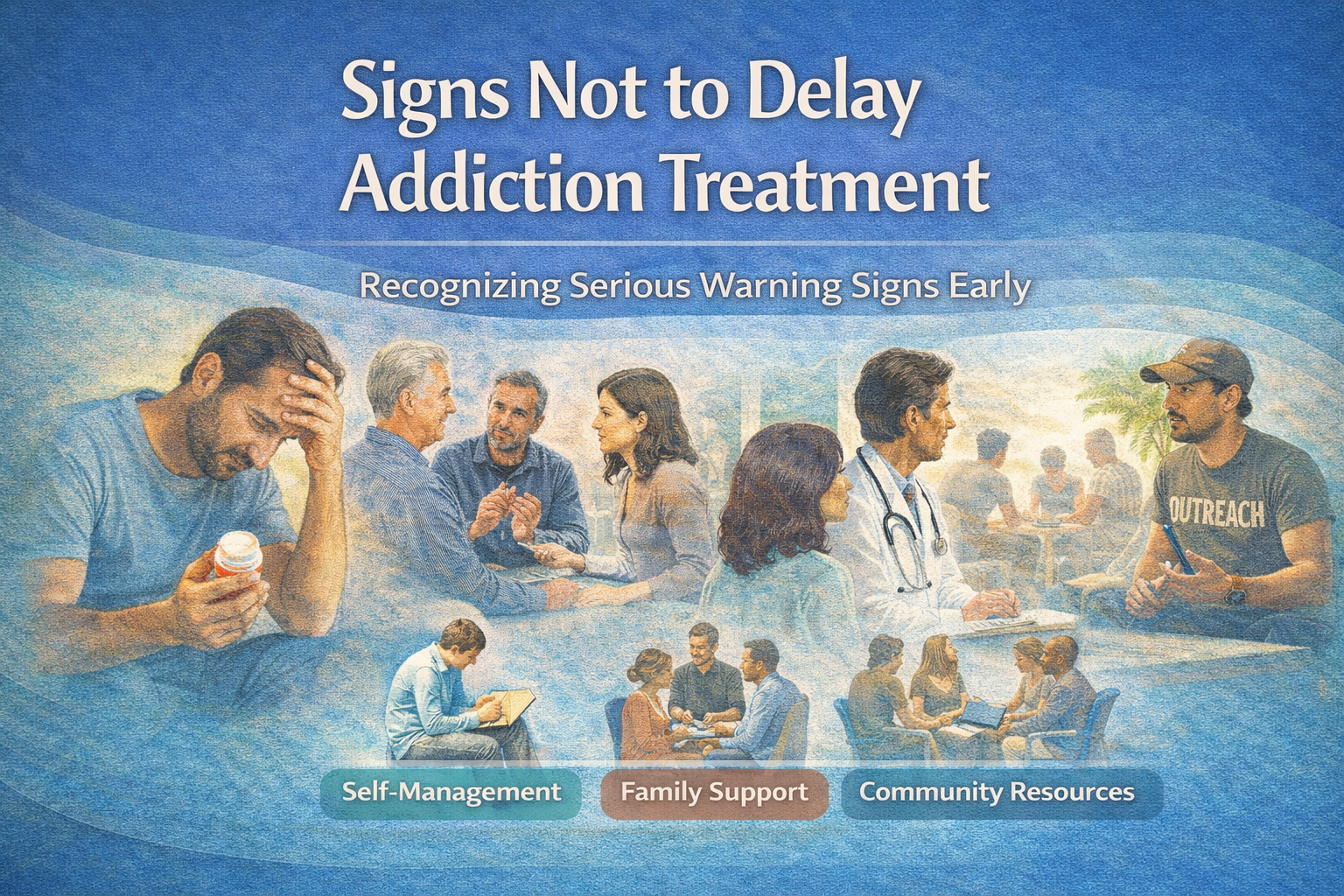
Addiction is a progressive brain-based condition that rarely improves without intervention. As use continues, insight becomes impaired, making it easier to minimize tolerance, withdrawal, and loss of control. Delaying treatment increases the risk of overdose, mental health decline, and social consequences. Recognizing when not to wait requires layered awareness. Self-monitoring helps identify escalating use and … Read more

Spiritual Malaise in Recovery

Spiritual malaise is a common yet often overlooked dimension of addiction that affects many individuals during active substance use and throughout recovery. It is experienced as a deep sense of emptiness, loss of meaning, inner disconnection, or spiritual fatigue that persists even after physical withdrawal and psychological stabilization. Addiction can erode a person’s sense of … Read more

The American Recovery Initiative

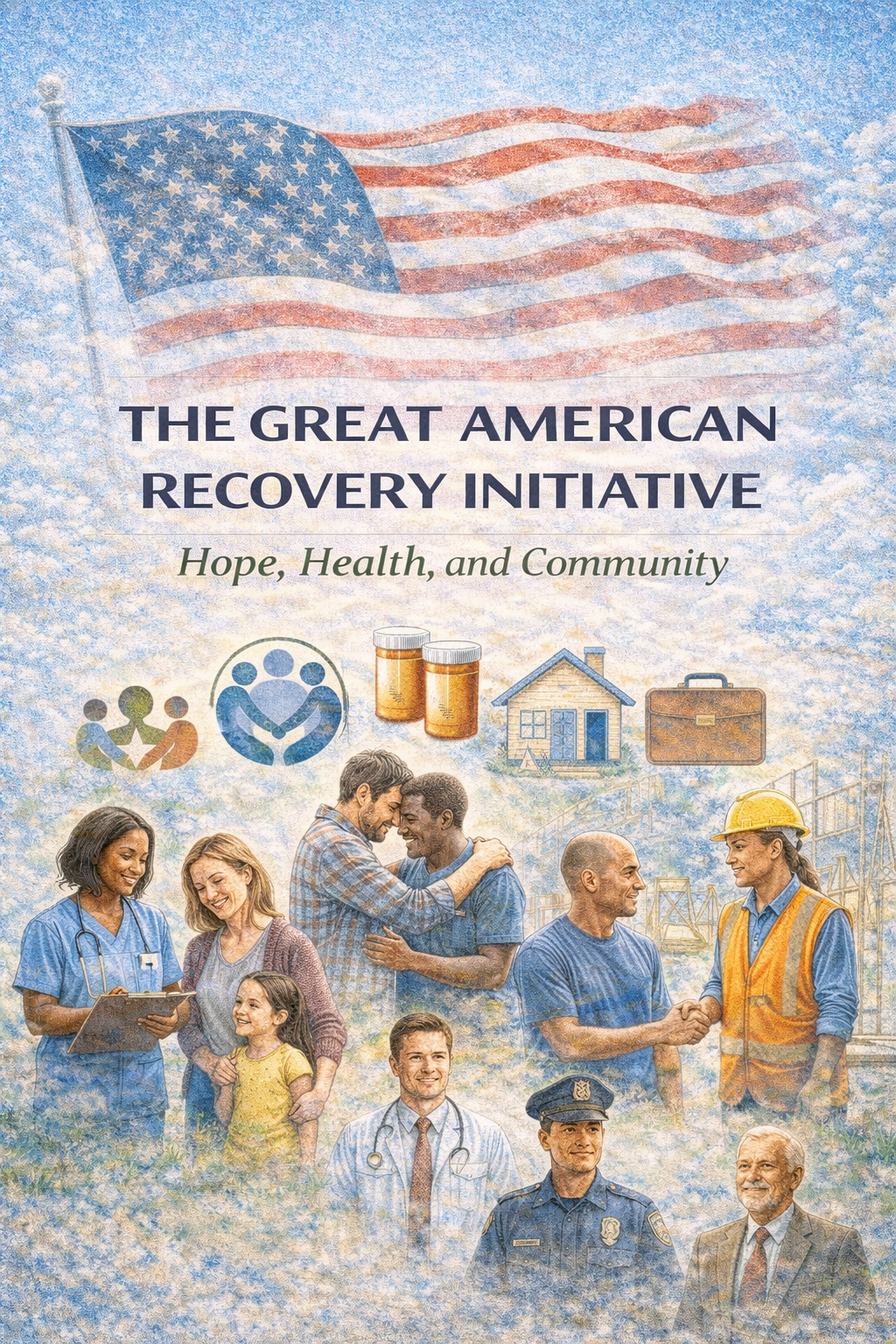
The Great American Recovery Initiative represents a broad, recovery-oriented effort to address addiction as a public health and community issue rather than solely a criminal or individual failing. Its strengths include promoting hope, expanding access to treatment and recovery supports, encouraging cross-system collaboration, and reducing stigma through a long-term recovery framework. At the same time, … Read more

Faith & Recovery for the Homeless

Faith-based addiction programs for the homeless play a significant role in addressing the complex intersection of substance use, homelessness, trauma, and social exclusion. These programs often provide shelter, food, community, and recovery support grounded in spiritual values such as compassion, hope, accountability, and service. For many individuals, faith-based approaches offer meaning, belonging, and moral structure … Read more

Drug Abuse and Illicit Trafficking

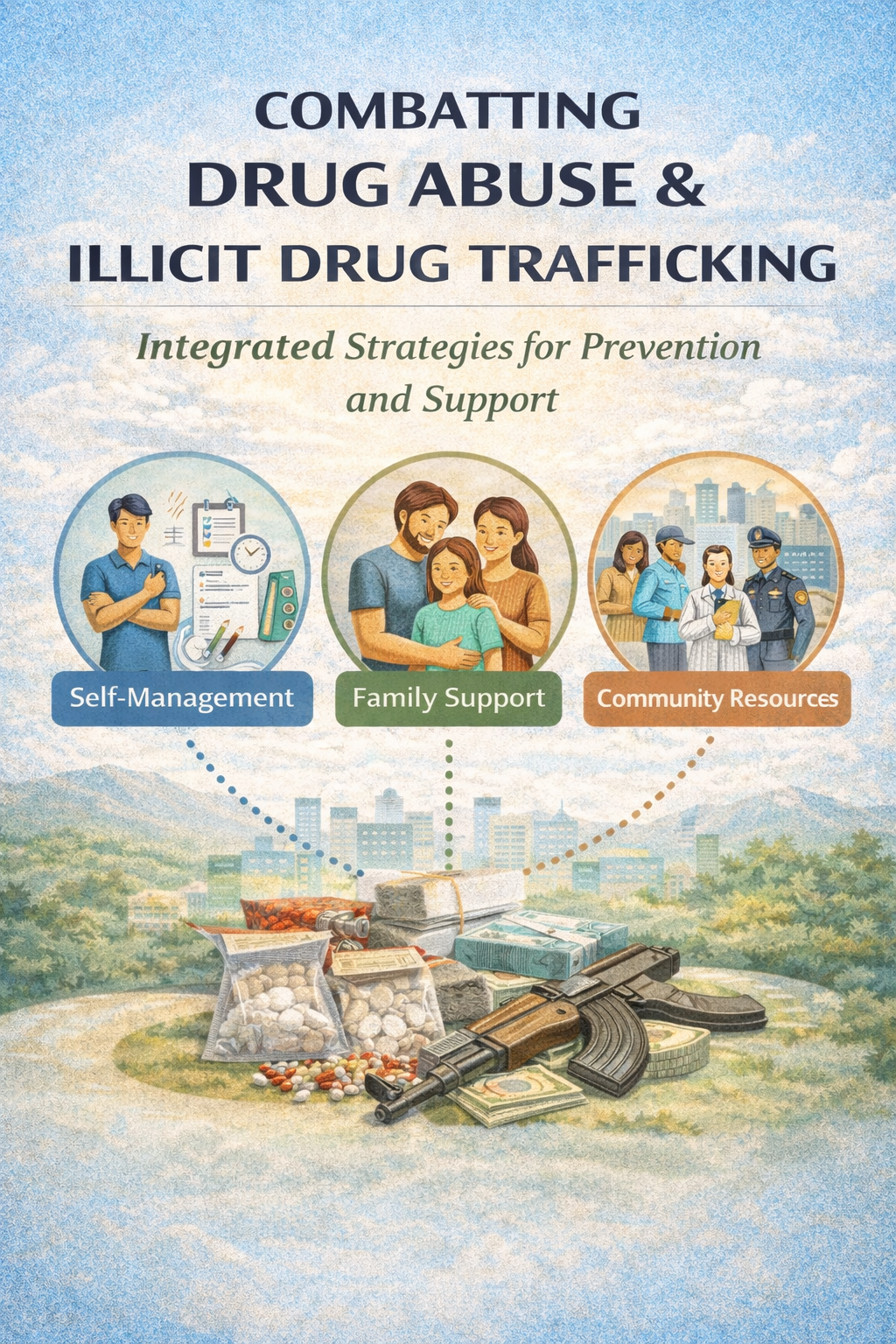
Combatting drug abuse and illicit drug trafficking requires more than enforcement alone—it depends on coordinated efforts at the individual, family, and community levels. Self-management strategies reduce drug demand by strengthening decision-making, emotional regulation, and resistance to substance use. Family support promotes communication, boundaries, and early intervention, while community resources expand prevention, access to treatment, and … Read more

Real-Life Addiction Recovery Tools

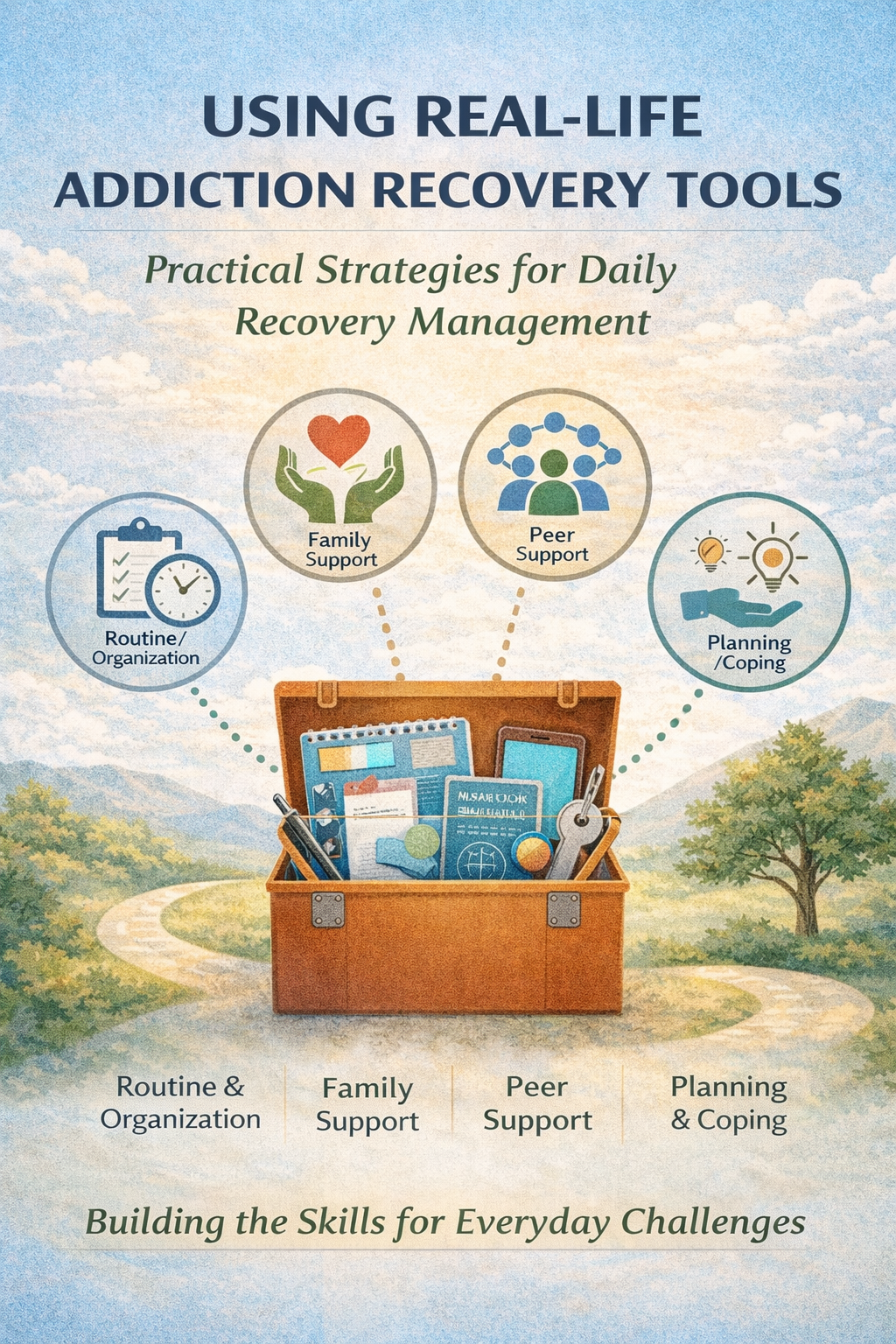
Using real-life addiction recovery tools for management is essential for turning recovery principles into everyday practice. Addiction often disrupts healthy coping, decision-making, and daily structure, making it difficult to manage stress and responsibilities without substances. Real-life recovery tools—such as routines, coping strategies, communication techniques, support systems, and planning tools—help individuals respond effectively to challenges as … Read more

Life Skills in Addiction Recovery

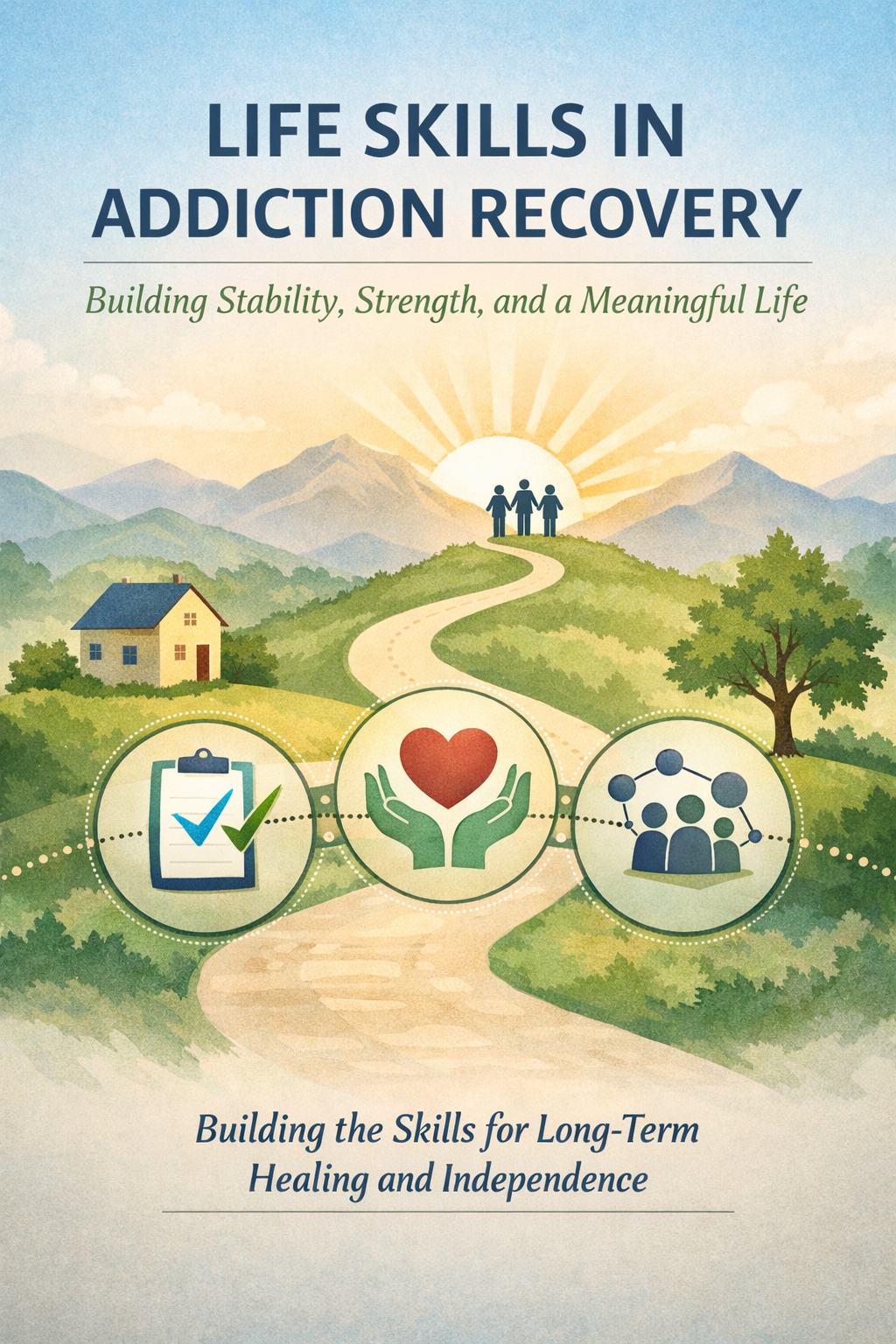
Life skills are a cornerstone of effective addiction recovery, shaping how individuals manage daily challenges, relationships, and long-term goals without returning to substance use. Addiction often disrupts the development or consistent use of essential skills such as emotional regulation, decision-making, communication, and problem-solving. Recovery, therefore, is not only about stopping substance use but about rebuilding … Read more

Facing Disappointment in Recovery

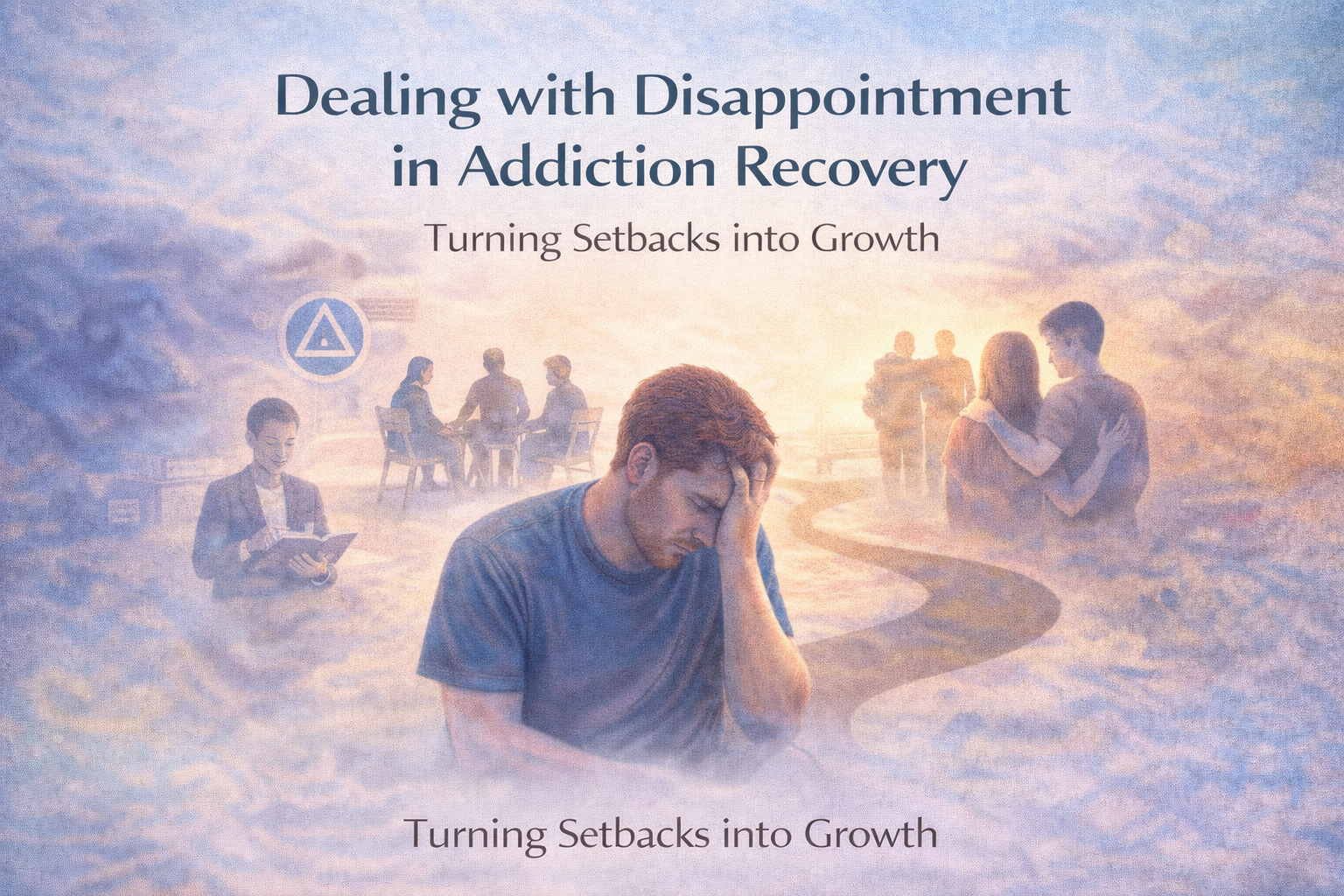
Disappointment is a natural and often painful part of addiction recovery, emerging when progress feels slow, expectations are unmet, or setbacks occur. If not addressed, disappointment can trigger shame, isolation, and relapse risk. Managing disappointment effectively requires more than individual effort—it involves self-management strategies that support emotional regulation, family support that provides understanding and stability, … Read more

Tips for Addiction Sobriety

Addiction sobriety is more than abstaining from substances—it is the ongoing process of building a balanced, stable, and meaningful life. Successful sobriety depends on practical strategies that support emotional regulation, healthy routines, and consistent decision-making. By focusing on daily habits, supportive relationships, and compassionate self-care, individuals can strengthen their recovery and reduce the risk of … Read more