Addiction is one of those topics that almost everyone knows something about, but there are still tons of misunderstandings floating around. Whenever I hear the question, “Can addiction ever be cured?” I know it sparks a lot of hope and a fair bit of confusion. The idea of a complete cure can sound pretty appealing, but the reality is a bit more nuanced. This article is all about breaking down what we know, where the science stands, and what options are actually available if you or someone you care about is struggling with addiction.
Understanding Addiction: More Than Just a Bad Habit
People sometimes boil addiction down to simply having poor self-control or bad habits, but addiction actually goes way deeper. It’s considered a chronic brain disorder by organizations like the American Society of Addiction Medicine and the National Institute on Drug Abuse. This means it affects how your brain works, especially the parts responsible for motivation, reward, and decision-making.
Addiction can show up with substances like alcohol or drugs, but it can also involve behaviors like gambling or gaming. Once it takes hold, it becomes really hard to just “willpower” your way out, and that’s where a lot of stigma comes from. When someone asks if addiction can be cured, it helps to first get a clear sense of what addiction really is and how it impacts the mind and body.
Even before substances or behaviors become problematic, there are usually warning signs—like increased risk-taking or shifting priorities. Recognizing these early moments can sometimes make a huge difference in catching harmful patterns before they take over. Education, support, and self-awareness go a long way in the fight against addiction, so checking out resources can help anyone who wants to learn more.
The Science Behind Addiction: What Happens in the Brain?
The human brain is set up to seek pleasure and avoid pain. Addictive substances and behaviors give a strong rush of pleasure by triggering the release of neurotransmitters like dopamine. Over time, the brain gets used to those boosts and needs more to feel the same. This process rewires reward pathways, making it difficult to feel good in everyday life without whatever the addiction is.
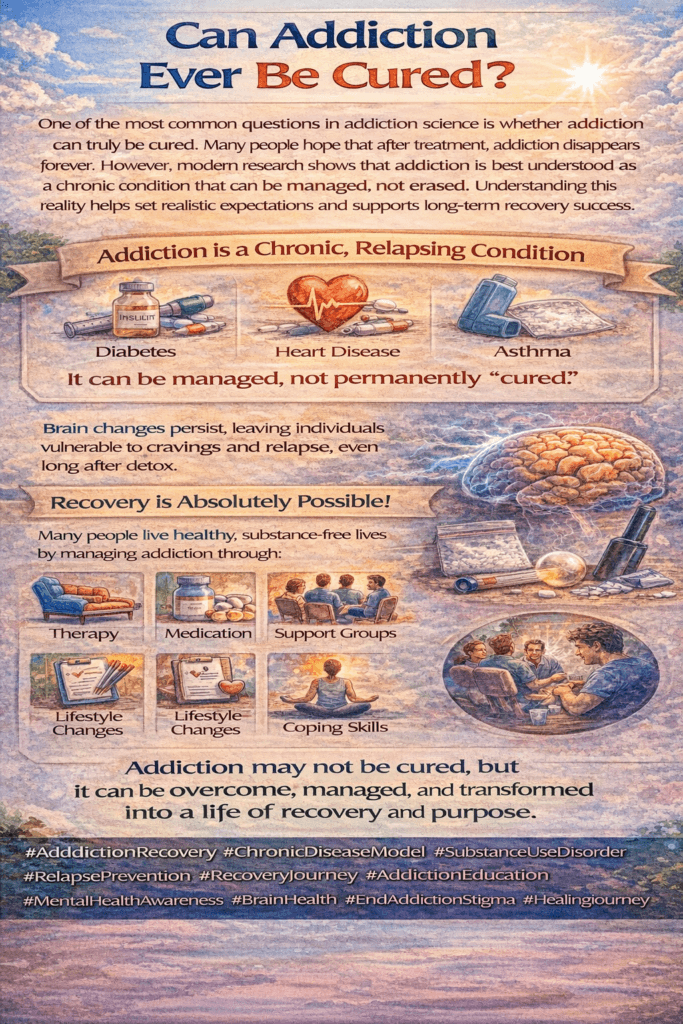
Research confirms that brain circuits involved in self-control, memory, and judgment are all affected. That’s why addiction is often compared to other chronic illnesses, like diabetes or hypertension. It tends to involve cycles of remission and relapse. This is one of the big reasons the question of “cure” gets tricky.
Scientists are still digging into exactly why some brains are more vulnerable than others. Some are looking at genetics, early life experiences, and even how stress literally changes how the brain handles temptation and reward. All these factors make the issue more complex than simply choosing to stop.
Treatment Approaches: What Are the Options?
While addiction may not get “cured” in the traditional sense, lots of people find ways to manage it and go on to live really full lives. Treatment options can be medical, behavioral, or a mix of both. Here are some of the main things that come up in conversations about addiction recovery:
- Detoxification: The first stage focuses on safely removing substances from the body. It usually happens in a clinical setting, especially for alcohol or opioid dependencies.
- Counseling and Therapy: Therapy options such as cognitive behavioral therapy (CBT), contingency management, and motivational interviewing can help people recognize triggers, change thinking patterns, and build new coping skills.
- Medication Assisted Treatment (MAT): Medications can reduce cravings and withdrawal symptoms for alcohol, tobacco, and opioid addiction. Examples include methadone, buprenorphine, and naltrexone.
- Support Groups: Peer-based programs like Alcoholics Anonymous, SMART Recovery, or other local groups play a big role for many people. Sharing experiences helps a lot with motivation and accountability.
Combining options, such as therapy plus medication, often leads to better outcomes. There’s no one-size-fits-all approach, and a treatment that works well for one person might not work for another. That’s why ongoing support and flexibility matter a lot.
Access to treatment and overcoming logistical barriers—such as transportation, cost, and childcare—can be key to ensuring people stay on track with their recovery plans. Integrating family support or work-sponsored resources can also boost the recovery process.
Barriers and Challenges: Why Is It So Hard to Overcome Addiction?
Even with the best treatment, recovery from addiction isn’t always a straight path. There are mental, social, and physical barriers that make things tough:
- Stigma: Negative attitudes and blame can keep people from seeking help or sticking with treatment.
- Co-occurring Disorders: Anxiety, depression, trauma, or other mental health issues often show up alongside addiction. These need to be addressed as part of the recovery process.
- Triggers: Stress, certain environments, and spending time with others who use can all kickstart cravings and relapses.
- Lack of Support: Some people don’t have access to quality healthcare or a supportive social network, which can make recovery harder.
The risk of relapse is real, even after years of being sober. This is pretty normal with chronic conditions. It just means that the treatment plan might need adjusting. It helps to view setbacks as part of the adventure; they’re tough, but are not the end of recovery.
Managing Addiction Over the Long Term
Most experts agree that instead of chasing a complete cure, the focus should be on long-term management. Ongoing care, healthy routines, and strong connections make a huge difference. Here are some things I’ve seen help people stay on track:
- Regular therapy: Even after initial treatment, ongoing sessions provide a place to sort through challenges as they arise.
- Healthy lifestyle habits: Good sleep, balanced nutrition, and physical activity go a surprisingly long way.
- Building community: Whether through group meetings, family, or hobbies, connection helps reduce feelings of isolation.
- Goal setting: Creating positive goals for work, relationships, or personal growth gives motivation beyond just “not using.”
Relapse prevention plans are another thing worth mentioning. These usually involve recognizing early signals that trouble might be brewing, having backup strategies, and knowing who to call when support is needed. Technology, such as text message check-ins or online groups, is becoming more popular as a tool to keep people accountable.
The Role of Genetics, Environment, and Personal Choice
There’s still a lot to learn about why some people become addicted while others in similar situations don’t. Research shows that both genetics and environment matter quite a bit. Some folks might be at greater risk due to family history. Others could be shaped by stress, trauma, or who they spend time with.
Choice is part of the story, especially early on, but after addiction sets in, it becomes much less about willpower and much more about biology and circumstances. Recognizing this helps shift the focus from blame to practical and compassionate solutions.
Schools and workplaces are increasingly emphasizing early education, teaching coping skills before problems arise. Programs that support mental health—alongside addiction education—can make a big difference. Community organizations and faith-based groups are also teaming up to offer more holistic support systems.
Common Questions on Addiction and Recovery
Here are a few questions I hear all the time about addiction being curable or not:
Q: Can anyone recover from addiction?
A: Most people can reach a place of stable recovery, even after years of struggles. It might take a combination of treatments and support, and the process can look different for everyone.
Q: Does addiction ever really “go away”?
A: For most, addiction doesn’t simply vanish. It gets managed with ongoing effort, similar to other chronic illnesses like asthma or high blood pressure.
Q: Is relapse a sign that recovery has failed?
A: Relapse happens and is a normal bump in the road for many. It’s a signal that something in the approach might need to change, not that all progress is lost.
Q: Are there new treatments coming for addiction?
A: Research is ongoing, with promising work in brain stimulation, vaccines, and more targeted medications. Some areas are moving forward faster than others, but there’s a lot of interest and investment in finding better answers.
Q: How do family and friends fit into recovery?
A: Support from loved ones can give a boost to recovery. Education and counseling for families are often just as important as individual treatment for the person struggling. Being patient, encouraging healthy habits, and attending support meetings can all help.
So, Can Addiction Ever Be Cured?
In the most technical sense, addiction isn’t something that gets cured, like you’d cure a cold. It’s a complex health issue that hangs around but can be managed with the right tools and support. Many people who stick with treatment reach a point where addiction stops running their lives. They rebuild relationships, improve their health, and move toward new goals. The path isn’t easy or always straightforward, but hope and progress are always possible with the right approach.
If you or someone you know is struggling, reaching out for help can be the first step to lasting change. Many organizations, hotlines, and healthcare professionals are ready to help. Recovery may not be a quick fix, but it is something people achieve every day.
Video: Can Addiction Ever Be Cured