Addiction sparks a lot of debate, especially around the big question: are addicts born or created? Some people point to genetics and family history, while others talk about tough life circumstances, trauma, or risky environments. After years of reading, chatting with people in recovery, and keeping up with new research, I find this topic both complicated and easy to relate to. Here’s my take on what actually drives addiction, blending science with the real stories I’ve come across.
Understanding Addiction: Beyond the Stereotypes
Addiction gets thrown around in a lot of different settings, but it basically means a repeated involvement with a substance or behavior despite negative outcomes. Think drugs, alcohol, gambling, gaming, or even food. The big myth that only “certain types” become addicted didn’t really hold up in my experience; it cuts across backgrounds, ages, and lifestyles. Seeing things up close, you realize that addiction is much more than just “bad choices.”
Officially, the Diagnostic and Statistical Manual of Mental Disorders (DSM-5) lists criteria like increased tolerance, withdrawal, attempts to quit, and negative effects on life. The World Health Organization supports this, calling addiction a chronic disease with both psychological and physical factors. This points to causes that go far beyond just willpower.
The Role of Genetics: Are Some People More Likely to Become Addicted?
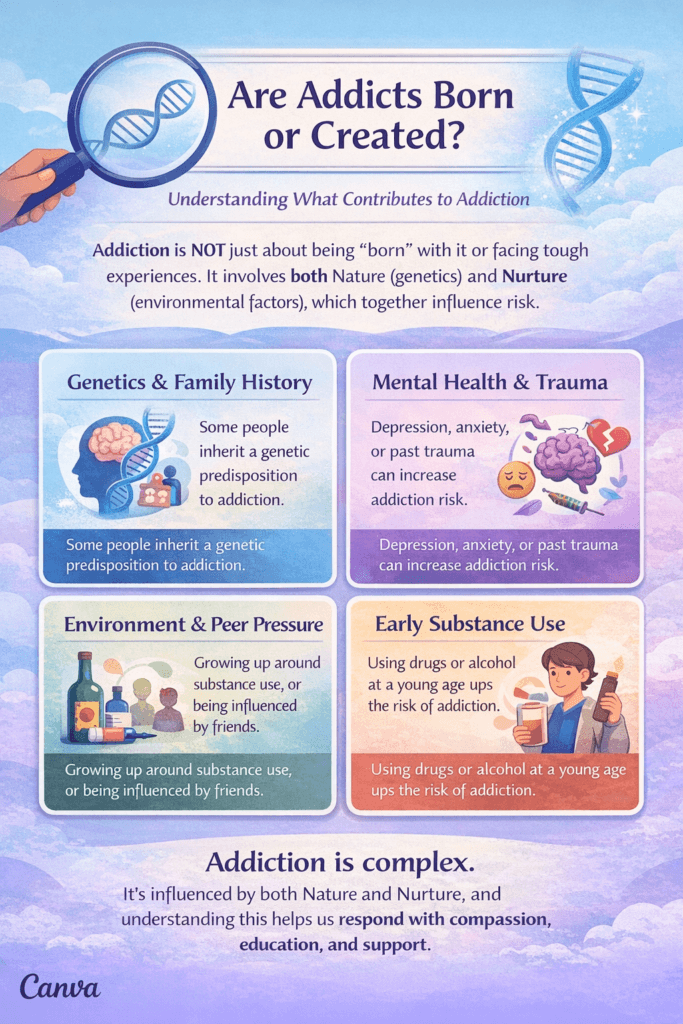
Genetic influences definitely play a part in addiction risk. I’ve met folks whose families have long histories with alcohol issues, and science backs their stories. Studies show that genes account for about 40% to 60% of a person’s risk for addiction (source). Genes affect how our brains respond to rewards, stress, and even how quickly we process drugs or alcohol.
Some people have genetic variations (like in the DRD2 gene, which is linked to dopamine receptors) that make them more prone to seeking out substances or behaviors that trigger pleasure. But genes alone don’t decide everything; most people with a family history never become addicted if environmental factors aren’t in play.
- Family History: Kids with addicted parents are at higher risk, even if raised apart, but it’s not a guarantee.
- Brain Chemistry: Differences in how brains handle reward and impulse control can make certain people more vulnerable.
- Mental Health: Genes linked to depression, anxiety, and ADHD also overlap with addiction risk.
Environmental Triggers and Life Circumstances
While genetics is influential, I’ve seen just as many cases where environment tips the scale. Trauma (like abuse or neglect), high stress, or growing up around substance use all shape how someone might end up struggling with addiction.
- Early Exposure: Teens who try drugs or alcohol early are more likely to get addicted later.
- Peer Influence: Friends and social circles can nudge someone toward, or away from, risky behaviors.
- Stress and Trauma: Tough life events or ongoing stress raise the odds of using substances as a coping tool.
I once talked with a teacher who noticed more substance issues among students in high-stress, unstable homes compared to more supportive ones. This pattern is seen in plenty of studies, too; the more protective factors someone has (positive role models, supportive communities, healthy outlets), the lower their risk for addiction. Access to substances is a huge factor too; in places where drugs are easy to get, addiction rates usually climb.
The community aspect of addiction risk is powerful. Schools and neighborhoods with supportive mentors, activities, and resources tend to have lower substance abuse issues. Social support doesn’t just offer guidance—it can literally change a person’s life direction.
Nature and Nurture: How They Mix Together
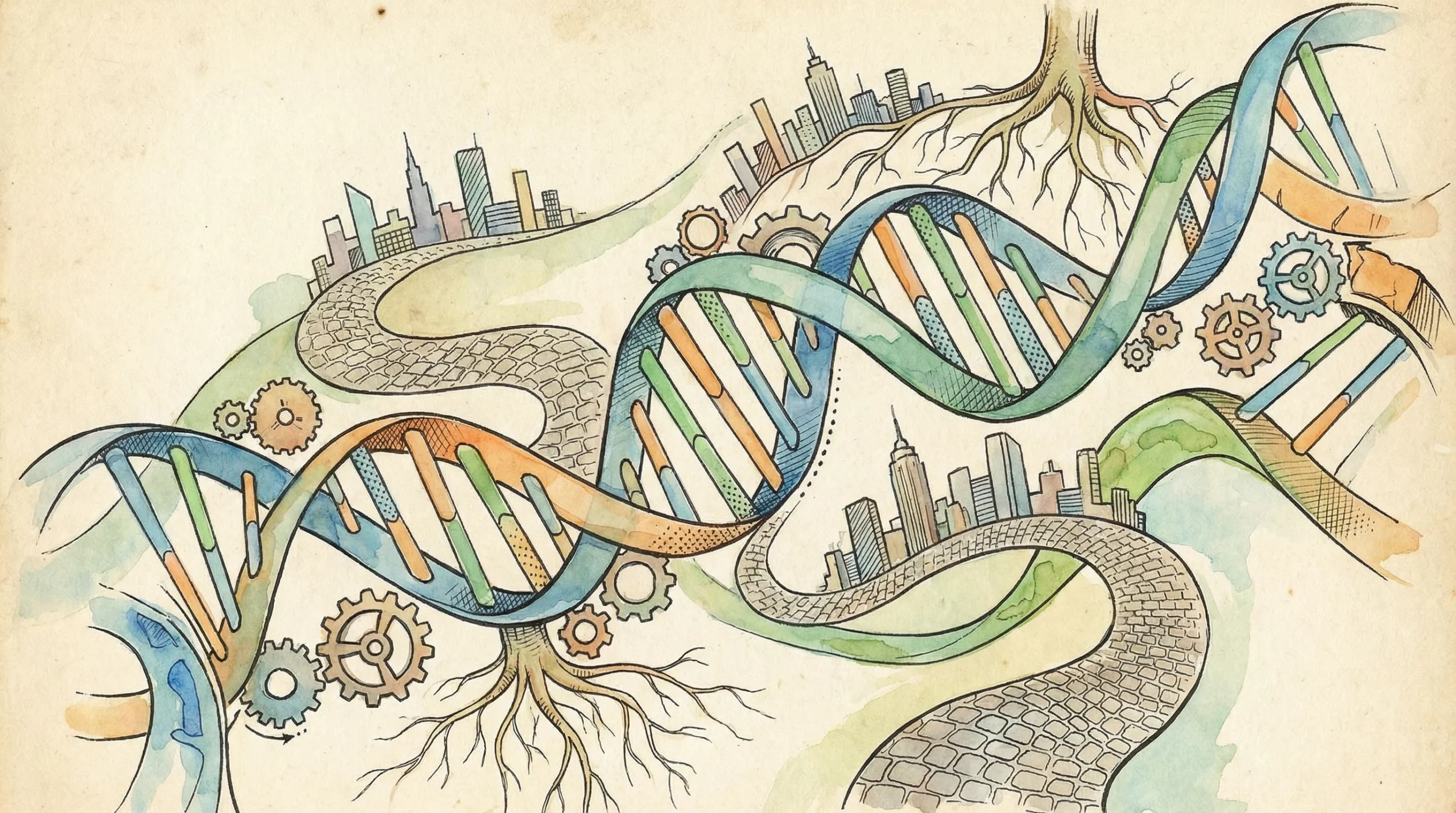
Saying someone is born an addict or that they’re “made” isn’t the whole story. It’s almost always a mix—a genetic vulnerability paired with environmental stressors or opportunities. I’ve met siblings raised side by side: one develops an addiction, while the other doesn’t. In these families, the blend of genes and environment is pretty easy to spot.
Recent research talks a lot about epigenetics; trauma or substance use actually changes how genes work, sometimes even getting passed down generations. So, stressful environments might “activate” genetic risks that would otherwise have remained hidden. Positive changes, like therapy or a healthy lifestyle, may even reduce these risks over time. Scientists now look at how genes “turn on and off” in response to the environment, making the picture even more complex.
Signs That Someone Might Be at Higher Risk for Addiction
Spotting these risk factors doesn’t mean someone will definitely become addicted, but it does help with early intervention or support. Here are some things worth watching for:
- Strong family history of addiction
- Early experimentation with drugs or alcohol
- History of trauma, neglect, or ongoing stress
- Co-occurring mental health issues (like anxiety, depression, PTSD)
- Lack of stable social support or role models
Other warning signs might include sudden changes in social groups, pulling away from activities once enjoyed, or dramatic mood swings. Being aware of these helps families and friends step in sooner and offer support before substance use becomes a bigger issue.
Common Misunderstandings About Addiction
After hearing so many opinions and reading a bunch of forums, a few beliefs come up often, and just aren’t true:
- “Addiction is a choice.” While the initial use is voluntary, changes in the brain can quickly take control, making it super hard to stop even if someone desperately wants to.
- “Only certain drugs are addictive.” Many things, including gambling and social media, have shown addiction-like effects in brain studies.
- “People just need more willpower.” Brain chemistry, environment, and genetics all play a part, so it’s rarely about willpower alone.
Groups like the National Institute on Drug Abuse point out that successful recovery usually involves a mix of support, treatment, medication, and lifestyle changes—not just “trying harder.” Compassion and education go a lot further than guilt or blame.
Ways to Lower the Risk of Addiction
Whenever I discuss this with families or friends worried about addiction, a few practical steps come up that really help lower the odds:
- Open communication about substance use and mental health at home
- Providing safe spaces for stress and emotional processing
- Healthy outlets—sports, art, social clubs, or volunteering
- Seeking counseling or therapy early when warning signs appear
Communities that offer activities and support groups (like after-school programs or peer mentors) make a world of difference. If someone already has a family history, there’s nothing wrong with being a bit extra cautious and well-informed. Prevention isn’t just about “saying no” to substances. It’s about providing people with real tools and choices when life gets tough.
Parents and caregivers play a huge role. Model healthy coping mechanisms, have honest conversations, and be involved without being judgmental. It’s rarely easy, but showing consistent care and concern makes a bigger difference than most people realize.
Real People and Their Stories
I’ve talked to plenty of people in recovery groups. Some felt “pulled” toward substances or risky behaviors as far back as they can remember, while others only started using after big life events (grief, divorce, job loss). A few talked about growing up around addiction but actively choosing another path, especially when teachers or friends stepped in to help.
One story that stands out is a friend who grew up with a high genetic risk. She credits staying substance-free to school counselors and a sports coach who gave her a sense of purpose. On the flip side, I’ve seen people with no family history struggle after tough life events and little support. Hearing these stories makes it clear how personal each path is, and why both prevention and support are so important.
In recovery meetings, I often hear how different the root causes can be—everything from untreated depression to social isolation. Each story is unique, highlighting that there’s no one-size-fits-all solution. This makes early support and empathy even more critical.
Frequently Asked Questions
Here are some questions I hear most often when talking about addiction risk:
Question: Can you predict who will become addicted?
Answer: Not really. You can spot risk factors, but predicting who will develop an addiction and who won’t is nearly impossible. Early support can make a huge difference, though.
Question: Does having parents with addiction problems mean it will happen to me?
Answer: Not at all. Family history raises risk, but plenty of people with genetic risk never become addicted, especially if they’re in healthy environments and learn positive coping skills.
Question: Is it possible for someone to develop an addiction even with no family history?
Answer: Yes, for sure. Environmental factors like trauma or ongoing stress can lead to addiction in people with no genetic risk. It really is about the full picture, not just genes.
Question: How can I best support someone struggling with addiction?
Answer: Listening without judgment, encouraging professional help, and being patient make a big impact. Recovery looks different for everyone, so ongoing support really matters.
Taking a Balanced Approach to Addiction Prevention and Support
Framing addiction as purely genetic or purely based on circumstances leaves out too much. Genes make some people more vulnerable, but environment, life choices, and mental health carry equal weight. Early understanding and support, whether in schools, families, or communities, make a real difference in helping people avoid or heal from addiction.
If you or someone you care about could use help, organizations like SAMHSA and NAMI offer a ton of free resources. There’s no single path into or out of addiction, and everyone’s story is worth listening to and learning from.
Video: Are Addicts Born or Created