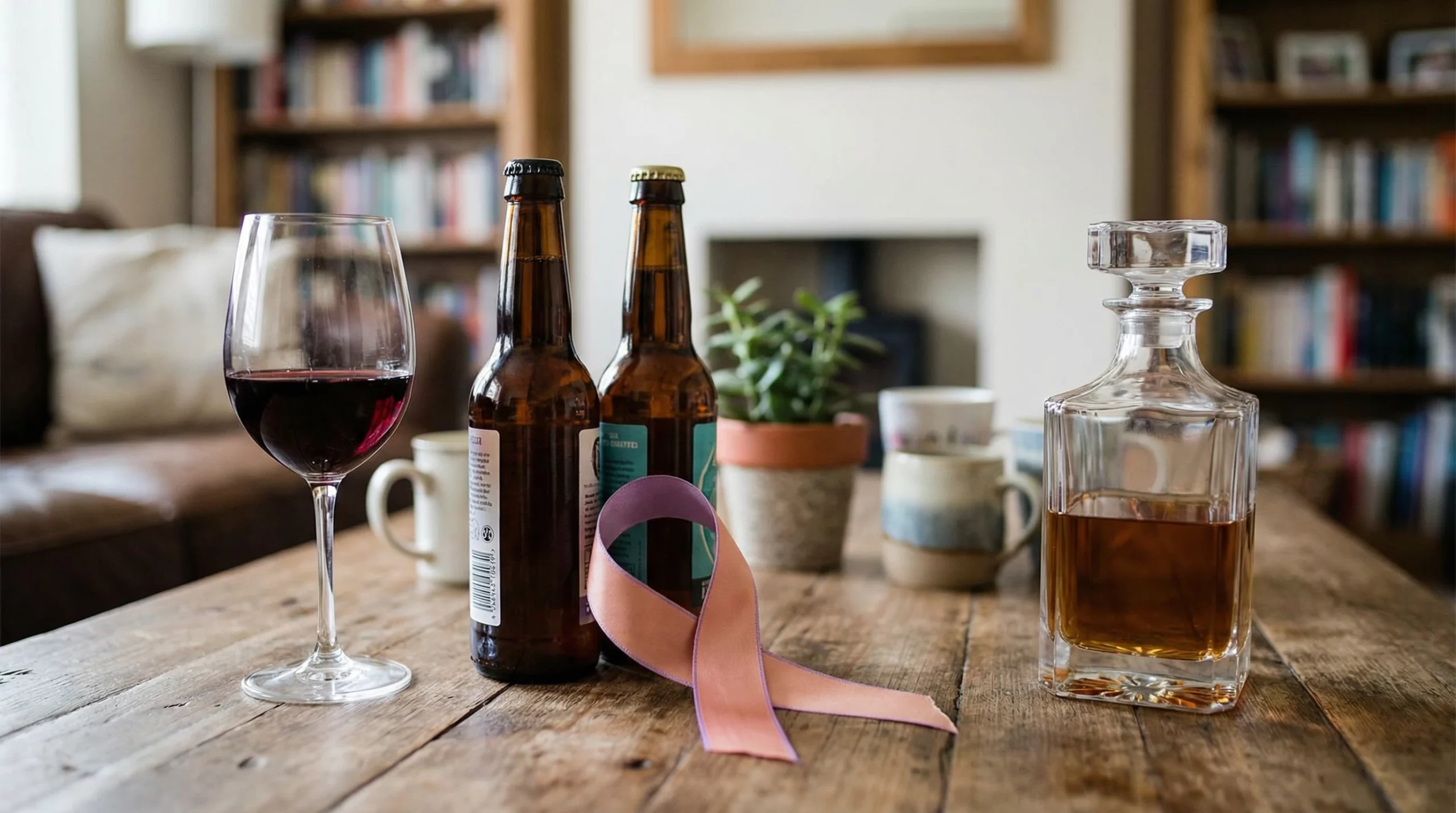
Alcohol is a familiar part of many social activities, but it comes with some risks people sometimes overlook. One topic that deserves more attention is how drinking alcohol is linked to cancer. Knowing what science says about this connection can help you make more informed choices about your own habits and health. Here’s a practical guide to how alcohol affects cancer risk, the current research, and some pointers on cutting back if you want to lower your risk.
How Alcohol Impacts Cancer Risk: What to Know
Doctors and researchers have been looking at how alcohol relates to different health conditions for decades, and cancer is one of the areas where the risks are clear. Even small amounts of alcohol can change the way your body processes DNA and repairs damaged cells. Although not everyone who drinks will get cancer, the risk does go up depending on how much you drink and for how long.
Some of the most common cancers linked with alcohol include:
- Breast cancer: Even low levels of drinking raise the risk, especially for women.
- Mouth, throat, and esophagus cancer: Alcohol passes directly over these tissues, raising their cancer risk quite a bit.
- Liver cancer: Your liver processes alcohol, which can damage it over time and lead to cell changes.
- Colon and rectal cancer: Research shows a clear link between drinking and cancers in the lower digestive system.
A report from the World Health Organization estimates that alcohol plays a part in about 4% of new cancer cases worldwide. Cutting back on drinking helps reduce this risk. You won’t erase it completely if you’ve already had a drink. The sooner you scale down, the better for your long-term health.
For example, a recent review published in The Lancet found that even moderate alcohol use, like a glass of wine or beer daily, led to a measurable increase in cancer risk compared to no alcohol use at all. It might sound discouraging, but it means any reduction in how much you drink starts helping right away. This is especially important because many people underestimate how much alcohol they consume in a typical week, particularly during social events or celebrations.
Understanding the Science Behind Alcohol and Cancer
It’s not just one thing about alcohol that increases cancer risk. It happens in a few different ways. Here are some of the major reasons scientists say alcohol can lead to cancer:
- Acetaldehyde buildup: When you drink alcohol, your body breaks it down into a chemical called acetaldehyde. This chemical can damage DNA and prevent cells from repairing themselves properly.
- Hormone changes: Alcohol can raise estrogen levels, which is especially important when it comes to breast cancer risk. Higher estrogen levels can stimulate the growth of certain types of cancer cells.
- Oxidative stress: Drinking alcohol makes your cells more likely to experience oxidative stress, increasing their susceptibility to mutations.
- Weakened immune response: Alcohol slows down the immune system, making it less able to recognize and destroy potential cancer cells.
There’s also research linking alcohol to making the lining of certain tissues more sensitive to other cancer-causing substances in your environment. For instance, if you also use tobacco, your risk isn’t just doubled; it jumps by much more because these chemicals work together in harmful ways.
Everybody is a little different, so not everyone will react in the same way. Some people have genetic differences that make them break down alcohol more slowly, which means they’re exposed to those harmful chemicals for longer. That’s something to keep in mind if cancer runs in your family or if you don’t feel great after even a small drink.
Quick Guide: Lowering Your Cancer Risk if You Drink
It’s not always realistic to cut out alcohol completely, but even lowering your intake can help reduce the risk of cancer. If you want a practical way to start protecting yourself, here are some tips that can make a real difference:
- Count your drinks: Get an honest sense of how much you’re actually drinking every week.
- Set small goals: Start slow by choosing more “alcoholfree” days or swapping out a drink for a nonalcoholic option.
- Watch for hidden alcohol: Beverages like sangria, hard seltzers, and even cooking sauces can add to your intake without you thinking about it.
- Talk about it: Share your goals with friends or family; they might even join you, making social outings a bit healthier.
- Check in with your doctor: They can help you determine whether your risk is higher based on your family history or other health factors.
You don’t have to make huge changes overnight. Small switches over time can make a real difference to your risk and overall health.
Main Things to Think About With Alcohol and Cancer
There are some common challenges and myths about alcohol and its link with cancer. Here are a few things to watch for, with some real-life advice on managing them:
- “Moderate” drinking is still a risk: Even drinking daily at low levels increases cancer risk. There’s no completely “safe” amount when it comes to cancer.
- Mixing with tobacco: Smoking and drinking together multiply the risk of mouth, throat, and esophagus cancers way more than either does alone.
- Health benefits get overstated: Sometimes, news stories suggest that drinking wine or other alcohol is good for the heart, but those benefits don’t outweigh the increased cancer risk for most people.
- Family and culture: Social pressure or tradition can make it tough to scale back. Planning ahead or having a strategy can help you stick to your goals even at family gatherings or celebrations.
Moderate Drinking: What It Actually Means
A “standard drink” is usually defined as:
- 12 ounces of beer (about one regular can or bottle)
- 5 ounces of wine
- 1.5 ounces of distilled spirits (like whiskey, vodka, or rum)
If you choose to drink, experts typically suggest no more than one drink per day for women and two for men. Even staying under this doesn’t make the risk disappear, but it helps keep it lower. People with a family history of cancer or other high-risk issues might want to go even lower.
The Extra Danger When Alcohol and Tobacco Mix
If you drink and smoke (or use tobacco in any way), the combined effect on cancer risk is much higher than either one alone. That’s because both substances irritate cells and leave them more open to damage and mutation. If you’re thinking about quitting or cutting down, focusing on both at once can yield a bigger payoff for your long-term health.
Smart Habits and Encouraging Examples
People often find it helps to have some practical tools and real-world examples for cutting back on drinking. Here are a few things that can help:
- Track alcoholfree days: Apps and simple calendars make it easier to see progress and stay motivated.
- Read nutrition labels: Some drinks, especially cocktails and premixed drinks, can hide more alcohol than you expect.
- Social swaps: If your friends or family challenge you about not drinking, suggesting a new group activity or location (like coffee instead of happy hour) can take the pressure off.
- Stories from others: Many people now share their sober or “damp” adventures on blogs, podcasts, or social media. These can be surprisingly motivating and normalizing.
Another helpful habit is to prepare for tricky situations ahead of time. Think about moments when you’re likely to drink more, like parties or stressful days. If you can plan ahead for what you’ll do or say—like bringing your own nonalcoholic drink or offering to be the designated driver—it makes it easier to avoid extra drinks without awkwardness. Support groups, whether online or in person, provide encouragement and remind you that you’re not alone in making changes.
The Basics: Why Knowing About Alcohol and Cancer Matters
Knowing the link between alcohol and cancer gives you more power to make choices that work for your body and your life. If you want to lower your risk of cancer, consistently drinking less is effective over time.
Knowing the facts can even help with tough conversations, like explaining to a loved one why you’re turning down a drink, or opening up with your doctor about your health. Studies from trusted sources like the American Cancer Society and Cancer Research UK keep showing that lowering alcohol intake is one of the more controllable ways to reduce cancer risk, especially if you’re also making other positive lifestyle changes.
- Knowledge is protective: Staying well-informed is a big step toward making choices that support your health.
- Resources are available: Hotlines, support groups, and your family doctor can all offer help if you’re trying to cut back.
- Everyone’s adventure is different: There’s no single “best way” to lower your risk, but being mindful about how much and how often you drink is a solid place to start.
Frequently Asked Questions
People have lots of questions about alcohol and cancer. Here are a few that come up most often:
Question: If I don’t drink every day, am I at risk?
Answer: Even irregular or occasional drinking can raise your risk for some cancers, especially if you have other risk factors.
Question: Does the type of alcohol matter?
Answer: No matter if it’s beer, wine, or liquor, all types of alcohol raise cancer risk in similar ways. The key factor is how much pure alcohol you’re drinking overall.
Question: If I stop drinking, does my cancer risk go back down?
Answer: The risk starts to lower once you stop drinking. The benefit grows the longer you stay alcoholfree. Some risks, like certain head and neck cancers, can drop quite a bit after a few years of not drinking.
Final Thoughts
Learning how alcohol affects cancer risk is really important for making choices that support your health and wellbeing. Even small changes, like cutting back on the number of drinks each week, swapping high-alcohol drinks for low- or no-alcohol options, and finding supportive friends or groups, can make a real difference. If you ever feel unsure, reach out to your doctor; they can provide personalized advice that fits your story. It’s your body, so having the knowledge and confidence to care for it is a super useful tool.
Video: How Alcohol Rewires Your Cancer Risk #shorts #health #prevention
