Alcohol addiction among athletes is a growing but often overlooked concern. While athletes are typically associated with discipline, physical health, and peak performance, the intense pressures of competition, injury recovery, public expectations, and team social culture can increase vulnerability to alcohol misuse. When drinking becomes a primary coping strategy for stress, disappointment, or celebration, the risk of addiction rises. Preventing alcohol addiction in athletic populations requires more than individual willpower. Effective prevention depends on self-management skills that build emotional regulation, family support systems that promote stability and open communication, and community resource strategies that provide education, mental health services, and healthy social environments. Together, these layers of support create a protective network that strengthens both performance and long-term well-being.
Alcohol Addiction: A Hidden Struggle Among Athletes
When High Performance Meets High Risk
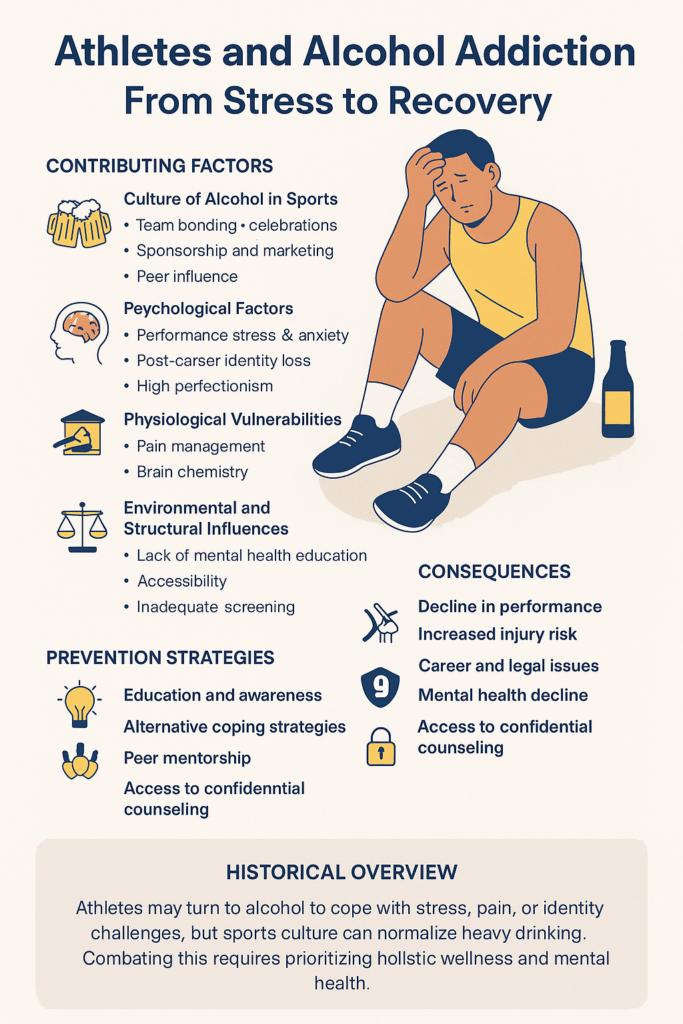
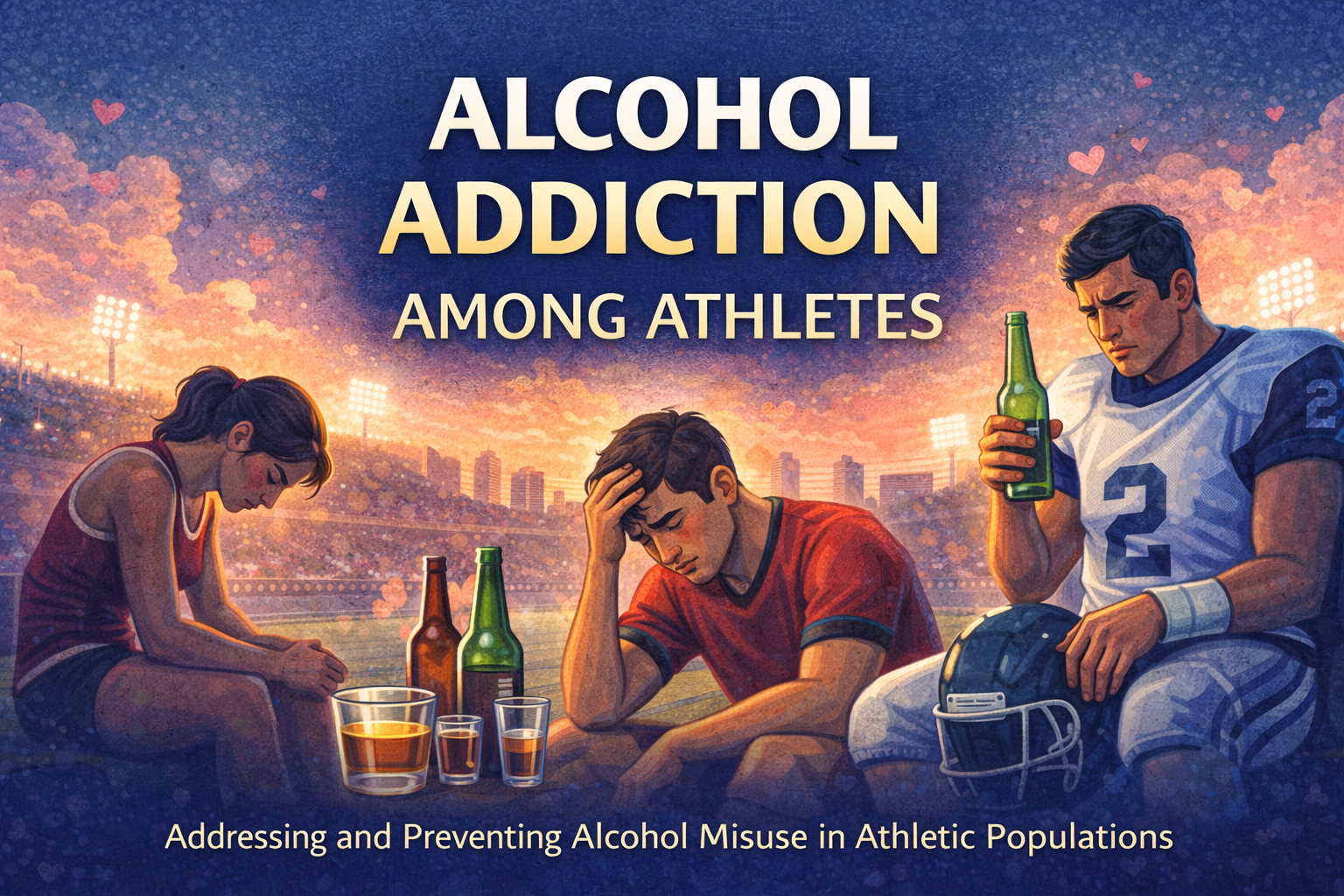
Athletes are often seen as symbols of strength, discipline, and peak physical health. Yet behind the scenes, many struggle with alcohol misuse and addiction. The culture of competitive sports can unintentionally normalize heavy drinking through celebration rituals, stress relief habits, injury coping, and social bonding. Over time, alcohol use can shift from casual behavior to dependency, affecting performance, mental health, relationships, and long-term well-being. Understanding why alcohol addiction is prevalent among athletes is essential for early intervention and effective recovery support.
Why Athletes Are at Higher Risk
Performance Pressure
Athletes face intense expectations from coaches, fans, sponsors, and themselves. Alcohol is sometimes used to manage anxiety, disappointment, or post-competition emotional crashes.
Injury and Chronic Pain
Physical injuries are common in sports. Some athletes use alcohol to cope with pain, sleep problems, or frustration during recovery periods.
Team Culture and Social Norms
Celebratory drinking, hazing rituals, and team bonding often revolve around alcohol, making heavy use socially reinforced rather than questioned.
Identity and Transition Stress
Retirement from sports, loss of scholarships, or career-ending injuries can lead to identity crises, increasing vulnerability to substance misuse.
Mental Health Challenges
Depression, anxiety, trauma, and perfectionism are prevalent in competitive sports and may contribute to self-medication through alcohol.
Consequences of Alcohol Addiction in Athletes
Alcohol misuse impairs reaction time, coordination, sleep quality, muscle recovery, hydration, and cognitive focus. Long-term addiction increases risks of liver damage, heart problems, mood disorders, and strained relationships. Professionally, it can result in lost scholarships, suspensions, legal issues, and career termination.
Recognizing Warning Signs
• Drinking more frequently or in larger amounts
• Using alcohol to manage stress or emotions
• Declining athletic performance
• Missing practices or commitments
• Relationship conflicts
• Secrecy or defensiveness about drinking
Early recognition allows intervention before addiction becomes severe.
Treatment and Recovery
Successful recovery often includes:
Clinical counseling and addiction therapy
Mental health treatment for underlying anxiety or depression
Peer support groups
Lifestyle restructuring and stress-management training
Holistic wellness practices such as mindfulness, exercise planning, and nutrition support
Recovery programs designed specifically for athletes can address identity rebuilding and performance-related stress.
Breaking the Silence
Alcohol addiction in athletes remains under-discussed due to stigma and fear of career consequences. Creating open conversations, mental health education, and supportive coaching environments helps reduce risk and promote early help-seeking.
Final Thought
Athletic strength does not make someone immune to addiction. When athletes receive compassionate, evidence-based support, they can recover, restore performance, and build healthier lives beyond the playing field.
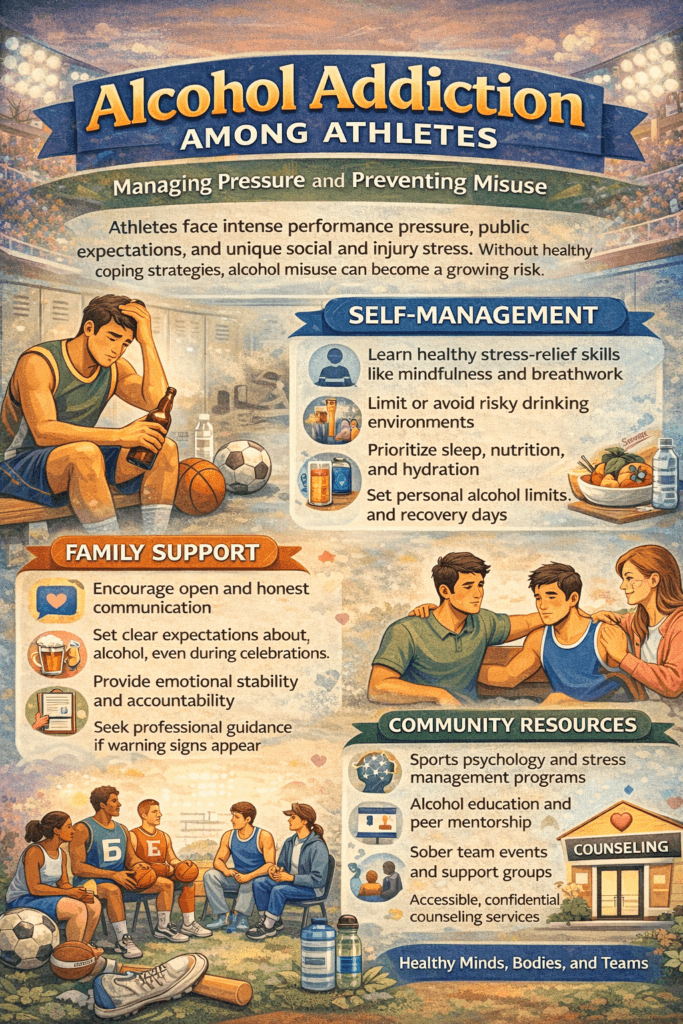
Self-Management Strategies to Prevent Alcohol Addiction Among Athletes
Protecting Performance, Health, and Long-Term Well-Being
Athletes face unique pressures that can increase vulnerability to alcohol misuse — performance expectations, injury recovery, team social culture, and transition stress. Self-management strategies help athletes maintain control, build resilience, and prevent alcohol use from becoming a coping mechanism.
1. Develop Healthy Stress-Relief Skills
Competitive sports generate high physical and mental stress. Replace alcohol-based coping with:
Mindfulness or breathing exercises
Stretching and recovery routines
Listening to music or journaling
Talking with trusted teammates or mentors
Learning to regulate stress naturally reduces reliance on alcohol.
2. Set Personal Drinking Boundaries
Define clear rules such as:
No alcohol during training season
Limit drinks per occasion
Avoid drinking alone
Schedule alcohol-free recovery days
Pre-planned limits prevent impulsive overuse.
3. Prioritize Sleep and Recovery
Alcohol disrupts sleep cycles and muscle repair. Building strong sleep hygiene protects performance and reduces cravings for relaxation substances.
4. Monitor Emotional Triggers
Track situations that prompt drinking — losses, injuries, criticism, or celebrations. Awareness allows proactive coping before turning to alcohol.
5. Maintain Balanced Nutrition
Stable blood sugar and hydration reduce mood swings and impulsive decisions. Proper fueling supports mental clarity and discipline.
6. Strengthen Athletic Identity Beyond Sport
Explore hobbies, education, or community service. A well-rounded identity prevents collapse into substance use during setbacks or retirement transitions.
7. Build Accountability Systems
Partner with teammates who support healthy choices. Share goals with coaches, trainers, or wellness staff.
8. Limit Exposure to High-Risk Environments
Avoid parties or settings centered on heavy drinking during vulnerable periods such as injury recovery or season breaks.
9. Practice Self-Reflection
Regular journaling or mental-performance coaching helps athletes evaluate habits honestly and adjust early.
10. Seek Early Support When Needed
Speaking with sports psychologists, counselors, or peer mentors at the first signs of stress prevents escalation.
Family Support Strategies to Prevent Alcohol Addiction Among Athletes
Strengthening the Home Environment for Healthy Performance
Athletes rely heavily on family systems for emotional stability, identity development, and stress management. When families provide strong support, clear expectations, and healthy coping models, athletes are less likely to turn to alcohol as a way to manage pressure, injury stress, or social influence.
1. Promote Open Communication
Encourage honest conversations about stress, pressure to perform, wins, and losses. When athletes feel safe discussing emotions, they are less likely to self-medicate with alcohol.
2. Model Healthy Coping Behaviors
Families who manage stress through exercise, hobbies, or problem-solving — rather than alcohol — set powerful behavioral examples.
3. Set Clear Expectations About Alcohol
Discuss family values and boundaries regarding underage drinking, binge drinking, and post-game celebrations. Clear expectations reduce confusion and the impact of peer pressure.
4. Support Balanced Identity Development
Encourage interests outside sports, such as academics, music, volunteering, or friendships. A well-rounded identity protects athletes from emotional collapse during setbacks.
5. Recognize Early Warning Signs
Watch for changes in mood, secrecy, declining performance, or increased partying. Early, non-judgmental conversations can prevent escalation.
6. Encourage Healthy Recovery Routines
Support proper sleep, nutrition, hydration, and downtime — all of which reduce stress vulnerability and emotional burnout.
7. Stay Involved Without Over-Pressuring
Offer encouragement without tying self-worth solely to performance outcomes. Emotional security reduces anxiety-driven coping behaviors.
8. Educate the Family About Addiction Risk
Learning about alcohol misuse risk in athletic culture helps families intervene early and effectively.
9. Provide Emotional Support During Injuries
Injury downtime increases addiction vulnerability. Regular check-ins and positive reassurance help athletes stay grounded.
10. Seek Professional Guidance When Needed
Family therapy or sports counseling can strengthen communication and prevention strategies before problems develop.
Final Thought
Athletes perform best when they feel supported, understood, and emotionally secure. Strong family connection and healthy communication form a protective shield against alcohol misuse — preserving both athletic success and long-term well-being.
Community Resource Strategies to Prevent Alcohol Addiction Among Athletes
Building Supportive Environments Beyond the Playing Field
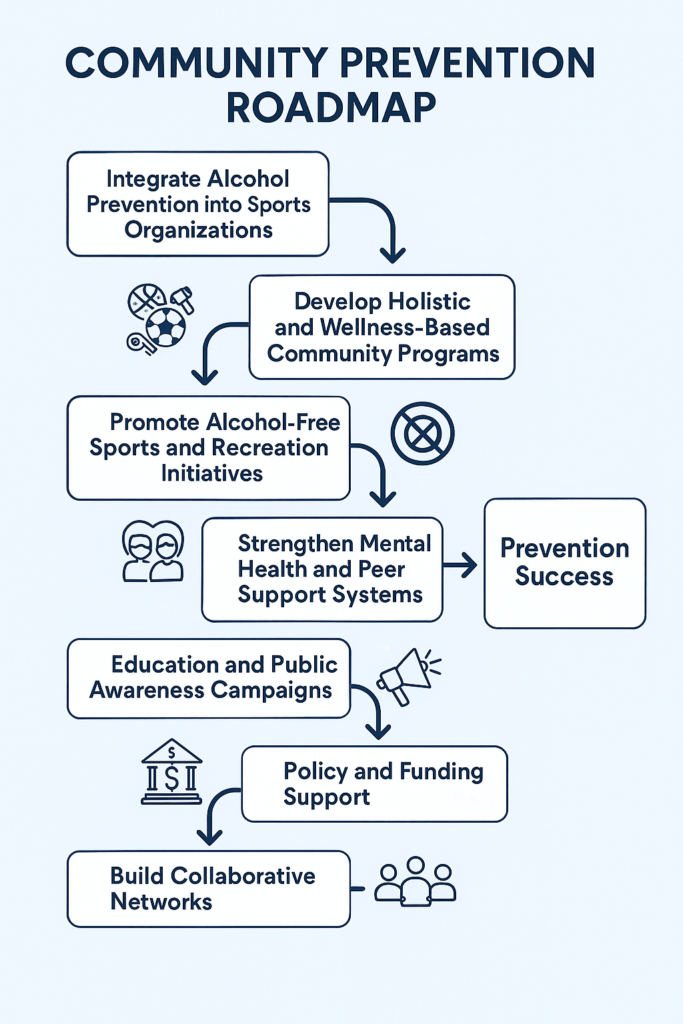
Athletes do not train in isolation — they live, study, and socialize within communities that shape behavior and norms. Community-based resources play a powerful role in preventing alcohol misuse by providing education, mentorship, safe social spaces, and mental health support that reinforce healthy athletic lifestyles.
1. Athletic Wellness and Mental Health Programs
Schools, colleges, and sports organizations can provide:
Sports psychology services
Stress-management workshops
Performance-mental skills coaching
Burnout and injury-coping programs
Early mental health support reduces reliance on alcohol for stress relief.
2. Peer Mentorship Programs
Former athletes in recovery or senior team members can mentor younger athletes on managing pressure, team culture, and responsible social behavior.
3. Alcohol-Free Social Events
Community recreation centers and athletic programs can host sober team events, recovery cafés, movie nights, or game celebrations without alcohol-centered environments.
4. Educational Workshops
Community education programs on:
Substance-use risk in sports
Healthy coping skills
Sleep and recovery science
Nutrition and hydration
Knowledge strengthens prevention awareness.
5. Accessible Counseling Services
Campus counseling centers, community clinics, and telehealth services provide confidential early-intervention support.
6. Coach and Staff Training
Training coaches to recognize early signs of substance misuse and respond supportively creates early safety nets.
7. Injury Recovery Support Programs
Community physical therapy centers and support groups help injured athletes manage downtime without turning to alcohol.
8. Volunteer and Service Opportunities
Service projects build identity beyond sports and strengthen emotional resilience.
9. Policy and Culture Development
Athletic departments and leagues can establish:
Clear alcohol-use policies
Team conduct expectations
Safe-reporting pathways
A healthy culture reduces the normalization of binge drinking.
10. Crisis and Peer Support Resources
Hotlines, peer recovery coaches, and local youth outreach programs provide immediate support when stress escalates.
Community Protection Through Connection
When communities provide education, mental health resources, healthy social spaces, and strong mentorship, athletes gain tools to manage pressure without alcohol. Prevention succeeds when athletes feel supported both on and off the field.
Frequently Asked Questions
Here are some common questions:
1. Is alcohol addiction common among athletes?
Yes. While athletes are often viewed as health-focused, research shows higher-than-expected rates of binge drinking and alcohol misuse in both amateur and professional sports settings. Team culture, performance pressure, and social norms contribute to increased risk.
2. Why are athletes at greater risk for alcohol misuse?
Athletes face intense competition stress, public expectations, injury recovery challenges, and pressure to maintain identity. Alcohol may be used to celebrate wins, cope with losses, manage anxiety, or handle downtime after injuries.
3. Can alcohol affect athletic performance?
Yes. Alcohol impairs reaction time, coordination, hydration, muscle recovery, sleep quality, and cognitive focus. Long-term misuse reduces endurance, strength gains, and overall physical health.
4. What are the warning signs of alcohol addiction in athletes?
Common signs include increased drinking frequency, binge drinking episodes, using alcohol to cope with emotions, declining performance, missed training sessions, secrecy about drinking, and relationship problems.
5. Does team culture influence drinking behavior?
Yes. Some sports environments normalize heavy drinking during celebrations, hazing rituals, or bonding events. This social reinforcement can mask early addiction risks.
6. How can athletes prevent alcohol addiction?
Prevention strategies include stress-management skills, setting personal drinking boundaries, healthy recovery routines, balanced identity development, and seeking mental health support early.
7. How can families help prevent alcohol addiction in athletes?
Families can promote open communication, model healthy coping behaviors, provide emotional support during setbacks, encourage balanced identity development, and recognize early warning signs.
8. What role do community programs play in prevention?
Community resources such as sports counseling services, wellness programs, peer mentorship, alcohol-free events, and coach education help create supportive environments that reduce the risk of misuse.
9. Can an athlete recover from alcohol addiction and return to sport?
Yes. With proper treatment, counseling, lifestyle changes, and support systems, many athletes successfully recover and return to competition or transition into healthy post-sport careers.
10. Why is alcohol addiction in athletes often hidden?
Fear of stigma, loss of scholarships, sponsorships, or team position often prevents athletes from seeking help early. Education and supportive environments reduce this barrier.
11. Should coaches be involved in prevention efforts?
Yes. Coaches trained to recognize stress, burnout, and substance-use warning signs can guide athletes toward early support rather than punishment.
12. What is the biggest protective factor against alcohol addiction in athletes?
Strong emotional support systems — including self-management skills, family connection, and community mental health resources — provide the greatest protection.
Conclusion
Athletes perform best when their bodies, minds, and environments work in balance. Self-management strategies help athletes regulate stress and make healthy choices, family support provides emotional security and accountability, and community resources reinforce positive norms and accessible mental health care. When these prevention strategies work together, alcohol loses its role as a coping tool, reducing the risk of addiction and protecting athletic careers, relationships, and future health. By fostering awareness, connection, and resilience, athletes can thrive in sport and in life without dependence on alcohol.
Video: Athletes Nobody Talks About Their Drinking Problem #basketball #football #athlete