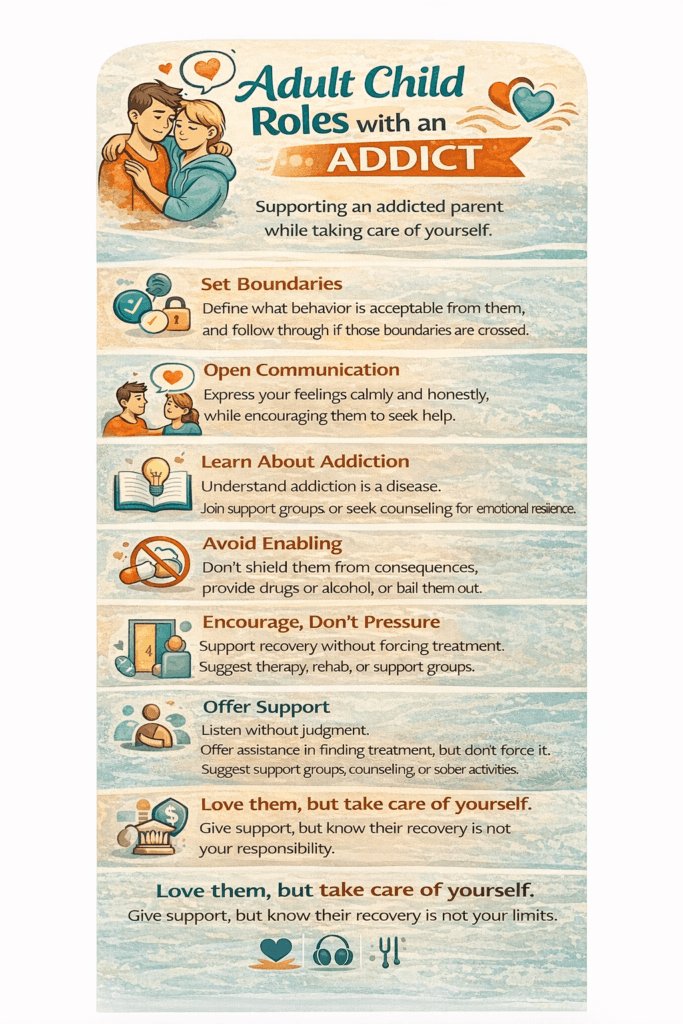
Navigating a relationship with an addicted parent requires a delicate balance of self-management, family support, and community resources for recovery. Adult children find themselves at the intersection of providing support while safeguarding their own well-being. Effective self-management involves setting boundaries and prioritizing personal health, while family support fosters understanding and communication. Simultaneously, community resources offer additional assistance, connecting adult children with networks, counseling, and educational opportunities. In this intricate journey, a holistic approach combining individual resilience, familial understanding, and community engagement becomes paramount for both the addicted parent’s recovery and the adult child’s path to healing.
The Role of an Adult Child in a Parent’s Addiction and Recovery Journey
The relationship between an adult child and their parent can profoundly shape the parent’s experiences with addiction and recovery. This dynamic, rooted in emotional bonds, shared history, and evolving roles, carries significant weight in shaping parents’ behaviors and recovery journeys. Below are key ways in which this relationship impacts addiction and strategies for fostering recovery:
1. Enabling or Hindering Recovery
Adult children’s actions can either enable or support their parents’ recovery.
- Enabling Behaviors: Providing financial assistance or overlooking addictive behaviors without conditions may inadvertently prolong addiction.
- Supportive Actions: Encouraging healthy decisions, offering emotional support, and guiding the parent toward treatment resources can motivate recovery.
2. Emotional Influence
The emotional bond between an adult child and their parent holds transformative power.
- Positive and empathetic relationships may inspire the parent to seek help and commit to recovery.
- Conversely, unresolved conflicts or strained relationships might exacerbate the parent’s addictive tendencies.
3. Codependency Issues
Codependency can complicate the dynamic.
- A codependent relationship, where the child overly prioritizes the parent’s needs, can perpetuate unhealthy behaviors.
- Breaking free from codependency involves fostering independence while maintaining supportive engagement.
4. Intervention and Support
Adult children can play a pivotal role in initiating recovery.
- Positive Interventions: Expressing genuine concern and sharing information about treatment options can encourage the parent to seek help.
- Approaching the conversation with empathy rather than judgment increases the likelihood of a positive response.
5. Setting Boundaries
Boundaries are essential for healthy interactions.
- Clear boundaries, such as refusing to enable destructive behaviors, signal the importance of accountability.
- Boundaries create a framework for mutual respect and focus on recovery.
6. Managing Stress and Emotional Burden
Supporting an addicted parent can be emotionally taxing for adult children.
- The child needs to prioritize their mental health through self-care, therapy, or support groups.
- A healthier, more balanced adult child is better equipped to support the parent’s recovery.
7. Motivation for Change
An adult child’s encouragement can inspire the parent to take steps toward recovery.
- Showing belief in the parents’ ability to recover fosters confidence and motivation.
- Conversely, a lack of support or constant criticism may discourage progress.
8. Reconciliation and Healing
Rebuilding the parent-child relationship can serve as a recovery incentive.
- Recovery offers an opportunity to address past wounds and foster mutual understanding.
- Healing strengthens the parent’s support system, contributing positively to long-term sobriety.
9. Access to Resources
Adult children often have access to critical recovery resources.
- Information about treatment centers, counseling services, and support groups can guide the parent toward practical solutions.
- Offering logistical or emotional support during the process reduces barriers to accessing help.
10. Role in Aftercare
Aftercare is essential for sustaining recovery.
- Encouraging the parent to engage in therapy, support groups, or sober activities helps maintain momentum.
- Being present as a steady source of encouragement reinforces their commitment to a substance-free life.
The relationship between an adult child and their parent is a powerful force in shaping the parent’s journey through addiction and recovery. By fostering open communication, setting healthy boundaries, and actively supporting recovery efforts, adult children can create a positive, nurturing environment that facilitates healing and long-term well-being for both parent and child.
Self-Management Strategies for Adult Children of Addicted Parents
Dealing with an addicted parent as an adult child is a challenging and emotionally taxing experience. While the desire to help a parent in need is natural, it’s essential to prioritize your own well-being and emotional health. Here are self-management strategies to navigate this complex dynamic effectively:
1. Establish Emotional Boundaries
Protect your emotional well-being by setting clear boundaries.
- Recognize that you cannot control your parents’ choices or behavior.
- Focus on what you can control: your responses, limits, and emotional health.
2. Educate Yourself
Understand addiction and its effects.
- Learn about the psychological and physiological aspects of addiction.
- Familiarize yourself with treatment options and recovery resources. Knowledge empowers you to offer informed support.
3. Seek Professional Guidance
Engage with a therapist or counselor.
- A professional specializing in addiction and family dynamics can provide strategies to cope with your emotions and navigate the complexities of your relationship.
4. Practice Self-Compassion
Be kind to yourself.
- Acknowledge your feelings—frustration, sadness, or guilt—without judgment.
- Treat yourself with the same understanding and patience you would extend to others in similar circumstances.
5. Set Clear Boundaries
Define acceptable behaviors and stick to them.
- Communicate these boundaries calmly and assertively.
- Enforce them consistently to protect your emotional health and foster accountability in your parents.
6. Maintain Healthy Relationships
Build a strong support network.
- Surround yourself with friends, family members, or support groups who can offer encouragement and understanding.
- Healthy relationships outside your family dynamic can provide balance and perspective.
7. Prioritize Self-Care
Take care of your physical and emotional health.
- Engage in activities that bring joy and relaxation, such as hobbies, exercise, or creative pursuits.
- Ensure proper sleep, nutrition, and mindfulness practices to sustain your resilience.
8. Practice Mindfulness and Stress Reduction
Incorporate stress management into your daily routine.
- Techniques such as meditation, yoga, or journaling can help you manage stress and remain present during difficult times.
9. Develop Effective Communication Skills
Communicate calmly and assertively.
- Express concerns about your parents’ behavior without assigning blame.
- Focus on how their actions affect you and encourage open, respectful dialogue.
10. Encourage Professional Help
Support your parents’ recovery journey.
- Provide information about therapy, support groups, or treatment centers.
- Express your hope for their recovery while emphasizing that seeking help is their responsibility.
11. Focus on Personal Growth
Set goals for yourself outside of your parents’ addiction.
- Pursue career aspirations, education, or personal hobbies.
- Investing in your own development fosters independence and empowerment.
12. Join Support Networks
Connect with others who share similar experiences.
- Support groups for individuals dealing with addicted family members can offer valuable insights, empathy, and camaraderie.
13. Regular Self Check-Ins
Evaluate your progress and adapt your strategies.
- Reflect on your emotional state, communication tactics, and coping mechanisms.
- Adjust as necessary to maintain balance and prioritize your well-being.
Navigating a relationship with an addicted parent is a delicate balance between compassion and self-care. By implementing these self-management strategies, adult children can create healthy boundaries, foster emotional resilience, and build a support system that prioritizes their own well-being while encouraging their parents’ recovery journey.
Family Support Strategies for Adult Children of Addicted Parents
Family support is an essential component in helping an addicted parent navigate their behaviors and recovery. For adult children, this support involves fostering open communication, creating a nurturing environment, and balancing empathy with clear boundaries. Here are key strategies to guide the family’s role in this journey:
1. Foster Open and Honest Communication
Create a safe space for dialogue.
- Encourage respectful and transparent conversations.
- Ensure all family members feel heard and understood, fostering trust and emotional connection.
2. Educate the Family
Build awareness about addiction.
- Please share information about addiction as a condition, its effects, and recovery challenges.
- Education reduces stigma and promotes understanding, helping the family work together effectively.
3. Schedule Family Meetings
Regularly discuss concerns and progress.
- Use family meetings to address issues constructively.
- Collaborate on solutions and strategies to support the addicted parent’s recovery.
4. Establish Boundaries
Set and enforce clear limits.
- Define acceptable behaviors and consequences as a family.
- Consistency in enforcing boundaries ensures a healthier family dynamic and accountability for the parent.
5. Participate in Family Therapy
Seek professional guidance for the entire family.
- Family therapy provides a structured environment to address interpersonal dynamics.
- Therapists can help families develop healthy communication and coping strategies.
6. Support Individual Family Members
Recognize unique needs within the family.
- Tailor support for each family member based on their experiences and challenges.
- Ensure no one feels neglected or overburdened in the process.
7. Encourage Professional Help for the Parent
Guide the parent toward treatment.
- Help them explore options such as therapy, support groups, and rehabilitation programs.
- Encourage without pressuring them, respecting their autonomy.
8. Create a Supportive Environment
Foster empathy and understanding.
- Emphasize non-judgmental attitudes and compassion.
- Encourage positive reinforcement and celebrate progress.
9. Share Responsibilities
Distribute tasks evenly.
- Collaborate on managing the parents’ recovery-related needs and overall family functioning.
- Prevent burnout by ensuring responsibilities are shared among family members.
10. Celebrate Milestones
Acknowledge achievements in recovery.
- Celebrate periods of sobriety, treatment goals, or other significant progress.
- These celebrations reinforce positive behaviors and boost morale.
11. Prioritize Self-Care for Family Members
Ensure each member maintains their well-being.
- Encourage practices like exercise, hobbies, and relaxation techniques.
- Self-care is essential for sustaining long-term support.
12. Avoid Enabling Behaviors
Identify and eliminate enabling actions.
- Avoid providing resources or support that could perpetuate unhealthy behaviors.
- Replace enabling with support that encourages recovery and self-sufficiency.
13. Seek External Support
Connect with outside resources.
- Explore addiction support groups, community programs, or professional counselors for families.
- External networks provide valuable insights and a sense of solidarity.
14. Practice Patience and Understanding
Accept the ups and downs of recovery.
- Understand that setbacks are part of the process.
- Maintain patience and support through challenges, reinforcing hope and resilience.
15. Stay Flexible
Adapt to changing circumstances.
- Recovery is not linear, and strategies may need to evolve.
- Flexibility ensures the family can respond effectively to new challenges.
Family support is pivotal in an addicted parent’s recovery journey. By fostering an environment of empathy, collaboration, and understanding, adult children and other family members can provide a strong foundation for the parents’ well-being and long-term success in overcoming addiction. Prioritizing both the parent’s recovery and the family’s emotional health ensures a balanced and practical approach to this challenging journey.
Community Resource Strategies for Supporting an Addicted Parent’s Recovery
When dealing with an addicted parent, an adult child can benefit greatly from community resources and external support networks. These strategies provide essential guidance, tools, and encouragement for navigating the complexities of addiction and fostering recovery. Below are practical community resource strategies to consider:
1. Al-Anon and Nar-Anon Meetings
Join family-focused support groups.
- These groups are designed for relatives of those struggling with alcohol or drug addiction.
- They offer a safe space to share experiences, gain insights, and receive emotional support.
2. Community-Based Counseling Services
Access professional counseling.
- Local counseling services often provide family-focused support tailored to addiction-related challenges.
- Counselors can help develop coping strategies and offer insights into managing complex dynamics.
3. Community Health Clinics
Explore health clinic resources.
- Many community health clinics offer referrals, therapy, or specialized programs for families affected by addiction.
- Clinics can be an affordable option for accessing professional support.
4. Online Support Forums
Engage with virtual communities.
- Online forums connect individuals with others facing similar challenges.
- They provide anonymity, flexibility, and access to diverse perspectives for advice.
5. Local Community Centers
Utilize local programming.
- Community centers may host addiction support groups, educational workshops, or wellness initiatives.
- These centers often serve as hubs for free or low-cost family resources.
6. Faith-Based Organizations
Seek faith-centered support.
- Many religious organizations offer counseling, support groups, or other recovery-related resources.
- These programs often emphasize compassion and holistic recovery.
7. Family Resource Centers
Explore specialized family support.
- Family resource centers may provide tailored services such as educational materials, counseling, and referrals.
- These centers focus on empowering families dealing with addiction.
8. Workshops and Seminars
Attend educational events.
- Community workshops or seminars can provide insights into addiction, recovery processes, and family dynamics.
- Organized by treatment centers or mental health agencies, these events often feature expert speakers.
9. Addiction Treatment Facilities
Engage with treatment centers.
- Many addiction treatment centers offer family programs, including education and counseling services.
- These resources enhance family members’ understanding of addiction and recovery.
10. Legal Assistance Services
Address legal challenges.
- Seek guidance from legal professionals if the parent’s behavior has led to legal issues.
- Many communities offer free or low-cost legal clinics.
11. Public Health Departments
Leverage public health initiatives.
- Local health departments often have addiction-related resources and programs for families.
- They may offer referrals to treatment centers or community support services.
12. Employer Assistance Programs (EAPs)
Explore workplace resources.
- If available, EAPs can provide counseling services and other support for employees dealing with family addiction issues.
13. Nonprofit Organizations
Connect with addiction-focused nonprofits.
- Organizations such as SAMHSA and local advocacy groups offer free resources, education, and family support programs.
- These nonprofits are often deeply involved in community outreach.
14. Community Outreach Events
Participate in addiction awareness initiatives.
- Events like recovery walks, awareness fairs, or support drives can connect you with local resources.
- They also offer opportunities to meet others who share similar experiences.
15. Educational Institutions
Inquire at universities or colleges.
- Many institutions host public programs or have mental health resources focused on addiction.
- Students in counseling or social work programs may offer affordable support under supervision.
Leveraging community resources empowers an adult child to provide adequate support while managing the challenges of dealing with an addicted parent. From attending local workshops to joining support groups, these strategies ensure access to comprehensive tools and networks that promote recovery and emotional well-being for everyone involved.
Frequently Asked Questions
Here are some common questions:
What is it like to be the adult child of a parent with addiction?
It often means growing up early. Many adult children take on emotional or practical responsibilities beyond their years, leading to stress, anxiety, and difficulty trusting others later in life.
Is my parent choosing substances over me?
Addiction alters brain survival circuits. Their behavior may feel personal, but substance use is driven by brain changes, not a lack of love.
Why does my parent deny they have a problem?
Denial protects the addicted brain from confronting shame or fear. It is a common defense mechanism in addiction.
Am I responsible for fixing my parent?
No. You did not cause the addiction, you cannot control it, and you cannot cure it. Recovery must be chosen by the parent.
Why do I feel guilty setting boundaries?
Adult children are often conditioned to keep the peace in the family. Setting boundaries may feel selfish, but it is necessary for emotional health.
What does enabling look like as an adult child?
Giving money, covering bills, lying for your parent, or rescuing them from consequences can unintentionally support continued substance use.
Can I have a relationship with my parent if they still use substances?
Some adult children maintain limited contact with firm boundaries. Others choose distance for safety. Both choices are valid.
How do I talk to my parent about treatment?
Speak with concern, not blame. Offer information on treatment resources and express hope, but avoid ultimatums you cannot enforce.
What if my parent refuses help?
You cannot force recovery. Focus on protecting your own well-being and seek outside support.
How does parental addiction affect adult children long-term?
It can lead to anxiety, difficulty with trust, people-pleasing behaviors, or fear of abandonment. Therapy can help heal these patterns.
Should I attend therapy or support groups?
Yes. Groups like Adult Children of Alcoholics (ACA), Al-Anon, or therapy specializing in family addiction trauma are highly beneficial.
What should I do if my parent relapses?
Relapse is part of many recovery journeys. You can encourage treatment re-engagement, but you do not need to rescue or absorb consequences.
Is it okay to prioritize my own life?
Absolutely. Building your own healthy relationships, career, and emotional stability is not selfish — it breaks generational cycles.
Can the relationship ever heal?
Yes. Many parent-child relationships improve when recovery is stable, and accountability replaces chaos.
Where can I find support?
ACA meetings, Al-Anon, SMART Recovery Family, and trauma-informed counseling provide guidance and community.
Conclusion
The journey of an adult child navigating a relationship with an addicted parent is one marked by resilience, understanding, and community engagement. The delicate balance of self-management, characterized by setting boundaries and prioritizing personal well-being, forms the foundation for both the adult child’s strength and their parents’ potential for recovery. Family support strategies contribute to fostering open communication and empathy, bridging gaps that addiction may create. Furthermore, integrating community resources provides an additional layer of assistance, connecting adult children with networks and services that amplify the healing potential. In this complex interplay of individual strength, familial bonds, and external support, the adult child emerges not only as a pillar of strength for their parent but also as a resilient force shaping their own path to recovery and well-being.
Video: