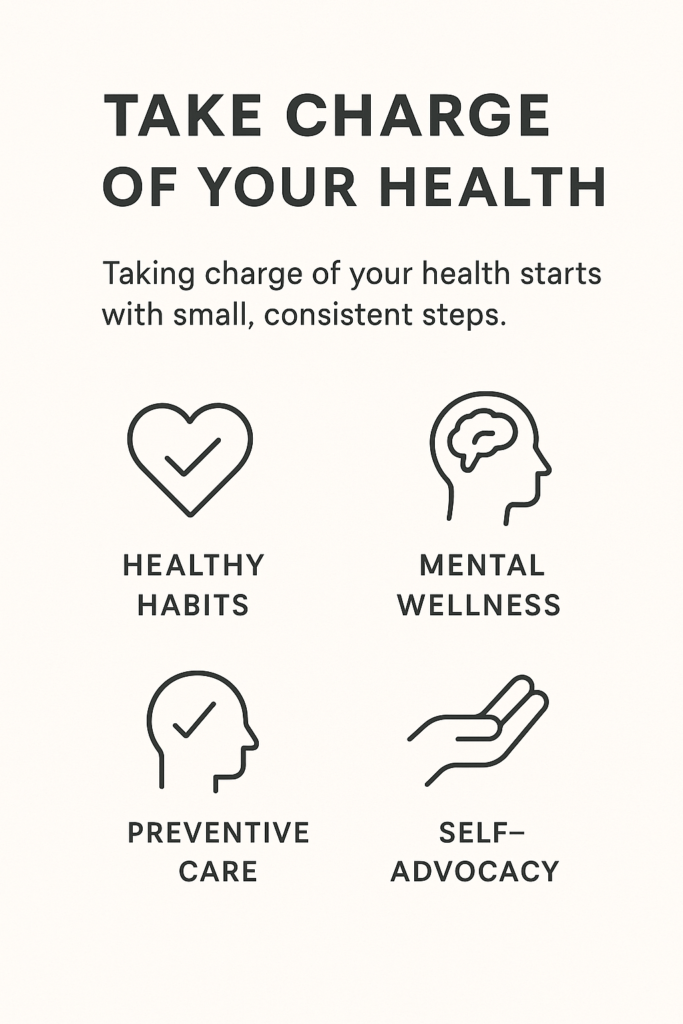
Health advocacy is fundamentally about taking charge of your own well-being and becoming an active participant in the decisions that shape your health. While healthcare professionals play an essential role, no one understands your body, your symptoms, or your daily experiences better than you do. That’s why being proactive—whether you’re managing a chronic condition, navigating a complicated healthcare system, or simply working toward healthier routines—can make a meaningful difference in your outcomes. Developing strong advocacy skills empowers you to ask the right questions, seek the support you deserve, and make informed choices with confidence. In this guide, I’ll break down practical tips and actionable insights to help you build those skills step by step, making the process feel more manageable, approachable, and fully within your control.
Understanding Health Advocacy: Why Taking Charge Matters
The idea of health advocacy has been around for a while, but there’s a new urgency to it as people see the benefits of speaking up and taking action. Making smart decisions and communicating clearly with healthcare providers can really influence outcomes, sometimes even more than you’d expect.
It’s easier than ever to get lost in the healthcare shuffle, especially with so many treatment options, insurance plans, and policy and protocol changes. Having a good grasp on health advocacy helps cut through that confusion. For example, a CDC study shared that patients who understood their care plans reported better satisfaction and outcomes than those who felt left out of the loop. Not only does advocacy support you when you’re sick, but it forms a solid base for staying healthy in general.
Building this skill set doesn’t mean you need a medical background. It’s about asking questions, keeping track of your own records, and understanding how to track down and use trustworthy information. Even these simple actions can make all the difference in your everyday life, not just when things get complicated.
Getting Started with Your Own Health Advocacy
Jumping into advocacy can feel overwhelming at first, especially if doctors or healthcare providers seem pressed for time. I’ve found that starting with small steps and building confidence over time is the way to go. Here are some basics worth considering:
- Collect and Organize Your Health Information: Keep a notebook, a folder, or even a simple file on your phone to track doctor visits, medications, test results, and questions. This keeps everything at your fingertips and ready for future visits.
- Learn Basic Healthcare Terms: Getting familiar with common medical terms (like “deductible” for insurance or “side effects” when discussing medications) helps when talking with providers. No need to memorize a dictionary; look up what you don’t know and ask staff to clarify when needed.
- Prepare for Appointments: List out what you want to talk about before stepping into the doctor’s office. Jot down symptoms, questions, or any changes you’ve noticed. Bringing notes means nothing gets forgotten if nerves kick in during the visit.
Quick Guide: Steps To Become Your Own Advocate
Figuring out where to start can be easier with a checklist. Here’s how to give a boost to your advocacy game without feeling overwhelmed:
- Review Your Health Coverage: Understanding what your insurance covers saves headaches later. If you don’t know what’s in your policy, call your provider or check their online portal.
- Find Reliable Resources: Use trusted sites like Mayo Clinic or MedlinePlus for info. There’s a lot of noise online, so sticking with credible sources keeps you informed.
- Speak Up During Appointments: If something doesn’t feel right or you don’t understand, say so. Doctors are used to questions and should explain things in a way they know.
- Follow Up on Tests and Results: Don’t be shy about calling to check on lab results or next steps. Your health is worth the extra effort.
- Build a Support Network: Bring a family member, friend, or caregiver to appointments when you can. They can take notes, ask questions, and help you remember what was discussed.
These simple actions make it easier to stay informed and in control, both in routine checkups and when facing larger health challenges.
What to Consider When Advocating for Your Health
Plenty of obstacles can pop up along the way, but with some prep, you can handle them with less stress:
- Unclear Communication: Medical lingo can be confusing. Don’t hesitate to ask for more straightforward explanations or written info if you need it.
- Multiple Providers: Seeing specialists or more than one doctor? Make sure everyone gets the same information from you, and keep your records up to date to avoid mix-ups.
- Insurance Complexities: Claims and authorizations can be downright frustrating. Sticking to organized paperwork and calling for clarification can help keep things from slipping through the cracks.
- Emotional Burden: Dealing with health issues can feel draining. Lean on support systems; friends, family, or online patient groups can help share the load.
Unclear Communication
Sometimes I’ve walked out of a doctor’s office realizing I didn’t quite get all the details. It helps to repeat info back to your provider, like saying, “So you’re saying the next step is another blood test?” to make sure you’re both on the same page. And remember, no question is off-limits if it’s about your health.
Multiple Providers
If you’re seeing several doctors at once, such as a general practitioner and a specialist, it’s easy for wires to get crossed. Carrying copies of key test results and updates between appointments helps everyone stay informed. More doctors’ offices are using online patient portals these days, which can centralize your info pretty nicely.
Insurance Complexities
Insurance phone calls aren’t everyone’s favorite hobby, but having notes on past conversations, policy numbers, and claim info speeds things up. If you’re denied coverage for something, always ask for the reason and what the appeal process looks like. Appeals actually succeed more often than you might think.
Emotional Burden
It’s totally normal to feel overwhelmed by medical news. Support groups, both local and online, offer shared stories and tips that often lighten the load and make big problems seem smaller. Don’t be afraid to reach out for help when you need it.
Building a solid routine of notetaking, follow-ups, and assertive communication helps you tackle these hurdles one step at a time. Each small win builds confidence for the next one.
Practical Tips: Boosting Everyday Health Advocacy
Once you’re feeling more in control, some practical habits can keep the momentum going:
Keep an Updated List of Medications: Having this list makes every doctor visit smoother. Include doses and note any allergies at the top. It also helps in emergencies.
Use Technology to Your Advantage: Apps like MyChart or Apple Health offer options for tracking info right on your phone, scheduling appointments, and directly messaging healthcare providers. The Mayo Clinic app is user-friendly and worth checking out if you want to centralize medical info.
Stay Curious About Your Health: If a new symptom pops up or a treatment isn’t going as planned, jot it down. Sometimes it’s nothing, sometimes it’s a clue your provider needs.
Ask for Written Summaries: Many clinics send visit summaries by email or via the patient portal. If yours doesn’t, request a printout or take notes yourself. Reviewing advice and next steps at home makes a big difference.
Health Advocacy in Real Life: Everyday Examples
I’ve talked to plenty of people who’ve handled everything from checkups to major health scares, and most say that keeping track of their care truly matters. Here’s how advocacy shows up in everyday life:
- Chronic Condition Management: Someone managing diabetes might track blood sugar, maintain a meal plan, and bring specific questions to each appointment. This prep means they and their doctor can tweak things as needed.
- Making Major Decisions: Anyone facing a new diagnosis is likely overwhelmed. Bringing a trusted family member, researching each treatment, and confirming all options are on the table help with feeling confident in decisions.
- Prevention and Screening: Regularly checking when vaccines, screenings, or checkups are due (especially after age 40) helps catch issues early and stay ahead of problems before they snowball.
Frequently Asked Questions
People just starting out often want to know:
Question: How do I talk to my doctor if I’m nervous or shy?
Answer: Writing down your thoughts beforehand and practicing out loud helps. Bringing someone you trust to the appointment can make it less intimidating as well.
Question: What if my doctor doesn’t take my concerns seriously?
Answer: If you feel ignored, try asking about a referral, getting a second opinion, or switching providers if possible. Your voice is valid.
Question: Where can I find reliable health information?
Answer: Stick to well-known sites like the CDC, Mayo Clinic, or MedlinePlus. If you stumble upon something that seems concerning, bring it up at your appointment before making changes to your routine.
Wrapping Up
Taking small steps every day to become an active part of your own health adventure can really boost your results and give you peace of mind. This isn’t about being pushy—it’s about being prepared and confident. The benefits show up whether you’re seeking answers for yourself or helping someone you care about.
I hope these tips help you feel more confident tracking, understanding, and managing your well-being with a little more ease. Advocacy is a lifelong skill, and it’s always worth fine-tuning. Every proactive step is a win on the adventure to better health.
Video: These habits separate healthy people from everyone else #health #lifestyle #habits